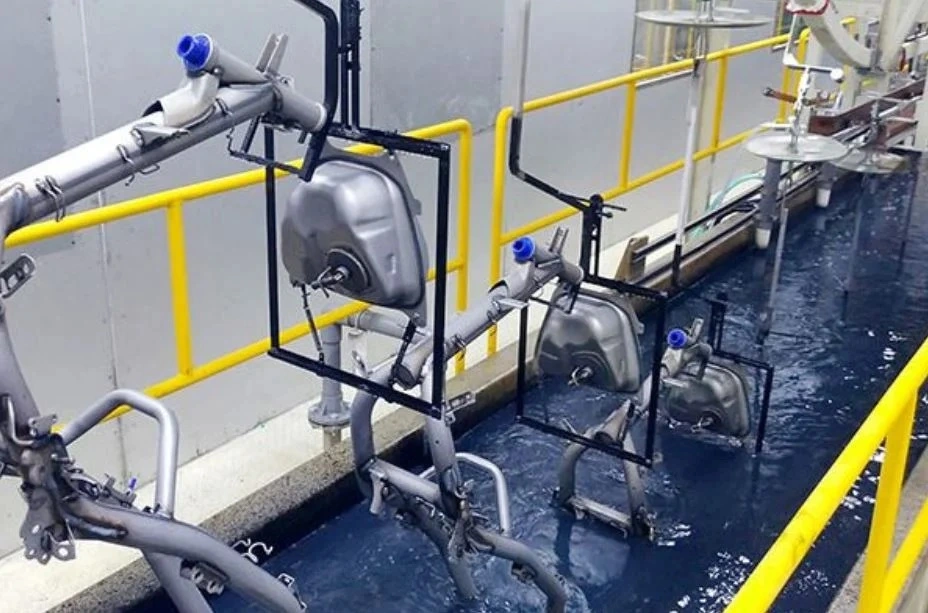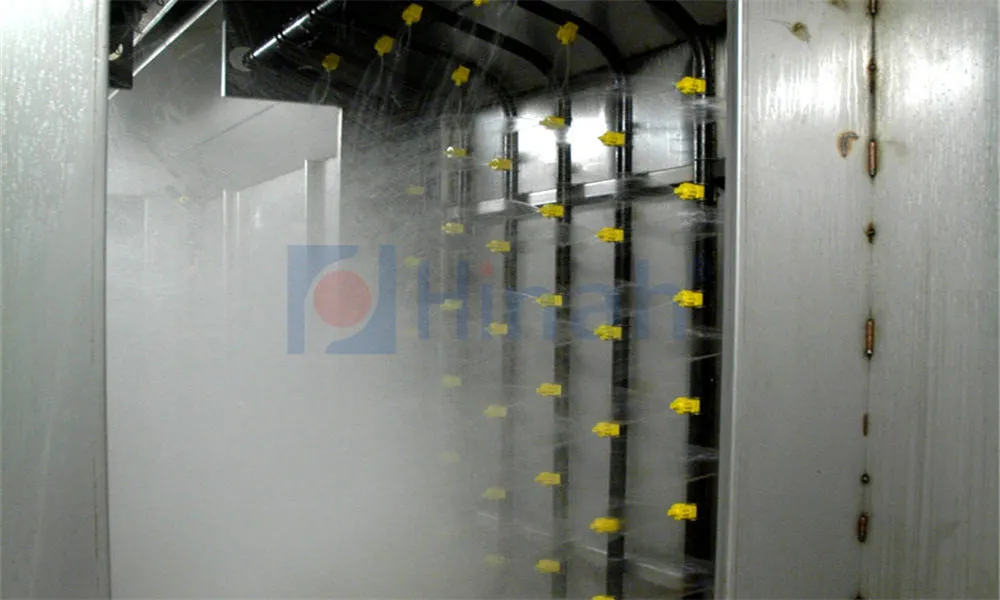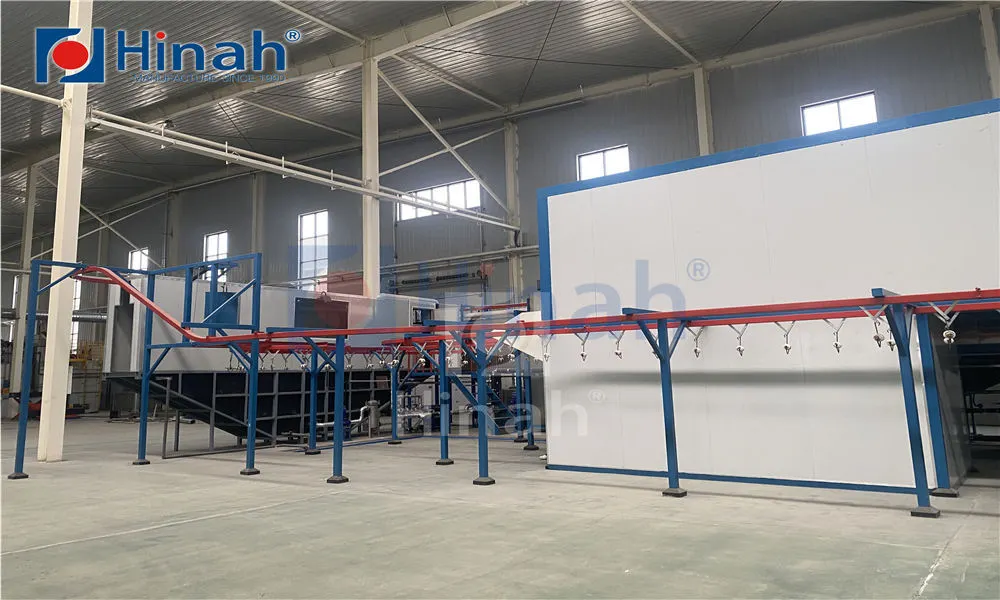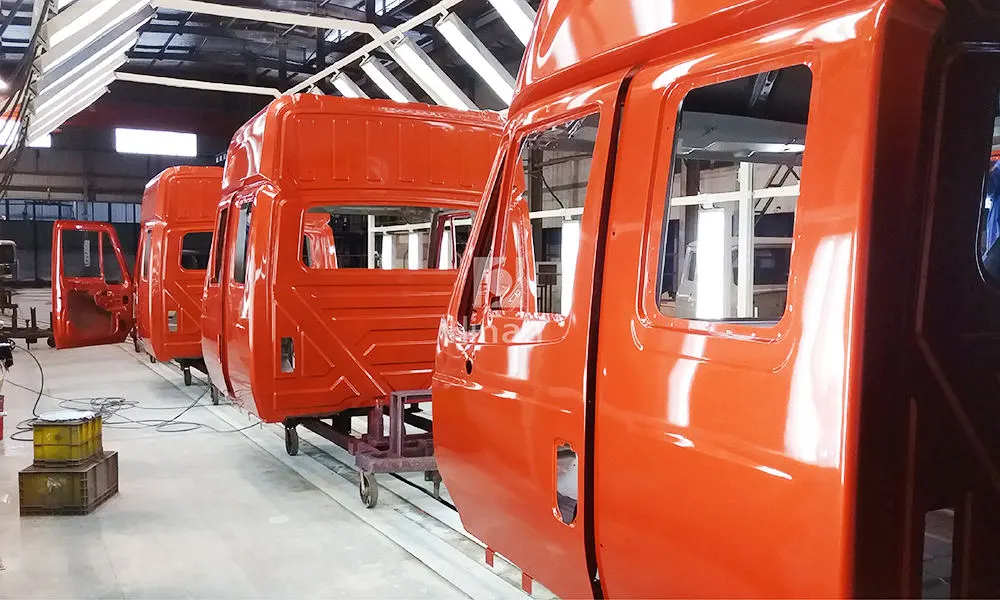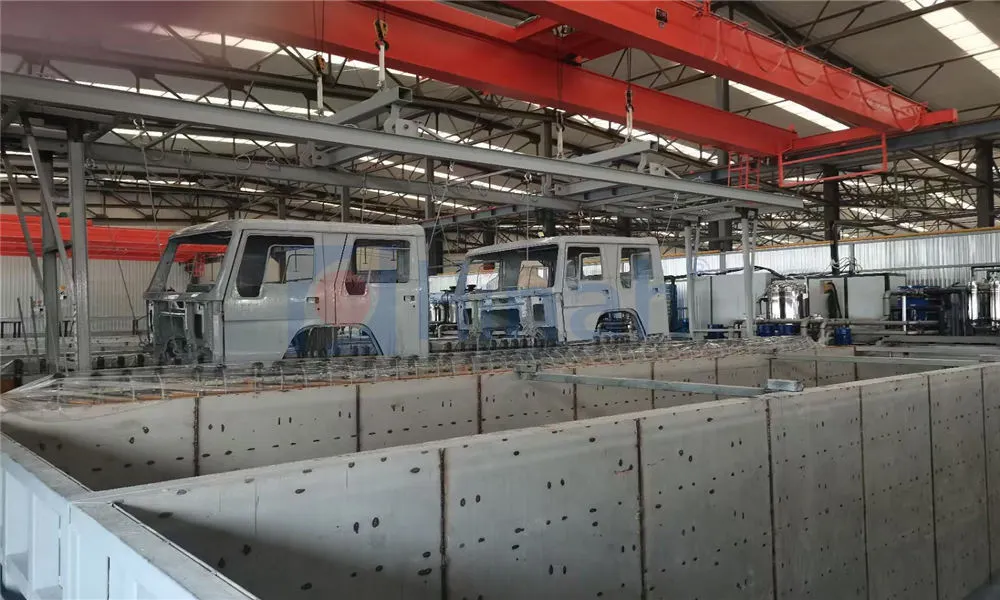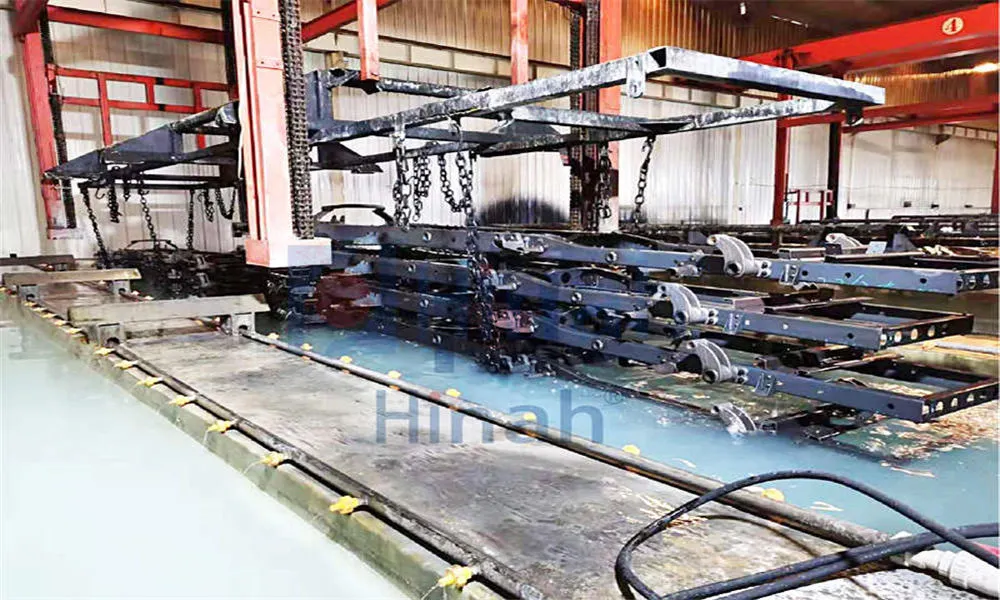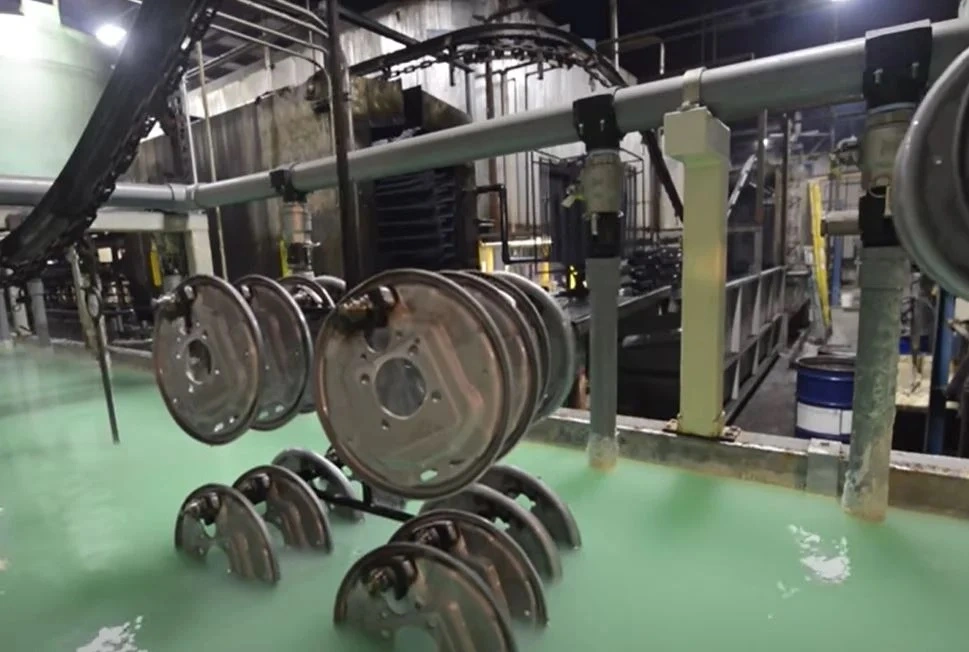

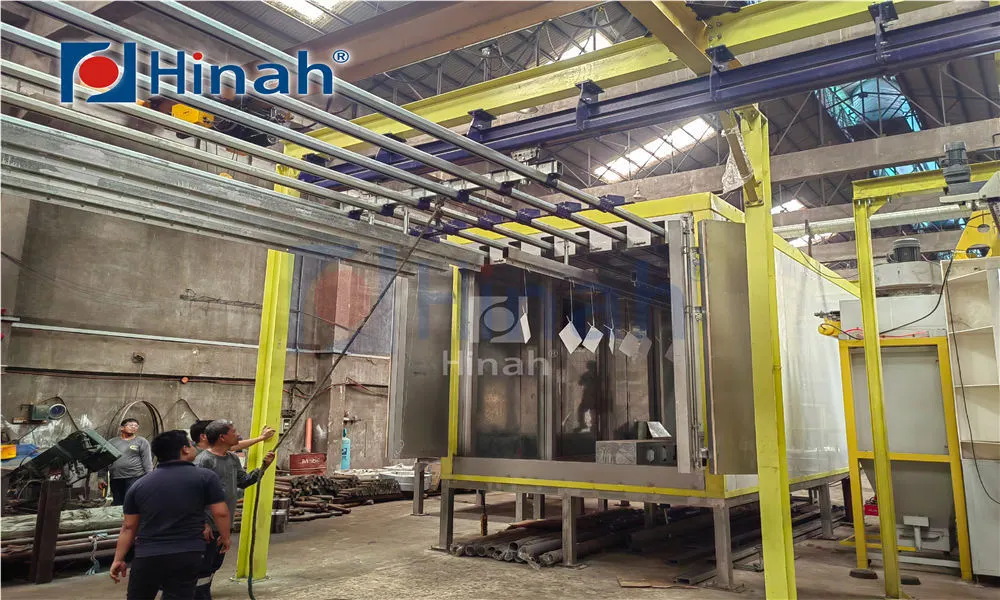
When it comes to industrial finishing processes, spray booth powder coating stands out as a versatile and durable method for applying protective and decorative coatings to metal surfaces. Whether you're in automotive manufacturing, furniture production, or any industry requiring high-quality finishes, understanding the ins and outs of spray booth powder coating can make a significant difference in your bottom line and product quality. In this article, we'll dive into five actionable strategies that can help you optimize your spray booth powder coating operations, reduce expenses, and achieve superior results. We'll also explore how integrating equipment from brands like HANNA can elevate your process. By the end, you'll have a clearer picture of how to harness the full potential of this technology.
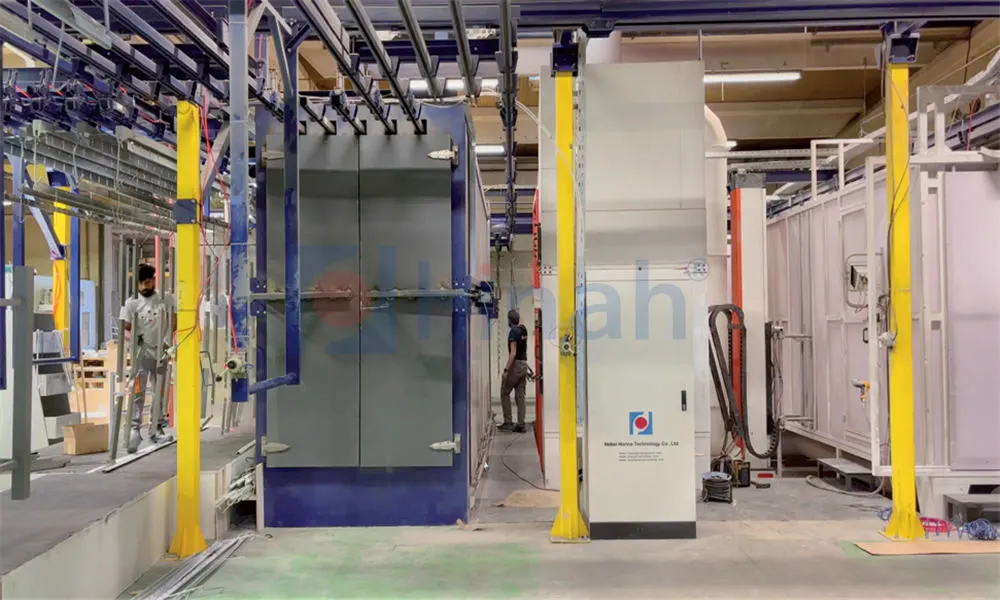
Spray booth powder coating is a dry finishing process where electrostatically charged powder particles are applied to a grounded workpiece inside a controlled environment called a spray booth. Unlike traditional liquid paints, this method doesn't use solvents, making it environmentally friendly and efficient. The coated object is then cured in an oven, resulting in a hard, uniform finish that resists chipping, fading, and corrosion. This process is widely used because it minimizes waste—excess powder can often be recycled—and provides a consistent, high-quality coat. For businesses, investing in a well-designed spray booth powder coating system means better control over application parameters, reduced material costs, and compliance with environmental regulations. As industries shift toward sustainable practices, spray booth powder coating has become a go-to solution for achieving durable finishes without the hazards of volatile organic compounds (VOCs).
One of the primary advantages of employing a dedicated spray booth for powder coating is the enhanced control it offers over the application environment. A properly designed spray booth contains overspray, improves operator safety, and ensures consistent airflow for even powder distribution. This leads to fewer defects, such as orange peel or uneven thickness, which can plague open-air setups. Additionally, spray booth powder coating systems often incorporate filtration systems that capture airborne particles, reducing cleanup time and maintaining a healthier workspace. From a cost perspective, this efficiency translates into lower labor expenses and less rework. Moreover, modern spray booths, like those from HANNA, are engineered for energy efficiency, cutting down on electricity and heating costs during curing cycles. By isolating the coating process, businesses can also adhere to strict industry standards, such as those from OSHA or EPA, avoiding fines and promoting a greener image.
When evaluating the financial aspects of spray booth powder coating, it's essential to look beyond the initial investment. The cost of a spray booth itself can range from a few thousand dollars for small, basic units to over $50,000 for large, automated systems. However, the long-term savings are where spray booth powder coating shines. For instance, powder materials typically have a higher transfer efficiency compared to liquid paints, meaning less waste and lower consumable costs. Maintenance is another factor; regular cleaning and filter replacements in a spray booth can add up, but opting for durable equipment from reputable brands like HANNA can extend lifespan and reduce downtime. Energy consumption for curing ovens and booth ventilation also plays a role—investing in energy-efficient models can cut utility bills by up to 20%. Labor costs are another consideration; automated spray booth powder coating lines might require a higher upfront cost but can slash manual labor expenses by 30-50% in high-volume operations. By conducting a thorough cost-benefit analysis, businesses can identify areas for savings, such as bulk powder purchases or preventive maintenance schedules, making spray booth powder coating a smart economic choice.
To maximize the effectiveness of your spray booth powder coating, consider implementing advanced techniques that improve adhesion, consistency, and speed. First, electrostatic application methods can be fine-tuned by adjusting voltage and current settings to suit different powder types and workpiece geometries. This reduces overspray and ensures a uniform coat. Second, maintaining optimal booth conditions—such as controlled humidity and temperature—is crucial; deviations can lead to defects like poor adhesion or bubbling. Using infrared curing technology instead of conventional ovens can also speed up the process and reduce energy use. Another technique involves powder recovery systems integrated into the spray booth, which recycle oversprayed material, cutting material costs by up to 95%. For businesses using HANNA equipment, leveraging their proprietary controls can automate these adjustments, providing real-time data for better decision-making. Regular training for operators on spray booth powder coating best practices, such as proper gun handling and booth maintenance, further enhances efficiency. By staying updated on industry innovations, you can keep your spray booth powder coating process competitive and cost-effective.
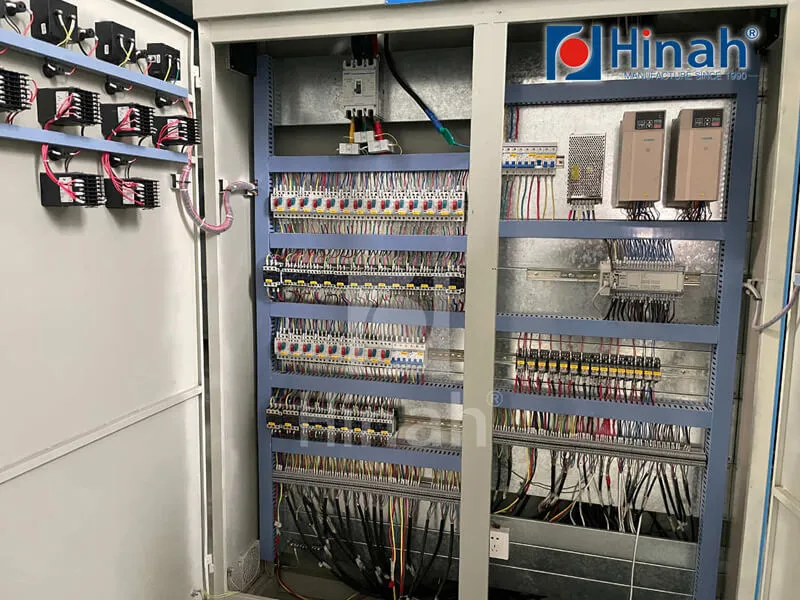
Incorporating HANNA brand equipment into your spray booth powder coating setup can bring notable improvements in performance and reliability. HANNA is known for designing robust spray booths that feature advanced filtration, ergonomic layouts, and customizable options to fit various production needs. For example, their booths often include high-efficiency particulate air (HEPA) filters that ensure clean air recirculation, reducing contamination risks and extending powder life. In terms of cost savings, HANNA's energy-efficient designs minimize power consumption during operation and curing, which is a significant advantage in long-run spray booth powder coating projects. Additionally, HANNA offers integrated control systems that monitor key parameters like airflow and temperature, providing alerts for maintenance before issues arise. This proactive approach reduces downtime and repair costs. Many users report that switching to HANNA spray booth powder coating systems has led to a 15-25% increase in throughput due to faster setup and better consistency. By partnering with a trusted brand, you not only enhance product quality but also build a scalable foundation for future expansions in your powder coating operations.
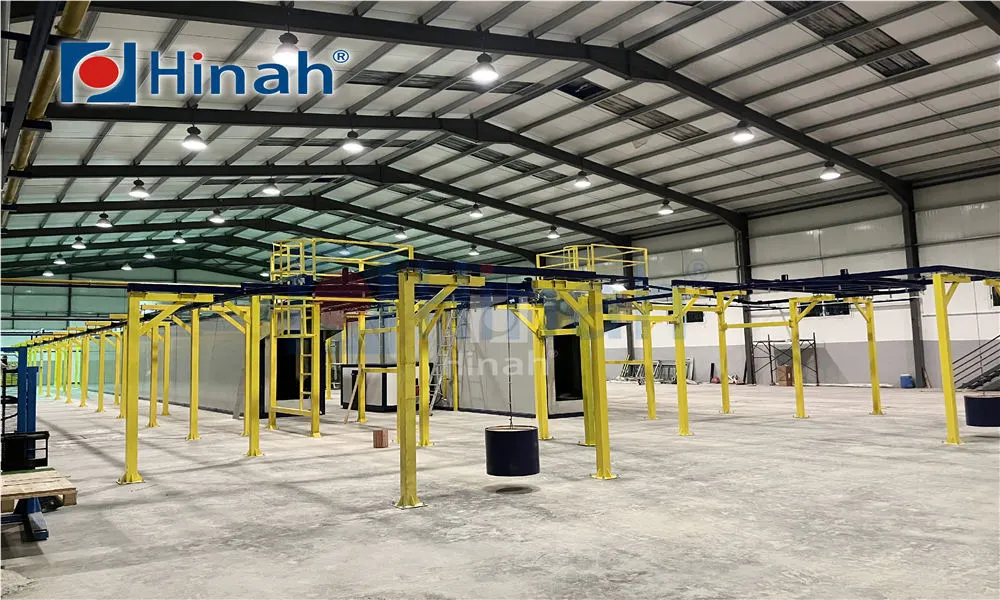
Despite its benefits, spray booth powder coating can present challenges that impact efficiency and output quality. One frequent issue is powder contamination, which can stem from improper booth cleaning or external pollutants. This often results in blemishes on the finished product. To counter this, implement strict cleaning protocols and use high-quality filters, such as those in HANNA booths. Another common problem is inconsistent film thickness, caused by uneven gun movement or incorrect electrostatic settings. Regular calibration of equipment and operator training can mitigate this. Curing defects, like under- or over-curing, are also prevalent; using reliable ovens and monitoring cure times closely helps achieve the desired finish. In spray booth powder coating, static electricity buildup can sometimes cause safety hazards, so grounding systems and anti-static measures are essential. Lastly, color changeovers in a spray booth can be time-consuming if not managed well. Solutions include using quick-change powder lines and dedicated booth sections for different colors. By addressing these challenges head-on, you can maintain a smooth spray booth powder coating process and avoid costly rework.
Q1: What is the average lifespan of a spray booth used for powder coating?
A1: The lifespan of a spray booth for powder coating typically ranges from 10 to 20 years, depending on usage, maintenance, and build quality. Regular cleaning, timely filter replacements, and using durable equipment from brands like HANNA can extend this period. Factors such as the type of powders used and environmental conditions also play a role—for instance, abrasive materials might wear components faster, so investing in robust designs is key to longevity.
Q2: How much does it cost to install a new spray booth powder coating system?
A2: Installation costs for a spray booth powder coating system vary widely based on size, automation level, and additional features. A basic manual booth might cost between $5,000 and $15,000, while larger, automated systems can exceed $50,000. This often includes expenses for ventilation, electrical work, and safety compliance. Brands like HANNA offer modular options that can reduce installation time and costs. It's advisable to get a detailed quote that covers all aspects, including potential savings from energy-efficient models.
Q3: Can spray booth powder coating be used for non-metallic materials?
A3: Traditionally, spray booth powder coating is designed for conductive materials like metals, as the electrostatic process requires a grounded surface. However, advancements have enabled its use on certain non-metallics, such as wood or plastics, with pre-treatment processes like conductive primers. This expands applications but may require specialized equipment adjustments in the spray booth. Always test on a sample material to ensure adhesion and quality before full-scale production.
Q4: What maintenance is required for a spray booth in powder coating applications?
A4: Regular maintenance for a spray booth in powder coating includes daily cleaning of surfaces and filters to prevent powder buildup, weekly inspections of electrical components and airflow systems, and periodic checks on recovery systems and curing units. Replacing filters every few months—or as recommended by the manufacturer—is crucial for efficiency. Using HANNA equipment often comes with maintenance guides that outline specific schedules, helping reduce downtime and maintain optimal spray booth powder coating performance.
Q5: How does spray booth powder coating compare to liquid painting in terms of environmental impact?
A5: Spray booth powder coating is generally more environmentally friendly than liquid painting because it produces little to no VOCs, reduces hazardous waste, and allows for powder recycling. Liquid paints often contain solvents that emit VOCs, requiring additional ventilation and disposal measures. In a spray booth setup, powder overspray can be collected and reused, minimizing landfill contributions. This makes spray booth powder coating a preferred choice for companies aiming to meet sustainability goals while maintaining high-quality finishes.
In summary, spray booth powder coating offers a reliable path to achieving durable, cost-effective finishes in various industries. By focusing on strategies like optimizing booth conditions, leveraging advanced techniques, and incorporating quality equipment from brands like HANNA, you can drive down costs and enhance efficiency. Remember, the key to success lies in continuous improvement and adapting to new innovations in the spray booth powder coating landscape. If you're considering an upgrade or new installation, assess your specific needs and consult experts to tailor a solution that delivers long-term value.