
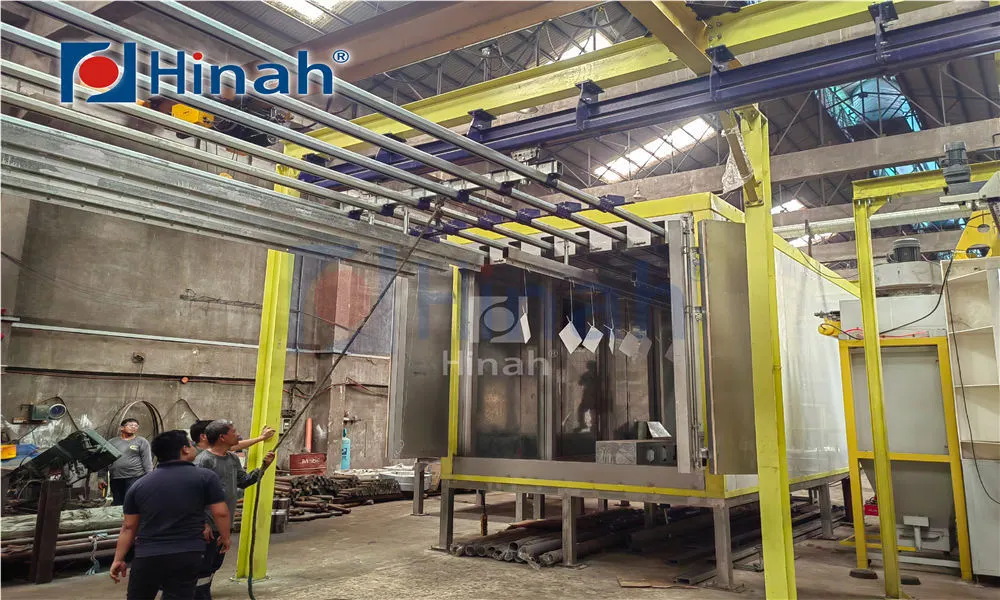
If you're in manufacturing, you've likely heard of a conveyor paint line—a system that automates the painting process for products moving along a conveyor belt. But did you know that optimizing this setup can drastically boost productivity, reduce waste, and enhance finish quality? In today's competitive industrial landscape, companies are constantly seeking ways to improve their operations, and a well-tuned conveyor paint line is a game-changer. Whether you're new to this technology or looking to upgrade, understanding how to maximize its potential is crucial. This article dives into practical steps to enhance your conveyor paint line, covering key aspects like selection, maintenance, and real-world applications. Plus, we'll touch on how brands like HANNA are shaping the industry with innovative solutions. Let's get started on making your painting process smoother and more efficient.
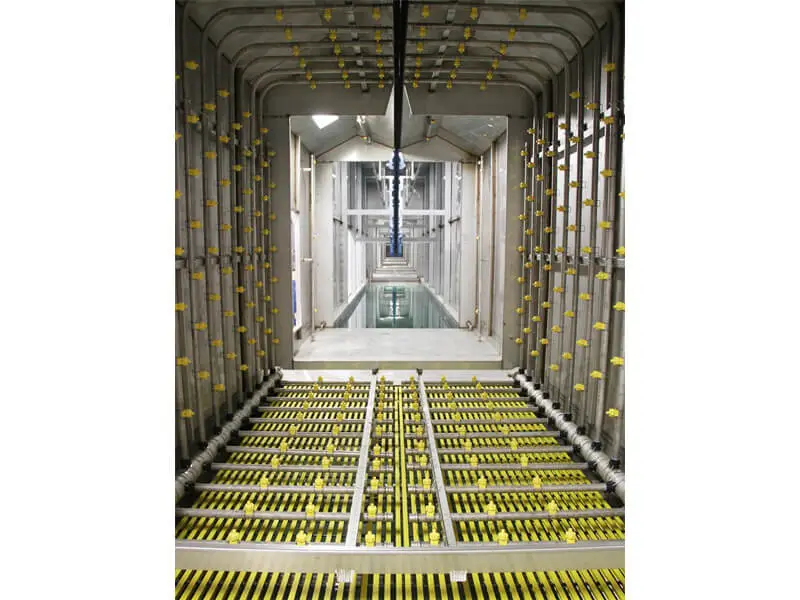
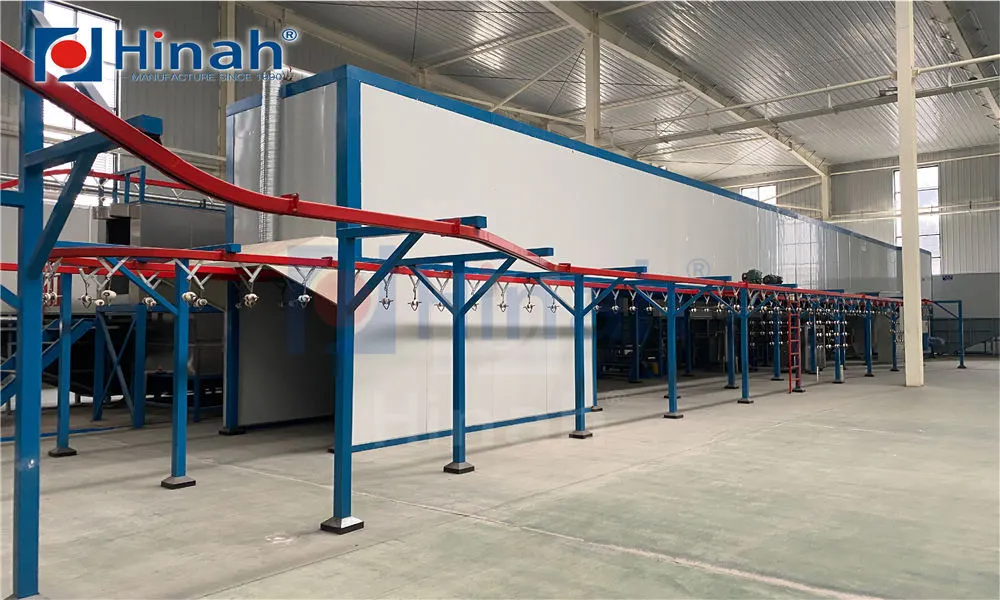
A conveyor paint line is an automated system used in industrial settings to apply coatings, paints, or finishes to products as they move along a conveyor belt. This setup typically includes components like spray booths, drying ovens, and curing zones, all synchronized to handle high volumes with precision. Think of it as an assembly line for painting—items such as automotive parts, furniture, or metal components pass through various stages, ensuring consistent coverage and faster turnaround times. The importance of a conveyor paint line lies in its ability to streamline production, minimize human error, and adhere to environmental standards by controlling overspray and emissions. In industries where aesthetics and durability are key, like automotive or appliance manufacturing, investing in a reliable conveyor paint line can lead to significant cost savings and higher customer satisfaction. For example, companies using systems from brands like HANNA often report up to 30% improvements in throughput, thanks to advanced features that adapt to different product shapes and materials.
Not all conveyor paint lines are created equal. Depending on your production requirements, you might opt for different configurations. The most common types include overhead conveyor systems, where products hang from an elevated track, and floor-mounted conveyors, which are ideal for heavier items. Overhead systems are popular in automotive plants because they save floor space and allow for easy access to all sides of a product. In contrast, floor-mounted conveyors suit industries like furniture manufacturing, where items need stable support. Another variant is the monorail conveyor paint line, which offers flexibility for complex shapes, often seen in aerospace applications. When selecting a type, consider factors like product weight, production speed, and available space. For instance, HANNA's modular conveyor paint line designs allow customization, so you can integrate specific spray guns or drying mechanisms. By understanding these options, you can avoid common pitfalls like underutilization or bottlenecks, ensuring your conveyor paint line aligns with your operational goals.
Why should you invest in a conveyor paint line? The benefits extend beyond mere automation. First, it enhances efficiency—by eliminating manual painting, you reduce labor costs and speed up production cycles. Studies show that a well-optimized conveyor paint line can cut painting time by over 50%, allowing you to meet tight deadlines. Second, consistency is a major advantage. Automated systems apply paint uniformly, reducing defects like drips or uneven coats, which is critical in industries where quality control is paramount. Third, a conveyor paint line promotes safety by containing hazardous fumes and reducing worker exposure to chemicals. Additionally, it supports sustainability efforts; modern systems, including those from HANNA, often incorporate energy-efficient dryers and recyclable paint systems, helping you comply with green regulations. Lastly, scalability is a huge plus. As your business grows, a conveyor paint line can be easily expanded or reconfigured, making it a future-proof investment. Real-world examples, such as a mid-sized factory that integrated a HANNA conveyor paint line, saw a 20% reduction in material waste within six months, highlighting its practical impact.
Selecting the perfect conveyor paint line isn't just about picking the cheapest option—it's about matching the system to your specific needs. Start by assessing your production volume. If you handle high-output operations, a continuous conveyor paint line with multiple zones might be ideal. For smaller batches, a modular system could suffice. Next, evaluate the products you're painting. Delicate items might require gentle handling, while rugged goods need durable components. Don't forget to consider the paint type; water-based paints, for instance, may need different drying settings than solvent-based ones. Budget is another key factor. While a basic conveyor paint line might cost less upfront, investing in features like automated controls or IoT integration from brands like HANNA can yield long-term savings through reduced downtime. Also, look at maintenance requirements. Opt for systems with easy-to-clean parts and reliable support services. Finally, test before you buy—many suppliers offer demos. For example, HANNA provides on-site trials to ensure their conveyor paint line integrates seamlessly with your setup. By following these steps, you'll avoid costly mistakes and secure a system that boosts your bottom line.
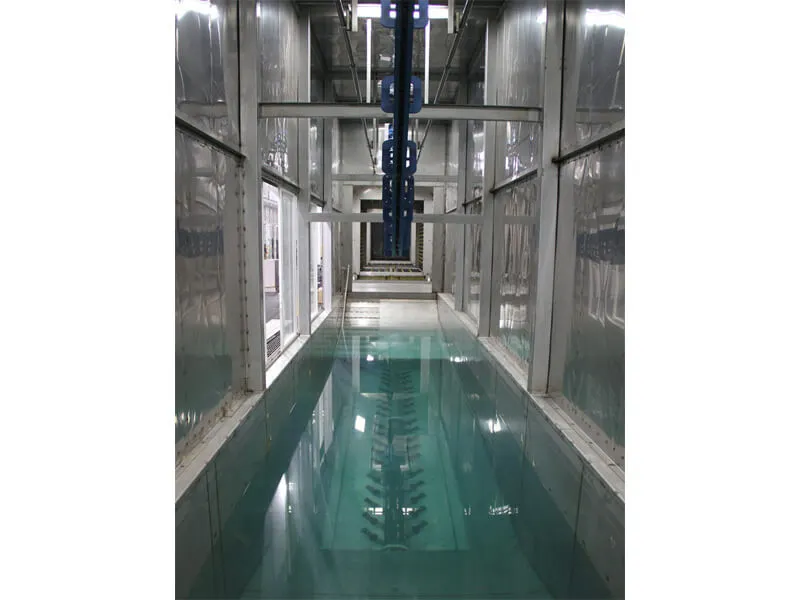
Conveyor paint lines are versatile and used across various sectors. In the automotive industry, they're essential for painting car bodies, ensuring a flawless finish that withstands weather and wear. Appliances like refrigerators and washing machines also rely on these systems for consistent coating that enhances durability and appearance. The furniture sector uses conveyor paint lines for items like chairs and tables, where aesthetic appeal drives sales. Even in aerospace, precision is key—components like engine parts undergo specialized painting via conveyor systems to meet strict safety standards. Moreover, industries like electronics employ conveyor paint lines for circuit boards, where protective coatings prevent corrosion. Brands like HANNA have developed solutions tailored to these niches, such as heat-resistant conveyors for high-temperature environments. By understanding these applications, you can see how a conveyor paint line adapts to diverse needs, making it a valuable asset in any manufacturing chain.
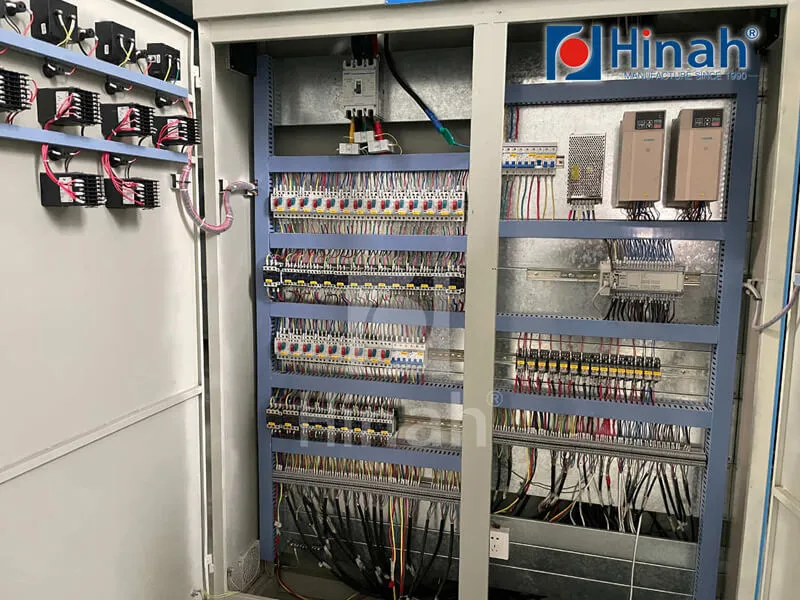
Regular maintenance is vital to keep your conveyor paint line running smoothly. Begin with daily checks: inspect spray nozzles for clogs and clean them to prevent uneven application. Lubricate moving parts, such as conveyor chains, to reduce wear and tear. Monthly, assess the electrical components and sensors for any faults—this can prevent unexpected shutdowns. Also, monitor the paint filtration system; replacing filters on schedule ensures optimal airflow and reduces contamination. For longer-term upkeep, schedule professional inspections annually. Brands like HANNA often offer maintenance packages that include software updates for automated systems. Another tip is to train your team on basic troubleshooting; this empowers them to handle minor issues without delaying production. For instance, a company using a HANNA conveyor paint line reported a 15% increase in uptime after implementing a structured maintenance routine. Remember, proactive care not only extends the life of your conveyor paint line but also maintains quality output.
Technology is revolutionizing conveyor paint lines, making them smarter and more efficient. IoT (Internet of Things) sensors, for example, can monitor paint usage and environmental conditions in real-time, alerting operators to adjustments needed. Automation software allows for precise control over spray patterns, reducing waste and improving consistency. Robotics is another trend—collaborative robots can work alongside human operators in a conveyor paint line, handling repetitive tasks while allowing for customization. Brands like HANNA are at the forefront, incorporating AI-driven analytics to predict maintenance needs and optimize energy consumption. These advancements not only enhance performance but also support data-driven decision-making. As you plan upgrades, consider how these technologies can integrate with your existing conveyor paint line to stay competitive. For example, a recent case study showed that a factory using HANNA's smart conveyor paint line reduced its carbon footprint by 25% through better resource management.
In summary, a conveyor paint line is more than just a piece of equipment—it's a strategic investment that can transform your manufacturing process. By choosing the right type, performing regular maintenance, and leveraging technological advances, you can achieve significant efficiency gains and cost savings. Brands like HANNA offer reliable options that cater to various industries, ensuring you find a fit for your unique needs. As you move forward, focus on continuous improvement; monitor performance metrics and seek feedback from your team to fine-tune operations. Ultimately, a well-managed conveyor paint line will not only improve product quality but also drive long-term growth. Start optimizing today, and watch your productivity soar.
Q1: What is a conveyor paint line, and how does it work?
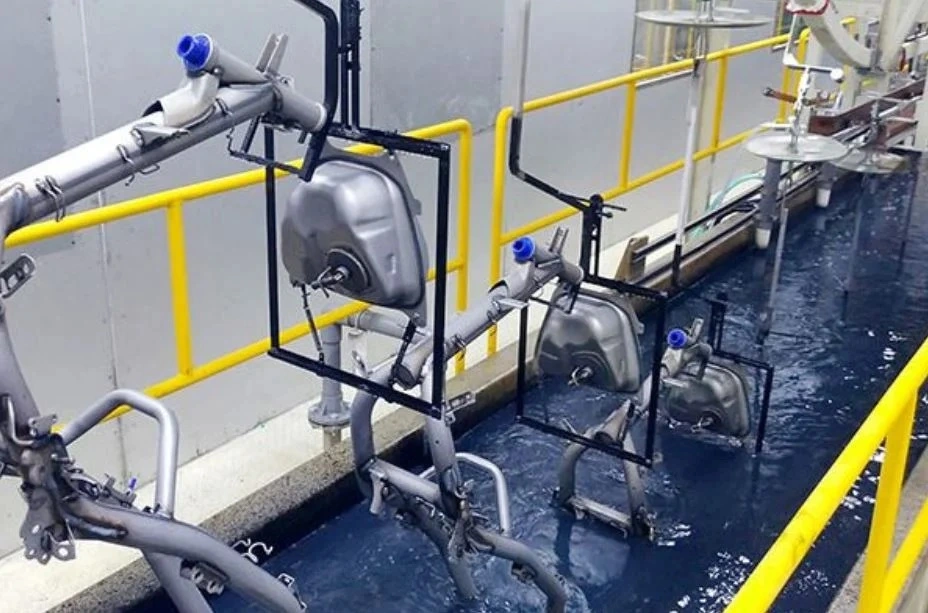
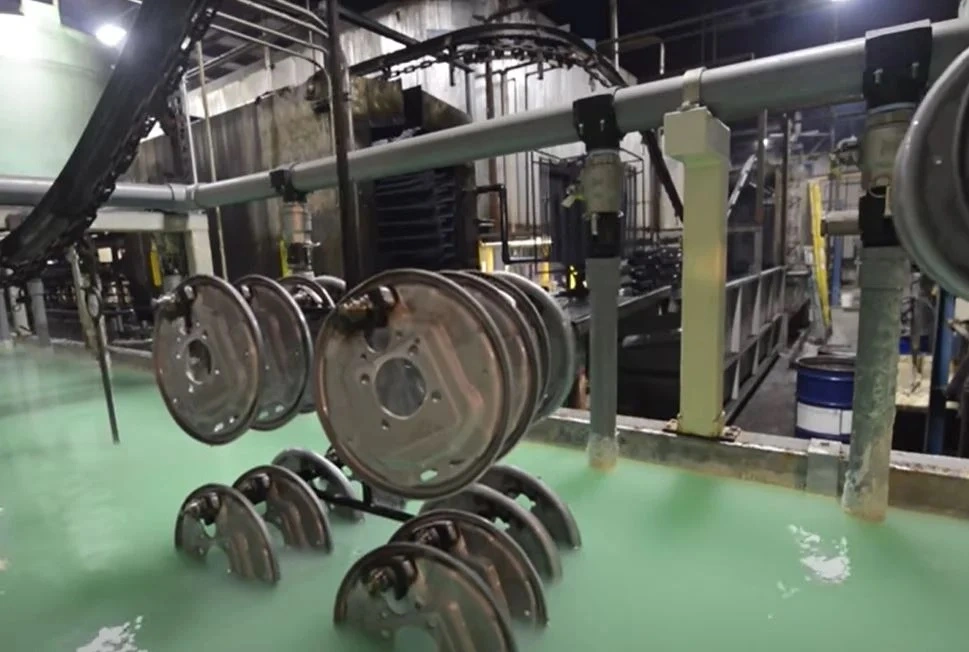
A1: A conveyor paint line is an automated system used in industrial settings to apply paint or coatings to products as they move along a conveyor belt. It typically consists of stages like pre-treatment, spraying, drying, and curing. Products are loaded onto the conveyor, pass through spray booths where paint is applied evenly, and then move through heated zones to dry and cure the coating. This process ensures consistency, speed, and reduced manual labor, making it ideal for high-volume production.
Q2: What are the main advantages of using a conveyor paint line over manual painting?
A2: The key advantages include higher efficiency, as automation speeds up the painting process and reduces labor costs; improved consistency, with uniform application minimizing defects; enhanced safety by containing fumes and reducing worker exposure to chemicals; and better scalability, allowing easy expansion for growing production needs. Additionally, systems like those from HANNA often incorporate energy-saving features, leading to lower operational costs and environmental compliance.
Q3: How do I maintain a conveyor paint line to avoid downtime?
A3: Regular maintenance is crucial. Start with daily tasks like cleaning spray nozzles and lubricating moving parts. Perform monthly inspections of electrical components and filters to prevent clogs and faults. Annually, schedule professional check-ups, especially for complex systems from brands like HANNA, which may require software updates. Training your team on basic troubleshooting can also help address minor issues quickly, reducing the risk of prolonged downtime.
Q4: Can a conveyor paint line handle different types of products and paints?
A4: Yes, most modern conveyor paint lines are designed to be versatile. They can accommodate various product sizes and shapes through adjustable fixtures and conveyor speeds. Similarly, they support different paint types, such as water-based or solvent-based coatings, by integrating compatible spray guns and drying systems. Brands like HANNA often offer customizable options, allowing you to tailor the conveyor paint line to specific materials and production requirements.
Q5: What should I consider when choosing a conveyor paint line for my business?
A5: When selecting a conveyor paint line, consider factors like production volume, product characteristics, budget, and available space. Assess the type of paint you use and any environmental regulations you must meet. Look for features that match your needs, such as automation levels or energy efficiency. It's also wise to test systems through demos—for example, HANNA provides trials to ensure compatibility. Finally, evaluate long-term support and maintenance services to ensure reliable operation.