
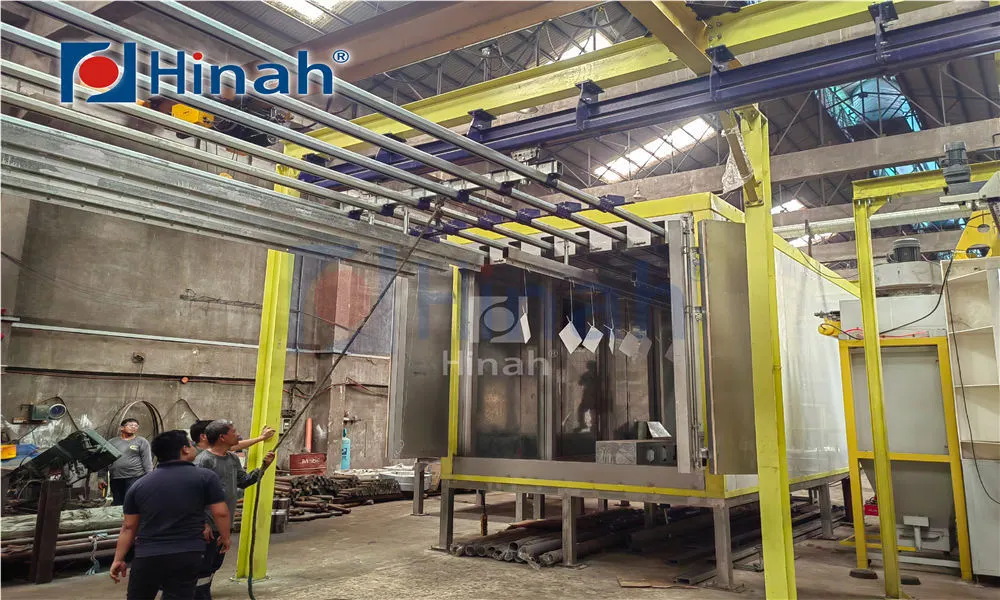
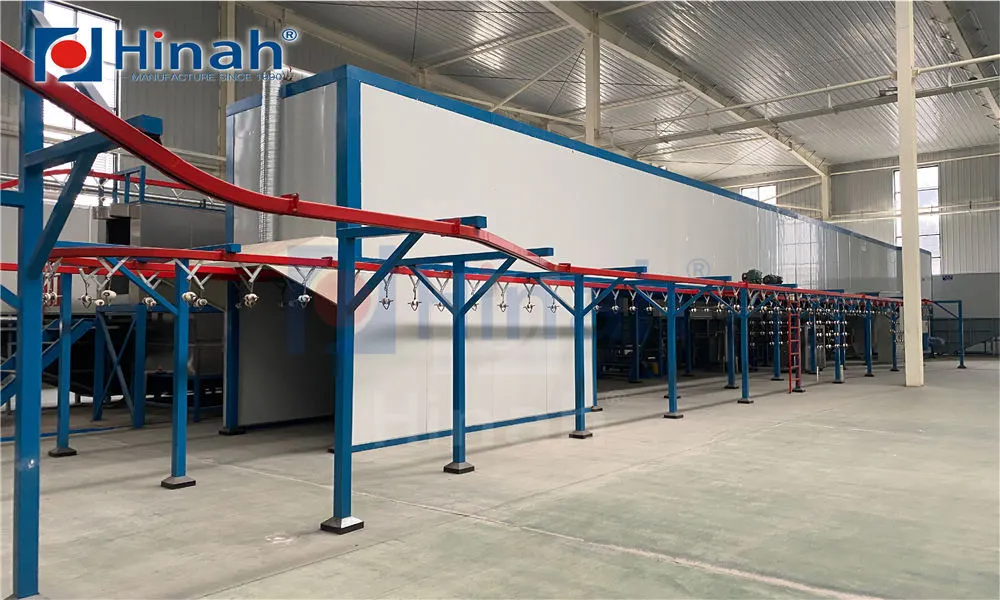
Industrial finishing operations depend on the precision and reliability of their coating systems. The selection of a powder coating plant manufacturer directly influences production throughput, finish consistency, and operational continuity. This article examines the engineering foundations, process parameters, and application-specific configurations that define superior powder coating equipment, offering a framework for evaluating potential suppliers.
A complete powder coating installation integrates multiple subsystems, each contributing to the final coating result. The architecture typically follows a linear flow: substrate preparation, powder application, and thermal curing. Each stage presents distinct engineering requirements.
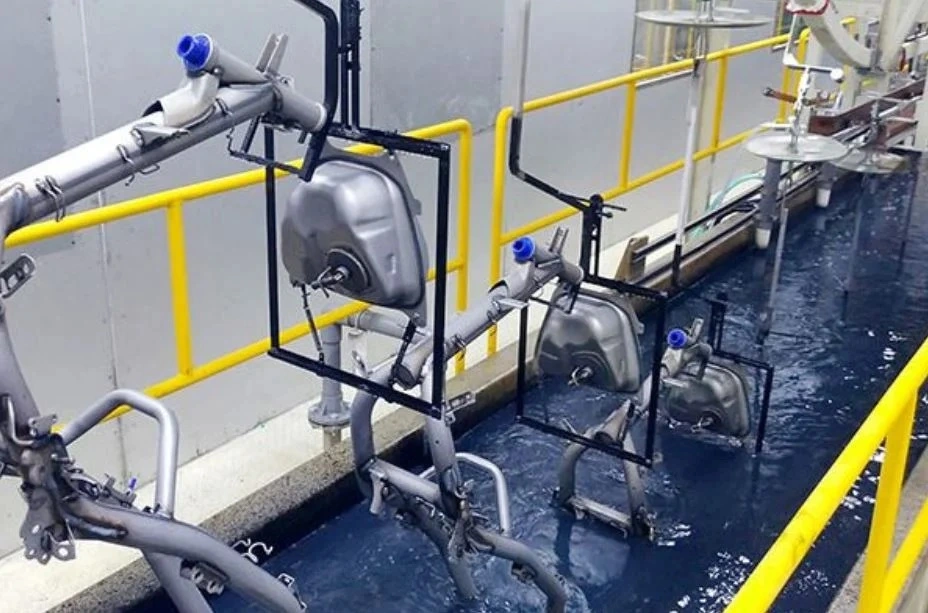
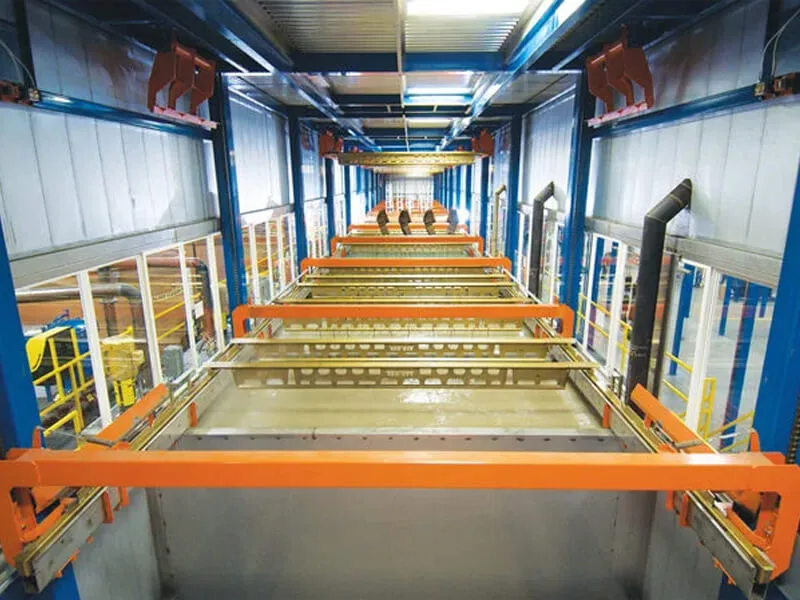
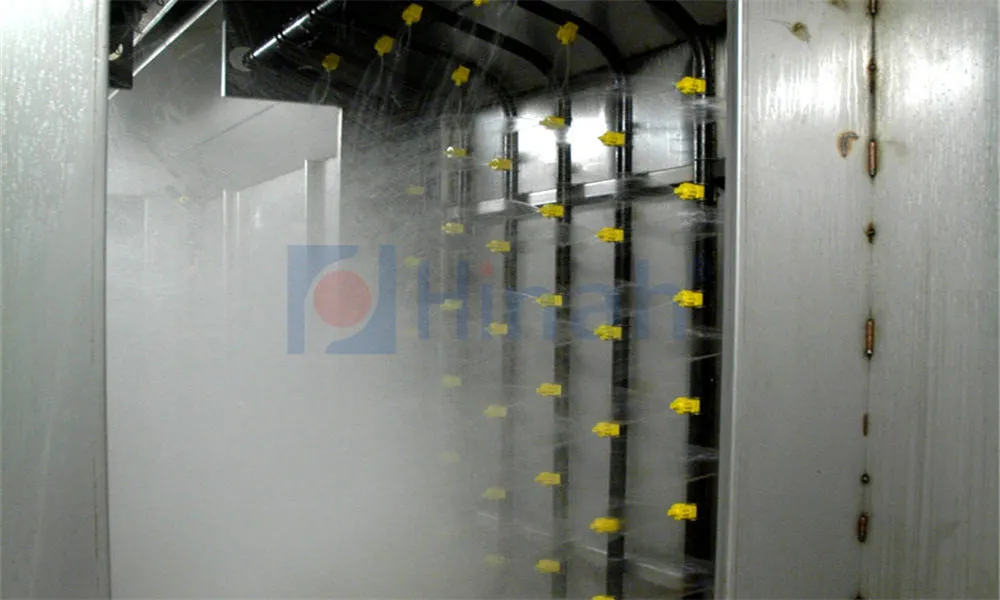
Substrate cleaning and chemical conversion remain foundational to coating adhesion. Equipment in this section includes spray washers, dip tanks, and drying ovens. The pretreatment process removes oils, oxides, and particulates while depositing a conversion coating—typically zinc phosphate or zirconium-based—that enhances corrosion resistance and provides a receptive surface for powder adhesion. Conveyor speed through this zone determines the dwell time for each chemical stage, directly affecting the quality of the final finish.
The application zone houses powder spray booths equipped with electrostatic spray guns. These guns impart a charge to the powder particles, which are then attracted to the grounded workpiece. Key engineering parameters include voltage settings (typically 60–100 kV), amperage control, and atomization air pressure. The booth design incorporates powder recovery cyclones and cartridge filters to reclaim overspray material, minimizing waste and maintaining a clean production environment. A well-designed application system achieves transfer efficiency above 70% under normal production conditions.
Color change capability represents a significant design consideration. Systems with quick-release powder feed hoppers, washable booth interiors, and rapid purge cycles reduce downtime between color batches. Modern plants incorporate automated gun movers and reciprocators to ensure uniform coating thickness across complex part geometries.
After powder deposition, parts travel through a curing oven where the powder melts, flows, and cross-links to form a durable film. Oven types include convection, infrared, and combination designs. Convection ovens use heated air circulation to raise part temperature gradually, while infrared ovens deliver rapid heating suitable for thin-gauge substrates. The oven temperature profile—ramp rate, soak temperature, and cool-down—must match the powder formulation's curing specifications. Conveyor systems, whether overhead monorail or floor-mounted chain, synchronize the entire line, with variable speed drives enabling adjustments for different part sizes and coating requirements.
Coating performance hinges on several controllable process variables. A competent powder coating plant manufacturer designs equipment that provides precise control over these parameters.
Film thickness stands as the primary quality metric. Thickness is governed by powder feed rate, gun voltage, and part grounding. Most industrial specifications call for 60–80 microns, though variations exist for specific applications. Inconsistent thickness leads to coverage gaps or excessive material consumption. Closed-loop control systems that monitor and adjust powder output in real time help maintain target thickness across production runs.
Faraday cage effect presents a common challenge in powder coating. This phenomenon occurs when charged powder particles deposit preferentially on external surfaces, leaving recessed areas undercoated. Manufacturers address this through gun design—using shaped nozzles and lower voltage settings for cavity-rich parts—and by programming multi-axis gun movements that approach the workpiece from multiple angles.
Transfer efficiency measures the percentage of powder that adheres to the part versus material lost to overspray. High transfer efficiency reduces material costs and waste disposal expenses. Factors influencing transfer efficiency include particle size distribution, powder resistivity, gun-to-part distance, and booth airflow management. Advanced systems incorporate booth air balance controls that maintain laminar flow patterns, keeping powder particles suspended and directed toward the parts.
Production environments introduce variability that tests equipment robustness. Experienced powder coating plant manufacturer addresses these challenges through deliberate engineering choices.
Color change frequency remains a primary bottleneck for job-shop operations. Each color change requires cleaning powder feed lines, hoppers, and spray guns, plus purging the booth. Compact booth designs with smooth interior surfaces and minimal horizontal ledges accelerate cleaning. Some systems employ a "clean-in-place" feature that uses compressed air pulses to clear residual powder from feed lines. For high-mix production, manufacturers offer modular hopper systems that can be swapped out in minutes.
Powder recovery and reclamation affects both environmental compliance and operating costs. Cyclone separators remove coarse particles from the exhaust air, while cartridge filters capture fine fractions. The recovered powder can be reintroduced into the feed system, though care must be taken to maintain consistent particle size distribution. Sieve systems integrated into the recovery loop remove agglomerates and contaminants before the powder re-enters the application circuit.
Coating uniformity across complex geometries demands careful attention to part fixturing and gun positioning. Parts with deep cavities, sharp edges, or variable cross-sections require customized racking arrangements and gun movement patterns. Manufacturers with in-house testing capabilities can simulate production conditions to determine optimal settings before equipment delivery.
Line speed and production throughput interact with every other process parameter. Increasing line speed reduces dwell time in pretreatment and curing zones, potentially compromising coating quality. Equipment design must accommodate the target line speed while maintaining sufficient residence time for each process stage. Conveyor drives with precise speed control and oven zoning that provides uniform heating across the full line width help maintain quality at higher throughput rates.
Equipment specifications provide a starting point, but the selection of a powder coating plant manufacturer involves deeper evaluation criteria.
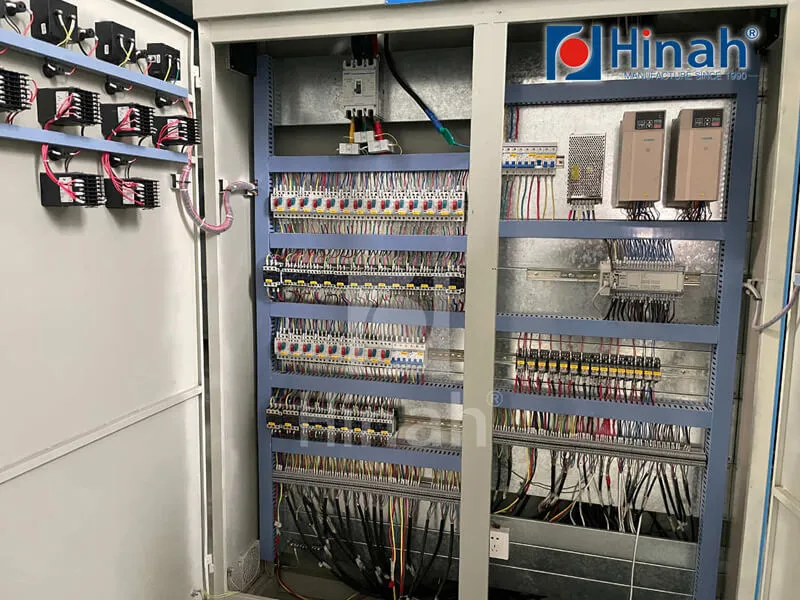
Systems engineering capability distinguishes leading manufacturers. Powder coating plants operate as integrated systems—each component affects the others. A manufacturer that designs pretreatment, application, curing, and conveying as a unified system rather than as standalone components delivers superior overall performance. Integration includes control system architecture, where a single PLC coordinates all line functions and provides centralized monitoring.
Process simulation and testing reduces commissioning risks. Manufacturers with dedicated test facilities can run customer parts through the proposed equipment configuration, measuring coating thickness, adhesion, and appearance before the system ships. This pre-commissioning validation identifies potential issues related to part geometry, powder formulation, or process settings.
After-sales support infrastructure influences long-term system performance. Access to spare parts inventory, remote diagnostics, and field service personnel affects downtime during maintenance or breakdowns. Manufacturers with established regional support networks provide faster response times. HANNA, a recognized name in the finishing equipment sector, maintains a service approach that emphasizes proactive maintenance scheduling and operator training, reducing unplanned interruptions.
Documentation and training impact the operational lifespan of the equipment. Comprehensive manuals covering installation, operation, maintenance, and troubleshooting enable in-house teams to handle routine issues. Structured training programs for operators and maintenance staff reduce human error and extend equipment service life. HANNA provides detailed process documentation alongside its equipment deliveries, ensuring production teams understand the interaction between process variables and coating outcomes.
Different industries impose distinct requirements on powder coating plants.
Automotive parts coating demands high throughput and consistent film build on complex castings and stampings. Parts often include threaded holes, sealing surfaces, and blind cavities that require precise masking and targeted application. Plants serving this sector incorporate automated masking stations and robotic application cells.
Architectural aluminum extrusion coating requires long, linear profiles with uniform coating on all exposed surfaces. Horizontal or vertical orientation of the extrusion through the coating line affects powder application and curing. Vertical lines with top-to-bottom part travel reduce the risk of contamination from falling particles.
General industrial finishing encompasses a wide variety of part sizes and production volumes. Flexibility becomes a priority—the ability to switch between small batch runs and larger production lots. Modular equipment designs that allow for incremental capacity expansion suit this market segment.
Q1: What is the typical lifespan of a powder coating plant?
A1: With proper maintenance, a powder coating plant operates effectively for 15 to
20 years. Key components such as conveyor chains, oven burners, and spray gun
electrodes require periodic replacement, while structural elements and control
systems remain serviceable over the longer term.
Q2: How does part geometry influence powder coating plant
design?
A2: Complex geometries with recessed areas, sharp edges, or
varying cross-sections require specific gun positioning and voltage settings to
achieve uniform coverage. Manufacturers may recommend multi-gun configurations
or robotic application to address these challenges.
Q3: What pretreatment methods are compatible with powder
coating?
A3: Common methods include iron phosphate, zinc phosphate, and
zirconium-based conversion coatings. The choice depends on substrate material,
required corrosion resistance, and environmental regulations. Each method
involves specific chemical concentrations, temperature ranges, and rinse
stages.
Q4: How is powder coating plant performance measured?
A4: Key
performance indicators include transfer efficiency (percentage of powder
adhering to parts), first-pass yield (parts meeting quality standards without
rework), color change time, and overall equipment effectiveness (OEE) measured
across production shifts.
Q5: What powder formulations can a standard plant accommodate?
A5: Most plants handle epoxy, polyester, epoxy-polyester hybrid, polyurethane, and
acrylic powders. Equipment with stainless steel powder contact surfaces and
appropriate temperature controls for curing ovens can process the full range of
thermoset and thermoplastic materials.
Q6: What are the space requirements for a powder coating line?
A6: Space requirements vary with line configuration. A complete line—pretreatment,
drying, spray booth, curing oven, and conveyor loop—typically occupies 500 to
2000 square meters of floor space. Vertical layouts using mezzanines reduce the
footprint for some components.
For specific project requirements, including capacity planning, layout design, or equipment specification, direct inquiries to the engineering team at HANNA through the company website. The applications engineering group provides tailored recommendations based on production targets, part types, and facility constraints.