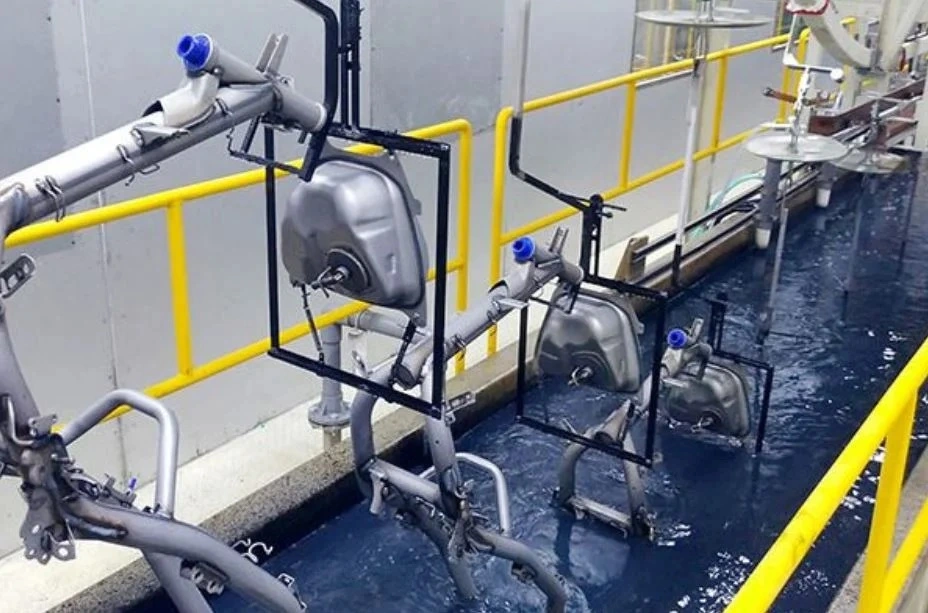
For industrial manufacturers and finishing professionals, the decision to invest in a powder coating system represents a substantial capital expenditure. Understanding the powder coating plant price landscape requires more than just comparing quotes—it demands a thorough examination of production requirements, automation needs, and long-term operational efficiency. This analysis provides a detailed examination of the variables that shape equipment costs, offering decision-makers a practical framework for evaluating their investment.
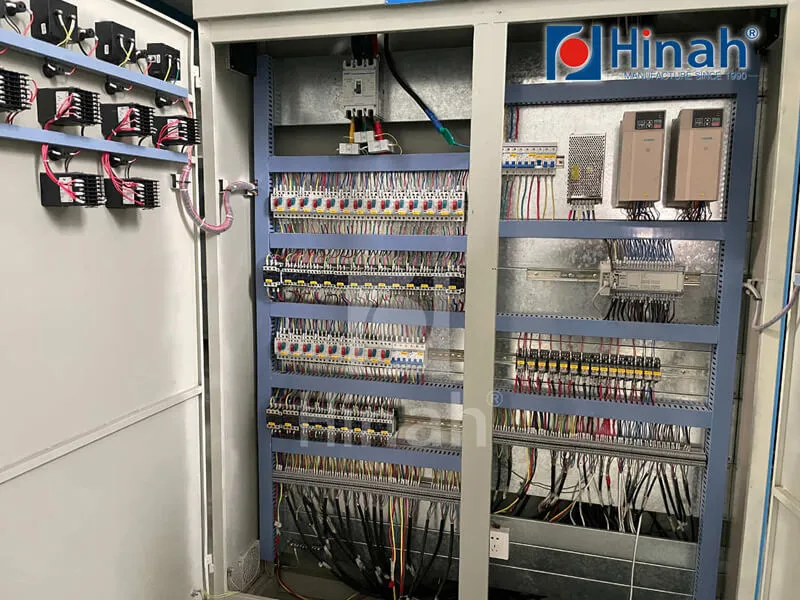
The powder coating plant price varies significantly across manufacturers and configurations. Rather than a single fixed figure, the cost reflects a combination of engineering specifications, material choices, and process requirements. Below are the primary factors that drive pricing differences.
Production volume remains the most influential factor in equipment pricing. A system designed for continuous operation with conveyor speeds exceeding 5 meters per minute requires larger spray booths, more powerful recovery systems, and robust curing ovens. For operations handling high-mix, low-volume production, the engineering focus shifts to quick color-change capabilities and flexible booth designs—each approach carries distinct cost implications. The relationship between throughput and powder coating plant price follows a non-linear curve, meaning that doubling capacity often increases costs by 60–80% rather than 100%, due to economies of scale in component sizing.
Manual powder application systems represent the entry point for many small-scale operations. These setups rely on operator skill for gun positioning and film thickness control, reducing initial equipment costs but increasing labor dependency. Semi-automated lines incorporate reciprocators and basic PLC controls, offering consistent coverage for repetitive geometries. Fully automated plants feature robotic application, real-time film thickness monitoring, and adaptive process control—these systems command premium pricing but deliver significant labor savings and material efficiency. The automation tier selected directly affects the powder coating plant price, with robotic systems typically adding 40–60% to the base equipment cost compared to manual equivalents.
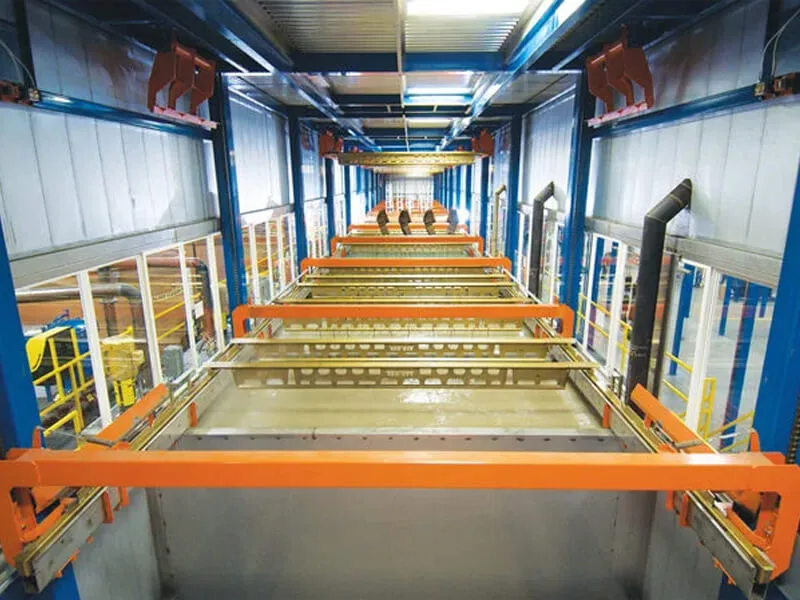
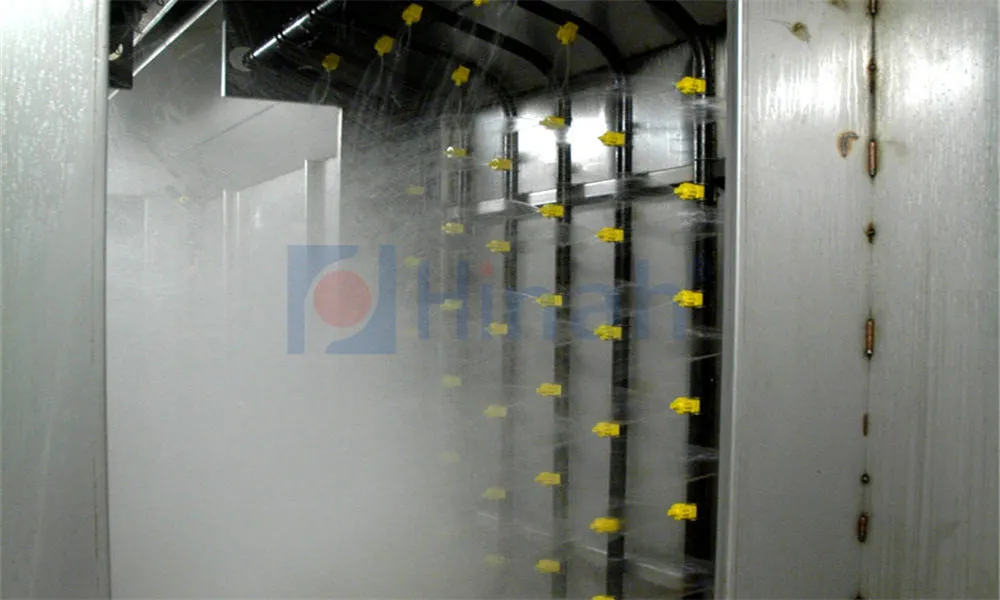
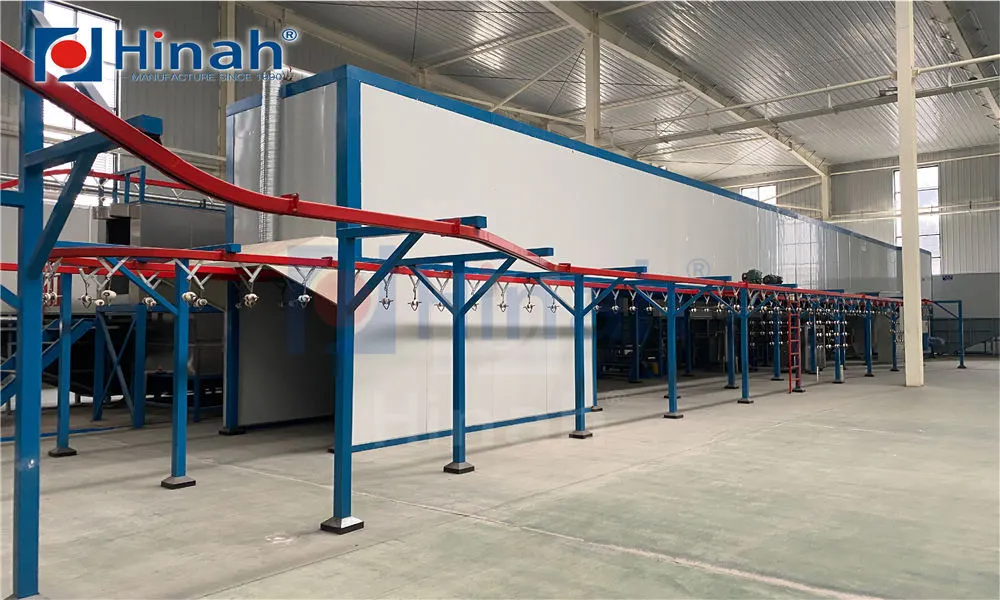
Surface preparation equipment and curing ovens together account for a substantial portion of total system expenditure. Pretreatment sections range from simple manual wash stations to fully automated multi-stage spray washers with chemical monitoring and temperature control. The choice between gas-fired, electric, or infrared curing ovens introduces further cost variables—gas-fired systems have higher initial installation costs but lower operating expenses in regions with affordable natural gas. Oven dimensions, insulation quality, and air circulation design all influence the final equipment price. For high-production facilities, the integration of heat recovery systems adds upfront cost but reduces long-term energy consumption.
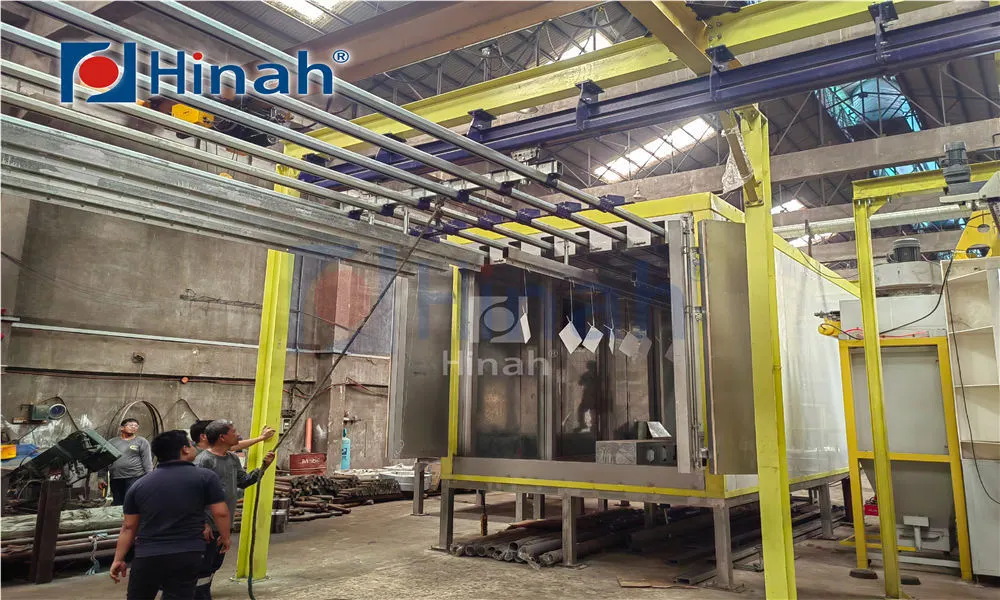
Regulatory requirements for volatile organic compound (VOC) emissions and particulate matter have become increasingly stringent across industrial regions. Powder coating systems inherently produce negligible VOCs, but they generate overspray powder that must be captured and filtered. High-efficiency cartridge filters, cyclone separators, and post-filtration stages add to equipment costs. Systems designed to meet European ATEX directives or US EPA standards include additional safety and monitoring features. While these compliance components increase the powder coating plant price, they protect operators from regulatory penalties and position the facility for long-term operation without retrofitting costs.
Understanding typical price brackets helps manufacturers benchmark their investment expectations. While exact figures depend on the variables above, industry data indicates the following approximate ranges for complete powder coating systems:
Entry-level manual lines: Basic systems with manual spray guns, a single-booth design, and batch curing ovens. Suitable for low-volume production, job shops, and prototype work. Price range typically reflects the simplest configurations with minimal automation.
Mid-range semi-automated lines: Systems incorporating reciprocators, conveyor transport, multi-stage pretreatment, and continuous curing ovens. Designed for steady production volumes with moderate color-change frequency. This segment represents the majority of industrial powder coating installations.
High-capacity automated lines: Fully robotic application, integrated process controls, high-speed conveyor systems, and large-scale curing ovens. Engineered for 24/7 operation in high-volume manufacturing environments. These systems command the highest investment but deliver the lowest per-part coating costs.
It is important to recognize that these ranges serve as general indicators. The final powder coating plant price for any specific project depends on site-specific engineering requirements, material handling integration, and auxiliary equipment such as compressed air systems and powder feed units.
Prudent manufacturers evaluate equipment investments using a comprehensive framework that extends beyond the purchase price. The following operational factors influence the financial performance of a powder coating installation and should be weighed alongside the initial capital outlay.
Curing ovens and compressed air systems represent the largest ongoing energy demands in powder coating operations. Ovens with advanced insulation, modulating burners, and optimized airflow designs reduce natural gas or electricity consumption. Variable-frequency drives on conveyor motors and exhaust fans contribute additional savings. When comparing equipment proposals, manufacturers should request estimated energy consumption data and calculate projected utility costs over a five-year horizon. A system with higher initial pricing but lower energy demand often proves more economical over its service life.
Powder material accounts for a significant portion of operating expenses. Systems with high first-pass transfer efficiency—the percentage of sprayed powder that adheres to the workpiece—reduce material waste and lower per-part coating costs. Advanced gun technologies, optimized booth airflow, and precise powder feed control all contribute to transfer efficiency improvements. Recovery systems that reclaim overspray powder for reuse further enhance material utilization. Manufacturers should request transfer efficiency data from equipment suppliers and consider the material savings potential when evaluating price differences.
Equipment reliability and serviceability directly affect production uptime. Systems designed with accessible components, standardized parts, and clear maintenance protocols reduce downtime and repair costs. Suppliers with established service networks and local spare parts inventory provide operational advantages. The availability of technical support and training programs also influences the long-term value proposition. HANNA offers comprehensive support packages that include installation supervision, operator training, and preventive maintenance scheduling—services that help customers maximize system performance and minimize unexpected interruptions.
For operations handling multiple colors or frequent product changeovers, the time and material lost during color changes become critical cost factors. Systems with rapid color-change technology—featuring quick-release powder feed hoses, efficient booth cleaning mechanisms, and dedicated powder recovery circuits—reduce transition times. While these features increase equipment costs, they enable shorter production runs and greater scheduling flexibility. Manufacturers should analyze their color-change frequency and batch size patterns to determine the appropriate level of flexibility for their operations.
Receiving multiple equipment quotes is standard practice, but comparing them effectively requires a structured approach. The following checklist helps manufacturers conduct meaningful evaluations:
Scope definition: Verify that each quote includes the same scope of supply—pretreatment, application, curing, conveyor, and controls. Exclusions such as installation, commissioning, or training can create significant price differences.
Component specifications: Compare the quality and origin of critical components such as spray guns, pumps, drives, and sensors. Premium brands often command higher prices but deliver superior reliability and performance.
Performance guarantees: Request documented performance metrics including transfer efficiency, production throughput, and energy consumption. Suppliers confident in their equipment provide measurable guarantees.
Installation and lead times: Factor in installation costs, site preparation requirements, and delivery schedules. A lower-priced system with extended lead times may delay production startup and impact revenue generation.
Warranty and after-sales support: Examine warranty terms, coverage duration, and response times for service requests. Comprehensive warranties and responsive support reduce operational risks.
HANNA provides detailed proposals that break down equipment costs, installation requirements, and performance projections—enabling customers to conduct thorough comparisons and select the optimal system for their production environment.
Standardized equipment configurations serve many applications, but unique production requirements often necessitate custom engineering. Products with unusual geometries, strict coating specifications, or space constraints demand tailored solutions. Customization may involve modified booth dimensions, specialized conveyor layouts, or integration with existing production lines. The engineering effort associated with these adaptations increases the powder coating plant price but ensures the system meets specific operational needs.
Manufacturers should clearly define their production parameters, product mix, and future growth projections before engaging suppliers. This preparation allows equipment providers to propose solutions that balance performance and cost effectively. Systems designed with modular architectures offer the advantage of future expansion without wholesale replacement—a consideration that adds value beyond the initial purchase.
Q1: What is the typical price range for a powder coating plant?
A1: Prices vary widely based on system capacity and automation level. Entry-level manual lines start in the lower range, while high-capacity automated systems with robotic application and integrated controls can reach significantly higher figures. The exact price depends on production volume, workpiece size, and specific engineering requirements.
Q2: How does automation level affect the powder coating plant price?
A2: Automation has a direct impact on equipment costs. Manual systems have lower initial pricing but higher ongoing labor expenses. Semi-automated lines with reciprocators offer a balanced approach. Fully robotic systems represent the highest investment tier but deliver superior material efficiency, consistent quality, and reduced labor dependency over time.
Q3: What additional costs should be considered beyond the equipment price?
A3: Installation, commissioning, and operator training represent significant upfront expenses. Ongoing costs include energy consumption, powder material, maintenance, and spare parts. Manufacturers should evaluate these operational expenditures alongside the initial equipment investment to determine the true financial commitment.
Q4: Can a powder coating plant be upgraded later to increase capacity?
A4: Yes, many systems incorporate modular designs that facilitate future upgrades. Common improvements include adding spray guns, expanding oven capacity, or integrating advanced controls. Manufacturers should discuss upgrade pathways with suppliers to ensure the initial system supports planned growth without requiring complete replacement.
Q5: How long does it take to recoup the investment in a powder coating plant?
A5: The payback period depends on production volume, labor savings, material efficiency gains, and quality improvements. Facilities with consistent high-volume output typically achieve shorter payback periods. A detailed financial analysis comparing in-house coating costs against outsourcing expenses provides the most accurate projection for specific operations.
Q6: What factors contribute to the price difference between suppliers for similar systems?
A6: Differences in component quality, engineering expertise, manufacturing location, and after-sales support contribute to price variations. Suppliers with extensive industry experience, established reputations, and comprehensive service networks often command premium pricing. Evaluating the complete value proposition—not just the purchase price—ensures informed decision-making.
Every powder coating installation presents unique challenges and opportunities. The optimal system design balances production targets, budget constraints, and operational goals. HANNA specializes in engineered powder coating solutions that address specific manufacturing needs—from manual batch systems to fully automated high-speed lines.
Our engineering team evaluates workpiece specifications, production schedules, and facility layouts to propose equipment configurations that deliver measurable performance advantages. We provide detailed cost projections, energy consumption estimates, and installation timelines to support comprehensive investment planning.
To receive a tailored powder coating plant price proposal for your project, please share your production requirements with our technical specialists. We offer confidential consultations to assess your needs and develop solutions that enhance your finishing operations.
For detailed inquiries and project evaluations, contact our engineering team through the HANNA website.