
In industrial surface finishing, the powder coating plant serves as the central nervous system of production. It determines throughput, first-pass yield, and the consistency of film build across millions of components. A well-configured powder coating plant does not simply apply paint; it manages electrostatic attraction, powder recovery, curing profiles, and conveyor synchronization as a single integrated process. This article examines the engineering layers that separate high-performance lines from obsolete installations, drawing on operational data and material science principles. The focus remains on measurable outcomes: rejection rate reduction, energy efficiency per square meter, and color-change agility.
A production-scale powder coating plant comprises four interdependent zones. Each zone imposes specific demands on air handling, thermal management, and material flow. Deficiencies in any single zone cascade into the entire line, often manifesting as orange peel, poor edge coverage, or excessive overspray.
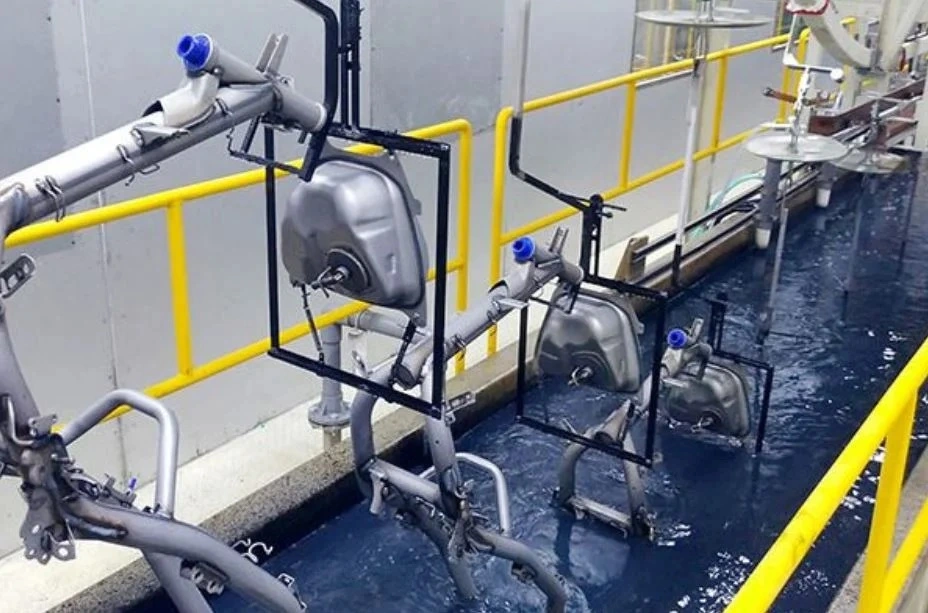
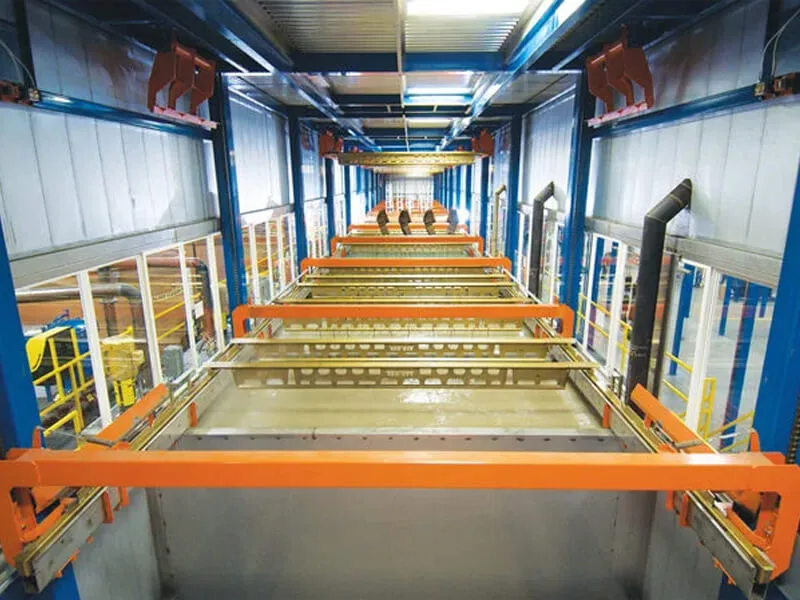
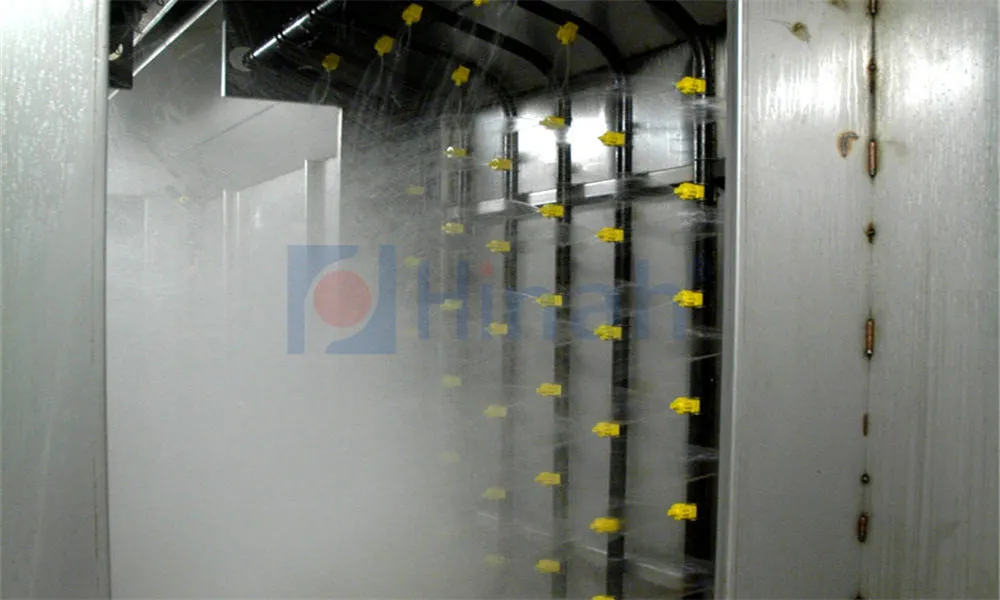
Before powder contacts the substrate, the surface must be chemically and mechanically optimized. This stage typically includes alkaline cleaning, rinsing, and conversion coating (zirconium or trivalent chromium alternatives). For ferrous substrates, a nano-ceramic layer improves adhesion while reducing water consumption. The pre-treatment tunnel length, spray nozzle arrangement, and dwell time directly influence the subsequent powder flow. A common oversight in existing plants is the neglect of water quality—conductivity above 50 µS/cm often leads to pinholes after curing. Real-time conductivity monitoring and automated chemical dosing are now standard in well-engineered lines. The drying oven following pre-treatment must achieve a workpiece temperature of 110–120°C before entering the spray booth, ensuring moisture evacuation from recessed areas.
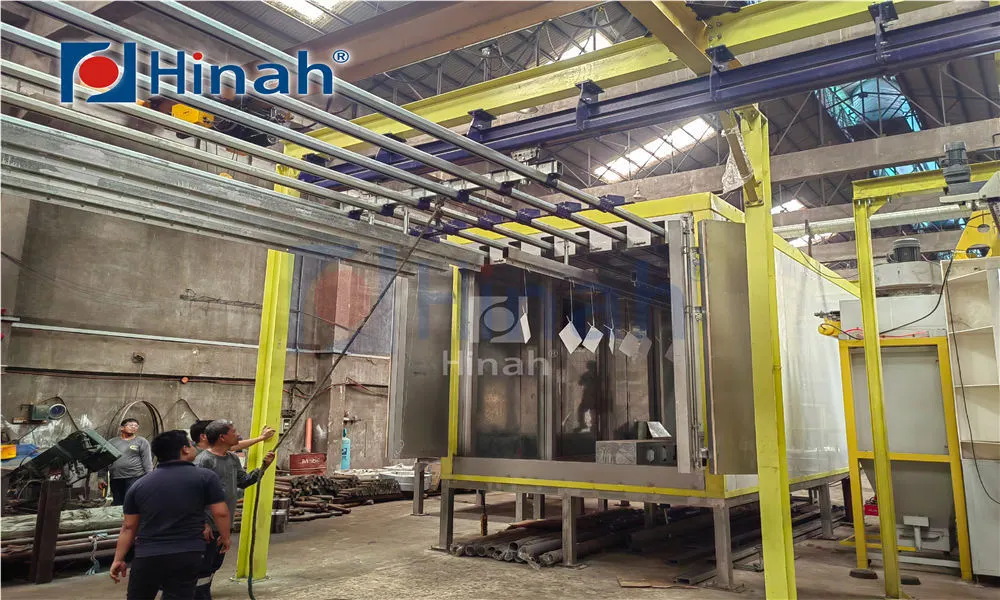
The spray booth is where electrostatic physics meets pneumatic conveyance. Corona or tribo charging guns propel powder particles at 20–30 m/s, while the workpiece remains grounded. The booth's airflow pattern—typically a downdraft or cross-draft configuration—captures overspray and conveys it to the cyclone or filter cartridge recovery system. Recovery efficiency above 98% is achievable with multi-cyclone separators, though cartridge filters offer finer particle retention for critical applications. The booth material, whether stainless steel or polypropylene, affects powder adherence to walls and color-change speed. Quick-color-change booths employ smooth surfaces and optimized air purge sequences, reducing downtime between batches from 45 minutes to under 12 minutes. Powder feed centers with fluidized hoppers maintain consistent density, preventing surging that causes uneven film thickness.
Thermal energy transforms thermoset powder from a solid into a liquid film, then into a cross-linked polymer network. The curing oven must deliver a precise time-temperature recipe—typically 190°C for 12 minutes at metal temperature for polyester-epoxy hybrids. Convection ovens with gas-fired burners remain prevalent, though infrared (IR) pre-heat zones accelerate gelation for thick-section parts. The challenge lies in thermal uniformity: temperature variance across the oven chamber should not exceed ±5°C. Data loggers placed on fixtures provide actual part temperature curves, revealing cold spots near loading doors. Modern powder coating plant designs incorporate zoned burner control and variable-speed fans to maintain consistent thermal profiles even with fluctuating part mass. Insulation thickness, air seal integrity, and exhaust heat recovery directly affect operating expenses—each 10°C reduction in exhaust temperature cuts fuel consumption by approximately 6%.
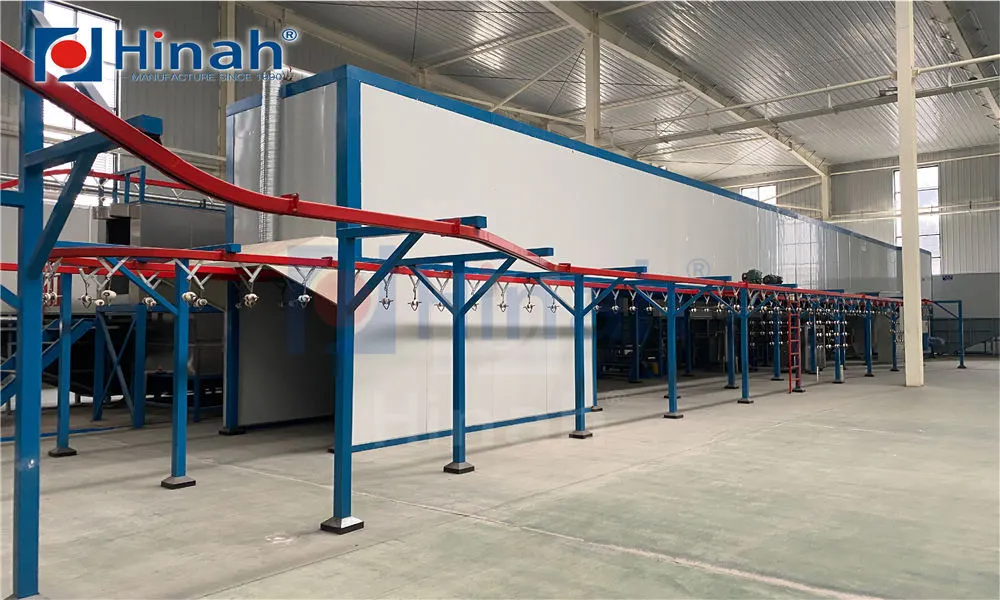
The conveyor acts as the pacing element of the entire line. Overhead monorail or power-and-free conveyors carry workpieces through pre-treatment, drying, spray, and curing zones at speeds ranging from 2 to 8 m/min. Indexing conveyor designs allow for batch processing of heavy items, while continuous chains suit high-volume automotive parts. The conveyor's hanger design must accommodate part geometry and grounding continuity—poor electrical contact between hanger and workpiece results in Faraday cage issues in recessed areas. Automatic hanger cleaning stations, using brush or thermal stripping, maintain consistent grounding resistance below 1 MΩ. Conveyor speed modulation linked to oven load sensors ensures that each part receives equivalent cure energy, irrespective of line occupancy.
Experienced production managers recognize that a powder coating plant faces recurring challenges that erode profitability. These issues are not solved by simple component upgrades but require a systemic view of the finishing line.
Inconsistent film thickness arises from multiple variables: powder output fluctuation, gun-to-workpiece distance variation, and air pressure instability. Closed-loop feedback systems that measure deposited film thickness in real-time and adjust powder feed accordingly are becoming standard in high-end lines. These systems use optical or capacitive sensors positioned after the spray booth, providing correction signals within 200 milliseconds.
Color change downtime represents a significant productivity leak. Each color change demands purging of powder hoses, cleaning of the booth, and replacement of recovery filters. A modular booth design with removable floors and quick-release hose couplings reduces changeover time from 30 minutes to under 8 minutes. The recovery system's filter media must be selected for easy cleaning—some plants employ a secondary "dump" cyclone that isolates the previous color's powder, preventing cross-contamination during the purge cycle.
Faraday cage penetration affects parts with deep recesses, such as heat sinks or automotive wheels. Adjusting gun positioning, using multi-angle reciprocators, and applying lower kV settings (55–65 kV) improve powder penetration. Some installations add secondary guns with deflector nozzles to direct powder into shadow areas. The powder formulation itself plays a role: finer particle size distributions (15–25 µm) exhibit better wrap-around characteristics compared to coarser grinds.
Powder waste and reclaim inefficiency directly impact material cost. Cyclone separators with secondary filtration stages recover up to 99% of overspray, but the reclaimed powder must be blended with virgin material at controlled ratios (typically 70:30) to maintain gloss and flow. Sieving systems with 200-mesh screens remove agglomerates and contaminants from reclaimed powder. Automated sieve cleaning mechanisms prevent blinding and ensure consistent mesh permeability.
Different industries impose distinct requirements on the powder coating plant. The architectural aluminum sector prioritizes weatherability and gloss retention, demanding polyurethane or polyvinylidene fluoride (PVDF) powder formulations. These materials require longer curing cycles and stricter oven temperature uniformity to avoid under-cure that leads to chalking. The line configuration often includes multiple curing zones with independent temperature controls, allowing for gradual heating that prevents blistering in thick extrusions.
In the automotive component segment, the focus shifts to chip resistance and corrosion protection. Primer and topcoat powder applications are common, requiring two spray booths in sequence with intermediate curing. The base coating must reach a specific cross-link density before the clear coat application to avoid interlayer adhesion failure. Automated film thickness gauging stations at each stage allow for real-time adjustment, ensuring that total thickness stays within the 80–120 µm specification. The conveyor system in automotive lines often includes an indexing feature that stops parts momentarily in front of fixed guns, guaranteeing coverage on complex geometries such as wheel rims with multiple spokes.
General industrial finishing—encompassing shelving, lighting fixtures, and machinery enclosures—demands flexibility in part size and color variety. A powder coating plant serving this sector benefits from a batch-style booth that can accommodate parts up to 2.5 meters in length while maintaining efficient powder circulation. The pre-treatment system should handle both ferrous and non-ferrous substrates without chemical changeover, using multi-stage washer with adjustable temperature and concentration settings. This versatility allows the line to switch between steel and aluminum parts within the same shift, reducing idle time.
For high-volume automotive wheels, a dedicated wheel line might feature vertical reciprocators with six to eight guns per station, achieving cycle times under 90 seconds per wheel. The curing oven for wheels often incorporates a combination of IR and convection heating, with the IR zone pre-gelling the powder to prevent sagging on curved surfaces. Conveyor speed in these high-output lines is synchronized with wheel diameter, ensuring that each wheel spends exactly the required time in each zone, irrespective of variations in line loading.
Operational excellence in a powder coating plant hinges on continuous monitoring of key parameters. First-pass yield (FPY) serves as the primary indicator—values below 92% warrant investigation into gun settings, grounding, or powder feed consistency. Film thickness standard deviation, measured across multiple points on test panels, should remain within ±5 µm for a setpoint of 60 µm. A drifting mean thickness often signals changes in powder density or air supply pressure; automated densitometers on the feed hopper provide early warnings.
Energy consumption per square meter of coated surface provides another critical metric. Modern lines achieve 2.5–3.2 kWh/m², with the curing oven accounting for nearly 60% of total energy use. Heat recovery from oven exhaust can pre-heat combustion air or supply warmth to the drying oven, reducing overall consumption by 15–20%. Variable-frequency drives on all blowers and fans trim electrical usage during partial line loading, preventing wasteful constant-speed operation.
Maintenance intervals should be defined based on powder throughput rather than calendar days. For example, filter cartridges in the recovery system require replacement after every 500 hours of operation or when the differential pressure exceeds 800 Pa. Predictive maintenance using vibration analysis on fans and conveyor bearings identifies wear patterns before they lead to unscheduled downtime. HANNA integrates these predictive diagnostics into their line control software, providing operators with actionable alerts.
Color change effectiveness can be quantified by the number of rejected parts following a batch switch—a well-designed line maintains reject rates below 0.5% during the first five minutes of production after a color change. This metric directly reflects the booth's purge efficiency and the powder feed system's ability to stabilize quickly. Automated flush cycles that clean powder hoses with compressed air and a small quantity of virgin powder ensure rapid color purity restoration.
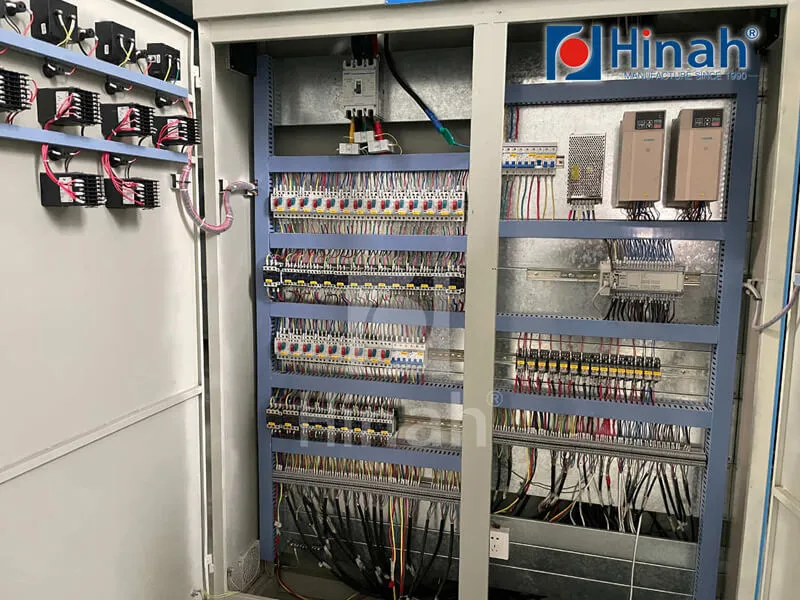
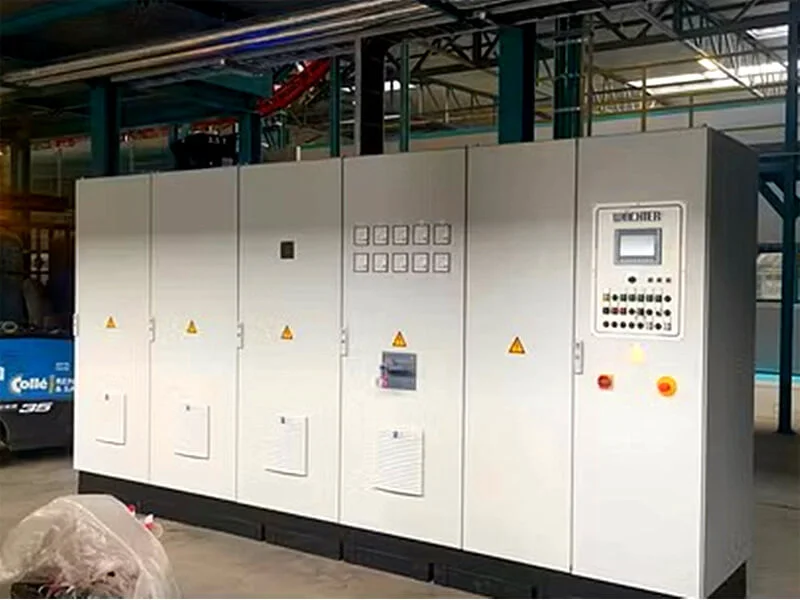
Contemporary powder coating plant designs incorporate supervisory control and data acquisition (SCADA) platforms that unify all subsystems. This integration enables recipe-based operation: a single operator can select a part number, and the system automatically adjusts conveyor speed, gun parameters, oven temperature setpoints, and pre-treatment chemical concentrations. The recipe database stores hundreds of profiles, each validated through initial sample runs. Production logs record every parameter change and any deviations, creating a comprehensive traceability trail for quality audits.
Interfacing with enterprise resource planning (ERP) systems permits real-time production scheduling based on order priority and available color inventory. The SCADA system calculates the optimal sequence of part sizes and colors to minimize changeover frequency, a process known as "family grouping." This algorithmic approach can increase overall equipment effectiveness (OEE) by 8–12% compared to manual scheduling. The system also monitors powder consumption against theoretical usage, flagging discrepancies that might indicate leaks or inaccurate feed rates.
Remote access capabilities allow support teams to diagnose issues without physical presence, reducing mean time to repair (MTTR) for complex faults. Security protocols ensure that remote connections are encrypted and authenticated, preventing unauthorized changes to production parameters. HANNA provides this digital infrastructure as an integrated component of their line offerings, enabling customers to monitor multiple finishing lines from a central operations center.
The powder coating plant does not operate in isolation—its input and output streams must align with upstream fabrication and downstream assembly. A buffer zone between pre-treatment and spray application allows for visual inspection of washed parts, preventing powder application on poorly cleaned surfaces. Similarly, a cooling tunnel after the curing oven ensures parts are handleable for subsequent packing or assembly operations. The conveyor's return loop should be designed with sufficient length to allow for hanger stripping and maintenance without impeding production flow.
Powder storage and conditioning deserve careful attention. Powder boxes or bulk bags must be stored in climate-controlled areas at 20–25°C and below 60% relative humidity to prevent clumping. Fluidized hoppers in the feed center should maintain the powder at a consistent temperature, as variations affect flowability and electrostatic charging. Some plants employ a powder preconditioning room that circulates conditioned air through storage bins, ensuring that the powder entering the feed hoppers has uniform moisture content. This practice reduces variability in film thickness and gloss, particularly in tropical or high-humidity environments.
The integration of automatic part identification using barcode or RFID tags enables closed-loop quality control. Each part carrier's tag stores data on previous coating parameters, allowing the line to recall the appropriate recipe when a part returns for rework. This traceability extends to the final quality inspection station, where measured film thickness and appearance data are associated with the specific part ID, facilitating root cause analysis if defects emerge during customer use.
Q1: What is the typical throughput range for a medium-sized powder
coating plant?
A1: A medium-scale line with a conveyor speed of 4
m/min and part spacing of 0.8 meters processes approximately 300 parts per hour,
assuming an average part length of 0.6 meters. Throughput depends on part
geometry and coating requirements—flat panels run faster than complex castings
that require additional gun passes. The line's design capacity should be
specified with a 20% buffer to accommodate maintenance and color changes.
Q2: How does the choice of powder chemistry affect the plant's
operational parameters?
A2: Powder chemistry directly dictates
curing temperature and time, reclaimability, and film hardness. Polyester-epoxy
hybrids cure at lower temperatures (160–180°C) and suit indoor applications,
while pure polyesters require higher temperatures (190–210°C) for exterior
weatherability. The plant's oven capability, conveyor speed, and powder feed
system must match the selected chemistry—switching from hybrid to polyester may
require slowing the conveyor to achieve full cure.
Q3: What are the common causes of powder adhesion failure on aluminum
substrates?
A3: Adhesion failure on aluminum typically traces to
inadequate pre-treatment—specifically, incomplete removal of oxide layers or
insufficient conversion coating thickness. The alkaline cleaner concentration,
dwell time, and rinse water conductivity must be verified. Additionally, the
drying oven temperature before the spray booth should be controlled; if the part
exceeds 50°C, the powder may melt prematurely, reducing electrostatic attraction
and resulting in poor adhesion.
Q4: Can a powder coating plant handle both small-batch and
high-volume production efficiently?
A4: Yes, with a modular design
featuring a quick-color-change booth and a flexible conveyor routing system. The
line should include a bypass track that allows some parts to be diverted for
rework or testing without stopping the main flow. For small batches, the powder
feed system should support manual gun operation, while high-volume runs utilize
automated reciprocators. The control system must allow rapid switching between
automatic and manual modes to accommodate mixed production demands.
Q5: What maintenance procedures are essential for sustaining powder
coating plant performance?
A5: Daily checks include gun electrode
cleaning, pressure settings verification, and booth filter differential pressure
monitoring. Weekly procedures cover cyclone and cartridge filter inspection,
conveyor chain lubrication, and grounding resistance tests on hangers. Monthly
activities include oven thermocouple calibration, blower bearing vibration
analysis, and powder feed hose integrity checks. A documented maintenance
schedule with performance trending prevents unexpected failures and maintains
first-pass yield above 93%.
For detailed engineering specifications, layout diagrams, or a tailored proposal for your production requirements, please submit your inquiry. HANNA offers comprehensive support from initial concept to commissioning, ensuring your powder coating line delivers consistent quality and operational efficiency. Contact our engineering team to discuss your specific application parameters and production targets.