
In the high-stakes world of industrial finishing, the transition from manual to automatic powder coating line technology represents a quantum leap in consistency, throughput, and profitability. Yet, a truly optimised automatic line is far more than a collection of robots and conveyor belts—it is a precisely orchestrated system where pretreatment chemistry, powder delivery, curing thermodynamics, and control logic converge. This guide dissects the engineering principles, common pitfalls, and cutting-edge innovations that define modern automatic powder coating line performance, helping you make data-backed decisions for your facility.
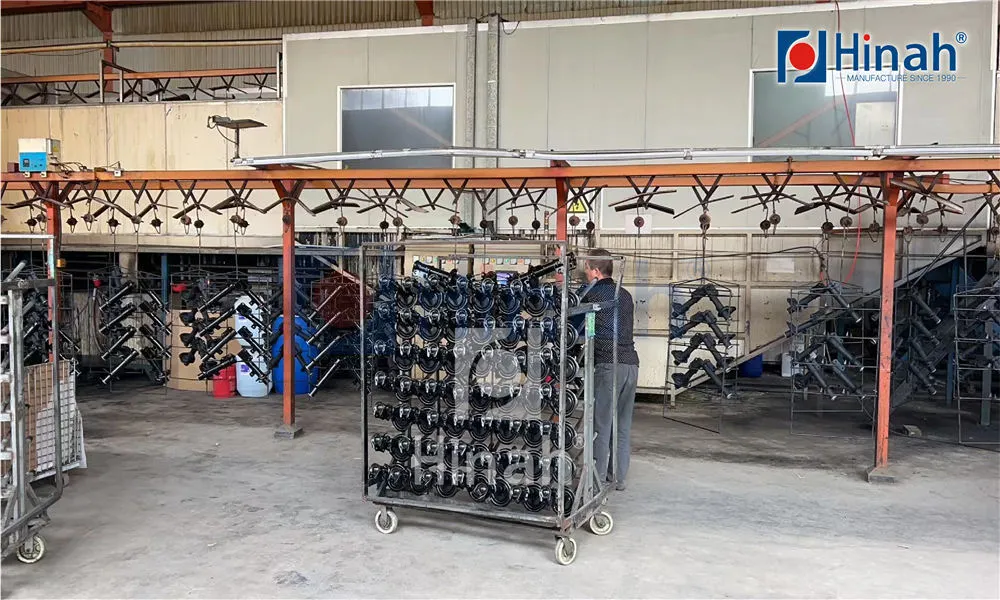
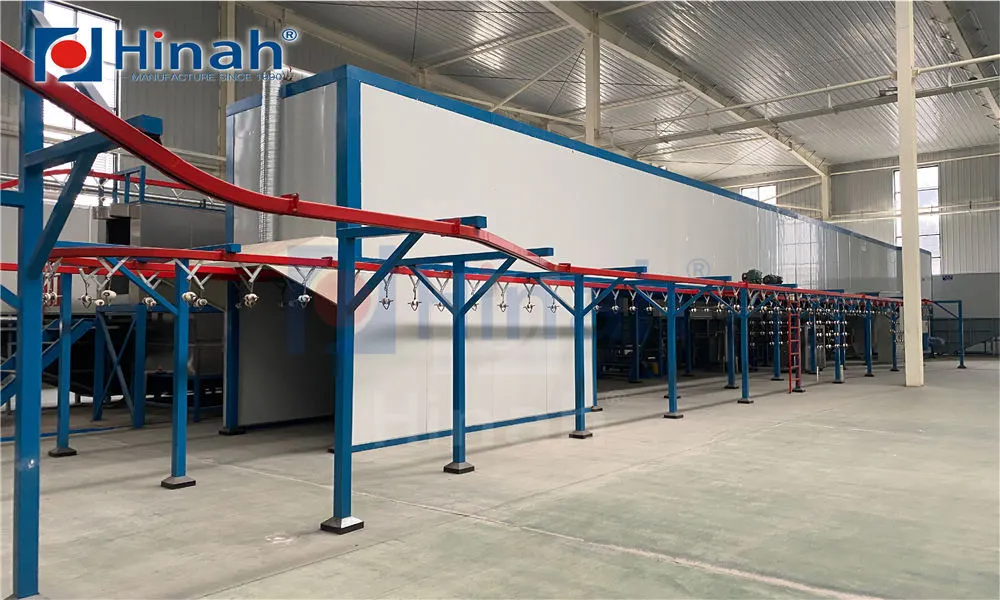
An automatic powder coating line is a fully integrated finishing system that moves parts through sequential stages—pretreatment, drying, powder application, curing, and cooling—with minimal manual intervention. Unlike batch or manual lines, automation ensures repeatable gun-to-part distances, consistent conveyor speeds, and tightly controlled curing profiles. This not only eliminates operator-dependent variability but also enables high-volume production of complex geometries with near-zero defects. The core of any such line is its ability to synchronise material handling (typically an overhead conveyor) with the powder delivery and recovery systems.
Understanding the individual modules and their interactions is essential for troubleshooting and optimisation.
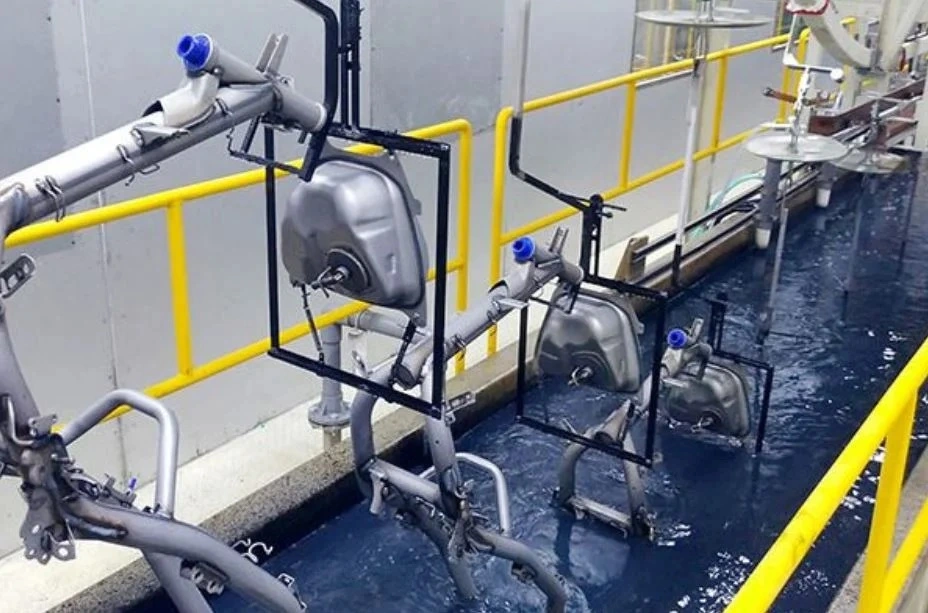
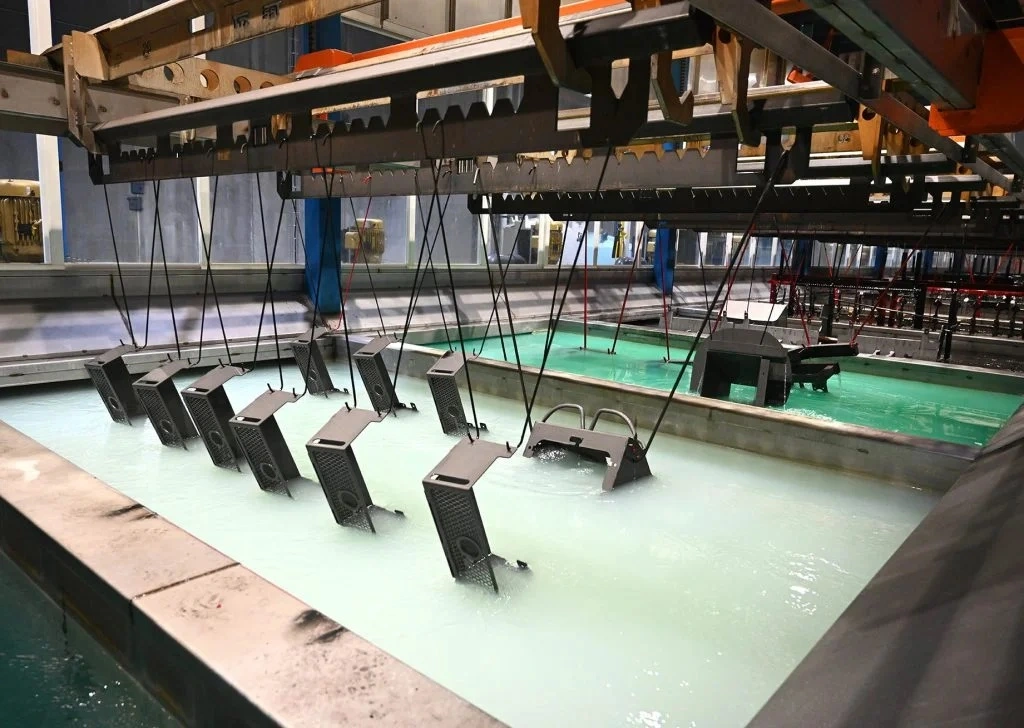
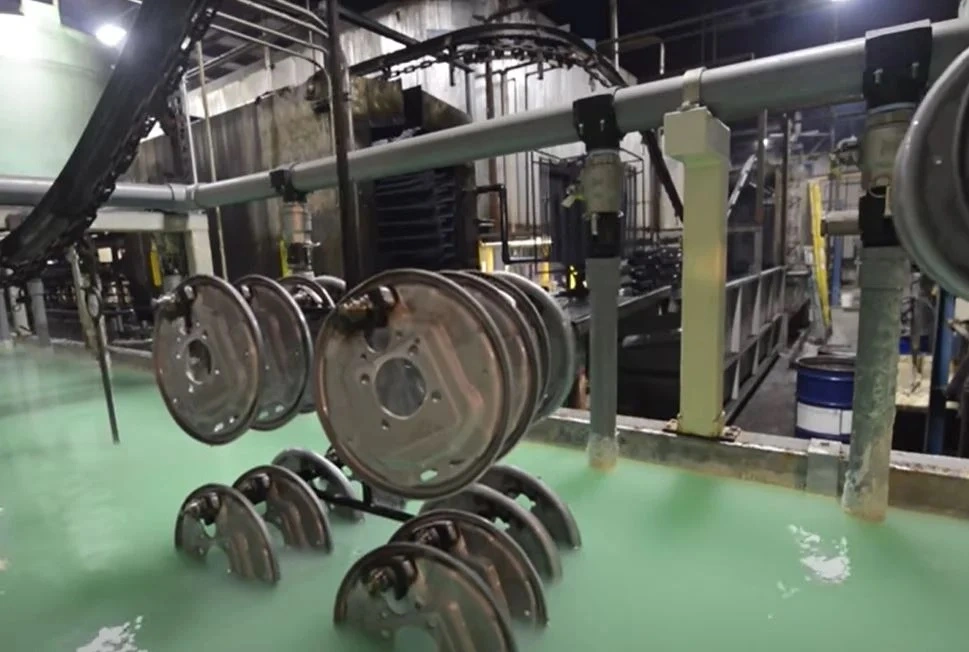
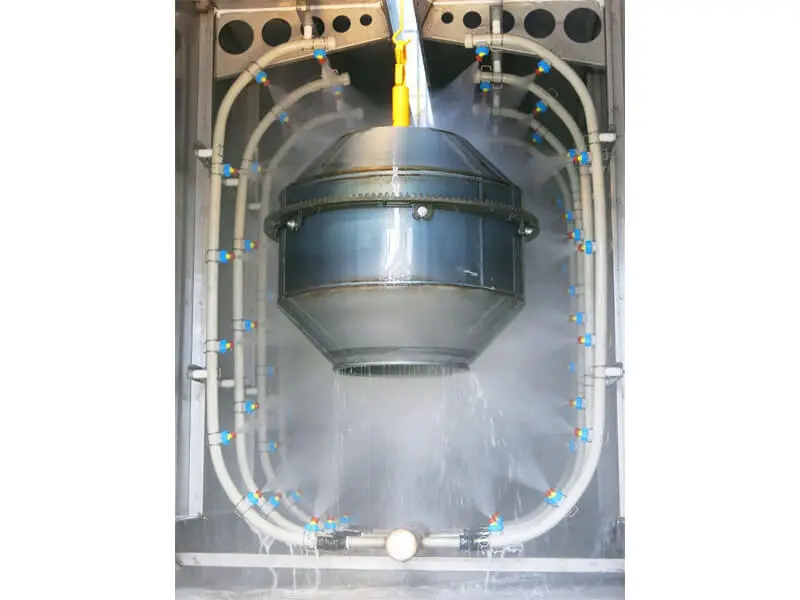
Before powder touches metal, the surface must be chemically clean and conversion-coated. Automatic lines typically incorporate spray washers with multiple stages: alkaline clean, rinse, iron or zinc phosphate, and a final deionised water seal. Programmable logic controllers (PLCs) manage chemical concentrations, temperatures (usually 120–160°F), and dwell times. Dry-off ovens (gas-fired or electric) then remove moisture, typically at 250–350°F, ensuring the part enters the powder booth completely dry to prevent outgassing defects.
The heart of the automatic powder coating line is the booth, equipped with reciprocators or robots carrying electrostatic guns. Modern systems feature:
Zone-specific gun control: Independent triggering and voltage settings for different part areas (Faraday-prone corners vs. flat surfaces).
Quick-color-change (QCC) technology: Powder recovery cyclones and cartridge filters with blow-down sequences that reduce color changeover time from hours to under 15 minutes.
Closed-loop powder management: Sensors monitor powder-to-air ratios, maintaining optimal cloud density and transfer efficiency (often exceeding 85% on good part geometries).
Curing ovens can be convection (gas-fired) or infrared (IR), or a hybrid. Convection ovens provide uniform heating for complex shapes, while IR excels at rapid curing of flat surfaces. Automatic lines use multi-zone temperature control with ±5°F accuracy, ensuring the part reaches the required metal temperature (typically 350–400°F for standard polyesters) for the specified dwell time (10–20 minutes). Over-curing or under-curing is prevented by real-time oven tracking linked to conveyor speed.
An often-underestimated component is the conveyor system. Power & Free or continuous I-beam conveyors with variable-frequency drives (VFDs) allow precise indexing through washer and oven zones. Load bars and rotators can spin parts in the booth to ensure even coverage. Modern lines from HANNA integrate conveyor control with the powder application system, synchronising gun triggering with part position using RFID or optical sensors.
Designing an efficient automatic powder coating line requires balancing multiple variables. Below are critical parameters supported by industry data.
Line Speed (ft/min): Typically ranges from 4 to 20 ft/min depending on part size and coating requirements. Speed affects film build: a 10% increase in speed can reduce film thickness by 0.5–1.0 mil if powder delivery is not adjusted.
Airflow Management: Booth airflow (typically 120–150 ft/min face velocity) must contain overspray without disturbing the powder cloud. CFD (computational fluid dynamics) is now used to design airflow patterns that maximise first-pass transfer efficiency.
Gun Reciprocator Stroke and Speed: Overlap of gun patterns (usually 30–50%) is essential to avoid striping. Modern reciprocators adjust stroke based on part height read by photosensors.
Curing Schedule: The "cure window" of a powder is critical. Automatic lines must maintain consistent thermal history; deviations can cause poor adhesion or yellowing. Data loggers are recommended for validation.
Even the most sophisticated automatic powder coating line can face challenges. Here's how engineering countermeasures address them:
Recessed areas often resist powder deposition. Solution: Use tribo-charging guns or corona guns with external charging and targeted air jets. Automated lines can increase gun voltage or reduce feed rate in these zones via pre-programmed recipes.
Frequent color changes kill productivity. Solution: Invest in a QCC booth with non-stick surfaces, self-cleaning cyclones, and dedicated feed hoses per color. Some HANNA installations achieve 10-minute color changes with less than 1% cross-contamination.
Inconsistent film builds cause rework. Solution: Implement closed-loop gun control where thickness feedback (from in-line sensors) adjusts gun parameters in real time. This is especially effective for high-volume runs.
Ovens and washers are energy-intensive. Solution: Use variable-speed oven exhausts, heat recuperation on oxidisers, and high-efficiency burner controls. HANNA offers energy audits and retrofit packages that can cut gas consumption by up to 30%.
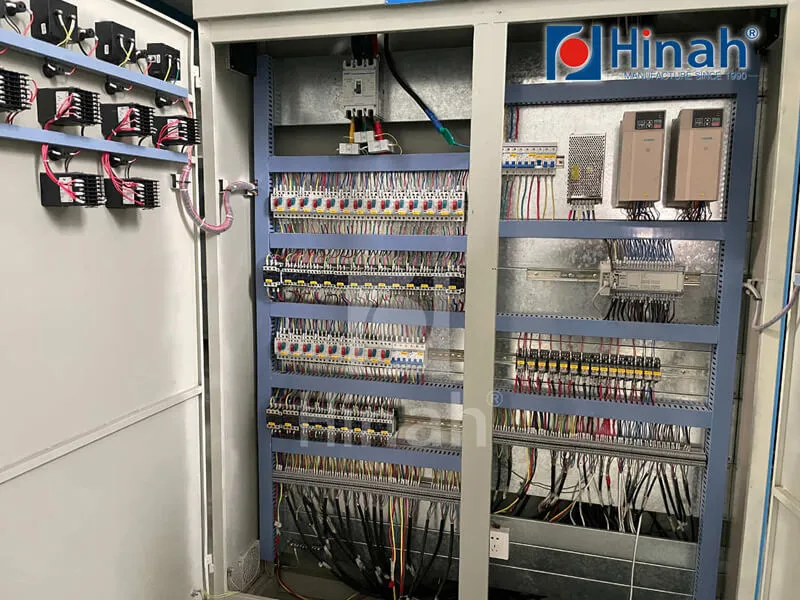
The latest automatic powder coating line systems are cyber-physical platforms. Sensors collect data on everything from vibration in conveyor bearings to real-time film thickness. This data feeds into a Manufacturing Execution System (MES), enabling:
Predictive maintenance: Algorithms detect anomalies in gun performance or oven temperature, alerting technicians before downtime occurs.
OEE tracking: Overall Equipment Effectiveness is calculated automatically, highlighting bottlenecks.
Batch traceability: Every part's process parameters are stored, critical for automotive and aerospace compliance.
Automatic powder coating line controllers from leading integrators now feature IIoT (Industrial Internet of Things) connectivity, allowing remote diagnostics and performance benchmarking across multiple plants.
Different industries impose unique demands on the automatic powder coating line:
Automotive (Wheels, Suspension Parts): Need high film build for corrosion resistance; require precise gun positioning and rapid color change for custom finishes.
Appliances (Refrigerators, Washers): Large flat panels demand uniform thin films; IR ovens are often used for fast cure without yellowing.
Architectural Aluminium: Long extrusions need vertical hanging and reciprocators with extended stroke; pretreatment is critical for AAMA 2603/2605 compliance.
General Industry (Furniture, Shelving): High-mix, low-volume runs benefit from flexible booth designs and quick recipe changeovers.
Designing and integrating an automatic powder coating line requires deep domain knowledge. HANNA has delivered turnkey finishing systems for over 30 years, combining mechanical engineering with advanced controls. Their team uses 3D simulation to validate line layouts, ensuring smooth material flow and optimal gun placement. From compact lines for job shops to high-speed automotive systems, HANNA provides lifecycle support—from installation to predictive maintenance. Explore their automatic powder coating line portfolio to see case studies and technical datasheets.
Q1: What is the typical investment payback period for an automatic powder coating line?
A1: Depending on volume and labour savings, ROI is often achieved within 18–36 months. Factors include reduced manual labour (typically 60–80% fewer operators), lower reject rates (from >5% down to<1%), and="" increased="" throughput.="" a="" detailed="" cost="" analysis="" should="" include="" energy="">
Q2: How can I reduce color change time on my existing automatic line?
A2: Quick color change (QCC) can be improved by retrofitting a cyclone recovery system, using non-stick booth liners, and automating purge sequences. HANNA offers QCC upgrade packages that can cut changeover from 45 minutes to under 15 minutes, even for contrasting colors.
Q3: What are the most common coating defects in automatic lines and how to prevent them?
A3: Common issues include orange peel (adjust gun settings/air flow), dirt inclusions (improve booth filtration/pretreatment), and light coverage in recesses (optimise gun angles/use tribo guns). Regular maintenance of guns and conveyor grounding is essential.
Q4: Is an automatic powder coating line suitable for small batch production?
A4: Yes, with modern flexible automation. Lines equipped with quick-change booths, programmable gun controllers, and recipe storage can handle batches as small as 50 parts economically. The key is minimising changeover time between runs.
Q5: How does conveyor speed affect powder coating quality?
A5: Conveyor speed directly impacts film thickness and cure profile. Too fast: insufficient powder deposition or under-curing. Too slow: excessive film build (runs, sags) and reduced throughput. Automatic lines should maintain speed within ±1% using closed-loop drives to ensure consistency.
Q6: What maintenance is critical for an automatic powder coating line?
A6: Daily: check gun tips, clean booth filters, verify powder feed. Weekly: inspect conveyor lubrication, oven seals, and burner operation. Quarterly: calibration of sensors, voltage checks on guns, and analysis of powder recovery efficiency. Predictive maintenance using vibration and temperature sensors can prevent unplanned downtime.
Investing in an automatic powder coating line is a strategic move toward higher quality and competitiveness. By understanding the engineering nuances—from pretreatment chemistry to Industry 4.0 integration—you can maximise your line's potential. Partnering with experienced integrators like HANNA ensures that your system is designed for longevity, efficiency, and adaptability to future finishing demands.