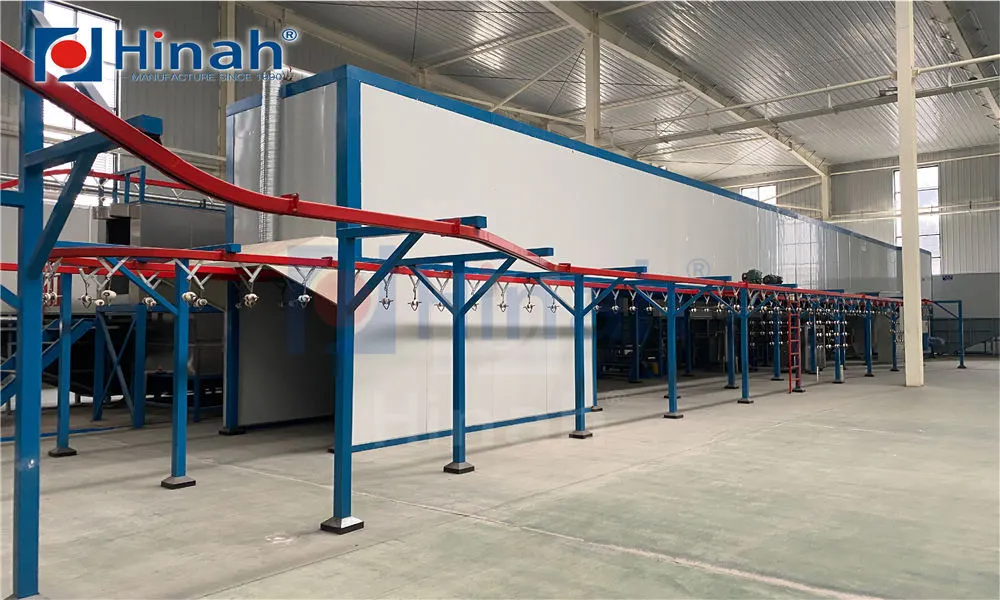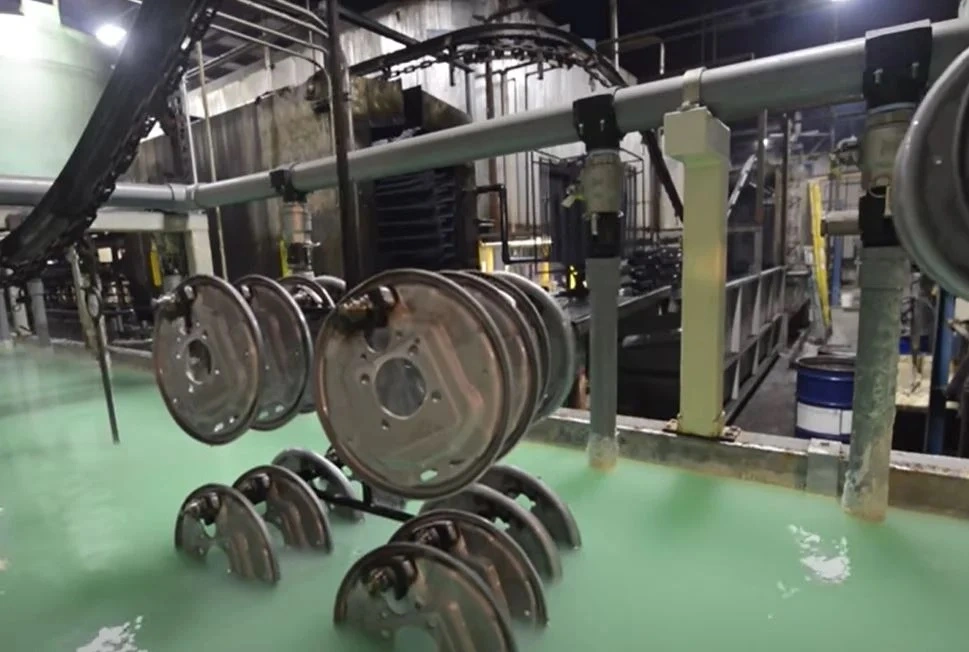

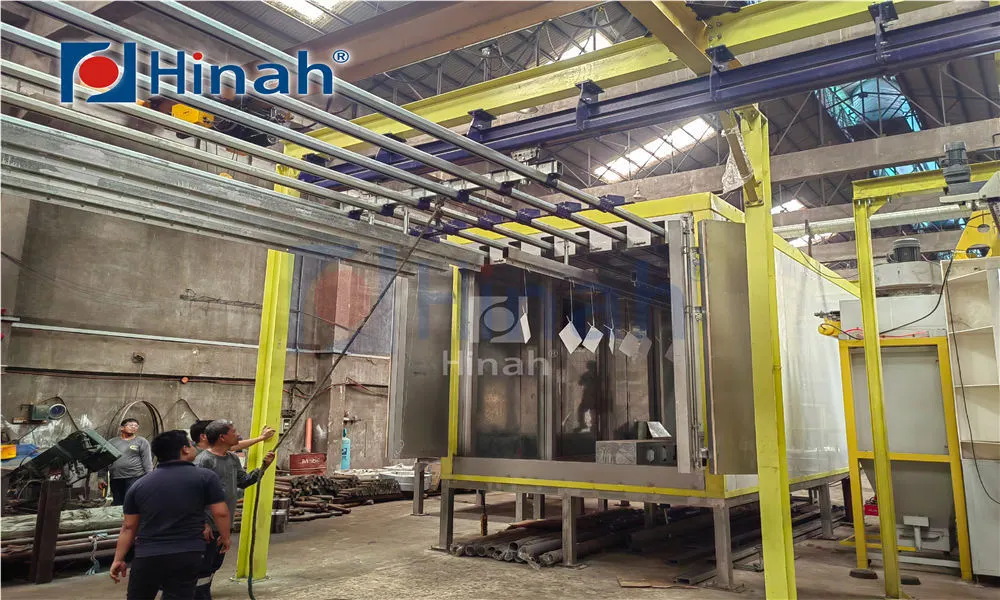
In the production of advanced composite materials—whether thermoset or thermoplastic—the curing stage defines the final mechanical properties, dimensional accuracy, and long-term reliability of the part. A composite curing oven is not simply a heating chamber; it is a precisely engineered thermal system that must deliver uniform temperature distribution, controlled ramp rates, and repeatable cure cycles across varying part geometries. HANNA brings decades of industrial thermal engineering experience to the design and integration of composite curing ovens, serving manufacturers who demand zero defects and process transparency.
Unlike conventional powder coating or paint drying ovens, a composite curing oven must accommodate complex exothermic reactions, resin viscosity changes, and volatile management. This article provides an in-depth analysis of the engineering principles, industry challenges, advanced design features, and real-world applications of composite curing ovens. We will also explore how modern control strategies and energy-efficient components improve throughput while maintaining strict compliance with aerospace and automotive quality standards.
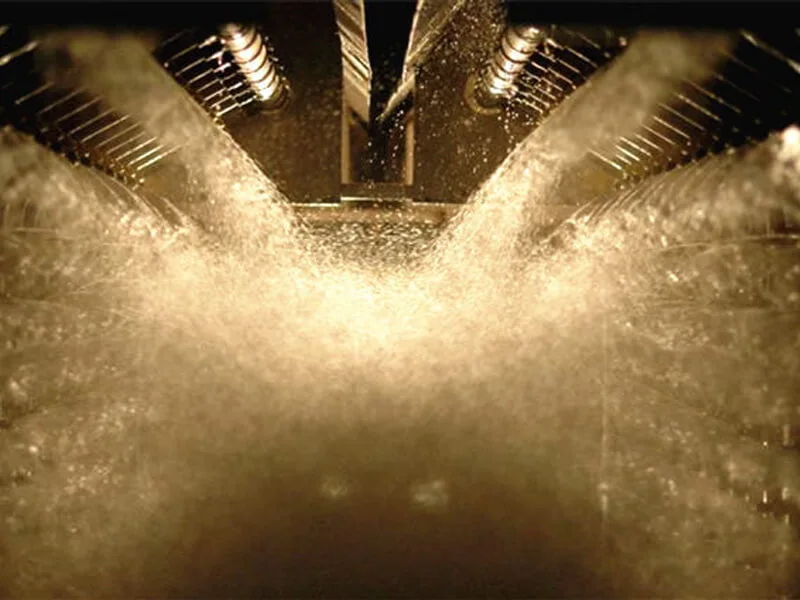
Curing composites—whether epoxy, phenolic, BMI, or polyurethane resins—requires strict adherence to thermal profiles. Any deviation can cause incomplete crosslinking, porosity, residual stress, or even part rejection. Below are the primary obstacles engineers face when implementing a composite curing oven in high-volume or high-mix production lines.
Even a ±5°C gradient across the oven’s working volume can lead to inconsistent glass transition temperatures (Tg) in a single batch. Parts located near recirculation dead zones may under-cure, while areas near heating elements risk thermal degradation. Modern designs use computational fluid dynamics (CFD) to optimize air nozzle arrangements and plenum configurations.
Thick-section carbon fiber laminates generate internal heat during cure. Without proper heat extraction or adaptive zone control, the part’s core temperature may exceed the resin’s degradation threshold. A well-tuned composite curing oven incorporates real-time thermocouple feedback and programmable ramp-soak-cool cycles.
Prepregs and wet layup processes release solvents and reaction byproducts. Accumulated VOCs pose safety risks and can re-deposit on part surfaces. Effective ovens include purge cycles, controlled exhaust dampers, and afterburner or catalytic oxidizer integration—an area where HANNA provides complete turnkey solutions.
Traditional batch ovens often lose heat through door openings, uninsulated panels, or poor sealing. Energy costs escalate when production schedules involve frequent heating from ambient. Continuous or indexed ovens mitigate this, but retrofitting existing lines requires careful feasibility analysis.
To overcome the above challenges, modern composite curing ovens incorporate several non-negotiable engineering attributes. Below we break down the subsystems that define reliability and repeatability.
Vertical-downflow, horizontal crossflow, or reverse-cycling airflow each suit different part geometries. For tall autoclave-like components, vertical laminar flow minimizes boundary layer resistance. For flat panels or honeycomb structures, horizontal nozzles with adjustable louvers prevent fluttering. A composite curing oven should allow field-adjustable baffles and velocity sensors to maintain 0.5–2 m/s airflow across loaded trolleys.
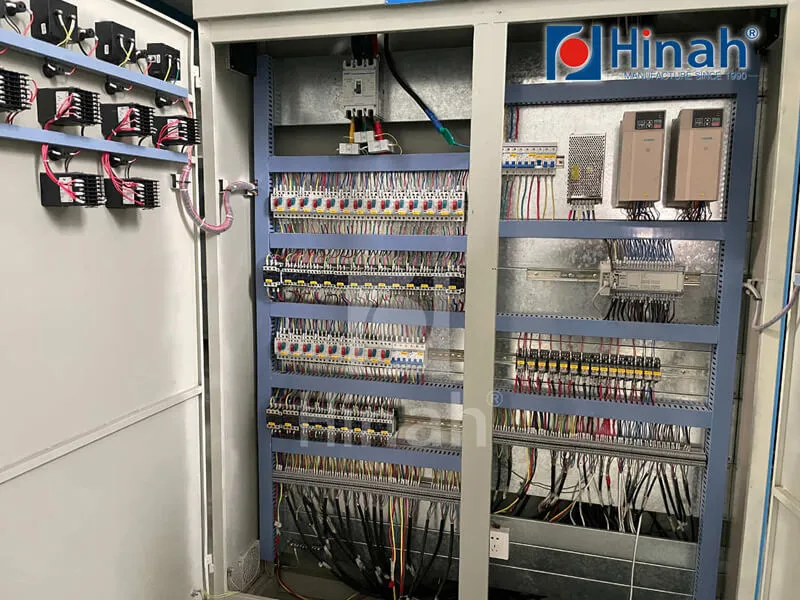
Independent PID controllers for each zone (e.g., left/right, top/bottom, front/rear) compensate for load asymmetry. Thermocouples placed at strategic locations—including inside dummy parts—feed data to a PLC that adjusts burner modulation or electric heater output. Modern systems store up to 250 cure recipes with ramp rates from 0.1°C/min to 5°C/min.
Mineral wool or ceramic fiber blankets with 150–200 mm thickness reduce external skin temperature to below ambient+15°C. Cam-action door latches with silicone gaskets and pneumatic sealing strips prevent infiltration of cold air, which otherwise creates condensation and temperature spikes near the door perimeter.
For NADCAP or AS9100 compliance, a composite curing oven must record every second of every cure cycle. Integrated SCADA systems generate batch reports, chart actual vs. setpoint temperatures, and flag deviations. Optional remote access allows quality engineers to approve or reject loads before oven doors open.
Given that composite curing often requires hold times of 2–8 hours at elevated temperatures, energy consumption directly impacts operating margins. Below are proven methods to reduce kW·h per kilogram of cured composite.
Variable Frequency Drives (VFDs) on recirculation fans: reduce motor speed during soak phases while maintaining uniform temperature, cutting electricity use by up to 35%.
Heat recovery from exhaust stream: Use plate or run-around coils to preheat incoming fresh air, lowering burner duty cycle.
Demand-based exhaust control: Automatically modulate damper opening based on VOC concentration and humidity sensors, rather than continuous full-flow exhaust.
High-efficiency ribbon burners or infrared hybrid systems for rapid ramp-up, then switch to recirculation for even heat distribution.
For manufacturers running three shifts, even a 15% reduction in energy per batch translates to annual savings that justify the investment in advanced controls. HANNA provides energy audits and retrofitting services for existing composite curing ovens, identifying air leakage and insulation gaps through thermographic analysis.
The versatility of a composite curing oven extends across multiple sectors, each with unique material and dimensional requirements. The following table outlines typical use cases and oven configuration preferences.
Wing spars, fuselage frames, engine cowlings. Oven dimensions often exceed 10 m in length, requiring modular panel construction. Cure cycles involve slow ramp (0.3°C/min) and extended holds at 120°C–180°C. Vacuum bag ports are integrated into oven walls.
Carbon fiber roof panels, leaf springs, battery enclosures for EVs. Cycle times must be under 60 minutes to match assembly line rates. Conveyorized or car-bottom ovens with fast door automation. Infrared assist preheat stages shorten ramp phases.
Epoxy-infused glass fiber structures longer than 50 m. Ovens are built as walk-in tunnels with sectional heating zones. Temperature uniformity ≤ ±3°C is mandatory to avoid residual stresses in thick laminates.
Hockey sticks, bicycle frames, pressure vessels. Smaller batch ovens with programmable recipe management and quick-change tooling carts. Often paired with resin transfer molding (RTM) lines.
When specifying a composite curing oven, buyers should evaluate the following variables to avoid over-engineering or under-performing equipment.
Maximum temperature and uniformity class: Class 2 (±5°C) for most composites, Class 1 (±3°C) for aerospace primary structures.
Internal dimensions and load method: Fixed floor, rail-guided carts, or powered roller conveyors. Ceiling height must clear autoclave baskets or tooling.
Atmosphere control: Inert gas (N₂) purging for oxidation-sensitive resins; humidity control for prepregs.
Cooling method: Forced ambient air, water-spray heat exchangers, or slow natural cooling to prevent thermal shock.
Control interface: Local HMI with touchscreen plus remote OPC-UA connectivity for MES integration.
Engineers at HANNA work with clients to create requirement matrices, balancing capital expenditure against production volume and quality targets. Each composite curing oven is factory-tested using thermal imaging and 48-point uniformity surveys before shipment.
Even the most advanced curing oven will drift without a scheduled maintenance regimen. Key activities include:
Quarterly inspection of thermocouples and RTDs for oxidation or mechanical damage.
Semi-annual measurement of temperature uniformity using a 9 to 24-point thermocouple array (follows AMS 2750G for aerospace).
Checking door seal compression and latch alignment – leaks are a primary cause of gradient issues.
Cleaning recirculation fans and ductwork from resin residue and dust; a fire hazard if ignored.
Predictive maintenance software can analyze fan vibration, burner flame signatures, and heater current draw to alert operators before breakdowns occur. This is especially important for aging composite curing ovens where spare parts may have long lead times.
The next generation of composite curing ovens will incorporate digital twin simulation. Before a physical part is loaded, the software predicts thermal profiles based on part mass, layup schedule, and ambient conditions. Real-time adjustments to zone outputs maintain target temperatures without overshoot. Machine learning algorithms will also analyze historical batch data to recommend optimized ramp rates for new material combinations.
Additionally, edge computing devices will allow local data processing while sending only exception reports to the cloud, reducing cybersecurity risks. Manufacturers who adopt these smart ovens can reduce scrap rates by up to 50% and increase oven utilization by coordinating cure cycles with upstream kitting schedules.
A1: An autoclave applies both heat and elevated pressure (typically 30–200 psi) using a sealed pressure vessel, while a composite curing oven operates at atmospheric pressure. Ovens are suitable for vacuum bag only or contact molding processes; autoclaves are required for high-fiber-volume-fraction aerospace parts. However, ovens offer lower capital cost, faster cycle access, and easier part loading for larger components.
A2: Yes, provided the oven’s maximum temperature exceeds the cure temperature of the resin—typically 250°C for BMI (Bismaleimide) versus 120–180°C for epoxies. The ventilation system must be designed to handle the corrosive off-gassing of BMI, which may require stainless steel ductwork and inert gas purging.
A3: Following guidelines such as AMS 2750 or CQI-9, a 9, 12, or 24 thermocouple array is placed at defined positions across the empty working volume. The oven is run through a typical cure cycle, and all sensors must record temperatures within the specified tolerance band (e.g., ±3°C or ±5°C) during the soak period. This test should be repeated annually or after any major repair.
A4: At a minimum: high-limit thermostat with independent contactor, excess temperature alarm, door interlock to cut heat when opened, overpressure relief, combustible gas detection for solvent-rich processes, and emergency stop pushbuttons inside and outside. For larger ovens, a manual purge button before ignition and automatic CO₂ or N₂ flood system for fire suppression are recommended.
A5: Retrofits are possible but require careful assessment. Composite curing demands tighter uniformity (±5°C vs. ±10°C for powder), higher airflow velocity, and VOC extraction. You would need to upgrade insulation, recirculation fans, control instrumentation, and possibly add fresh air preheating. In many cases, a dedicated composite curing oven proves more cost-effective due to reduced scrap risk.
Every composite manufacturing line has unique thermal requirements—batch sizes, cure recipes, material types, and floor space constraints. HANNA provides end-to-end support, from thermal simulation and custom oven fabrication to installation and validation. Our engineers speak the language of composite materials, and we ensure your composite curing oven delivers consistent, verifiable results batch after batch.
Contact our team today to discuss your project specifications, request a thermal simulation report, or schedule a consultation on upgrading your existing curing line. We provide detailed quotations with clear technical deliverables.
Send us an inquiry now → https://www.autocoatinglines.com/contact | Or email directly: neil@autocoatinglines.com
© 2026 HANNA Industrial Ovens – Engineering Excellence for Composite Manufacturing.