
In the world of industrial finishing, the paint line conveyor is the silent workhorse that dictates throughput, quality, and overall equipment effectiveness (OEE). More than just a transport mechanism, it synchronises pretreatment, powder application, curing, and cooling into a seamless flow. For engineers and plant managers aiming to reduce rework and increase line speed, understanding the nuances of conveyor design is non-negotiable. This article dives deep into the mechanics, selection criteria, and modern innovations surrounding paint line conveyors, offering data-backed insights for finishing professionals.
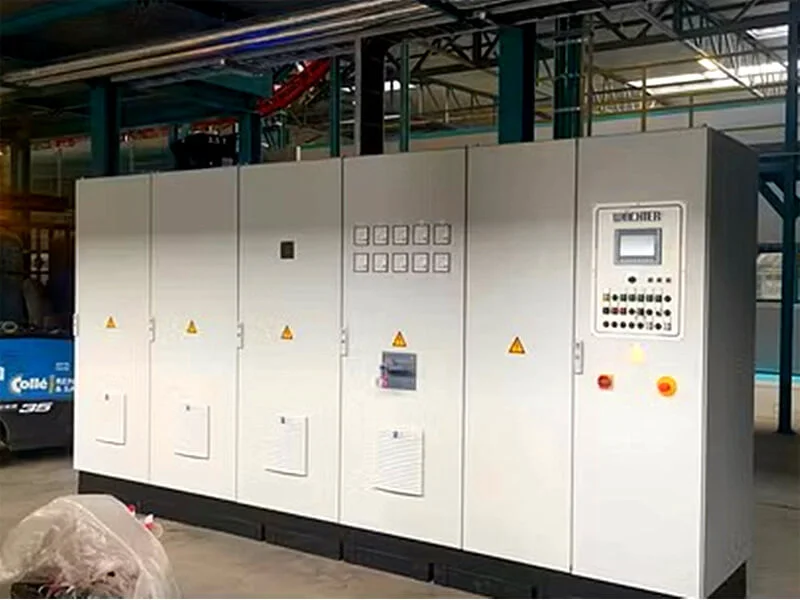
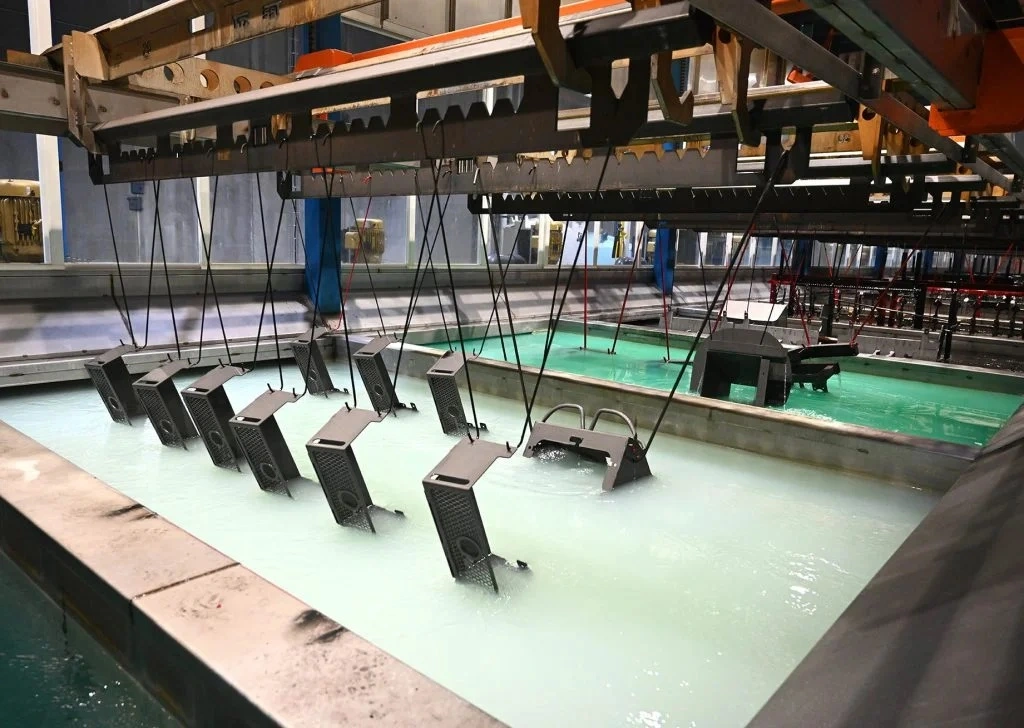
A paint line conveyor is a specialised material handling system designed to move parts through sequential finishing stages: chemical pretreatment (washer), dry-off oven, powder booth or liquid spray area, curing oven, and finally the cool-down zone. Unlike general-purpose conveyors, these systems must withstand aggressive chemicals, elevated temperatures (up to 400°F / 200°C), and strict cleanliness standards to prevent coating defects. The conveyor’s ability to maintain precise speed control and stable part positioning directly impacts film thickness uniformity and cure consistency.
To appreciate the engineering behind these systems, one must examine the critical subsystems that ensure reliability and finish quality.
Chains are typically available in X-348, X-458, or X-678 patterns for heavy loads, while enclosed track designs (e.g., 3″×3″) are preferred for cleaner environments. Trolleys equipped with sealed bearings reduce lubricant migration, a common source of "dirt" in powder coating lines. HANNA offers advanced polymer bearing options that operate grease-free in critical zones.
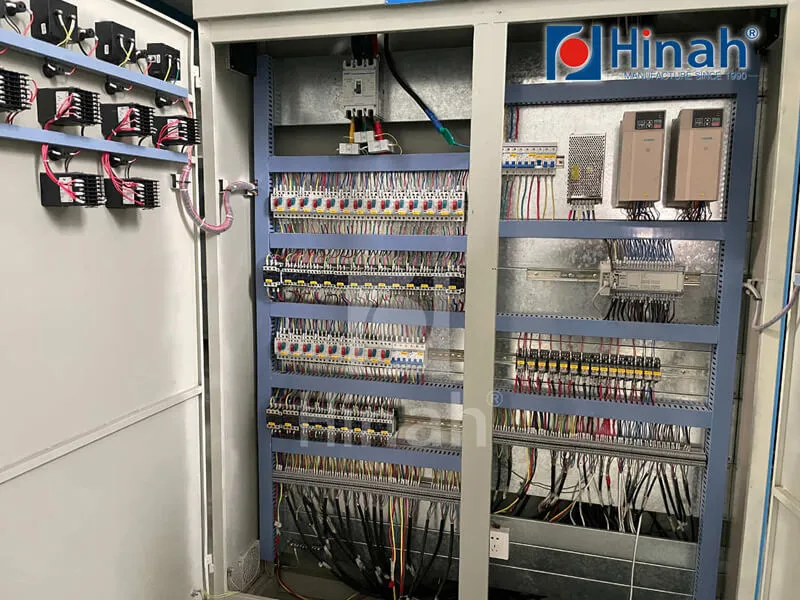
Variable-frequency drives (VFDs) allow precise speed tuning, essential for adjusting line speeds based on part geometry. Automatic take-ups maintain constant chain tension, preventing slippage and jerky movements that could cause hanging parts to swing into each other.
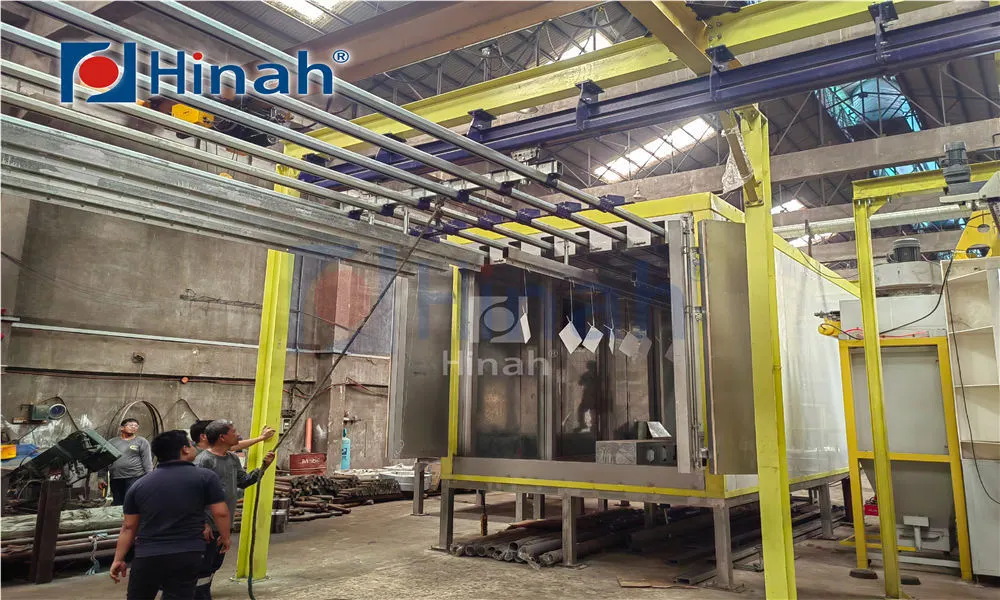
Traditional I-beam conveyors are robust and cost-effective for heavy parts. However, enclosed track conveyors trap contaminants and allow cleaner operation, making them ideal for high-visibility automotive finishes. The choice directly affects maintenance intervals and the risk of foreign object debris (FOD) on freshly coated surfaces.
Custom hooks, crossbars, and rotators enable optimal part orientation. Rotators can spin components 360° in the powder booth to ensure Faraday cage areas are properly coated, eliminating manual touch-ups.
The diversity of finishing applications demands tailored conveyor solutions. Below are the dominant types and their typical applications.
The workhorse of the industry, these systems consist of a single I-beam with rolling trolleys. They excel in handling large, heavy parts (e.g., agricultural equipment, engine blocks) and can operate in continuous loops exceeding 1,000 feet. Their simplicity translates to low initial investment.
P&F systems decouple the power chain from the free trolley carrying the load. This allows accumulation, switching, and variable speeds—critical for mixed-model production. For example, parts can dwell in a cool-down zone while others proceed, or be diverted to a manual repair loop. Modern P&F conveyors from HANNA integrate with PLCs for seamless batch tracking.
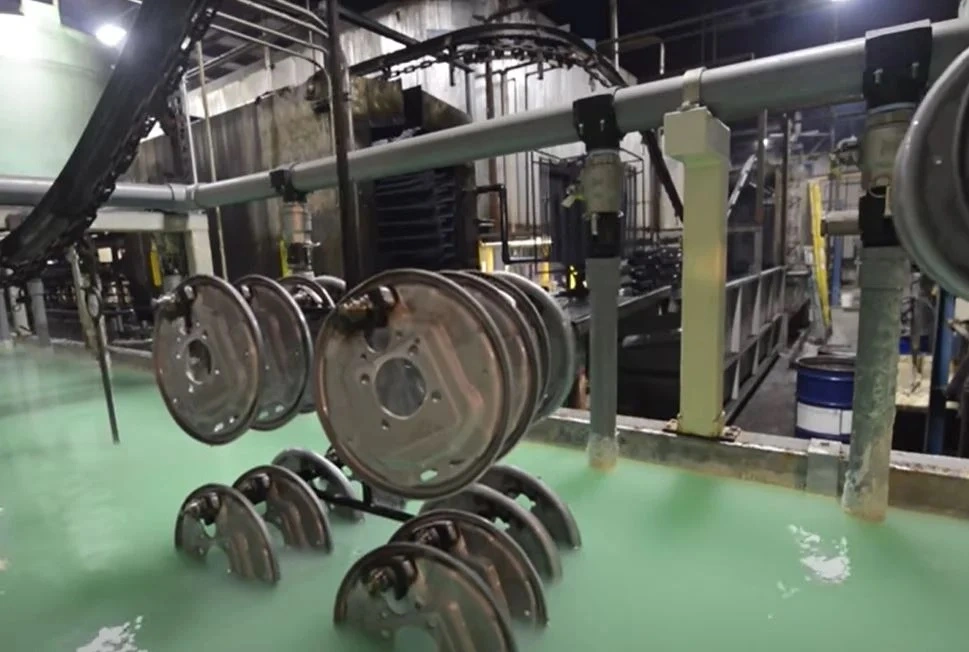
With the chain enclosed in a square tube, these conveyors minimise dirt fallout. They are widely used in appliance coating, automotive wheels, and medical device finishing where surface perfection is paramount. The enclosed design also reduces noise and energy consumption.
Designing a paint line conveyor is a multidisciplinary task involving thermodynamics, kinematics, and chemical resistance. Key considerations include:
Line Speed Stability: Speed fluctuations of ±2% can alter film build in powder booths, where deposition is time-sensitive. Closed-loop VFDs are essential.
Thermal Expansion: Conveyor chains passing through 400°F ovens expand; expansion loops and floating rail sections prevent binding.
Chemical Compatibility: In the pretreatment zone, conveyor components are exposed to phosphoric acid, alkaline cleaners, and deionised water. Stainless steel pins and washers extend life significantly.
Load Zoning: Heavy parts require tighter trolley spacing. Overloading can cause chain fatigue; calculations should follow CMAA standards.
Even the best-designed paint line conveyors face operational challenges. Here are the most common issues and proven countermeasures:
Pins and bushings wear over time, increasing pitch and causing jerky motion. Solution: Implement a scheduled lubrication program using high-temperature lubricants. HANNA’s automated lubrication systems apply precise doses, reducing wear by up to 40%.
Flaking rust or grease dripping onto wet paint is a top defect cause. Solution: Use enclosed tracks in sensitive zones and install drip pans. For I-beam systems, apply dry-film lubricants that don't attract dirt.
Drive failures or jammed trolleys stop the entire line. Solution: Deploy condition monitoring—vibration sensors on drives and chain tension indicators. HANNA’s IoT-ready paint line conveyor controllers alert teams before failures occur.
Massive chains require energy to move. Solution: Lightweight chain materials and low-friction bearings reduce motor load. Regenerative drives can also recover energy during downhill sections.
The future of finishing lies in data. Smart paint line conveyors equipped with RFID readers track each part’s position and recipe. This enables “just-in-time” powder colour changes without stopping the line. Additionally, digital twins allow engineers to simulate bottlenecks and optimise throughput before modifying hardware. Companies like HANNA are integrating conveyor controls with MES platforms, providing real-time OEE dashboards.
Different industries impose unique demands on the paint line conveyor:
Automotive OEM & Tier 1: Require high-speed indexing conveyors for car bodies; precise stopping accuracy for robotic painting.
Architectural Aluminium: Long extrusions demand wide carrier spacing and tip bars to prevent sagging during curing.
General Industry (Farm & Construction): Heavy-duty I-beam systems with load capacities up to 5,000 lbs per trolley.
Aerospace: Cleanroom-compatible conveyors with HEPA filtration integration.
With over three decades of experience in turnkey finishing systems, HANNA has engineered paint line conveyors for some of the world’s most demanding production environments. Their approach combines finite element analysis (FEA) for structural integrity, thermodynamic modelling for oven integration, and modular designs that simplify future expansions. Whether you need a high-speed P&F system for automotive wheels or a corrosion-resistant line for agricultural equipment, HANNA provides tailored solutions backed by global service networks. Visit their powder coating conveyor page to explore case studies and technical specifications.
Q1: What is the typical lifespan of a paint line conveyor under continuous operation?
A1: With proper maintenance, a well-engineered conveyor can last 20–25 years. Critical components like chains and trolleys may require replacement every 8–12 years depending on load and speed. Regular lubrication and alignment checks are essential to achieving maximum life.
Q2: How do I choose between an overhead I-beam and an enclosed track conveyor for my new powder coating line?
A2: Consider part weight and cleanliness needs. I-beam handles heavier loads (500+ lbs) at lower cost but may release more debris. Enclosed track is mandatory for Class A surfaces (automotive exterior, appliances) and lighter parts (<200 lbs="">
Q3: Can a paint line conveyor handle both small brackets and large frames without changing tooling?
A3: Yes, by using adjustable crossbars or quick-change hooks. Power & Free systems allow accumulation, so different part sizes can be batched efficiently. Some modern conveyors feature pneumatic rotators that adapt to part geometry automatically.
Q4: How often should conveyor lubrication be performed, and what lubricants are safe for paint shops?
A4: Frequency depends on chain speed and oven temperature. As a rule, every 40–80 operating hours for high-temperature sections. Use high-temperature synthetic oils (rated to 500°F) with minimal vapour; avoid silicone-based lubricants that cause cratering in powder coatings. HANNA offers precision lubricators that apply micro-doses only when needed.
Q5: What causes "chain jerk" and how can it be prevented?
A5: Jerk usually results from worn chain pins, improper take-up tension, or contaminated bearings. Solution: Replace worn chain sections, maintain proper tension (typically 1–2% sag), and ensure all trolley wheels rotate freely. Implementing a predictive maintenance schedule using vibration analysis prevents sudden failures.
Q6: Is it possible to retrofit an existing paint line conveyor with Industry 4.0 sensors and controls?
A6: Absolutely. Retrofitting with smart idler wheels that measure chain wear, and adding RFID tags for part tracking, is common. HANNA provides retrofittable control packages that interface with your existing drives, enabling remote monitoring and data logging without replacing the entire conveyor.
Selecting and maintaining the right paint line conveyor is a strategic decision that directly impacts finishing cost and quality. By understanding the interplay between mechanical design, process conditions, and emerging digital tools, finishing professionals can achieve defect-free surfaces and maximise line availability. For projects requiring deep engineering support, HANNA stands ready as a partner with proven expertise.