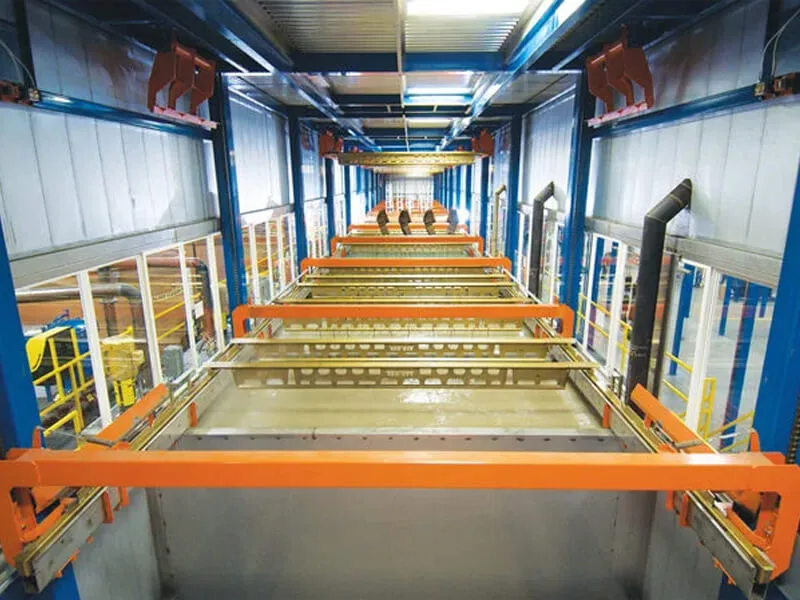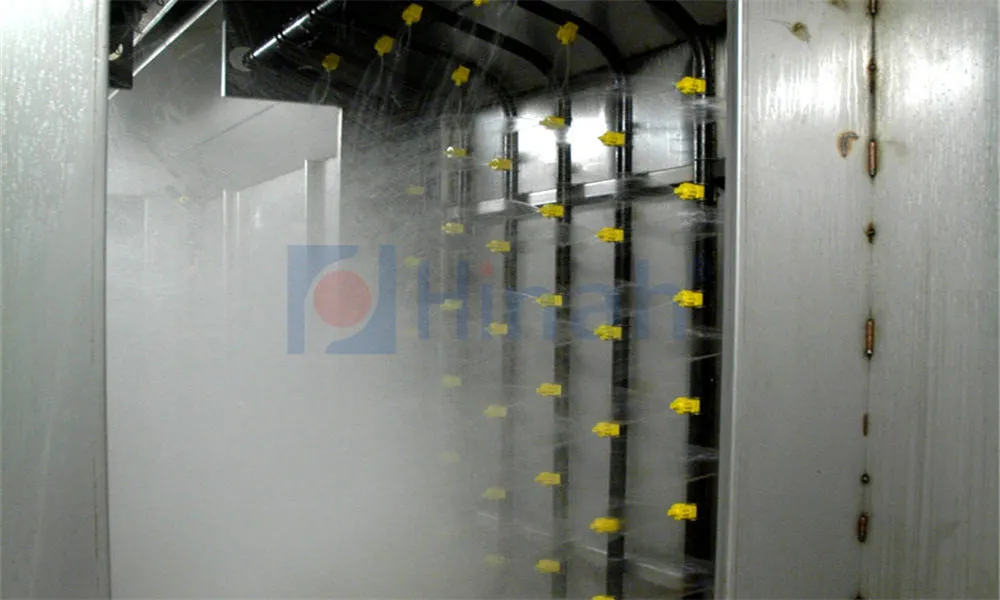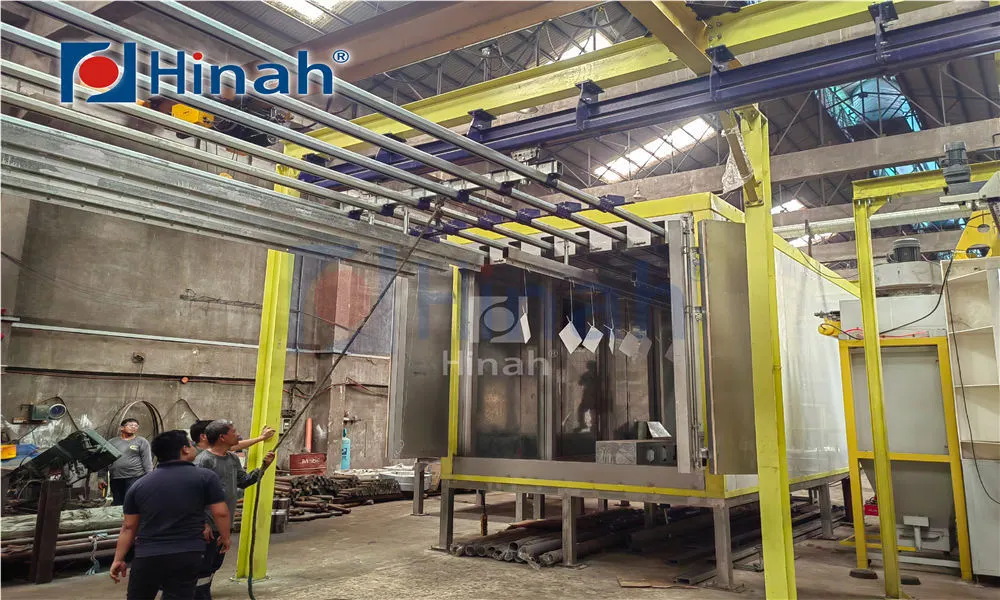
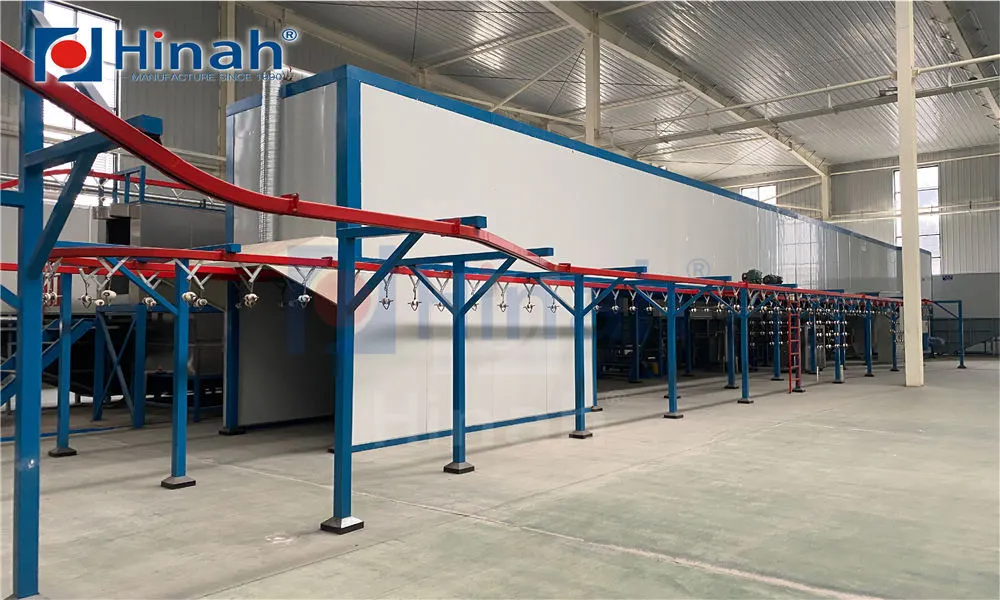
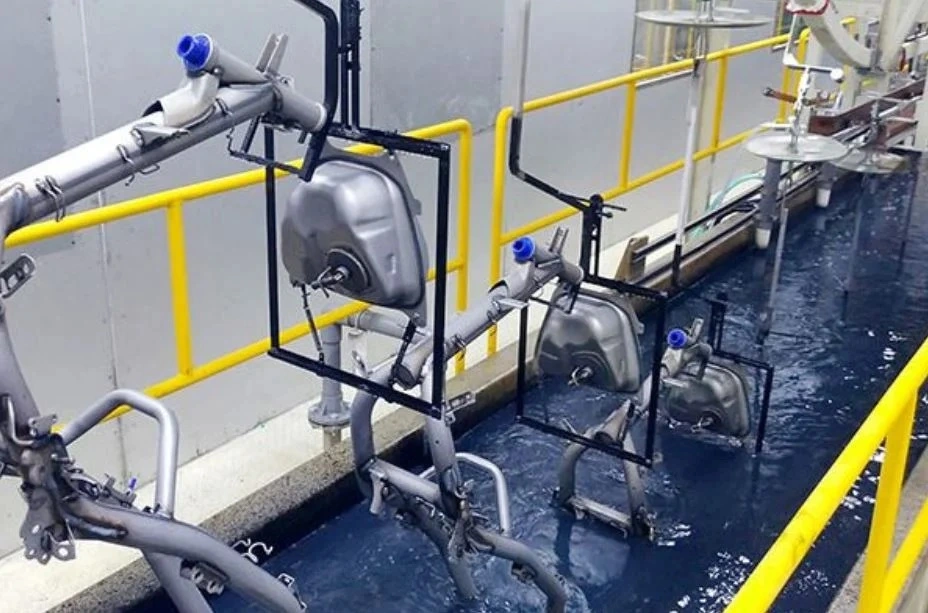
The curing oven is the thermal heart of any powder coating line. It dictates throughput, finish quality, and energy efficiency. Yet, many manufacturers treat oven selection as a commodity purchase, focusing solely on price. This approach often leads to operational bottlenecks, inconsistent coating adhesion, and excessive utility bills. As a B2B buyer, your relationship with powder coating oven suppliers should be a strategic partnership that impacts your bottom line for a decade or more. This article dissects the engineering nuances, application-specific demands, and financial metrics you must consider to make an informed decision.
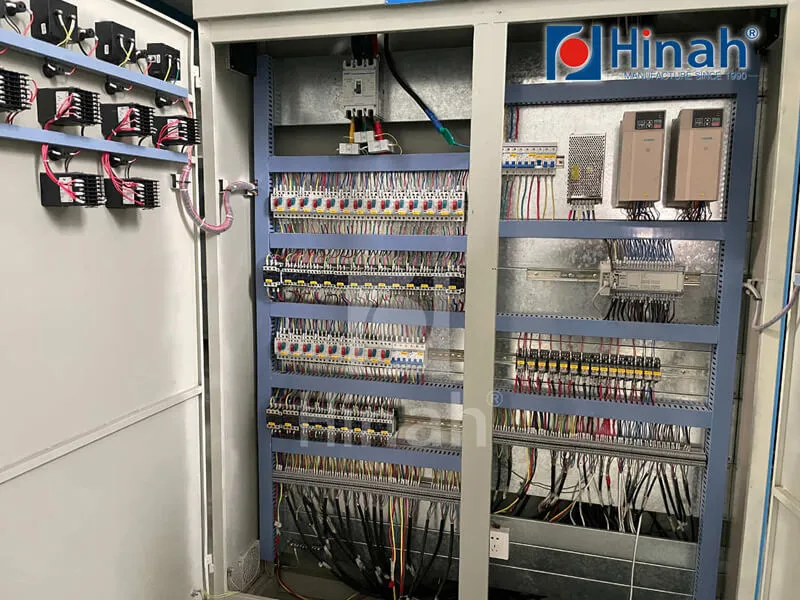
A powder coating oven is not merely a heated box; it is a precision thermal processing unit. The chemical cross-linking (curing) of polyester, epoxy, or hybrid powders requires precise temperature control and consistent heat distribution. Deviations of even ±5°C can result in under-cured (soft, poor adhesion) or over-cured (yellowed, brittle) finishes. Reputable powder coating oven suppliers differentiate themselves through computational fluid dynamics (CFD) modeling during the design phase, ensuring that air seals, plenum pressures, and burner placements eliminate cold spots. For high-volume lines, this engineering rigor directly correlates to first-pass yield rates above 98%.
When auditing potential partners, move beyond glossy brochures and analyze four core competencies: thermal uniformity validation, material handling integration, energy recovery systems, and after-sales technical support. Leading powder coating oven suppliers provide temperature uniformity survey reports (typically ±3°C or better according to AMS2750 standards) and offer scalable PLC controls that communicate with your existing line controls. Ask specific questions about the gauge of interior steel (14-gauge aluminized steel is industry standard for durability), the density of mineral wool insulation (6 lb/ft³ or higher for energy retention), and the type of burner modulation (direct spark vs. ribbon burners).
Your production volume dictates oven architecture. Continuous conveyorized ovens require zoned temperature control to handle varying part densities, while batch ovens need rapid heat recovery after loading cold racks. Suppliers like HANNA excel in designing modular systems that allow future expansion—a crucial feature for growing job shops. Their engineering team often conducts thermal profiling using nine-channel data loggers on actual customer parts to guarantee cure schedules before the oven leaves the factory floor.
The era of single-zone, gas-guzzling ovens is ending. Today’s high-efficiency curing ovens integrate multiple heating modalities. Infrared (IR) boosters at the oven entrance rapidly bring heavy-gauge parts to temperature, reducing overall dwell time. High-velocity convection with sealed recuperation tubes minimizes air changes and heat loss. Some powder coating oven suppliers now offer hybrid systems that switch between IR and convection based on part geometry. Additionally, catalytic fume incineration systems integrated into the oven can burn off VOC-laden exhaust and recapture that energy, slashing natural gas consumption by up to 30%.
A one-size-fits-all oven is a myth. The automotive sector demands ovens capable of curing high-performance clear coats on aluminum wheels at precise ramp-up rates. Architectural aluminum extruders require long, horizontal ovens with uniform air flow across complex profiles to prevent telegraphing of support marks. Conversely, medical equipment manufacturers often need clean-room compatible ovens with stainless steel interiors. Specialized powder coating oven suppliers maintain libraries of cure curves for different powder chemistries—low-bake (120°C) for MDF substrates, standard (180-200°C) for metals, and high-heat (230°C+) for anti-graffiti coatings.
Every finishing line manager dreads three things: temperature stratification, belt tracking failures, and burner lockouts. Advanced oven designs combat stratification through sidewall jet nozzles that create a horizontal air roll, ensuring top and bottom parts cure identically. For maintenance reduction, suppliers now offer self-cleaning recirculation fans and hinged access doors with high-temperature gaskets. When evaluating total cost of ownership, ask potential powder coating oven suppliers about the mean time between failures (MTBF) for their combustion blowers and the local availability of spare thermocouples and seals. HANNA, for instance, provides a remote diagnostic module that monitors burner flame rods and air pressure switches, alerting your team via SMS before a shutdown occurs.
A mid-sized automotive supplier in the Midwest faced a 15% reject rate due to inconsistent curing on cast iron parts. Their existing oven had a temperature variance of +15°C from front to back. After retrofitting their line with a new convection oven from HANNA, thermal imaging showed variance reduced to ±2°C. The redesign incorporated variable frequency drives (VFDs) on the supply fans, allowing the operator to adjust air velocity for different part densities. The result: rejects fell below 1%, and natural gas consumption dropped 22% due to the VFDs and improved insulation. This case underscores why partnering with engineering-focused suppliers yields measurable ROI.
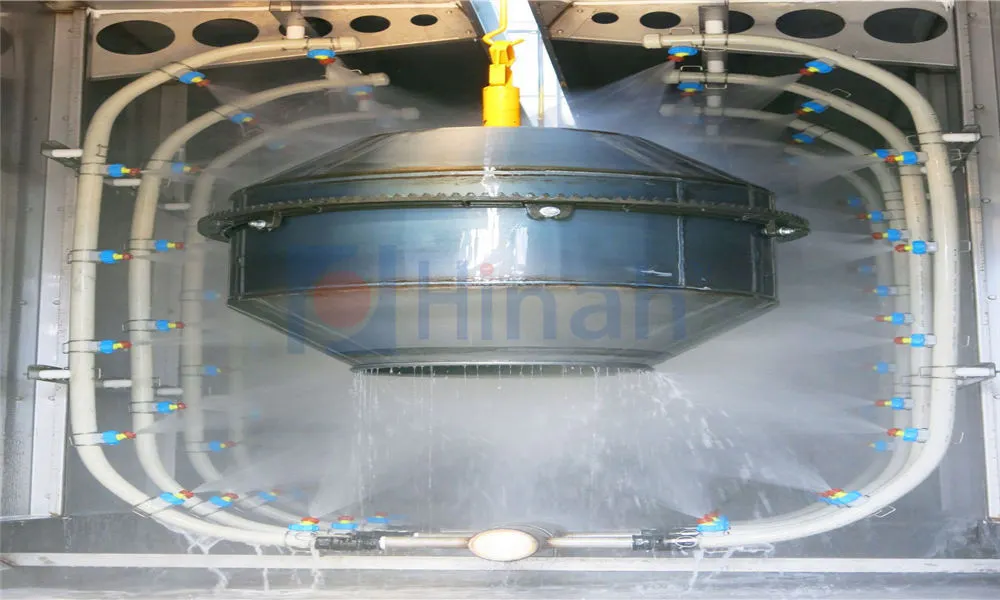
Initial purchase price typically accounts for only 20-30% of an oven’s lifetime cost. The remaining 70% is split between energy, maintenance, and lost production from downtime. Data from the Powder Coating Institute indicates that an oven with R-13 insulation (6 inches of 8 lb density mineral wool) will save approximately $4,500 per year in natural gas compared to an R-8 oven, based on 4,000 operating hours at $1.20/therm. Furthermore, powder coating oven suppliers that offer predictive maintenance contracts can reduce unplanned downtime by up to 40%. When comparing quotes, calculate the payback period for premium features like ceramic-fiber insulation or heat exchangers. A slightly higher upfront investment in a high-efficiency curing oven often pays back within 18-24 months.
Choosing among powder coating oven suppliers is a decision that will echo through your production metrics for years. By prioritizing technical depth—thermal modeling, energy recovery, and application-specific design—you transform the oven from a cost center into a competitive advantage. Look for partners who speak the language of process engineering, provide verifiable data, and stand behind their installations with robust service networks. The right oven supplier doesn’t just sell equipment; they engineer the cure for your success.
Q1: What is the typical temperature uniformity I should expect from a
reputable powder coating oven supplier?
A1: Industry best practice
dictates a temperature uniformity of ±5°C (or ±10°F) across the entire working
zone, though top-tier suppliers like HANNA can achieve ±2°C using
advanced air plenum designs and PID loop tuning. Always request a temperature
uniformity survey (TUS) report during commissioning.
Q2: How do I decide between a batch oven and a continuous conveyor
oven?
A2: The decision hinges on throughput and part mix. Batch
ovens are ideal for low-to-mid volumes (under 10,000 sq. ft. per shift) with
frequent color changes. Continuous ovens are necessary for high-volume,
consistent part runs. Many powder coating oven suppliers offer
combination systems, like indexed batch ovens, for flexible mid-volume
production.
Q3: What are the main signs that my existing curing oven needs to be
replaced or upgraded?
A3: Key indicators include: surface
temperature variance exceeding ±10°C, burner short-cycling due to poor
insulation, frequent door seal leaks, and a steady rise in energy costs per part
coated. An energy audit from a specialist can quantify the efficiency loss.
Q4: Do I need a gas-fired oven, or can I use electric infrared for
curing?
A4: Gas-fired convection ovens are the workhorse for general
metal finishing due to lower energy costs and ability to handle complex shapes.
Electric infrared (IR) ovens excel for flat panels or preheating heavy sections
but can struggle with Faraday cage areas on intricate parts. Some advanced
suppliers now offer IR+convection hybrid tunnels.
Q5: How important is the dew point control within a powder coating
oven?
A5: Critically important, especially for powders prone to
outgassing or for thin-film applications. High humidity in the oven can cause
micro-bubbling and poor adhesion. Modern ovens incorporate adequate fresh air
exchange rates (typically 2-4 air changes per hour) to maintain a dry
atmosphere, a detail often overlooked when selecting suppliers.
Q6: What warranty and support should I expect from powder coating
oven manufacturers?
A6: Standard warranties cover the oven structure
for 5-10 years, burners and controls for 1-2 years, and components like fans for
1 year. Look for suppliers offering remote telemetry support and a guaranteed
24-hour response time for critical spare parts. HANNA provides a 10-year structural
warranty on its curing ovens, reflecting confidence in their fabrication
quality.