The difference between a coating line that consistently delivers quality and one that drains profits through rejects and downtime often comes down to the expertise of its builder. While individual components like spray guns or ovens can be sourced separately, the integration of these elements determines overall efficiency, finish consistency, and long-term reliability. When evaluating powder coating line manufacturers, it is essential to look beyond the price tag and scrutinize the engineering philosophy, process integration, and after-sales support that each supplier offers. This article provides a technical framework for making that critical decision.
A complete powder coating system is a sequence of precisely coordinated stages. Any weakness in one module compromises the entire line. Reputable powder coating line manufacturers design these stages as an integrated whole rather than assembling disparate parts.
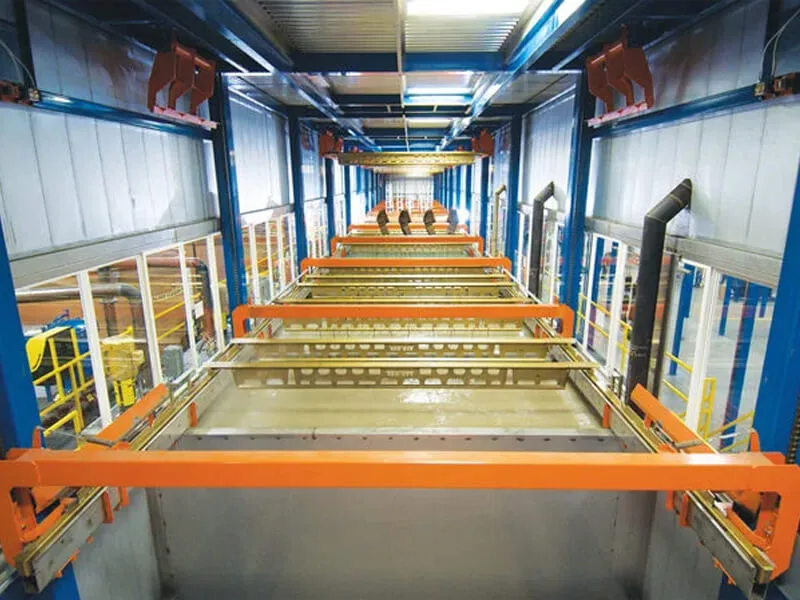
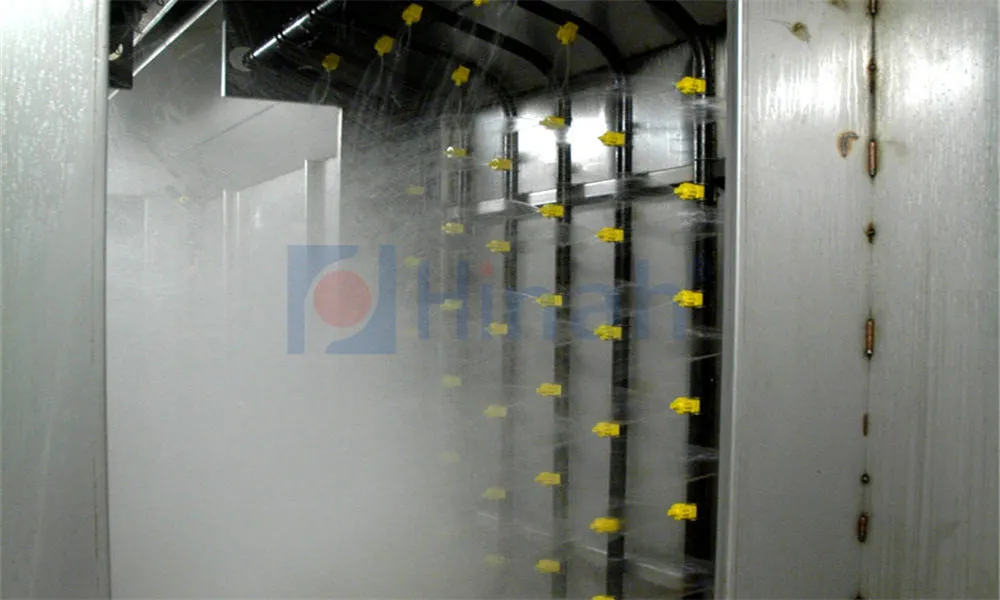
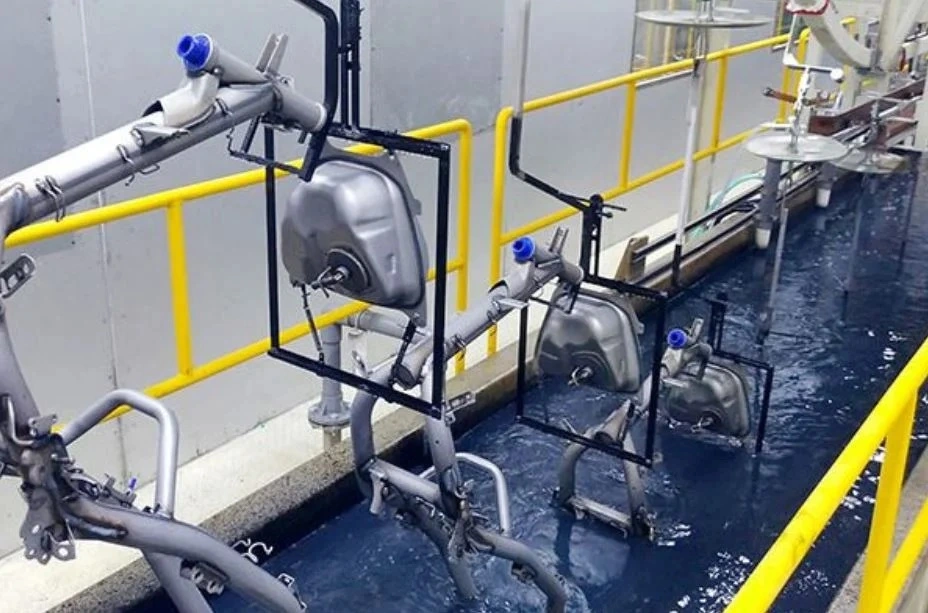
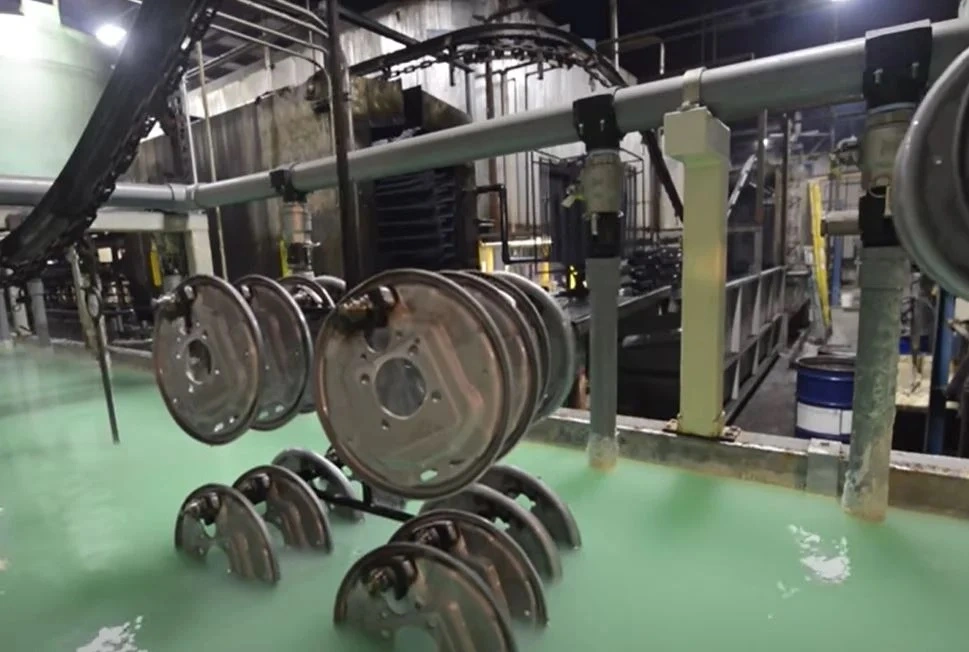
Surface preparation dictates coating adhesion and corrosion resistance. Modern pretreatment typically involves a multi-stage process: alkaline cleaning to remove oils and soils, fresh water rinses, conversion coating (iron phosphate, zinc phosphate, or zirconium-based nanoceramics), and a final sealed rinse. High-end manufacturers offer pretreatment tunnels with precise temperature control, cascade overflow rinses to minimize water consumption, and automatic chemical dosing based on conductivity feedback. For aluminum substrates, chrome-free passivation is increasingly specified to meet environmental regulations.
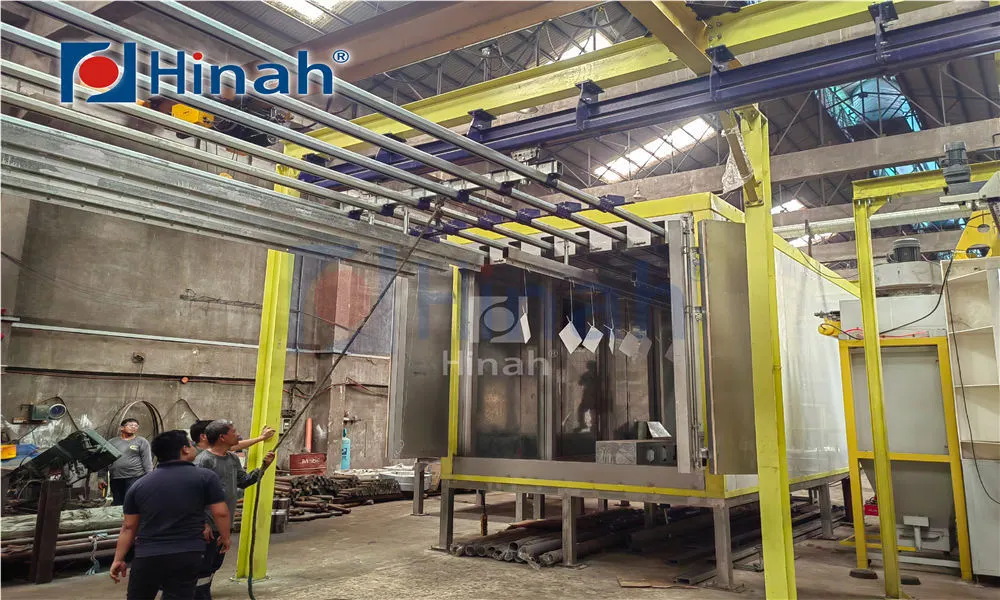
The powder booth is where transfer efficiency and color change flexibility are determined. Advanced booths feature:
- Cartridge or cyclone recovery: Cyclone systems separate overspray for immediate reuse, ideal for single colors; cartridge collectors offer higher filtration efficiency for mixed production.
- Stainless steel construction for easy cleaning and grounding.
- Anti‑spark ventilation meeting NFPA 33 standards.
- Quick‑color‑change designs with smooth walls and automatic purge cycles, reducing changeover time from hours to minutes.
Leading suppliers integrate automatic gun movers and reciprocal / robotic arms that adjust to part geometries, dramatically improving first‑pass yield.
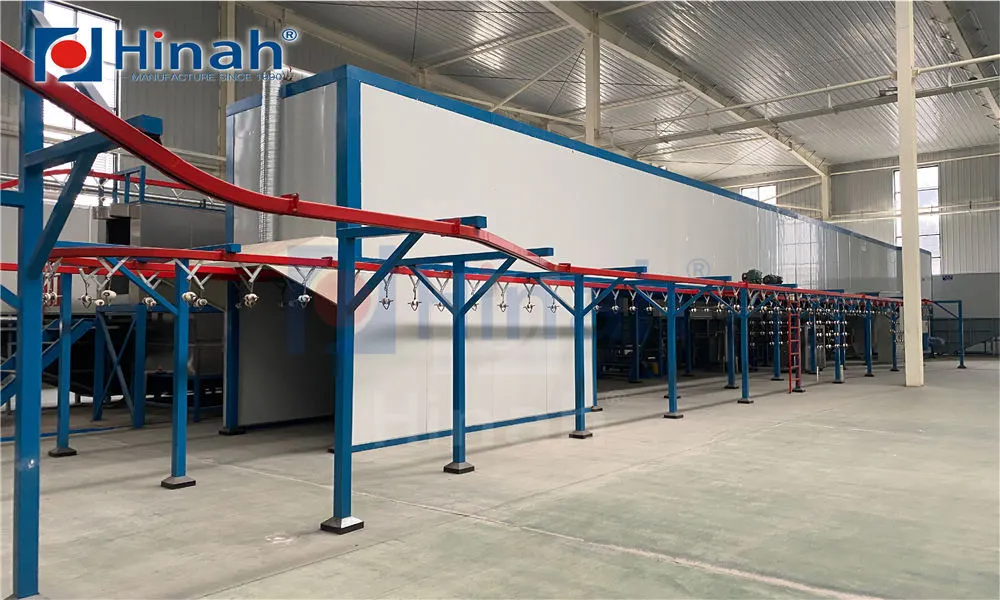
Curing ovens must deliver precise temperature profiles to achieve full cross‑linking of powder coatings. Convection ovens with high‑velocity air nozzles, infrared boosters for heavy sections, or hybrid designs are available. Critical specifications include:
- Temperature uniformity of ±3°C or better across the working zone.
- Insulation thickness of 100–150 mm mineral wool (R‑13 to R‑20) to minimize heat loss.
- Recuperation systems that capture exhaust heat to preheat combustion air.
Manufacturers who perform computational fluid dynamics (CFD) simulations during design can guarantee performance before installation.
The conveyor links all process stages and defines throughput. Options include power‑and‑free conveyors for batch flexibility, overhead monorails for continuous high‑volume lines, or indexed systems for precise process timing. Key considerations are chain pitch, load capacity, and the ability to maintain consistent line speed (±1% variation) to ensure correct cure times. Variable‑frequency drives on conveyor motors allow speed adjustment without mechanical changes.
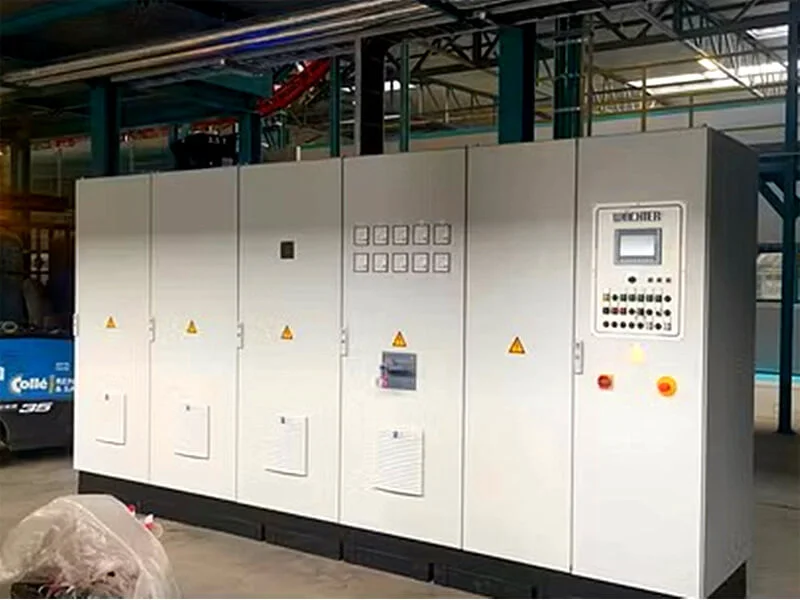
Modern lines are managed by programmable logic controllers (PLCs) with human‑machine interfaces (HMIs) that display real‑time data on temperatures, pressures, powder consumption, and fault alerts. Advanced powder coating line manufacturers now offer SCADA integration, enabling remote monitoring, predictive maintenance alerts (e.g., bearing vibration analysis, filter pressure drop trends), and recipe storage for rapid product changeovers. This data layer is essential for continuous improvement and quality traceability.
When comparing suppliers, ask for documented performance metrics based on similar installations:
First‑pass yield (FPY): Top‑tier lines achieve ≥95% FPY on consistent part geometries.
Transfer efficiency: Modern booths with corona or tribo guns can reach 60–80% transfer efficiency without recovery; with cyclone reclaim, overall utilization exceeds 95%.
Energy consumption per square metre coated: A well‑designed line should consume less than 2.5 kWh/m² (including pretreatment heating and oven).
Color‑change time: For job shops, a change from dark to light should take less than 15 minutes in a booth designed for quick colour change.
Mean time between failures (MTBF) for critical components like pumps, burners, and conveyor drives.
The choice between batch and continuous systems depends on part variety and production volume.
Batch systems are suited for low‑to‑medium volumes (e.g., 50–500 parts/day) with frequent changeovers. They typically include a walk‑in batch oven, a manual or automated batch booth, and a simple overhead hoist or shuttle. Initial investment is lower, and floor space is minimised.
Continuous conveyor lines are designed for high‑volume production (thousands of parts per shift). They maintain a steady flow through pretreatment, application, and curing. Conveyorised lines offer superior consistency and labour efficiency but require larger footprints and longer installation times. Some manufacturers offer hybrid solutions—e.g., a continuous conveyor with multiple off‑line batch booths for specialty colours.
Automation is no longer optional for competitive finishing. Robotic gun movers with part‑recognition software adjust spray patterns in real time, reducing powder usage by 15–25% compared to manual operation. Automated pretreatment lines maintain chemical concentrations and temperatures, cutting chemical consumption and reject rates. Leading powder coating line manufacturers now offer fully integrated Industry 4.0 solutions where data from the line feeds into enterprise resource planning (ERP) systems for just‑in‑time production scheduling.
A major producer of tractor components faced a 20% reject rate due to inconsistent film build and inadequate cure on complex castings. After evaluating several suppliers, they selected HANNA to design a complete turnkey line. HANNA engineered a five‑stage pretreatment system with nanoceramic conversion coating, a stainless‑steel cyclone booth equipped with eight automatic corona guns and three reciprocators, and a gas‑fired convection oven with zoned temperature control validated by CFD. The line also featured a power‑and‑free conveyor that allowed variable dwell times for different part families. Post‑installation, first‑pass yield rose to 97%, energy costs dropped by 18% due to oven recuperation, and colour‑change time was reduced from 45 minutes to under 12. This example illustrates how partnering with an experienced manufacturer yields measurable, rapid ROI.
Purchase price typically accounts for only 20–30% of a powder coating line’s lifetime cost. The balance comprises energy, consumables (powder, chemicals), maintenance, and downtime. When comparing powder coating line manufacturers, request a detailed operating cost projection based on your production mix. Energy‑efficient features—such as variable‑frequency drives, high‑R insulation, and heat recovery—can reduce annual utility bills by tens of thousands of dollars. Likewise, a line designed for quick colour change minimises non‑productive time. A supplier that offers predictive maintenance contracts (e.g., remote monitoring of burner performance, filter condition alerts) can further reduce unplanned downtime by up to 40%.
Regulatory pressures are tightening globally. Powder coating is inherently low‑VOC, but lines must still address pretreatment wastewater, spent powder disposal, and energy use. Progressive manufacturers now offer closed‑loop water recycling in pretreatment, dry‑filter booths that eliminate water wash, and catalytic oxidisers for oven exhaust if required. Some even design lines to be compatible with bio‑based or low‑bake powders (curing at 120–150 °C) that further cut energy consumption. Choosing a manufacturer with a strong environmental engineering background future‑proofs your operation against stricter regulations.
The selection of powder coating line manufacturers is a strategic decision that impacts quality, cost, and competitiveness for a decade or more. By focusing on technical depth—from pretreatment chemistry to Industry 4.0 controls—and demanding verifiable performance data, you can identify partners who bring genuine value. The right manufacturer does not just build a line; they engineer a production asset that delivers consistent, measurable results day after day.
Q1: What is the typical lead time for a custom powder coating line from a manufacturer?
A1: Lead times vary based on complexity and current workload. A standard batch line might be delivered in 8–12 weeks, while a fully integrated continuous conveyor system can take 20–30 weeks from order to commissioning. This includes design, fabrication, and on‑site installation.
Q2: How do I determine the correct line speed for my production needs?
A2: Line speed is calculated from part dimensions, conveyor hook spacing, and required throughput (parts per hour). For example, if you need 100 parts/hour and parts are 1 m long with 0.5 m spacing, the conveyor must move at 2.5 m/min. Reputable manufacturers perform a detailed throughput analysis before quoting.
Q3: Can an existing line be upgraded, or is a full replacement better?
A3: Retrofitting—such as adding automatic guns, upgrading oven controls, or installing a new recovery system—can extend line life and improve efficiency at lower cost than replacement. However, if the pretreatment or oven structure is corroded or the line layout limits throughput, a new line may be more economical long‑term. A manufacturer’s audit can help decide.
Q4: What maintenance agreements do powder coating line manufacturers typically offer?
A4: Many offer annual service contracts that include preventive maintenance visits, calibration of temperature sensors and controllers, and priority response for breakdowns. Advanced providers, like HANNA, now include remote telemetry monitoring where their engineers receive real‑time alerts and can often resolve issues remotely.
Q5: How important is the pretreatment stage for powder adhesion?
A5: Absolutely critical. Poor cleaning or an inadequate conversion coating leads to immediate adhesion failures or premature corrosion. Pretreatment represents about 30% of the line investment but influences 70% of final quality. Always choose manufacturers who design pretreatment stages with precise control and validation.
Q6: What are the signs that a powder coating line manufacturer is truly expert?
A6: Look for in‑house engineering (mechanical, electrical, process), a portfolio of references in your industry, willingness to share thermal uniformity reports and energy consumption data, and membership in professional bodies like the Powder Coating Institute. They should also offer training for your operators and maintenance staff.