In the competitive world of industrial finishing, the difference between a profitable operation and a struggling one often lies in the paint line system. These integrated assemblies are not merely conveyor belts with spray booths; they are sophisticated, precision-engineered ecosystems designed to apply consistent, high-quality coatings to a vast array of products. For manufacturers, an optimized line directly impacts throughput, material costs, environmental compliance, and the durability of the finished goods. This article provides a deep, technical analysis of modern paint line systems, exploring their core components, technological advancements, and the strategic considerations for implementation. We will move beyond surface-level descriptions to examine the engineering principles and data-driven decisions that define best-in-class finishing operations.
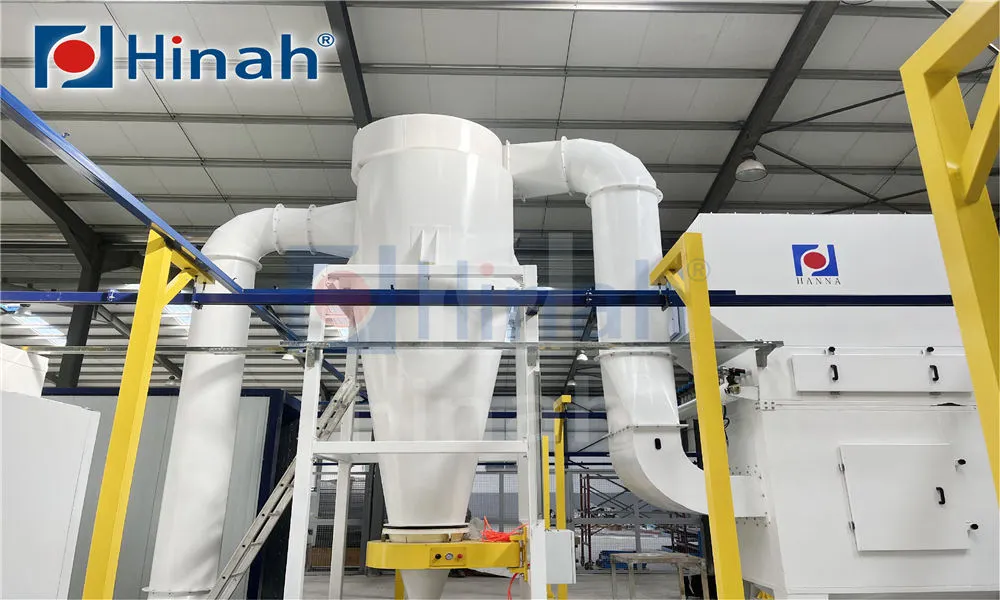
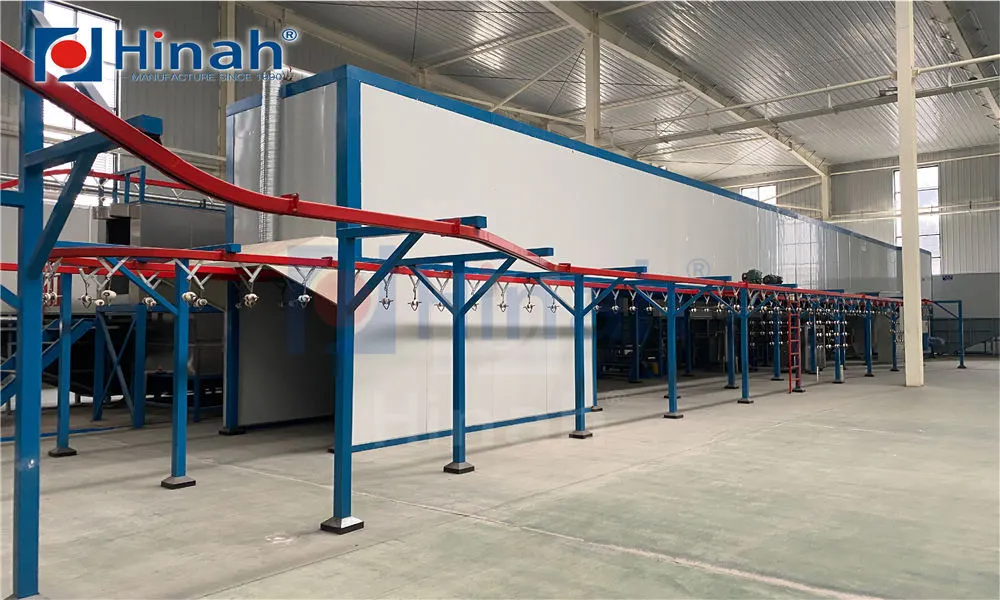
A contemporary paint line system is a symphony of synchronized stages. While the specific configuration varies based on substrate, part geometry, and production volume, the fundamental architecture is universally built around three critical phases: surface preparation, coating application, and curing.
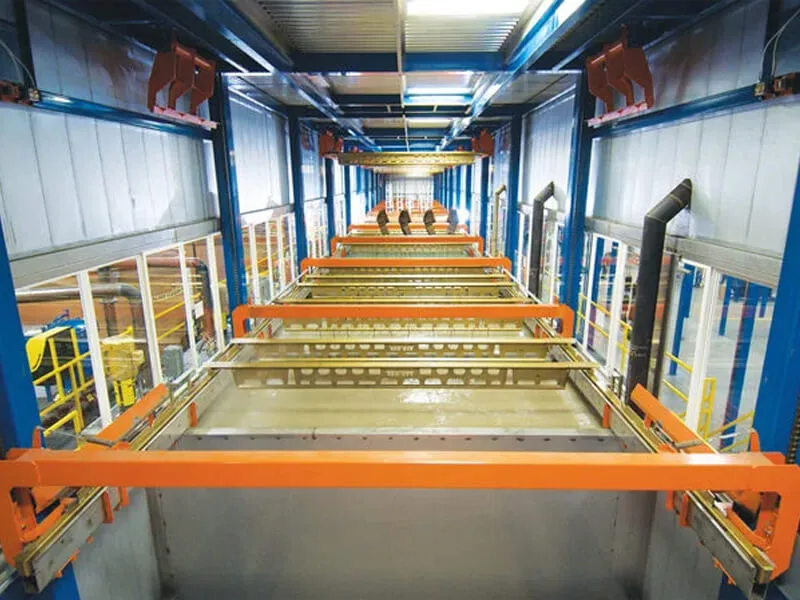
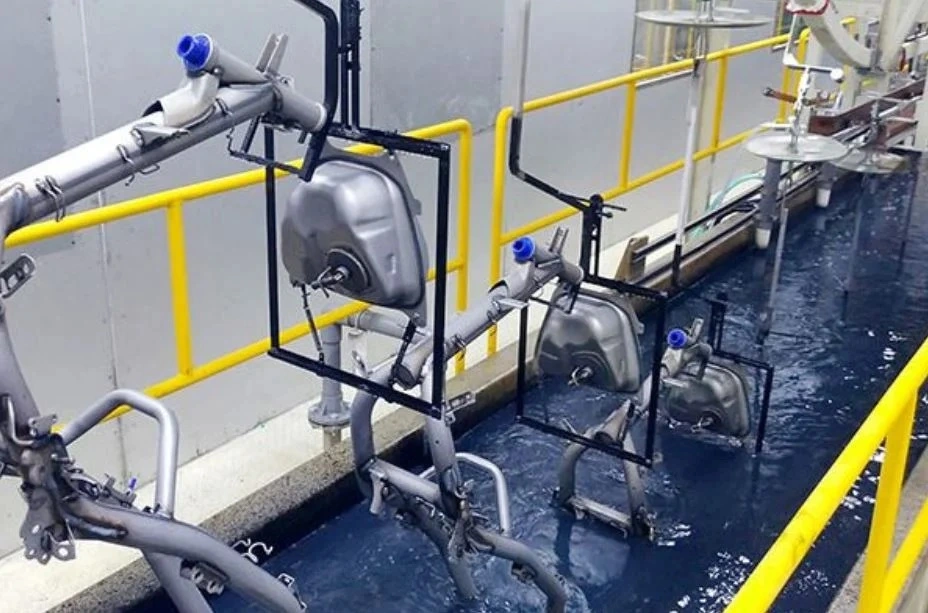
The longevity of any coating is directly proportional to the quality of the surface preparation. Pretreatment removes contaminants like oils, soils, and oxides, while simultaneously creating a conversion coating that promotes adhesion and inhibits corrosion. Modern systems utilize multi-stage spray washers or immersion tanks.
Cleaning and Degreasing: Typically using alkaline or acidic chemistries at controlled temperatures and pressures to achieve a water-break-free surface.
Conversion Coating: Traditional iron or zinc phosphating is being supplemented or replaced by advanced zirconium or silane-based technologies. These newer chemistries operate at ambient temperatures, significantly reducing energy consumption and sludge production—a key sustainability metric.
Sealing and DI Rinse: Final stages often include a non-chrome seal and deionized water rinse to remove any ionic residues that could lead to osmotic blistering.
The application zone is where the coating material is transferred to the part. The choice between liquid spray and powder application dictates the specific equipment configuration.
Liquid Spray Systems: For high-solids or waterborne paints, precision is paramount. High-speed rotary bell applicators or air-assisted airless guns are common in automotive and industrial finishing. Key parameters include fluid delivery rates (measured in cc/min), atomizing air pressure, and electrostatic charge (measured in kV) to maximize transfer efficiency (TE), often exceeding 85% in controlled robotic cells.
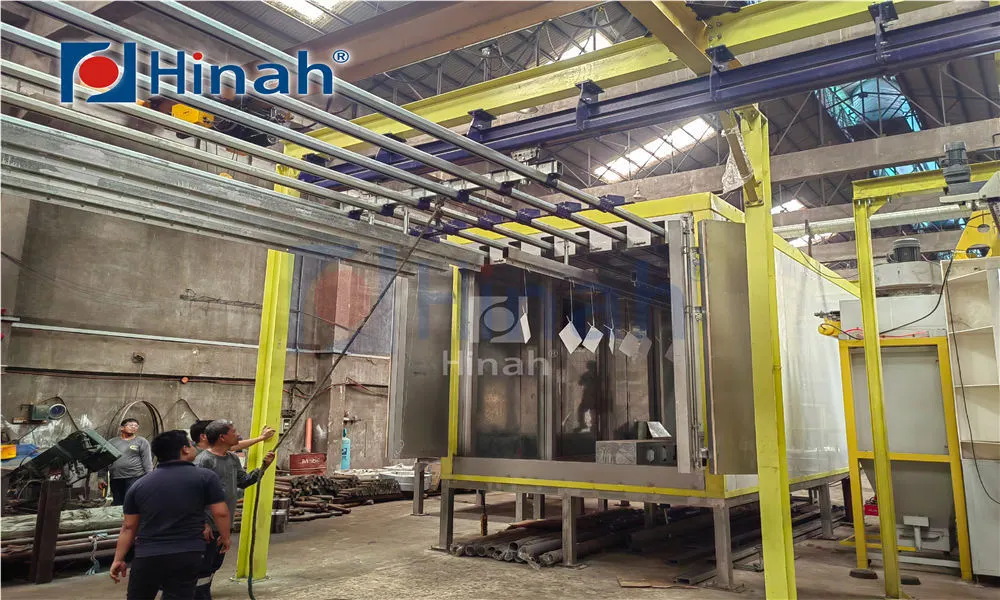
Powder Coating Systems: As a specialist in this domain, HANNA understands that powder application relies on electrostatic charging. Powder particles are fluidized, fed to a spray gun, and charged via corona discharge or tribo-electric friction. The charged powder is attracted to the grounded part. Key metrics here include Faraday cage penetration for complex shapes and controlling film build consistency (typically 2-4 mils).
Curing is the thermal process that transforms the liquid film or powder deposit into a solid, durable coating. For powder coatings, this involves melting, flowing, and chemically cross-linking the polymer chains.
Convection Ovens: The industry workhorse, using gas or electric heat to raise part temperature. Critical design factors include oven profiling (ensuring all parts reach the required metal temperature for the specified time, e.g., 10 minutes at 400°F) and air seal management at entry and exit points to prevent heat loss.
Infrared (IR) Ovens: Highly effective for flat panels or parts with high thermal mass, IR provides rapid heat-up and is often used in booster or combination (IR/Convection) ovens to increase line speed without increasing footprint.
The modern paint line system is increasingly defined by its data integration and control capabilities. Simply moving parts through a process is no longer enough; the system must self-optimize.
Six-axis robots have moved beyond simple spraying to incorporate vision systems for part recognition and path optimization. This allows for true random mixed-model processing, where parts of varying sizes and geometries run sequentially without manual changeover. Benefits include:
Elimination of human error and fatigue-related defects.
Precise control over gun triggering, reducing overspray and paint consumption.
Collection of application data (path speed, gun trigger points) for process validation and continuous improvement.
Sensors and programmable logic controllers (PLCs) form the nervous system. Real-time monitoring of key performance indicators (KPIs) is now standard. This includes:
Oven Temperature Profiling: Wireless data loggers travel with parts, providing detailed time-at-temperature data to ensure cure requirements are met.
Energy Consumption Monitoring: Tracking gas, electricity, and compressed air usage per part or per shift to identify inefficiencies.
Material Usage Tracking: Integrating with the paint kitchen or powder feed system to precisely monitor consumption and trigger reorders.
This data flow allows for predictive maintenance—identifying a failing conveyor bearing or a degrading pump seal before it causes a line stoppage, a capability championed by integrators like HANNA in their advanced system designs.
No two manufacturing environments are identical. A successful paint line system is one that is engineered to solve the specific challenges of its application.
Challenge: Frequent changeovers lead to lost production time, increased material waste (from purging lines), and higher labor costs.
Solution: Implementing quick-color-change (QCC) systems for powder coating, which use a cyclone and dense-phase vacuum technology to recover and reuse powder almost instantly. For liquids, networked color changers at the gun trigger can rapidly switch between paints with minimal solvent purge. Modular system designs allow for flexible configurations that adapt to batch sizes, a key feature of HANNA's engineering approach.
Challenge: In powder coating, electrostatic fields can prevent charged powder from penetrating recessed areas (Faraday cage), resulting in poor coverage.
Solution: Tribo-charging guns, which charge powder through friction rather than a high-voltage electrode, create a charged cloud with less driving voltage, allowing powder to flow more easily into recesses. Robotic gun manipulation, orienting the gun to direct powder into the cage, is also critical.
Challenge: Coating materials like wood, composites, or assembled mechatronic units (with sensors or seals) cannot withstand standard curing temperatures.
Solution: Development of low-bake (e.g., 250°F cure) powder coatings and UV-curable liquid and powder systems. UV curing lines utilize high-intensity lamps to instantly cure a coating at low temperatures, drastically reducing energy costs and enabling finishing of heat-sensitive assemblies.
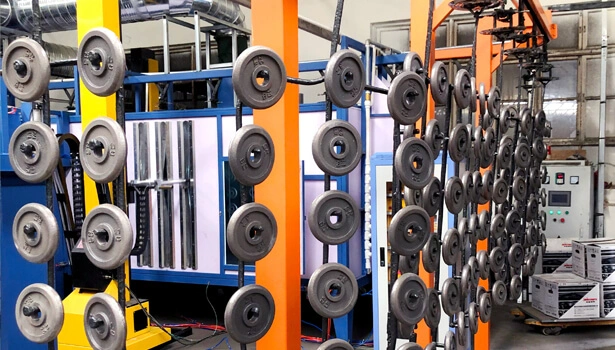
Investment in a new or upgraded paint line system is a significant capital expenditure. The justification must be built on a clear analysis of operational expenditures (OPEX).
A modern system reduces TCO through several mechanisms:
Material Savings: Higher transfer efficiency (from 40% manual to 85%+ automated) directly reduces paint/powder purchases.
Energy Savings: Insulated ovens, high-efficiency burners, and heat recovery wheels can cut natural gas consumption by 30-50% compared to legacy systems. Zirconium pretreatment slashes the energy required to heat process baths.
Labor Efficiency: One operator can oversee an automated line that previously required five manual sprayers, with a corresponding increase in throughput per labor hour.
Reduced Rework and Scrap: Precision control minimizes defects, eliminating the costly loop of stripping and recoating parts.
Regulatory pressure (e.g., on Volatile Organic Compounds (VOCs) and Hazardous Air Pollutants (HAPs)) is intensifying. Modern paint line systems are designed for environmental stewardship.
Closed-loop cooling and wash systems drastically reduce water usage.
Dry scrubber or cartridge collector systems in powder coating achieve 99%+ material recovery, eliminating solid waste sent to landfill.
For liquid lines, regenerative thermal oxidizers (RTOs) destroy VOC-laden exhaust air with up to 99% efficiency, often using the captured heat to pre-heat oven air.
Selecting a partner for a paint line system requires evaluating more than just hardware.
The process begins with a detailed audit of current and future needs:
Part Mix and Throughput: Maximum part envelope, line speed (feet per minute), and required hooks per hour.
Quality Standards: Required performance tests (ASTM B117 salt spray, QUV weathering, impact resistance, cross-hatch adhesion).
Utility Footprint: Available floor space, electrical capacity, gas supply, and exhaust handling.
A turnkey provider like HANNA brings value beyond component sourcing. They provide process engineering expertise, ensuring that the washer, oven, and application equipment are correctly sized and balanced. They also manage installation, startup, and crucial operator training—a factor often cited as the #1 determinant of a successful launch. As noted in their literature, full installation and training services ensure optimal performance from day one.
The paint line system has evolved from a necessary production step into a strategic asset. By integrating precision engineering, advanced automation, and data-driven process control, manufacturers can achieve levels of quality, efficiency, and sustainability that directly impact their bottom line. Whether the goal is to reduce cost per part, enter new markets with superior finishes, or comply with stringent environmental regulations, a deep understanding of the technologies and trade-offs involved is essential. Investing in a modern, well-engineered system, supported by experts who understand the entire process ecosystem, is an investment in long-term manufacturing excellence.
A1: The lead time for a custom system, such as those engineered by HANNA, can vary significantly based on complexity and scope. Typically, the timeline from initial process specification to full installation and commissioning ranges from 8 to 16 weeks. This includes engineering, fabrication, delivery, on-site assembly, and startup. More complex, high-volume systems with specialized robotics or oven configurations may require a longer timeline.
A2: Yes, modern systems are designed with flexibility in mind. Features like quick-color-change (QCC) modules for powder, programmable logic controller (PLC)-controlled conveyor speeds, and robotic path programming allow for seamless transition between different part sizes and batch quantities. This design philosophy ensures the line can operate profitably for just-in-time small batches as well as continuous high-volume production without sacrificing efficiency.
A3: A comprehensive maintenance plan is crucial for uptime and quality. Daily tasks include cleaning spray gun tips and checking powder feed hoses. Weekly maintenance involves inspecting conveyor lubrication systems, checking chain tension, and cleaning booth filters. Monthly or quarterly, critical tasks include calibrating oven temperature sensors, inspecting burner components, and verifying the electrical grounding of all conveyor hangers. We also recommend semi-annual professional inspections of the entire system to identify potential issues before they cause downtime.
A4: Integration is a common requirement, and reputable system providers design for it. The key is to ensure the new application equipment's footprint, control systems (PLC), and conveyor interface are compatible with your existing infrastructure. This often involves retrofitting the control architecture to allow for synchronized operation. A thorough on-site audit by your supplier is the first step to determine necessary mechanical and electrical adaptations, ensuring seamless operation and minimal disruption during installation.
A5: Upgrading to a modern, energy-efficient system can yield substantial savings. You can typically expect a 20-40% reduction in natural gas consumption through the use of high-efficiency oven burners, improved insulation, and heat recovery systems. Furthermore, switching from iron phosphate to advanced zirconium pretreatment can reduce the energy required for heating process tanks by up to 70%. These savings, combined with reduced compressed air usage from efficient components, contribute to a compelling return on investment.
A6: Modern automated application equipment is engineered to handle a very wide spectrum of industrial coatings. For liquid systems, this includes solvent-based paints, waterbornes, high-solids, and two-component (2K) materials. For powder systems, the equipment is compatible with all major resin types, including epoxy, polyester (for outdoor durability), hybrid (epoxy-polyester), polyurethane, and acrylics, as well as specialized formulations like metallic, textured, or low-cure powders. Your equipment supplier should confirm material compatibility during the design phase.