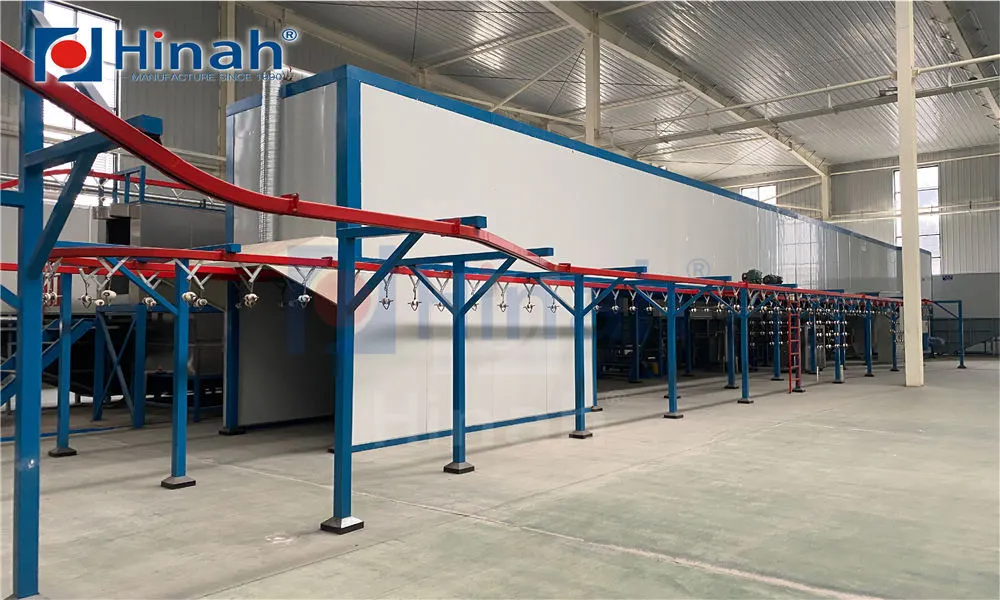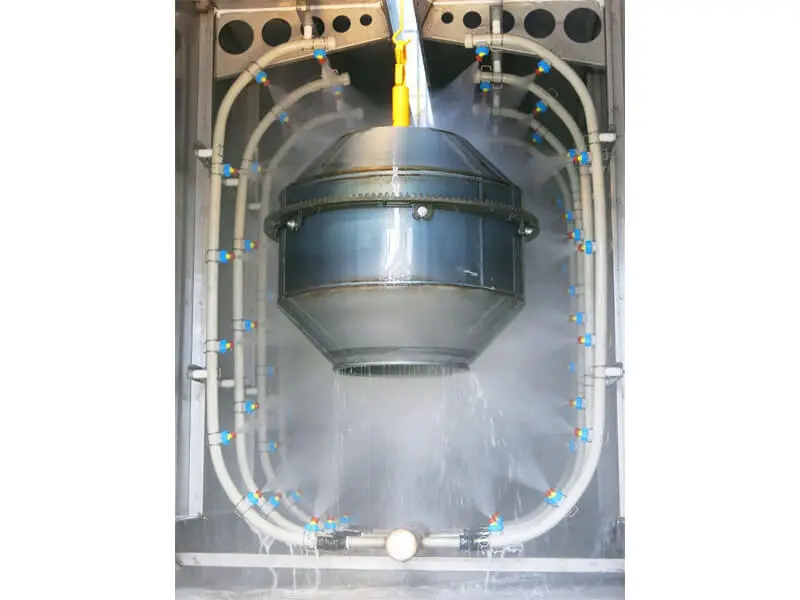
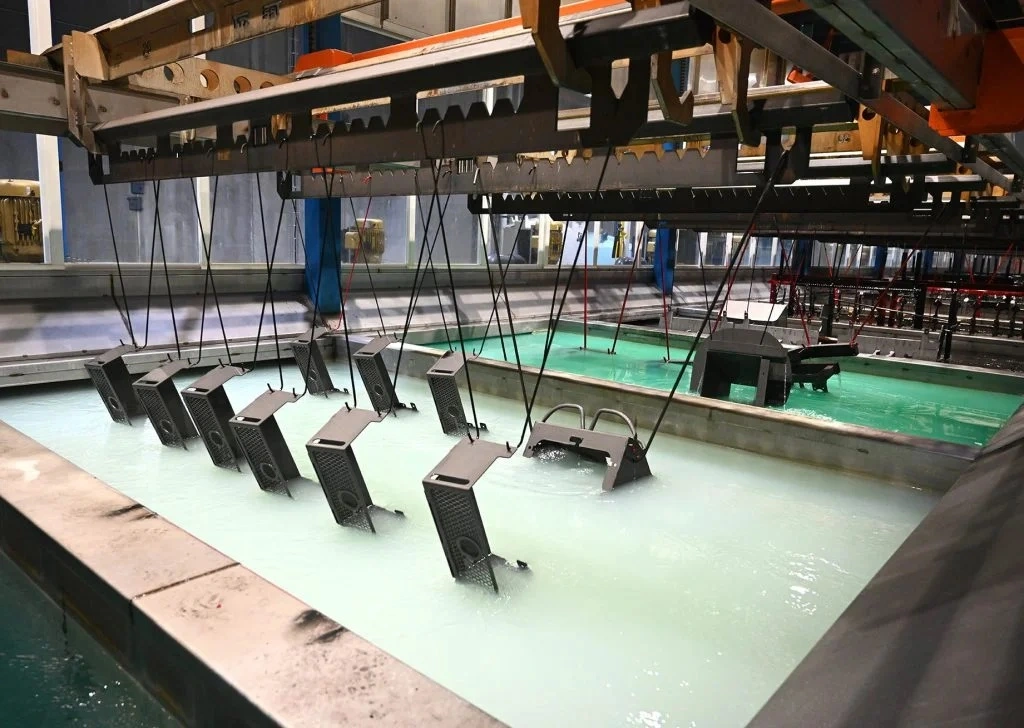
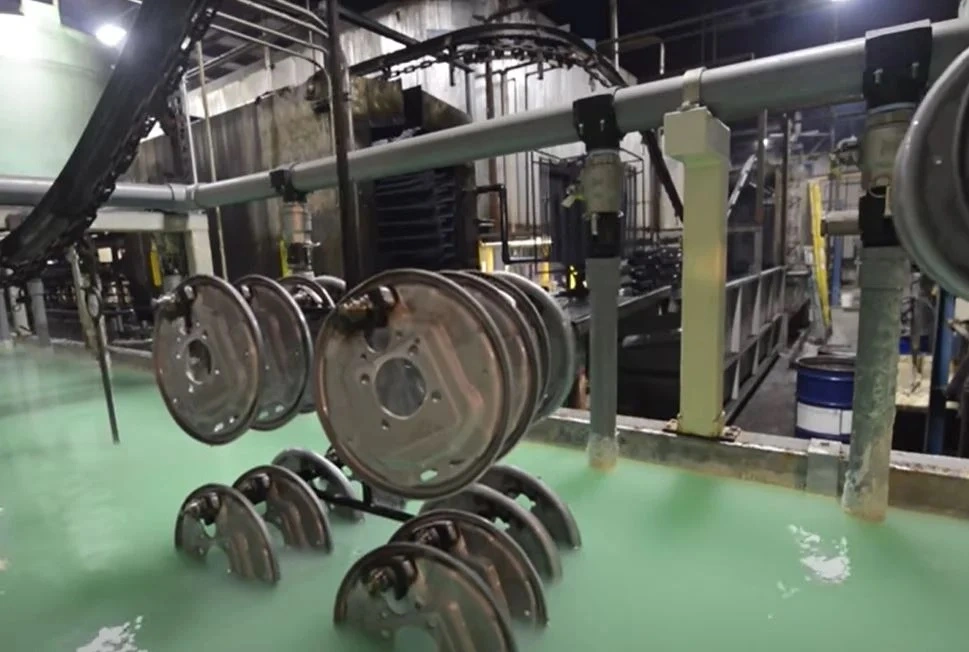
Setting up a professional powder coating line requires two core pieces of equipment: a powder coating oven and spray booth. This combination is fundamental for achieving durable, high-quality finishes on metal products. Selecting the right system directly impacts your productivity, finish quality, and operational costs.
For businesses investing in this technology, understanding the features and proper integration of the powder coating oven and spray booth is critical. HANNA, a leading manufacturer in industrial finishing systems, provides robust and efficient solutions designed for performance and longevity.
A successful powder coating process hinges on the seamless operation between the powder coating oven and spray booth. The booth is where the powder is precisely applied, while the oven is where the chemical cross-linking, or curing, takes place. Investing in well-matched equipment from a trusted brand like HANNA ensures consistency and reliability.
A complete line involves more than just the two main units. Let's break down the essential elements.
The booth's primary function is to contain overspray and provide a clean, controlled environment for application.
Types of Powder Coating Booths
There are several designs, each suited to different production needs. The most common is the single-stage dry filter booth. It's efficient for most applications, using cartridge filters to capture overspray. For higher volume or color-change flexibility, a multi-stage or cyclone recovery booth is ideal. HANNA offers various configurations to match your specific throughput and color change frequency.
Key Features to Look For
When evaluating a booth, consider its airflow design. A uniform downdraft or crossdraft pattern ensures clean application and contains powder. The filter system is vital; high-quality cartridge filters from HANNA maximize powder recovery and maintain air quality. Construction quality matters too—look for sturdy, sheet metal construction with smooth interiors for easy cleaning.
The curing oven is where the magic happens. It applies controlled heat to melt and flow the powder, then triggers the chemical cure for a hard finish.
Electric vs. Gas-Powered Ovens
Your choice depends on available utilities and operating costs. Electric ovens, like many from HANNA, offer precise temperature control and are often simpler to install. Gas-fired ovens typically have lower operating costs in areas with inexpensive natural gas and are excellent for rapid heat-up times and larger workloads.
Insulation and Airflow Design
Proper insulation minimizes heat loss and improves energy efficiency. HANNA ovens feature high-density insulation for stable temperatures. Internal airflow, driven by a recirculating fan system, is crucial. It must provide consistent, uniform heat distribution throughout the oven chamber to prevent under- or over-curing parts.
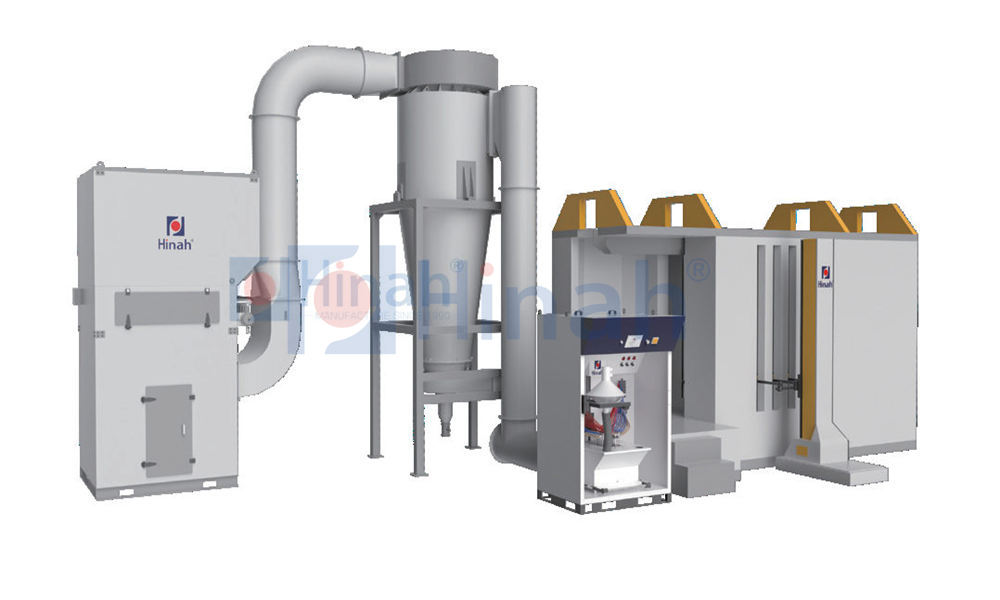
Selecting equipment isn't a one-size-fits-all decision. You must analyze your specific production requirements.
Assessing Your Production Needs
Start by defining your part size, shape, and volume. The dimensions of your largest part dictate the interior size of both the powder coating oven and spray booth. Your daily or hourly production volume determines the required curing cycle time and booth recovery speed. HANNA engineers can help you calculate these critical metrics.
Space and Utility Considerations
Map your available floor space carefully. Remember to account for part loading/unloading zones and conveyor paths if used. Utility requirements are a major factor. Ensure you have adequate electrical supply for electric ovens or proper gas line and ventilation for gas models. The powder coating oven and spray booth will also need compressed air.
Installation and Operational Best Practices
Proper setup and operation are key to getting the most from your investment.
Professional Installation and Integration
A proper installation ensures safety and efficiency. The powder coating oven and spray booth should be integrated with a safe distance between them, often with a cooling zone if on a conveyor. Electrical and control systems must be correctly configured. HANNA provides detailed installation guidance and support to ensure your system runs optimally from day one.
Routine Maintenance for Longevity
Regular maintenance prevents downtime. For the spray booth, this means daily checks of filter pressure drop and regular cleaning or replacement of filters. The oven requires inspection of heating elements, burners (if gas), and recirculating fans. Keeping booth walls and oven interiors clean prevents contamination. A well-maintained powder coating oven and spray booth from HANNA will deliver years of reliable service.
Achieving a flawless, durable powder-coated finish is a direct result of using a properly specified and maintained powder coating oven and spray booth. By understanding the role of each component and choosing equipment built for durability and performance, like that from HANNA, you invest in the foundation of your finishing quality. Prioritize robust construction, energy efficiency, and a design that fits your workflow to maximize your return on investment and customer satisfaction.
Q1: Can I buy just a powder coating oven or just a spray booth, or do they need to be a matched set?
A1: While you can purchase them separately, for optimal performance and safety, it is highly recommended to use a powder coating oven and spray booth designed to work together or from the same manufacturer like HANNA. This ensures compatibility in airflow, control systems, and safety features, providing a seamless and efficient process.
Q2: How do I determine the correct size for my powder coating oven?
A2: The oven interior must accommodate your largest parts with sufficient clearance (typically 6-12 inches) on all sides for proper air circulation. Consider your rack or conveyor configuration and future part sizes. HANNA can assist with layout drawings to help you specify the ideal chamber dimensions.
Q3: How often do the filters in the spray booth need to be changed?
A3: Filter change frequency depends on powder usage. Monitor the pressure gauge on the booth; when the static pressure drop reaches the manufacturer's recommended limit (often indicated by a red zone), it's time to change the filters. For a typical shop, this might be every few weeks to months. HANNA booths feature clear gauges for easy monitoring.
Q4: What safety features are most important for a powder coating system?
A4: Key safety features include properly grounded booth and gun systems to prevent static discharge, explosion-relief panels on the oven, high-temperature limit switches and alarms on the oven, and adequate ventilation. All HANNA powder coating oven and spray booth systems are designed with these critical safety standards in mind.
Q5: Is it more cost-effective to choose an electric or gas-fired powder coating oven?
A5: The answer depends on your local utility rates, production volume, and heat-up needs. Electric ovens have higher per-unit energy costs but nearly 100% efficiency and lower installation costs. Gas ovens generally have lower fuel costs and faster heat-up times, making them more cost-effective for high-volume, continuous operation. HANNA can provide efficiency data to help you compare.