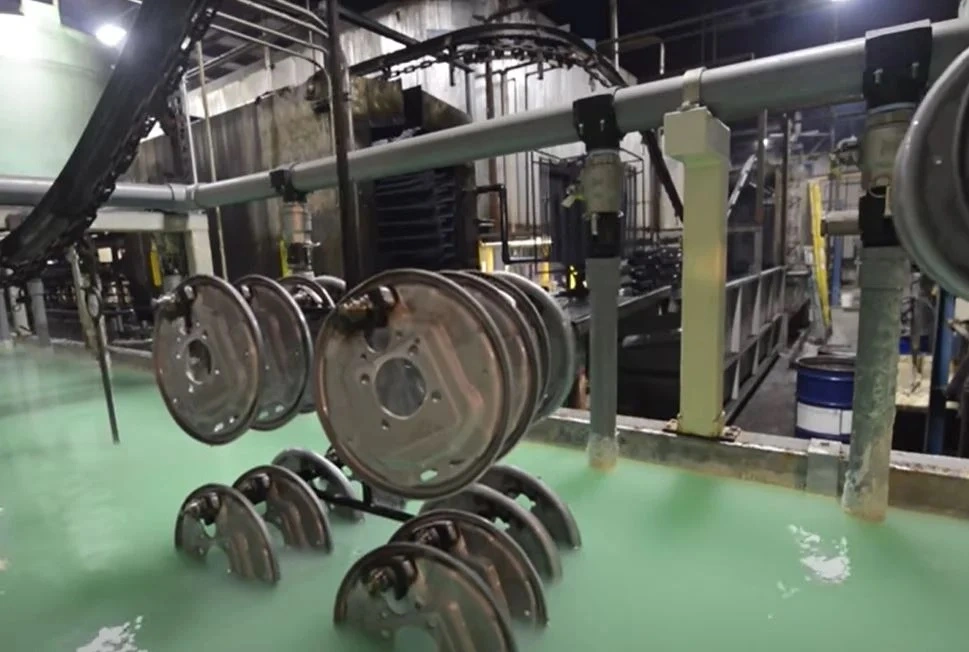
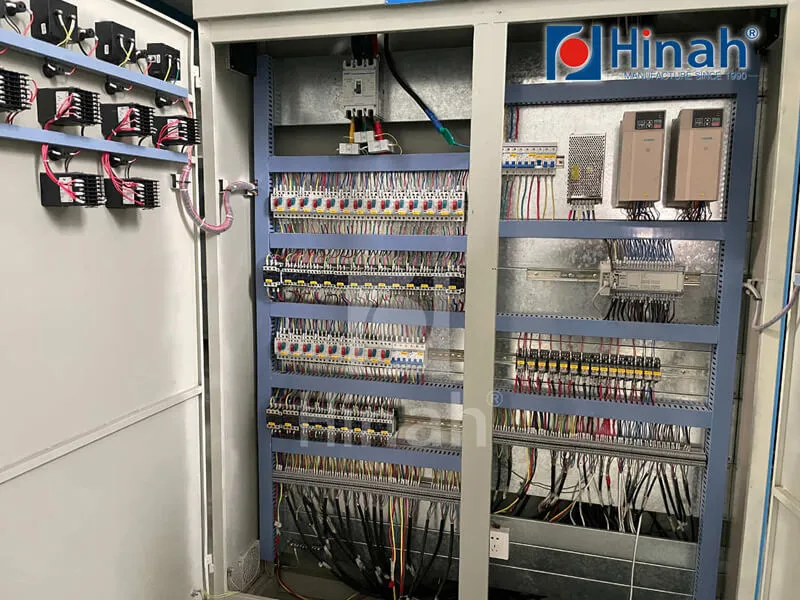

Investing in a professional powder coating line is a significant decision for any fabrication, manufacturing, or finishing business. The heart of this operation lies in two critical pieces of equipment: the powder coating oven and the spray booth. Selecting the right system directly impacts finish quality, productivity, and your bottom line.
This guide provides seven essential tips to help you navigate the selection process. Whether you're setting up a new facility or upgrading your current setup, understanding these key factors will ensure you partner with a reliable provider like HANNA for a solution that drives efficiency and growth.
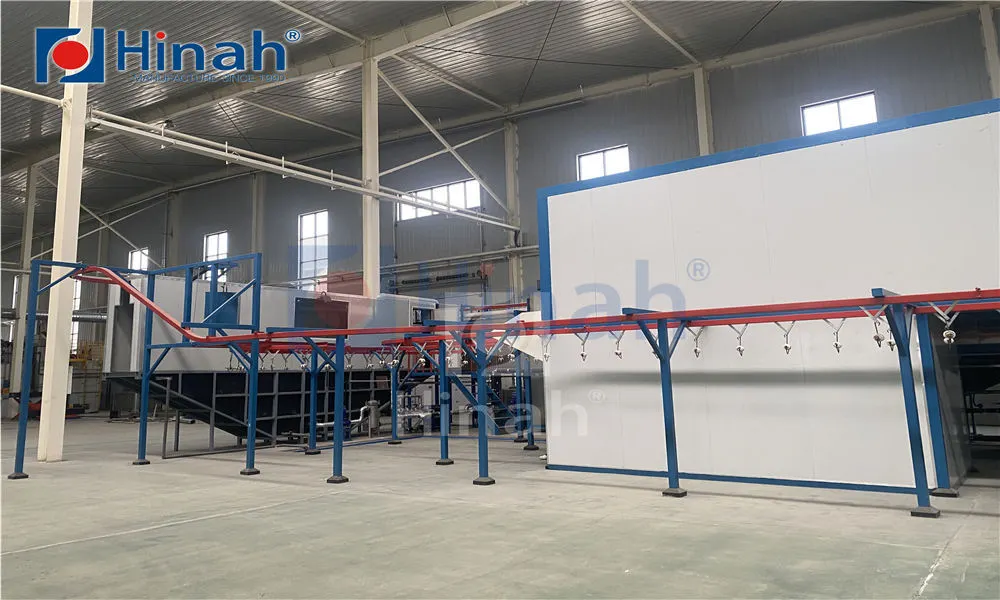
A common misconception is that these units work independently. In reality, they are interconnected stages in a seamless process.
The powder coating spray booth is where the magic of application happens. It’s a controlled environment designed for safety and efficiency. It contains overspray, protects operators, and ensures clean air circulation through sophisticated filtration systems.
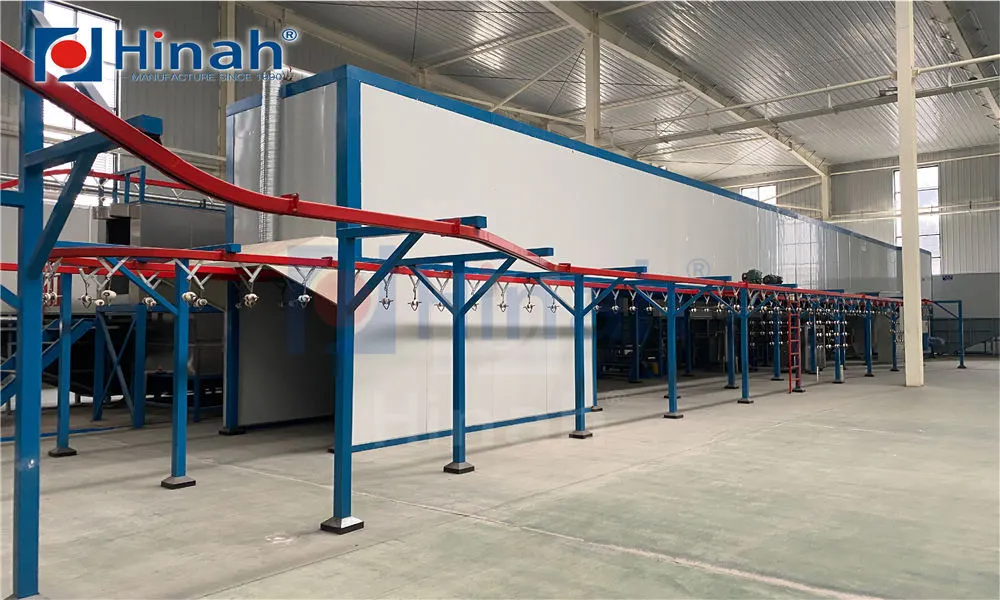
The powder coating oven, or curing oven, is where the applied powder transforms into a durable finish. Through controlled heat, it triggers a chemical cross-linking reaction, melting the powder into a smooth, continuous film.
Choosing mismatched equipment can create bottlenecks. Your booth’s output must align with your oven’s curing cycle time for optimal workflow.
Your spray booth is the frontline of your coating operation. Efficiency here sets the stage for everything that follows.
Look for a booth design that maximizes powder transfer efficiency. This means more powder adheres to the part, and less becomes reclaimable overspray. Efficient recovery systems are crucial for cost-saving, especially when using expensive specialty powders.
Proper airflow design is non-negotiable. It ensures operator safety by containing particles and provides a clean application environment free from contaminants. A well-designed powder coating spray booth from a specialist like HANNA minimizes downtime for cleaning and filter changes.
The curing process is a science. Inconsistent heat can lead to under-curing (poor adhesion and durability) or over-curing (brittleness and discoloration).
Key oven performance metrics include heat uniformity and recovery rate. A high-quality powder coating oven will maintain a consistent temperature (±5°C or better) across all zones. The recovery rate—how quickly it regains temperature after loading—determines your batch cycle time.
Consider the heat source: electric, gas, or infrared. Each has merits depending on your part mix, energy costs, and production volume. Convection ovens are versatile, while IR ovens offer speed for certain applications.
Off-the-shelf systems often force you to compromise. Your products, production volume, and facility are unique. A customized powder coating oven and spray booth system is frequently the most intelligent investment.
A custom design considers your largest and most complex parts. It accounts for your facility’s footprint, ceiling height, and utility access. It optimizes workflow to minimize handling and transfer time between the booth and oven.
Providers like HANNA excel in engineering tailored solutions. A customized system eliminates bottlenecks, reduces energy waste, and is designed to scale with your future growth.
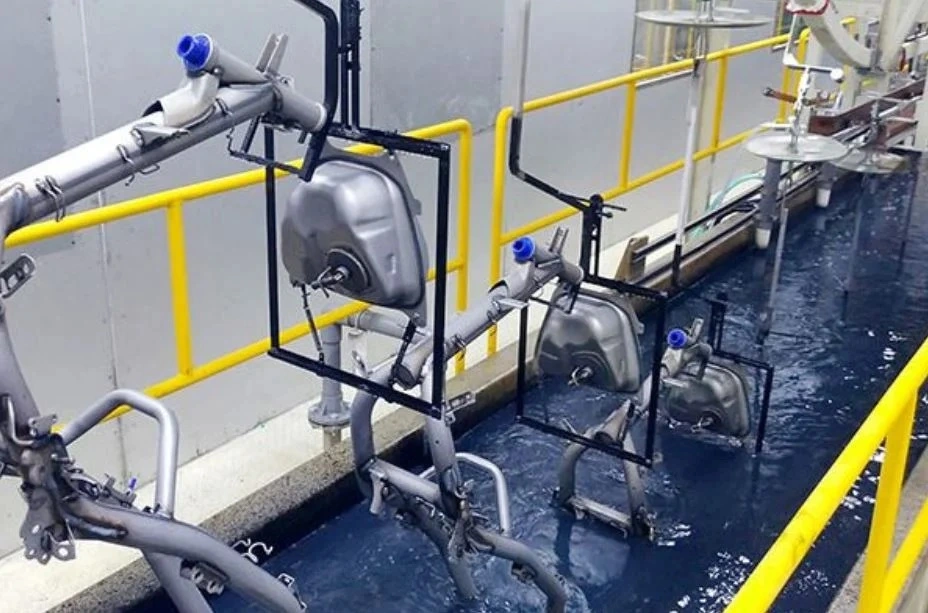
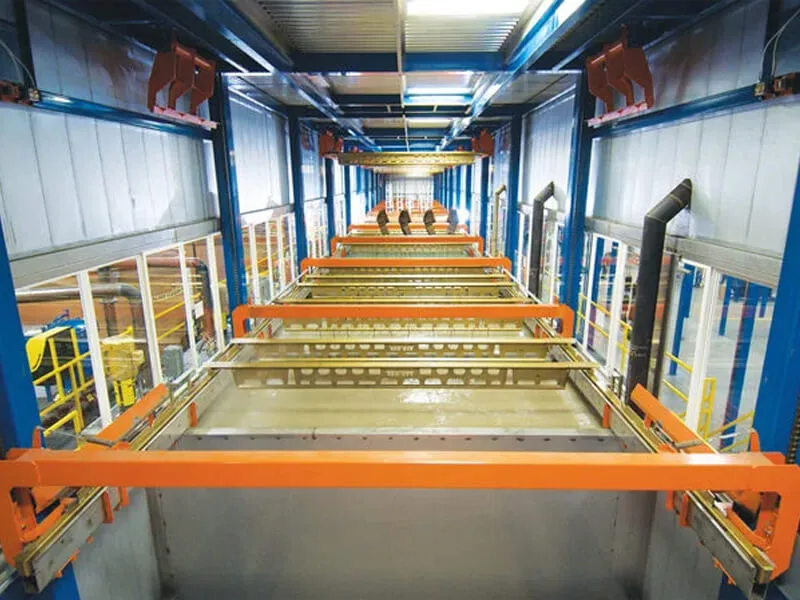
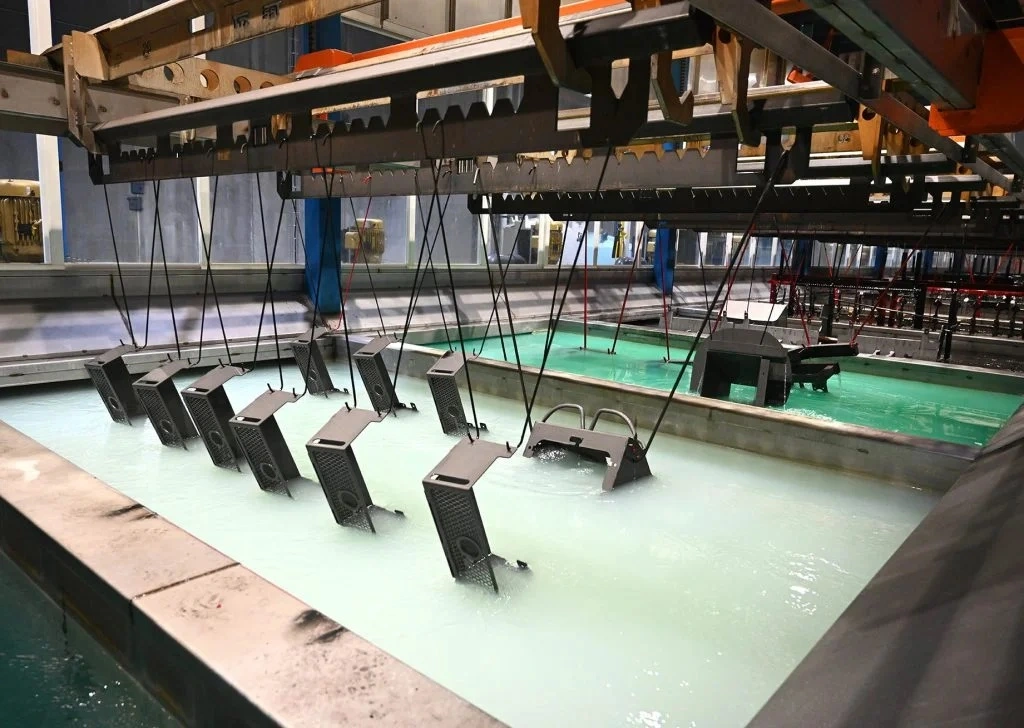
For medium to high-volume production, integration is key. A fully integrated powder coating line seamlessly moves parts from pre-treatment to the spray booth, into the curing oven, and onto cooling.
This involves synchronized conveyors (monorail, belt, or overhead), intelligent control systems, and safety interlocks. An integrated line maximizes throughput, reduces labor costs, and ensures consistent process control.
When discussing your powder coating oven and spray booth, think about future automation. Choosing a modular provider ensures your system can evolve.
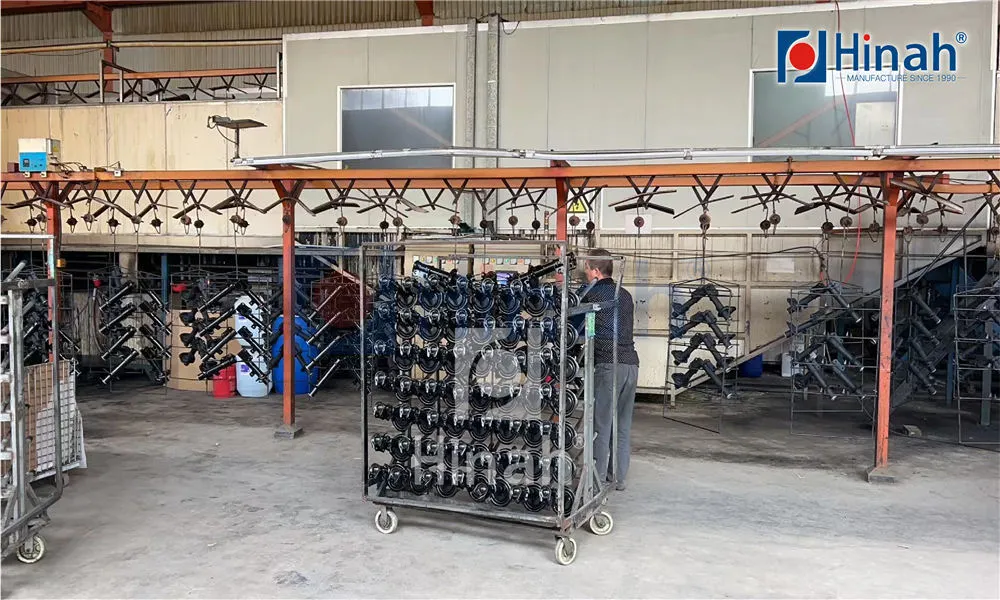
Curing ovens are significant energy consumers. An energy-inefficient design becomes a perpetual drain on profitability.
Modern ovens incorporate features like high-efficiency burners, improved insulation (R-values), and heat recapture systems. Direct-fired versus indirect-fired ovens also present different efficiency profiles.
While an energy-efficient powder coating oven may have a higher initial cost, the long-term savings on gas or electricity can be substantial. Always calculate the total cost of ownership, not just the purchase price.
Your relationship with the equipment manufacturer doesn’t end at delivery. Consider their expertise in engineering, installation support, and after-sales service.
A partner like HANNA provides comprehensive support. This includes detailed site planning, professional installation, thorough operator training, and readily available technical support and spare parts. This ensures your powder coating spray booth and oven deliver peak performance for years.
Choosing the right powder coating oven and spray booth is a strategic decision. By focusing on synergy, efficiency, precision, customization, integration, energy savings, and manufacturer support, you invest in a cornerstone of your quality and productivity.
For a system engineered to your exact requirements, contact HANNA’s application experts today.
Q1: What is the typical lead time for a custom powder coating oven and spray booth system from HANNA?
A1: Lead times vary based on the system's complexity and customization level. A standard, moderately customized powder coating line from HANNA typically has a lead time of 12-16 weeks from final design approval. This includes engineering, fabrication, and pre-shipment testing. We provide detailed project timelines during the quotation phase.
Q2: How do I determine the right size for my powder coating oven?
A2: Sizing depends on your largest parts, desired production rate (lbs/hour), and cure cycle parameters. Key factors include internal oven dimensions, required temperature, and heat load of your parts. HANNA's engineering team will perform a detailed heat load calculation and workflow analysis to recommend the optimal size for your powder coating oven and spray booth combination.
Q3: Can HANNA integrate a new spray booth with my existing curing oven?
A3: Yes, in many cases, HANNA can design a new powder coating spray booth to integrate with your existing oven. Our engineers will assess your current oven's capabilities, control system, and physical layout to ensure compatibility. We often retrofit controls and conveyors to create a cohesive, efficient line.
Q4: What maintenance does a powder coating spray booth require?
A4: Regular maintenance is crucial for performance and safety. Daily tasks include cleaning booth walls and floors, checking filters for loading, and inspecting gun components. Weekly and monthly schedules involve detailed filter cleaning/replacement, checking air balance, and inspecting recovery system cyclones or cartridges. HANNA provides detailed maintenance manuals and schedules with every installation.
Q5: What safety features are essential in a powder coating oven and booth system?
A5: Critical safety features include:
Spray Booth: Proper grounding, explosion-proof lighting and motors, fire suppression systems, and adequate airflow for breathable air.
Curing Oven: High-limit temperature controllers, excess temperature controllers, proper ventilation for fumes, air flow safety switches, and emergency exhaust. All HANNA systems are designed and built to comply with relevant NFPA, OSHA, and other regional safety standards.