
Choosing the right partner to design, engineer, and install your industrial finishing system is a decision that impacts production capacity, product quality, and operational costs for decades. With numerous suppliers claiming expertise, procurement professionals must evaluate potential partners based on tangible engineering capabilities, industry experience, and post-installation support. This article provides a systematic framework for assessing a powder coating plant manufacturer, focusing on the technical competencies and service offerings that separate commodity suppliers from true integration experts.
A reputable powder coating plant manufacturer must demonstrate the ability to move beyond standard designs. Off-the-shelf solutions rarely fit the unique constraints of existing facilities, part geometries, or production targets. Engineering depth is evidenced by in-house design teams proficient in mechanical, electrical, and thermal engineering.
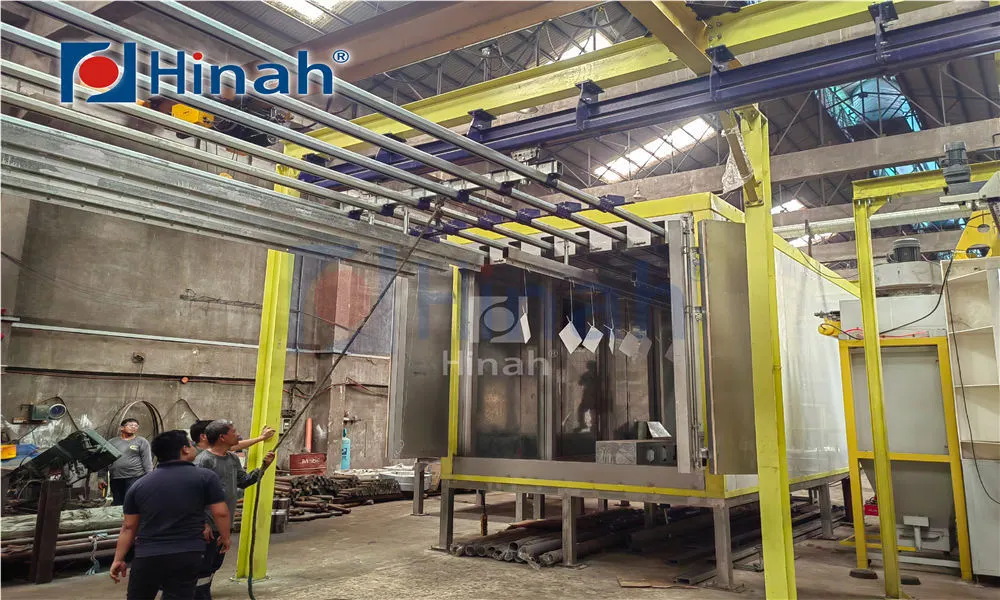
For critical components like paint drying ovens, advanced manufacturers utilize computational fluid dynamics (CFD) to model airflow and temperature distribution before fabrication. This ensures that parts with complex geometries receive uniform heat, eliminating cold spots and reducing the risk of under-curing. Ask potential suppliers for examples of CFD simulations performed for previous clients.
While modular designs can reduce initial costs and installation time, they may not accommodate unusual part sizes or high-volume requirements. A top-tier powder coating plant manufacturer offers both approaches, tailoring the solution to the client's specific needs. They should provide detailed 3D layouts showing how the equipment integrates with existing building columns, utilities, and material flow paths.
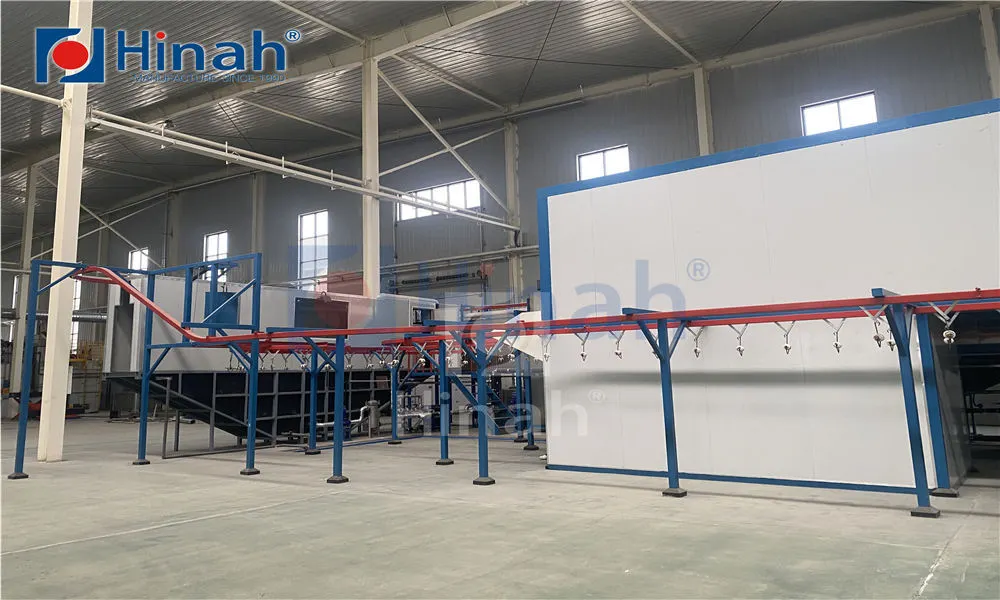
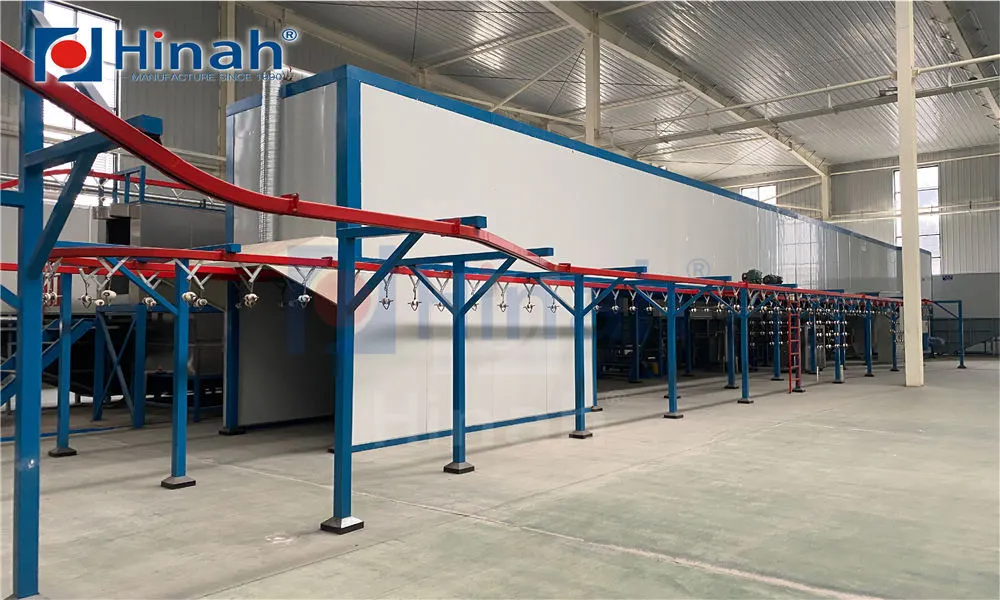
A complete finishing line involves multiple interdependent subsystems. The chosen powder coating plant manufacturer should have proven expertise across all stages, ensuring seamless integration and single-source accountability.
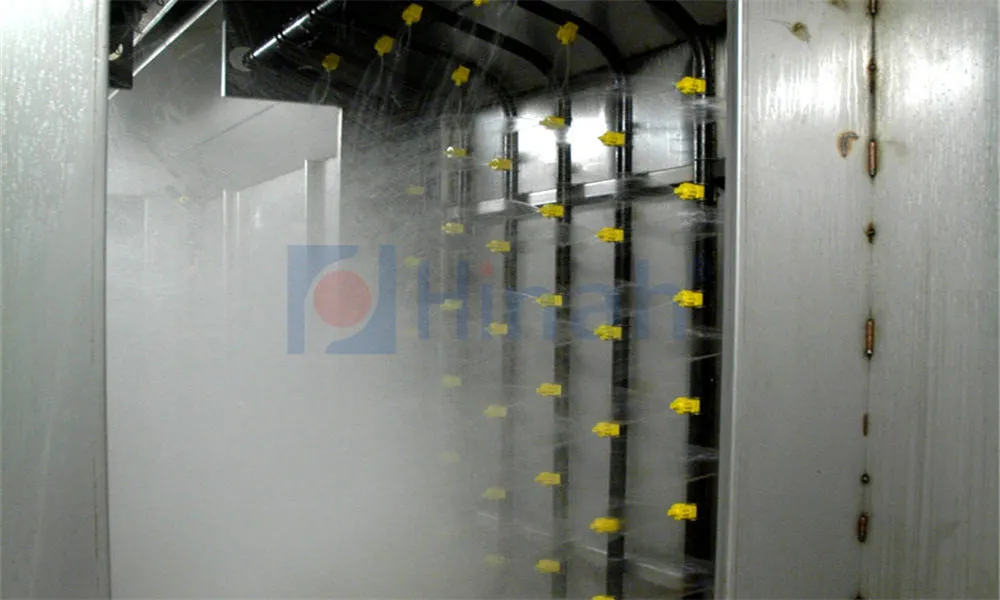
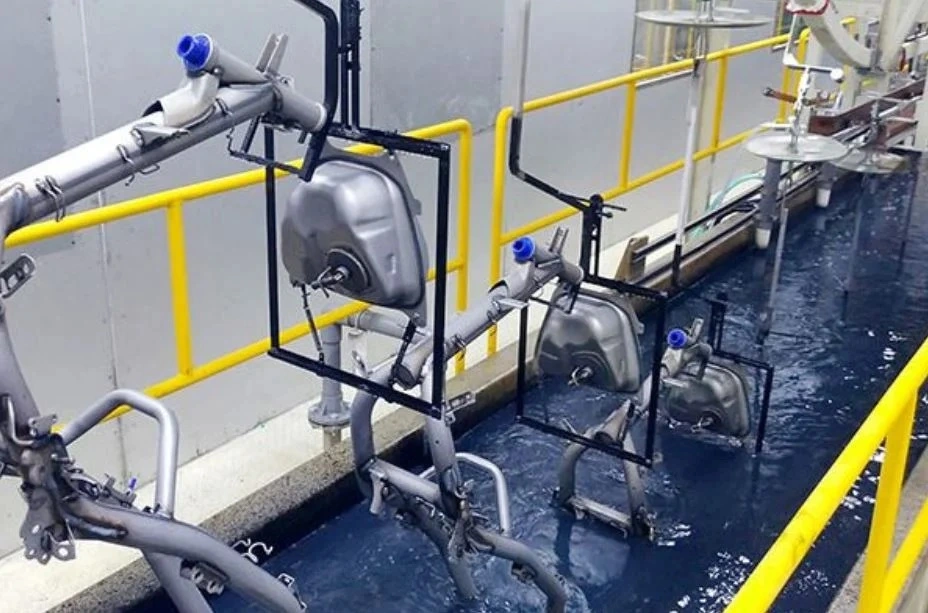
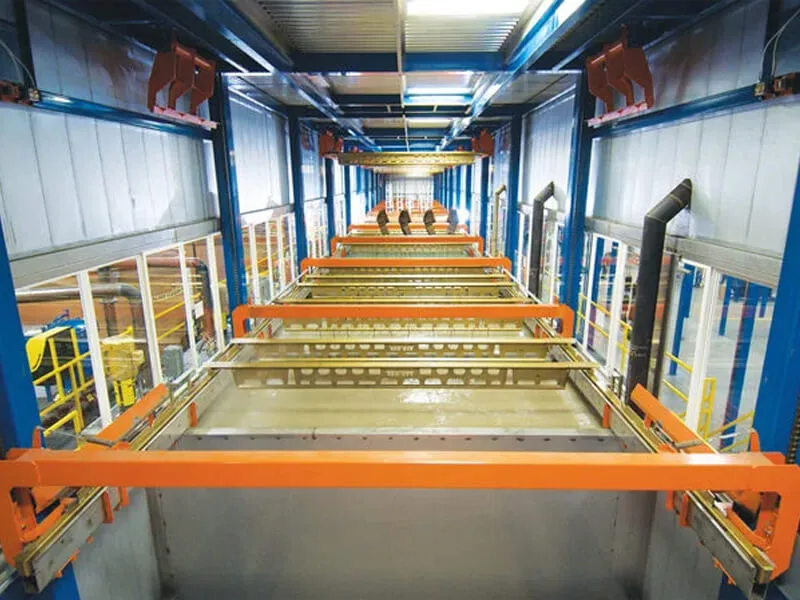
Pretreatment Systems: Multi-stage spray or immersion washers with precise chemical dosing, temperature control, and water conservation features.
Application Booths and Recovery: Cartridge or cyclone booths designed for high transfer efficiency, with options for manual, reciprocator, or powder coating robots.
Curing Ovens: Direct or indirect gas-fired, electric, or infrared systems with uniform airflow and energy recovery options.
Material Handling: Overhead conveyors (power-and-free or I-beam), floor conveyors, and custom part carriers.
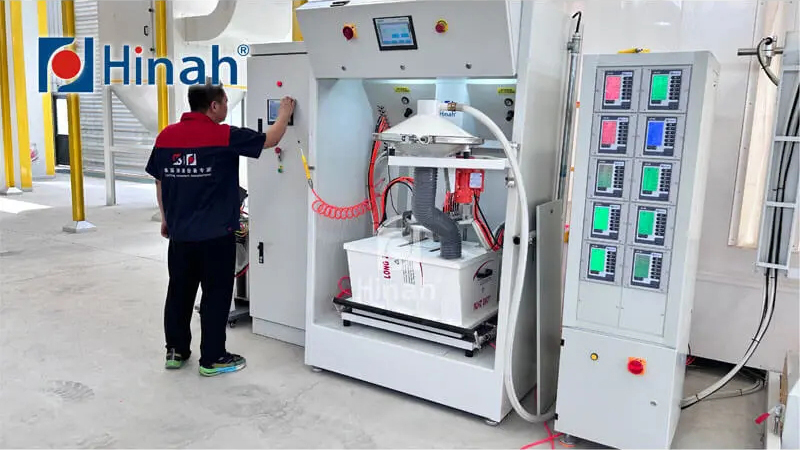
Controls and Automation: PLC-based systems with remote monitoring, data logging, and Industry 4.0 readiness.
When evaluating a powder coating plant manufacturer, verify their track record in each of these domains. A supplier that outsources key components may struggle with integration and warranty resolution.
Not all finishing lines are alike. A manufacturer experienced in automotive wheels may not be the best fit for architectural extrusions or heavy machinery. Insist on visiting reference plants similar to your intended application. During these visits, assess not only the equipment condition but also the operational support provided by the manufacturer.
HANNA, for instance, has delivered hundreds of turnkey lines across sectors including automotive, appliance, agricultural equipment, and general metal finishing. Their portfolio demonstrates adaptability to various part sizes, throughput requirements, and coating chemistries. Such breadth of experience indicates a deep understanding of process variables that affect coating quality.
Modern powder coating plants are data-driven environments. The powder coating plant manufacturer should offer solutions that integrate seamlessly with your MES or ERP systems. This includes:
Real-time process monitoring: Temperature, humidity, line speed, and energy consumption.
Predictive maintenance alerts: Sensors on fans, pumps, and drives that notify operators before failures occur.
Recipe management: Automated changeover of coating parameters for different parts, reducing downtime and human error.
Ask about the manufacturer's capabilities in software development and control system architecture. Proprietary software with open communication protocols (OPC UA, Modbus TCP) is preferable to closed systems that lock you into a single vendor.
The relationship with a powder coating plant manufacturer extends well beyond commissioning. Downtime is costly; therefore, the supplier's responsiveness and spare parts logistics are critical factors.
Manufacturers with local service technicians or regional partners can respond faster to emergencies. Inquire about average response times, service contract options, and training programs for your maintenance staff. A manufacturer that offers remote diagnostics via secure internet connections can resolve many issues without a site visit.
Some manufacturers use proprietary components that force you to buy exclusively from them. Others standardize on globally available industrial parts (Siemens, Allen-Bradley, SEW, etc.), allowing you to source locally. The latter approach reduces lead times and costs. Verify the powder coating plant manufacturer's policy on parts availability and obsolescence management.
Rising energy costs and tightening environmental regulations make efficiency a top priority. Evaluate the manufacturer's approach to reducing operational footprint.
Oven Heat Recovery: Systems that capture exhaust heat to preheat incoming air or warm the pretreatment tanks.
Low-Temperature Curing Technologies: Compatibility with advanced powder coatings that cure at lower temperatures, saving energy.
Washer Water Management: Counter-flow rinsing, reverse osmosis, and closed-loop systems that minimize water discharge and chemical usage.
Emission Control: Compliance with local VOC and particulate regulations, including afterburners or carbon filters if required.
A responsible powder coating plant manufacturer will provide energy consumption estimates and help you apply for green manufacturing incentives.
Investing in a powder coating line is a long-term commitment. The financial health of the manufacturer matters, as you will rely on them for upgrades and support for years. Request financial references or check their longevity in the market. A manufacturer that has weathered economic cycles demonstrates resilience and commitment to the industry.
HANNA has established itself as a reliable partner through consistent investment in R&D and customer support infrastructure. Their sustained presence in the global market assures clients that technical expertise and spare parts will remain accessible throughout the equipment's lifecycle.
Selecting the right powder coating plant manufacturer is a strategic decision that influences production efficiency, product quality, and total cost of ownership. By rigorously evaluating engineering capabilities, scope of supply, industry references, automation readiness, after-sales support, energy efficiency, and financial stability, you mitigate the risks associated with large capital projects. Engage multiple candidates, demand detailed proposals, and conduct site visits to validate their claims. The right partner will not only deliver equipment but also contribute process knowledge that enhances your competitive advantage.
Q1: How do I verify the experience of a powder coating plant
manufacturer?
A1: Request a list of at least five reference
installations similar to your project scope. Contact those clients and, if
possible, arrange site visits. Inquire about the equipment's reliability, the
manufacturer's responsiveness during commissioning, and any post-installation
issues. Look for case studies or technical papers published by the manufacturer,
which demonstrate thought leadership.
Q2: What is the typical lead time for a custom-engineered powder
coating line?
A2: Lead times vary based on complexity and current
workload. For a medium-sized turnkey line, expect 6 to 12 months from order to
commissioning. This includes design, fabrication, shipping, installation, and
startup. Complex lines with extensive automation or special material
requirements may take longer. A reputable manufacturer will provide a detailed
project schedule with milestones.
Q3: Should I choose a local manufacturer or an international
supplier?
A3: Local manufacturers offer easier communication, faster
service, and lower shipping costs. International suppliers may provide
competitive pricing and unique technology. The best choice balances cost,
technology, and support. If considering an international manufacturer, verify
they have a local service representative or partner who can respond quickly to
emergencies.
Q4: What warranties and guarantees should I expect from a powder
coating plant manufacturer?
A4: Standard warranties typically cover
defects in materials and workmanship for 12 months from commissioning or 18
months from shipment, whichever comes first. Some manufacturers offer extended
warranties on major components like burners or compressors. Performance
guarantees (e.g., throughput, coating thickness, energy consumption) should be
clearly defined in the contract with testing protocols.
Q5: How can I ensure the manufacturer's equipment will comply with
local safety and environmental regulations?
A5: Specify your local
codes (CE, UL, NFPA, etc.) in the request for quotation. A competent
powder coating plant manufacturer will design to meet these
standards and provide documentation. For environmental compliance, discuss
pretreatment discharge limits and oven emission requirements early in the design
phase.
Q6: What ongoing support does a powder coating plant manufacturer
typically provide after installation?
A6: Support ranges from
telephone troubleshooting and remote diagnostics to on-site service visits. Many
manufacturers offer annual maintenance contracts that include inspections,
calibration, and priority response. Training for operators and maintenance
personnel is usually provided during commissioning, with advanced training
available on request. Spare parts catalogs and manuals should be supplied
digitally.