Thinking about a new powder coating setup? You’re likely looking at two main pieces: the booth where you apply the powder and the oven where you cure it. But what if you could plan them as one seamless unit? That’s where understanding the powder coating booth oven as a complete system becomes critical. Choosing the right combination impacts your workflow, finish quality, and bottom line every single day.
Many shops make the mistake of selecting these components separately. This can lead to bottlenecks, inconsistent results, and higher costs. A well-matched powder coating booth oven system is designed to work in harmony. This guide walks you through what you need to know, focusing on practical decisions for your shop floor.
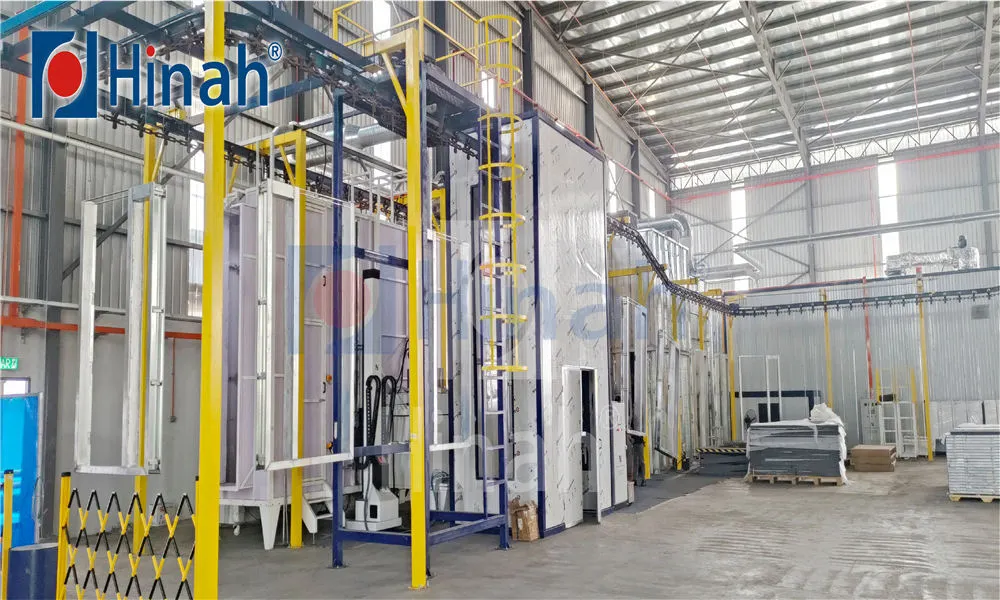
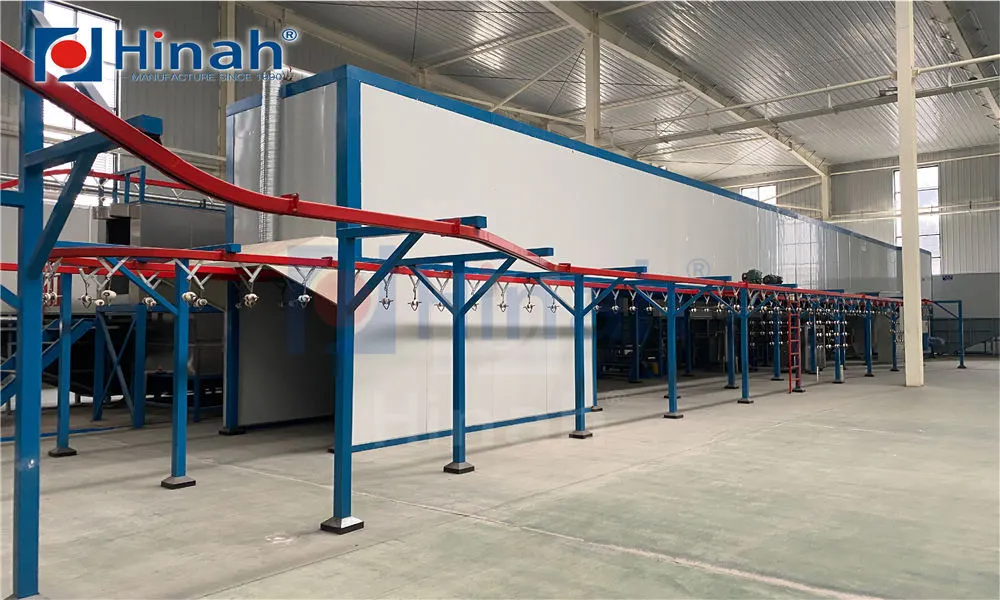
Let's clarify what we mean. A powder coating booth oven system refers to the integrated pair of the application booth and the curing oven. While they are distinct pieces of equipment, their performance is directly linked. The booth’s job is to apply powder efficiently and contain overspray. The oven’s job is to melt and flow that powder into a durable finish at a precise, consistent temperature.
Planning them together ensures your parts move smoothly from coating to curing. It guarantees the oven’s capacity matches the booth’s output. This system approach is how professionals achieve reliable, high-quality results shift after shift. Companies like HANNA specialize in designing these coordinated systems for optimal performance.
The booth is where your finish begins. Its design sets the stage for the entire process. Here are the main types and features to weigh.
Open Face vs. Closed Booth Designs
Your production volume dictates the booth style. An open-face booth is essentially a three-sided enclosure with a rear filter wall. It’s a cost-effective solution for low-volume work, manual spraying, and large or odd-shaped parts. The operator works from the open side.
A closed booth, or walk-in/down-draft booth, is fully enclosed with doors. It offers superior containment of powder overspray, creating a cleaner shop environment. It’s ideal for higher-volume production, automated guns, and when powder color change is frequent. The contained airflow improves transfer efficiency, saving you money on powder.
Recovery vs. Non-Recovery Systems
This is a major cost and efficiency decision. A non-recovery booth uses single-use disposable filters to trap overspray. It’s simple and lower in upfront cost, best for shops with infrequent color changes or very low powder usage.
A recovery booth uses a cyclone and cartridge filter system to collect overspray powder. The powder can then be sieved and reused, dramatically increasing your material utilization. For any shop using significant amounts of powder or multiple colors, a recovery system from HANNA offers a fast return on investment through powder savings.
The oven is not just a hot box. It’s a precision curing tool. Its specifications must be driven by your parts and powder.
Heat Source and Control
Industrial ovens primarily use electric or gas heat. Electric ovens are clean, precise, and often easier to install where gas isn’t available. Gas ovens (natural or propane) typically have much lower operating costs for high-volume curing, making them the standard for most production shops.
Precise control is non-negotiable. A simple thermostat isn’t enough. Look for a digital control panel that allows you to set and hold a specific temperature. For the most repeatable results, a programmable controller that manages ramp-up and soak times is essential. HANNA ovens are built with reliable, accurate controls to ensure every batch meets specification.
Size, Airflow, and Insulation
Oven size is the most obvious factor. You must account for your largest part, plus room for proper air circulation. Curing a dense load of steel requires a more powerful oven than curing thin aluminum.
Internal airflow is what ensures even temperature distribution. Look for a well-designed plenum and balanced airflow system. Good insulation, like mineral wool used in HANNA ovens, keeps heat in the workspace. This improves safety, reduces energy costs, and allows the oven to recover temperature faster when loaded.
This is where system thinking pays off. The powder coating booth oven link involves both physical workflow and technical specs.
Your booth’s output rate must align with your oven’s capacity. If your oven is too small, it becomes a bottleneck. If it’s too large, you’re wasting energy. Consider how parts will be racked and transferred. Will you use a conveyor, a transfer cart, or a simple racking system?
The powder you apply in the booth has a specific cure schedule. Your oven must be capable of reaching and holding that temperature consistently across the entire workspace. A mismatch here leads to under-cured or over-cured parts, which means rework and wasted time.
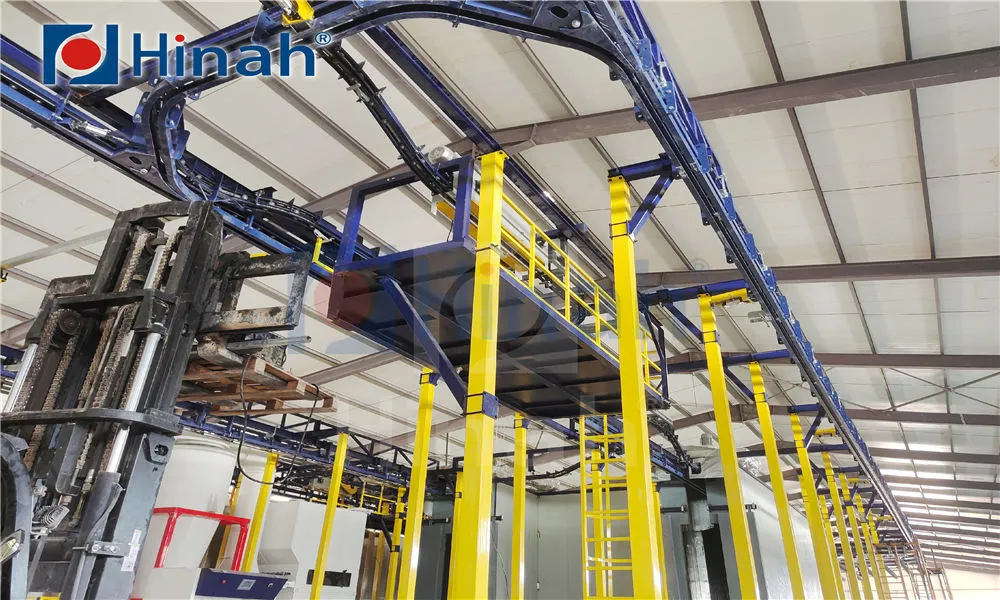
Purchasing a booth and oven as a mismatched set from different suppliers often seems cheaper upfront. It rarely is in the long run. Compatibility issues can cause installation delays. Performance gaps lead to inefficient production and quality problems.
Working with a single provider like HANNA for your powder coating booth oven system simplifies everything. You get a single point of contact for design, quotation, installation support, and service. The components are engineered to work together, ensuring optimal airflow, electrical compatibility, and workflow logic. This coordination minimizes downtime and maximizes your productivity from day one.
Ready to move forward? To get a meaningful quote for a powder coating booth oven system, you’ll need to provide specific details. Clarity here prevents undersizing or overspending.
Be prepared to discuss:
With this information, HANNA can design a balanced system that fits your actual needs and budget. We focus on building equipment that delivers reliability and value for years.
Investing in a new finishing line is a significant decision. By viewing your powder coating booth oven as an integrated system, you make a smarter investment. You avoid common pitfalls and set your operation up for consistent quality and efficient production.
For a system that works as hard as you do, partner with HANNA. Our expertise lies in designing and building coordinated powder coating solutions that perform. Contact us today to start the conversation about your specific requirements.
Q1: Can I add a recovery system to my existing powder coating booth oven setup later?
A1: It is sometimes possible, but it can be complex and costly to retrofit. It involves significant modifications to the booth structure and airflow system. If you anticipate needing powder recovery in the future, it is almost always more economical to choose a booth with that capability from the start. HANNA can advise on the best path forward for your situation.
Q2: How much floor space do I need for a typical powder coating booth oven system?
A2: Space needs vary widely. A compact batch system for small parts might fit in a 20' x 20' area. A full conveyorized powder coating booth oven line with pretreatment can require 80 feet or more in length. Beyond the equipment footprint, remember to allocate space for part racking, loading/unloading, and maintenance access. Always share your space constraints with your supplier early in the design process.
Q3: What maintenance does a powder coating booth oven require?
A3: Regular maintenance is key. For the booth, this includes daily or weekly cleaning of surfaces, shaking down cartridge filters, and emptying powder hoppers. For the oven, regularly inspect and clean the burners (if gas), check airflow fans and vents, and verify temperature calibration. HANNA provides clear maintenance checklists with our equipment to help you establish a routine.
Q4: We cure different products with different cure schedules. Is one oven flexible enough?
A4: Yes, a modern oven with a programmable controller is designed for this. You can save multiple “recipes” for different temperature and time profiles. The key is ensuring your oven has sufficient heat capacity to handle your largest, densest load and can heat up efficiently between different setpoints. Discuss your full range of products with your HANNA representative.
Q5: How long does it take to get a custom powder coating booth oven system installed and running?
A5: Lead times depend on the complexity of the system. A standard batch oven and booth might be shipped in 6-8 weeks. A large, custom conveyorized powder coating booth oven system can have a lead time of 12-16 weeks or more for manufacturing. Installation and commissioning typically add 1-3 weeks on site. Always plan your project timeline well in advance of when you need the system operational.