
In modern industrial coating, the quality of the finish is determined not only by the application method but critically by the curing process. Paint drying ovens are the backbone of any finishing line, ensuring that liquid paints, powder coatings, and industrial primers achieve their intended mechanical and aesthetic properties. Selecting and operating the right thermal equipment requires a deep understanding of heat transfer, material science, and production throughput. This article provides a technical analysis of paint drying ovens, exploring their design variants, application-specific requirements, and strategies to maximize energy efficiency and coating quality.
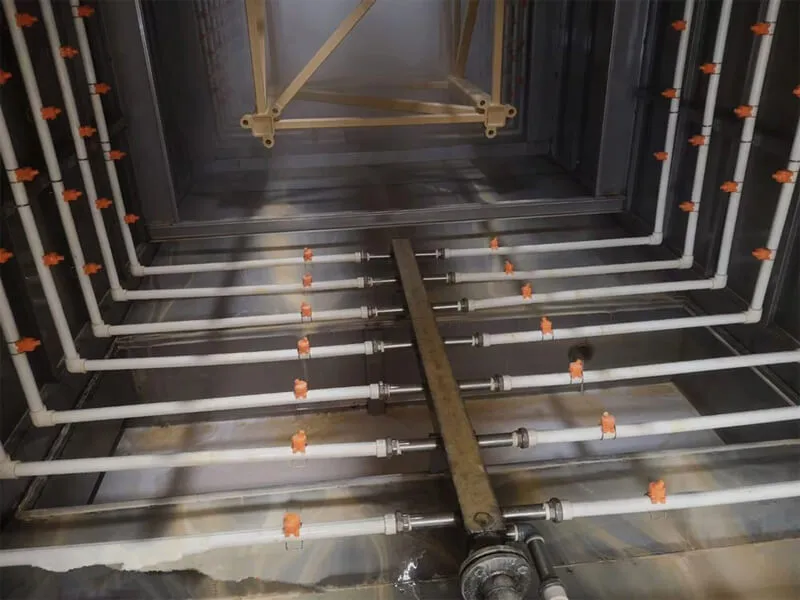
The mechanism by which a coating dries or cures fundamentally dictates the oven design. For solvent-based paints, the process involves evaporation of solvents; for two-component (2K) systems, it is a chemical cross-linking reaction; for powder coatings, it requires melting, flowing, and chemical curing. Paint drying ovens must be engineered to deliver consistent energy to trigger these reactions without damaging the substrate.
Convection technology remains the industry standard for high-mix, high-volume production. These systems rely on recirculated heated air to transfer energy to the part. Key performance indicators include air velocity (typically 1-5 m/s) and temperature uniformity (±3°C or better). Modern convection paint drying ovens utilize high-efficiency burners and variable frequency drives (VFDs) on fans to modulate airflow, reducing natural gas consumption by up to 20% compared to fixed-speed systems.
For complex geometries or heat-sensitive substrates, infrared (IR) ovens offer rapid ramp-up times. Medium-wave IR is particularly effective for powder coating, as it penetrates the powder layer before the surface skins over. Many high-performance lines now employ combination ovens: IR booster zones at the entry to gel the coating quickly, followed by a convection hold zone for complete cross-linking. This hybrid approach reduces the overall footprint of the industrial paint drying oven while maintaining throughput.
Different industries impose unique demands on thermal processing equipment. A standardized approach often leads to defects or energy waste. Below are critical sectors and their specific requirements for paint drying equipment.
Automotive OEM and Tier Suppliers: Require high-temperature uniformity to prevent sags and orange peel on Class A surfaces. Multi-zone paint drying ovens with dedicated flash-off and curing stages are mandatory.
Aerospace Coatings: Demands strict adherence to thermal profiles (often ±2°C) and documentation. Ovens must include certified data logging and HEPA filtration to prevent contamination.
Heavy Equipment and Agricultural Machinery: Focus on curing high-film-build coatings on thick metal substrates. Slow heat-up rates and long hold times are required to avoid solvent popping.
General Industrial and Architectural: Flexibility is key. Ovens must handle mixed loads of thin sheet metal and extrusions, requiring adjustable airflow patterns.
HANNA specializes in designing custom thermal systems that address these vertical-specific challenges, ensuring that your paint drying oven integrates seamlessly with your existing pretreatment and application equipment.
Even the most well-designed paint drying ovens can encounter operational issues. Diagnosing these requires a systematic approach to oven physics and material handling.
This often stems from airflow shadows. Parts with deep cups or recesses may not receive sufficient convective heat. Solutions include programmable air knives that redirect flow or the integration of supplemental IR emitters in specific zones. Advanced computational fluid dynamics (CFD) modeling, used by HANNA during the design phase, can predict and eliminate these dead zones before the oven is built.
Older ovens often leak significant heat through gaps in the paneling or poorly sealed doors. Retrofitting with modern ceramic fiber insulation and upgrading to direct-fired combustion systems can improve thermal efficiency dramatically. Furthermore, implementing PLC-based ramp/soak controllers ensures that the oven only uses full power during heat-up, modulating to maintain temperature, which directly reduces the carbon footprint of your industrial paint drying oven.
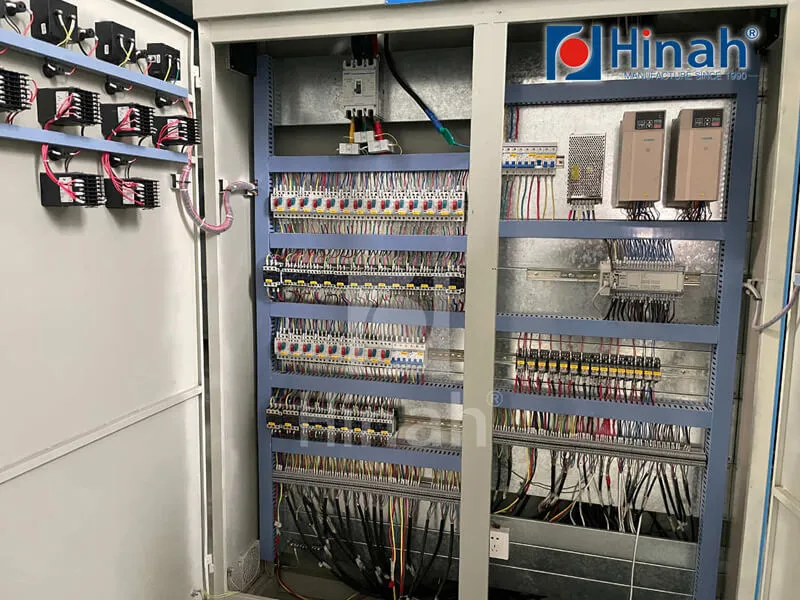
Modern paint drying ovens are no longer isolated equipment; they are data nodes in a connected factory. Integrating thermocouples and pyrometers with a central SCADA system allows for real-time tracking of the product temperature, not just the air temperature. This data enables predictive maintenance—for example, alerting operators when burner efficiency drops or when air filters require changing. The ability to store and recall curing curves for specific part numbers is becoming essential for quality audits and compliance with standards like ISO 9001:2015.
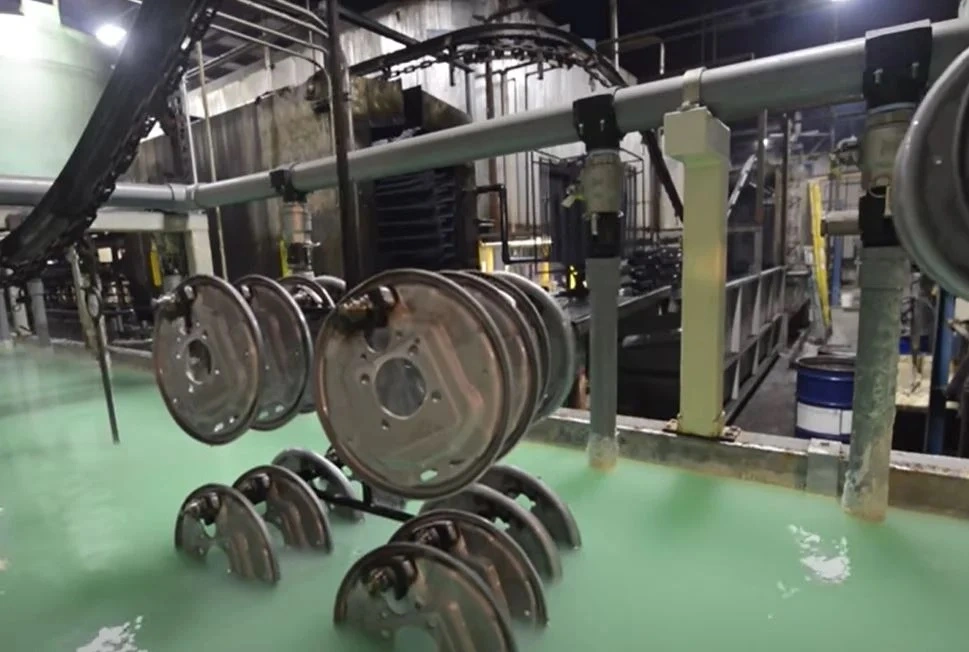
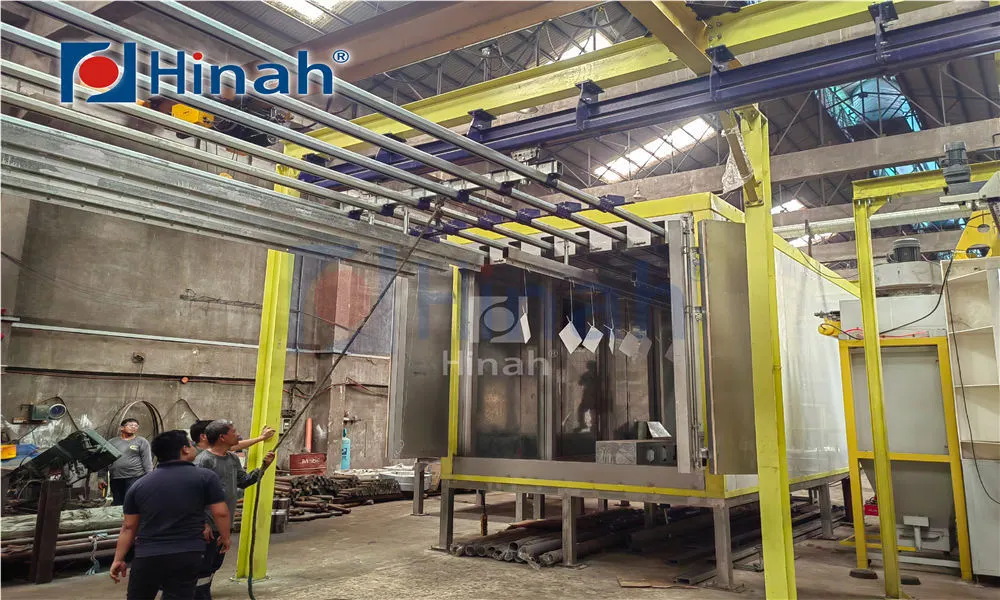
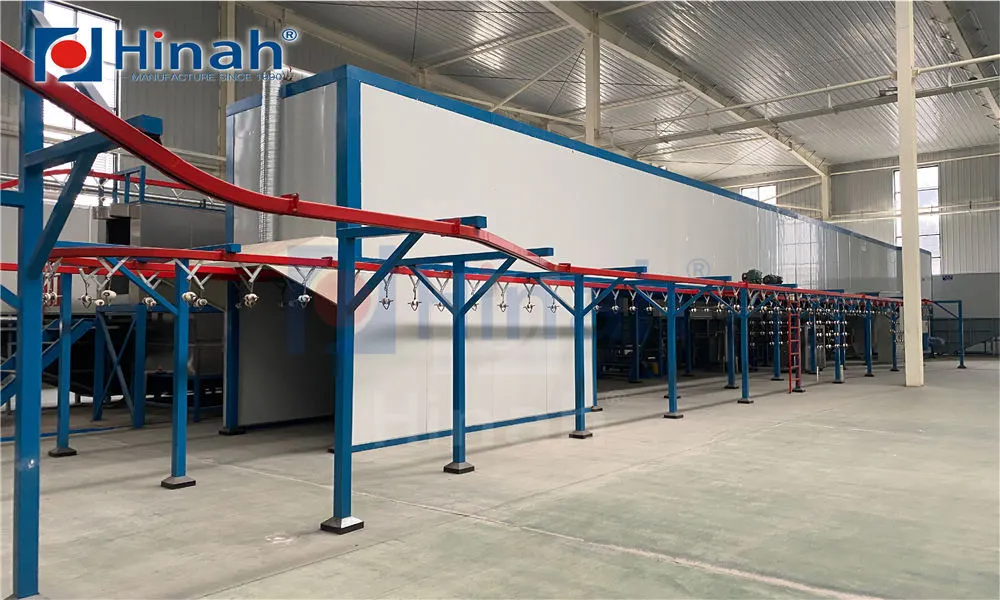
Selecting a supplier for thermal equipment is a long-term capital decision. The reliability of your paint drying oven directly impacts your OEE (Overall Equipment Effectiveness). HANNA brings decades of experience in manufacturing finishing lines that prioritize energy efficiency, temperature accuracy, and ease of maintenance. By utilizing modular construction and off-site pre-assembly, installation downtime is minimized, allowing for a faster return on investment. Whether your requirement is a batch oven for job-shop work or a multi-zone conveyorized system for high-volume production, engineering a solution that fits your specific coating chemistry and throughput goals is critical. Explore the technical specifications of advanced paint drying ovens to see how modern engineering can transform your finishing quality.
Q1: What is the typical temperature range for industrial paint drying
ovens?
A1: The operating temperature varies significantly by
application. For liquid solvent-based paints, temperatures typically range from
60°C to 120°C (140°F to 250°F). For powder coating curing, the range is
generally between 160°C and 210°C (320°F to 410°F), depending on the specific
powder chemistry. High-performance primers or specialized coatings may require
temperatures up to 250°C (482°F).
Q2: How do I calculate the required size of a paint drying oven for
my production line?
A2: Sizing is determined by part dimensions,
line speed, and required cure time. You must calculate the "dwell time"—the time
the part must remain at curing temperature. The oven's heated length is then
derived from the conveyor speed multiplied by this dwell time, plus allowance
for heat-up zones. It is crucial to also consider the thermal mass of the parts
and the racking density to ensure the oven can recover temperature between
loads.
Q3: What is the difference between a paint drying oven and a curing
oven?
A3: While the terms are often used interchangeably, a
distinction exists. Drying typically refers to the evaporation of solvents from
liquid paint, a physical change. Curing refers to a chemical cross-linking
reaction, as seen in thermoset powders or two-component paints. Most industrial
ovens perform both functions: a "dry-off" oven removes moisture after
pretreatment, while a "cure" oven facilitates the chemical reaction. Modern
paint drying ovens are designed to manage both stages
precisely.
Q4: How often should preventive maintenance be performed on an
industrial oven?
A4: A rigorous maintenance schedule is essential.
Daily checks should include door seals and conveyor lubrication. Monthly
inspections should focus on burner operation, thermocouple calibration, and fan
bearing lubrication. Annually, a full thermal profiling and inspection of the
refractory or insulation should be conducted to identify heat loss and ensure
temperature uniformity is within specification (±3°C).
Q5: Can I use the same oven for solvent-based paint and powder
coating?
A5: Generally, this is not recommended without significant
modifications. Powder coating curing requires extremely clean, particulate-free
air to prevent contamination of the wet film before curing. Solvent-based
processes release VOCs, which, if not properly ventilated, can contaminate a
powder curing environment. Furthermore, the airflow patterns optimal for liquid
flash-off differ from those needed for powder flow-out. Dedicated equipment for
each process yields superior results.