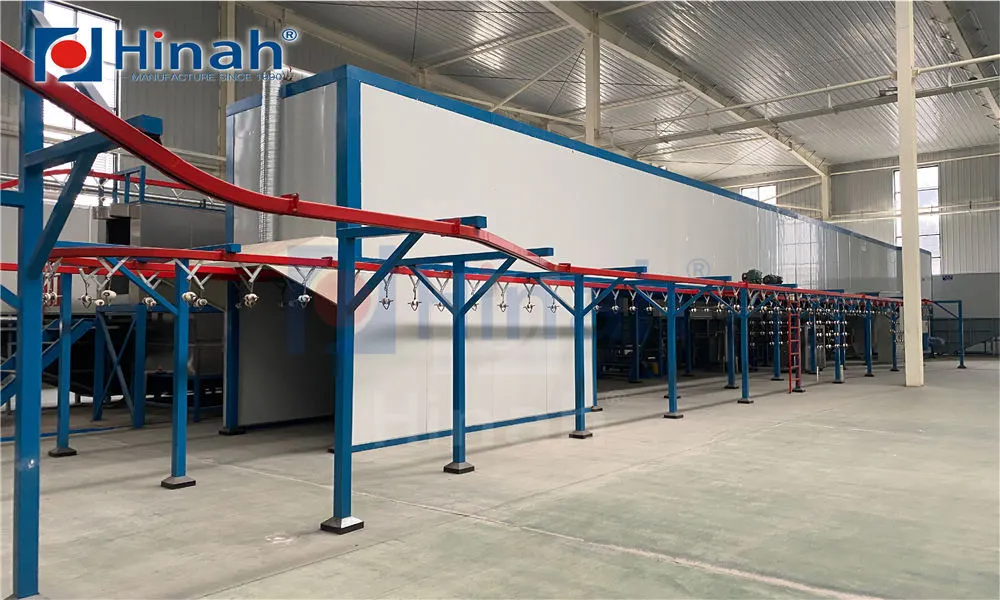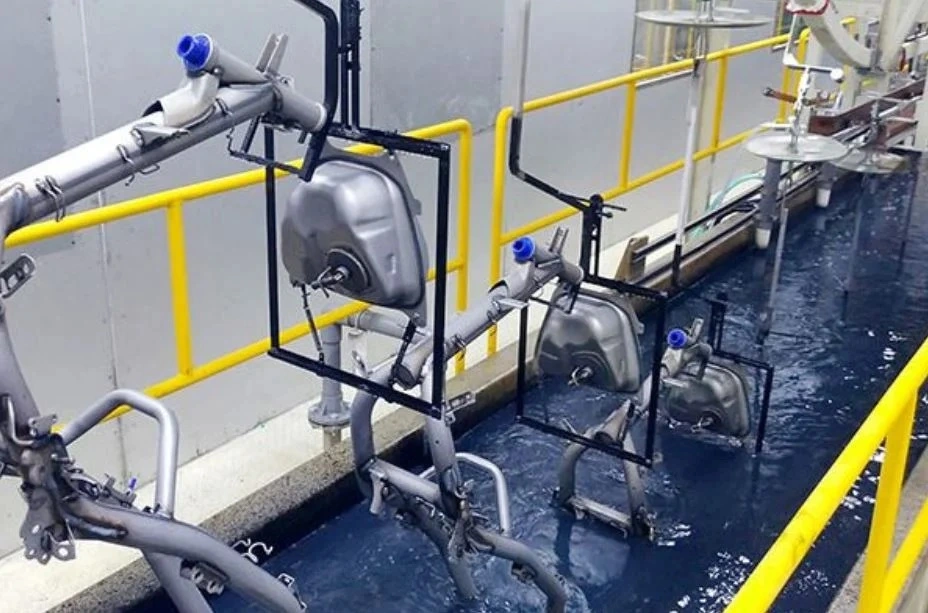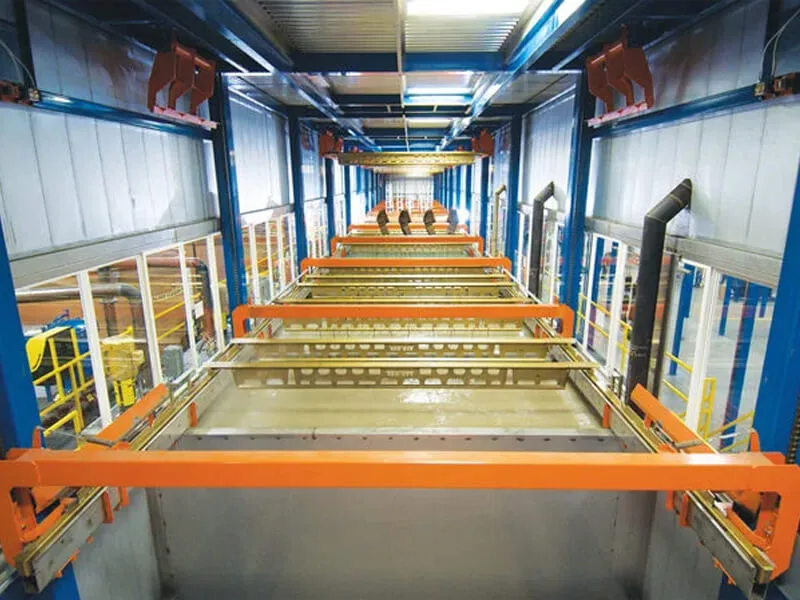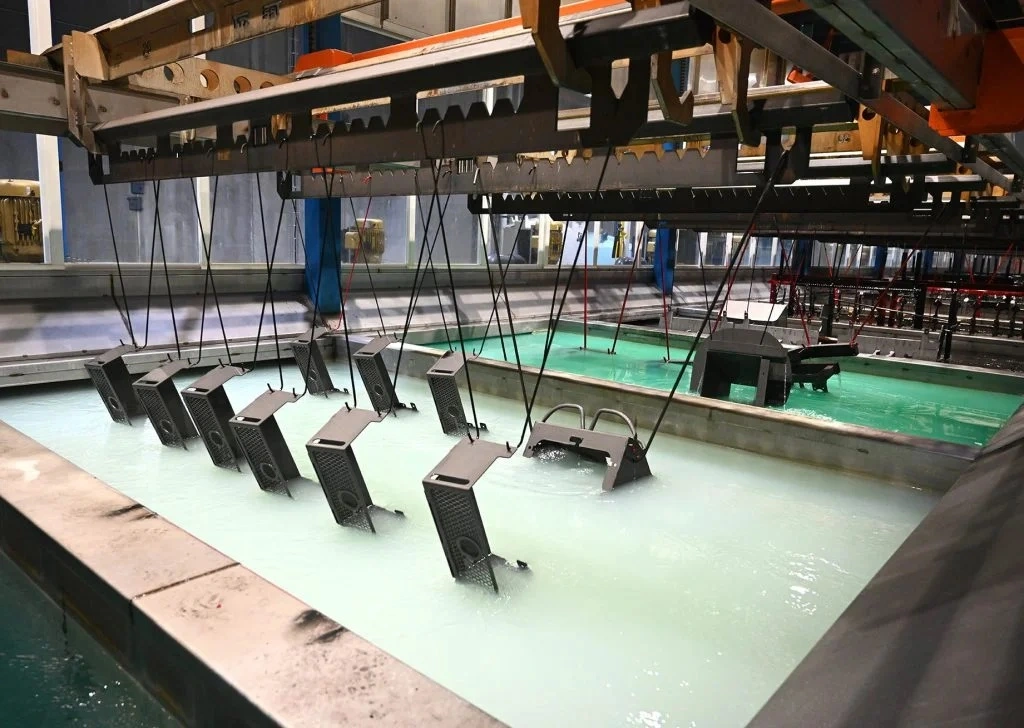

With over two decades of hands-on engineering in the powder coating industry, I’ve witnessed the evolution from rudimentary batch ovens to today’s intelligent, integrated systems. In this guide, we’ll dissect the critical role of the powder coating booth oven —the heartbeat of any high‑quality finishing line—and explore how modern innovations solve real‑world production challenges.
The synergy between the spray booth and the curing oven is often underestimated. A powder coating booth oven isn’t merely two separate equipment; it’s an integrated flow where containment, recovery, thermal crosslinking, and throughput must be orchestrated. Inconsistent airflow in the booth leads to poor transfer efficiency, while uneven oven temperatures cause orange peel, adhesion failures, or under‑cure. For 20+ years, I’ve specified systems that marry booth dynamics with precise oven control—expertise now embodied by HANNA’s comprehensive solutions.
To grasp the full picture, we must break down each subsystem and its interaction within the powder coating booth oven continuum.
Today’s booths are engineered for high‑efficiency particulate containment (HEPA/ULPA filters), minimal air velocity (50–70 ft/min) to avoid disturbing charged powder, and quick color change. Key LSI terms: cartridge filters, cyclone recovery, conductive flooring, Faraday cage compensation, and automated purge cycles. A well‑designed booth reduces powder waste by up to 30% and ensures consistent film build.
Whether convection, infrared, or hybrid, the oven must deliver uniform heat distribution (±5°F across all zones). Parameters like dwell time, ramp rate, and exhaust balance directly affect gloss, impact resistance, and corrosion protection. Modern ovens incorporate zone‑specific PID controls, data logging, and energy recovery wheels. The powder coating booth oven concept emphasizes that the oven receives parts exactly as the booth prepared them—free of contamination and with optimal powder deposition.
Below are the technical pillars I evaluate when designing or retrofitting a line. These factors separate average output from world‑class quality.
Booth airflow: Computational fluid dynamics (CFD) modeling ensures laminar flow, preventing turbulence that blows powder away. HANNA’s booths feature adjustable air‑distribution plenums for consistent downdraft.
Oven airflow: High‑velocity nozzles (for convection) or precisely angled IR emitters avoid shadow effects. Recirculation rates of 10–20 air changes per minute guarantee temperature uniformity.
Filtration: Cross‑flow versus reverse‑pulse cartridge systems—each impacts color‑change speed and powder reclamation efficiency.
Mineral‑wool insulation (R‑value ≥ 16) reduces thermal loss. I’ve measured energy savings up to 35% in ovens with ceramic fiber panels compared to old brick‑lined designs.
Direct‑gas‑fired vs. indirect heating: indirect eliminates combustion by‑products, essential for certain chemical families (polyesters, epoxies).
Integrated heat recovery from exhaust stacks preheates incoming air—a must for ESG compliance and operational cost reduction.
Through decades of consulting, I’ve seen the same issues repeatedly. Here’s how they manifest and why they demand attention.
Temperature gradients >10°F across the oven create pockets of under‑cured or over‑cured parts. Often traced to poor burner placement, worn seals, or lack of zone control. The result: field failures, warranty claims, and scrapped product.
Legacy powder coating booth oven setups often waste 40‑50% of input energy due to leaky enclosures and constant high exhaust rates. Newer regulations (EPA, local VOC limits) demand tighter containment and lower CO₂ footprints. Additionally, color‑change downtime in the booth can exceed 30 minutes per shift, eating into profitability.
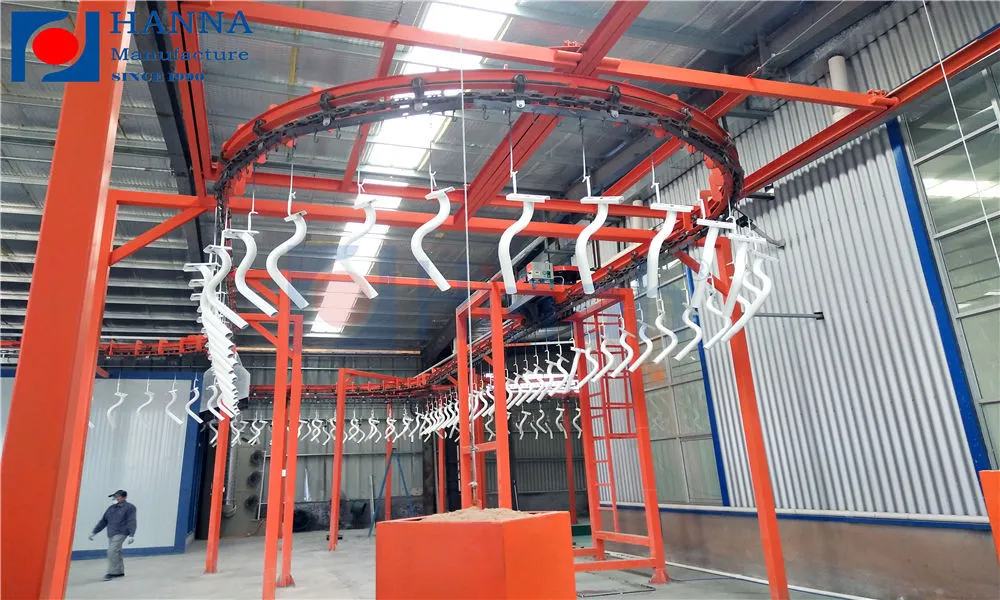
Manual loading/unloading between booth and oven creates bottlenecks and ergonomic risks. Automation (chain‑on‑edge, power‑and‑free conveyors) must be synchronized with oven indexing.
After identifying pain points, here are the engineering pathways and how HANNA implements them.
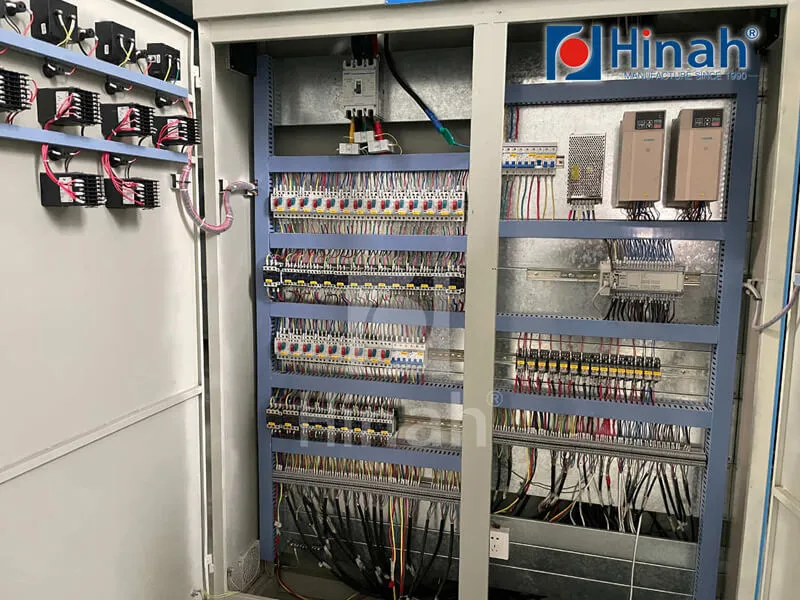
Today’s powder coating booth oven can be fully networked. Sensors monitor booth humidity (35–55% RH ideal), powder layer thickness (inline beta backscatter), and oven temperature curves. Edge controllers automatically adjust belt speed or zone setpoints. HANNA’s proprietary HMI suite includes predictive maintenance alerts, so unplanned downtime becomes history.
Modular booth inserts, non‑stick liners, and “self‑cleaning” powder recovery systems cut color‑change from 30 minutes to under 10. This is achieved by:
Smooth, radiused interior surfaces (no powder traps).
High‑velocity air knives that sweep walls in seconds.
Quick‑disconnect cyclone and cartridge banks that swap out as a unit.
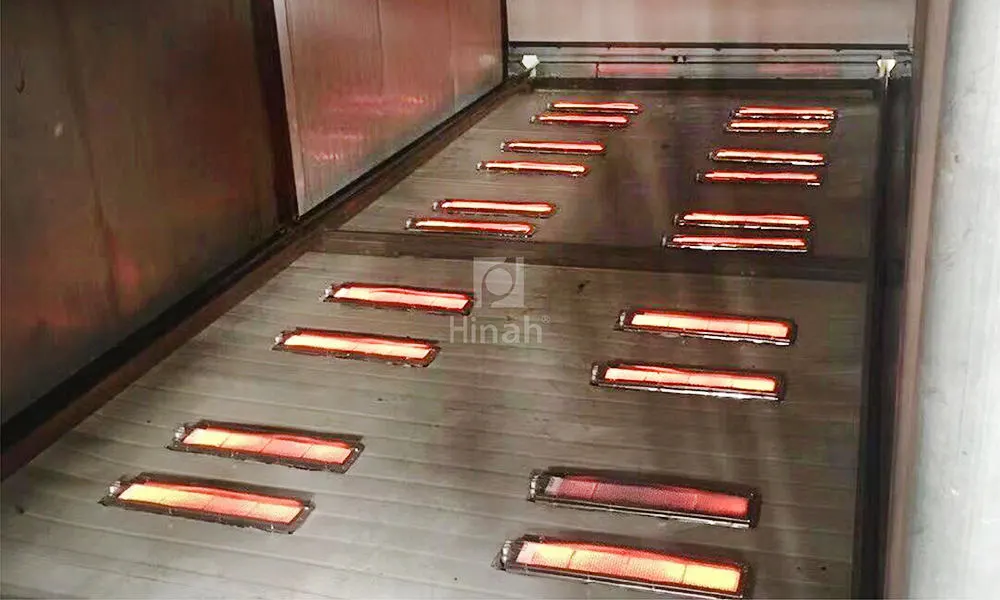
Radiant‑on‑demand zones combined with convection allow fast ramp‑up without overshoot. HANNA’s powder coating curing oven line (linked below) uses catalytic IR panels for thick substrates and high‑velocity hot air for complex geometries—all within the same tunnel. This hybrid approach cuts cure time by up to 40% for mixed‑load production.
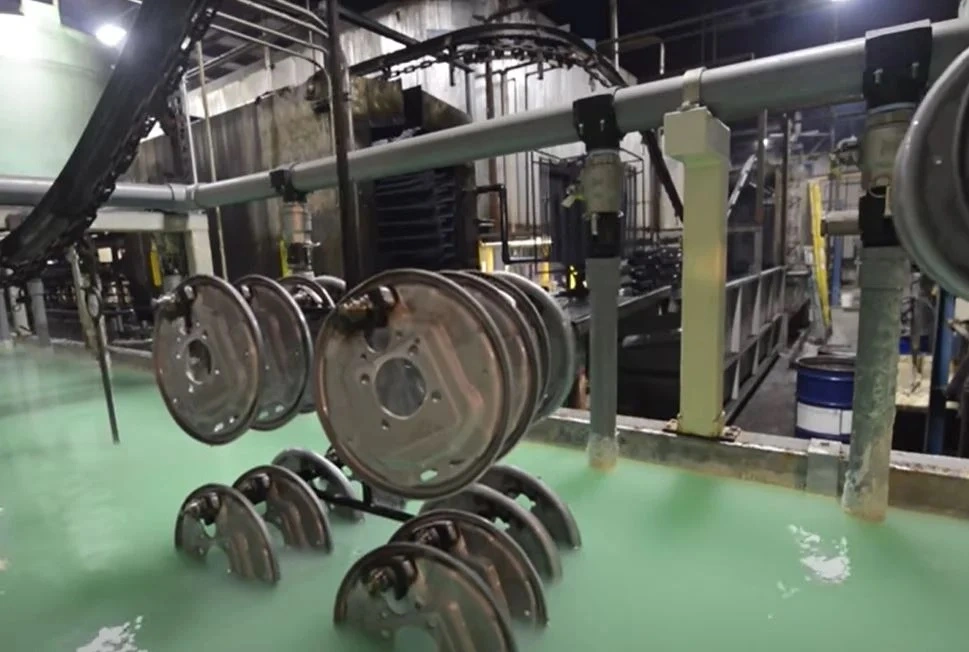
A mid‑size automotive supplier faced a 35% reject rate on aluminum wheels due to inconsistent cure. Their existing booth allowed powder contamination, and the convection oven had 20°F variation. After retrofitting with a powder coating booth oven solution from HANNA, they achieved:
Reject rate below 1.2%.
Energy reduction: 47% (validated over 12 months).
Color change time reduced from 38 min to 11 min, enabling small‑batch JIT production.
The secret? HANNA redesigned the booth airflow to eliminate turbulence and added a five‑zone IR/convection oven with real‑time part tracking.
Based on my experience, you need a partner that understands chemistry, mechanical engineering, and controls. HANNA not only manufactures robust equipment but also offers process validation and operator training. Their portfolio includes batch and continuous systems, always emphasizing powder coating booth oven integration.
What is the guaranteed temperature uniformity across my product mix?
Can you provide energy consumption simulations based on my production schedule?
How does the booth design minimize powder usage for my part geometries?
What is the mean time between failures (MTBF) for key components (fans, burners, filters)?
The powder coating booth oven is no longer a commodity; it’s a strategic asset. With tightening environmental norms and the push for Industry 4.0, investing in a high‑performance, integrated system yields compounding returns. From my decades in the field, I’ve seen companies that prioritize booth‑oven synergy outlast competitors. HANNA’s commitment to innovation—evident in their advanced curing ovens—makes them a trusted partner for forward‑thinking finishers.
Whether you’re upgrading an existing line or building a new facility, treat the booth and oven as one unified system. Your quality, efficiency, and bottom line will thank you.
electrostatic deposition, tribo charging, corona guns, Faraday cage effect, IR thermocouples, dew point control, gel point, cross‑link density, powder recovery cyclone, final filters (H13/H14), NFPA 33 compliance, Class II Div 1 & 2, chain speed optimization, multi‑zone controls, RTO (regenerative thermal oxidizer), VOC abatement, bomb‑squad test, impact fusion, orange peel, gloss retention, QUV weathering, salt spray resistance. – These represent the depth of engineering that defines modern powder coating booth oven applications.