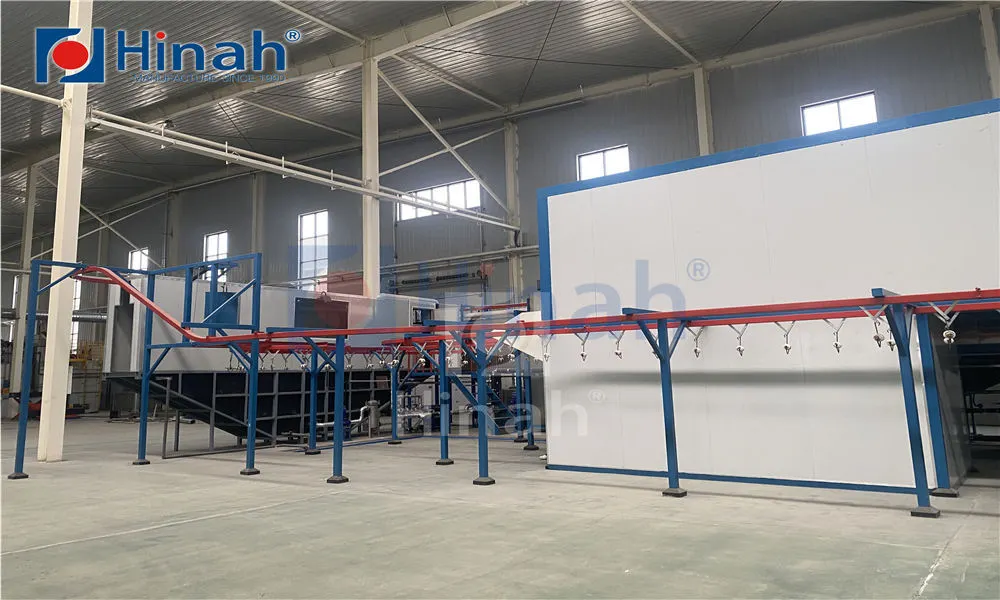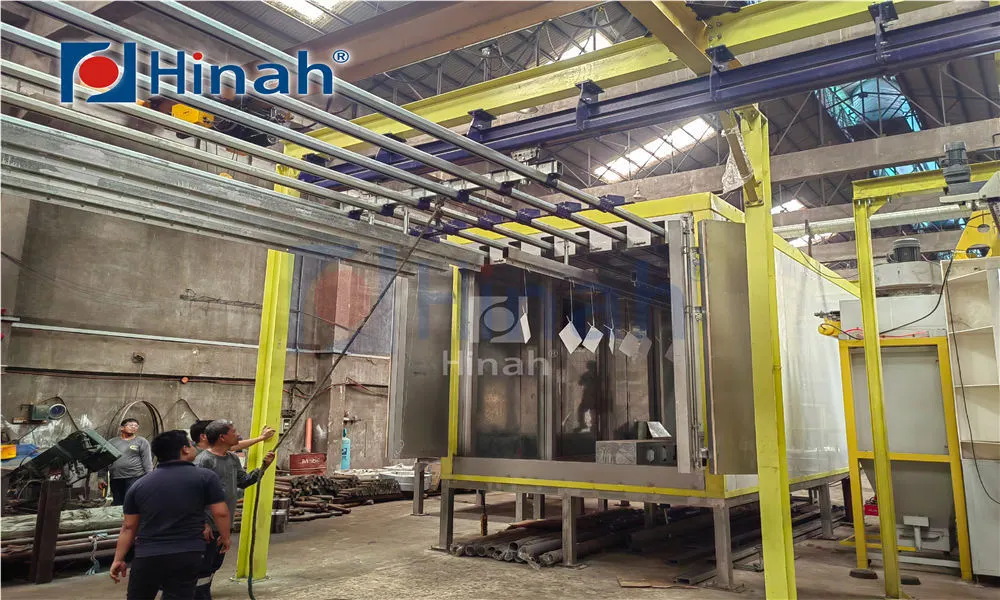

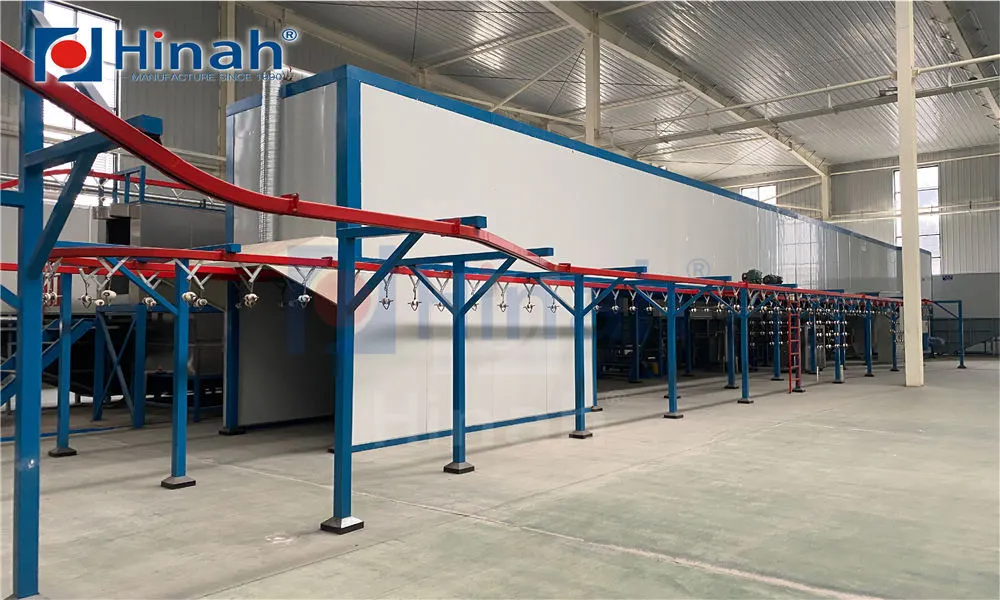
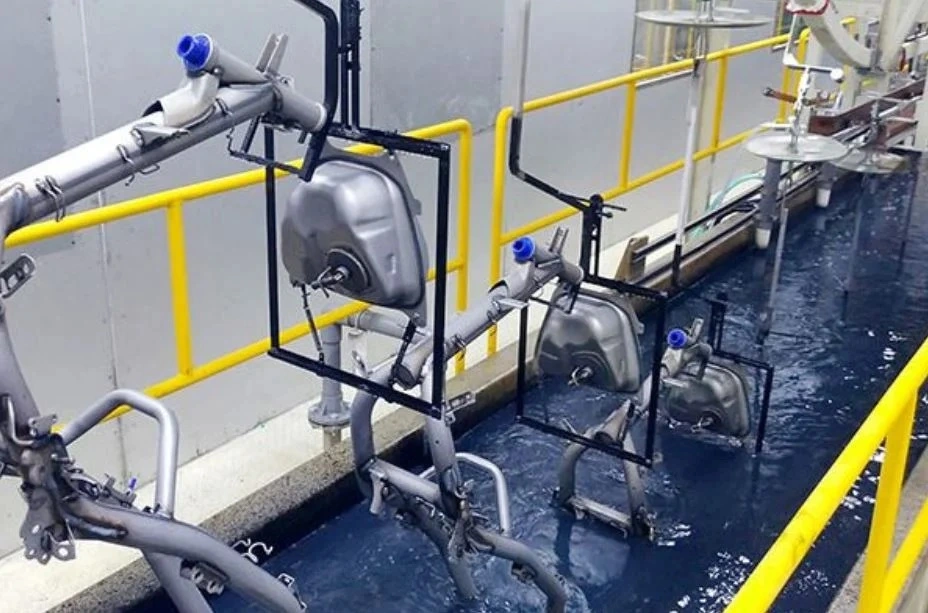
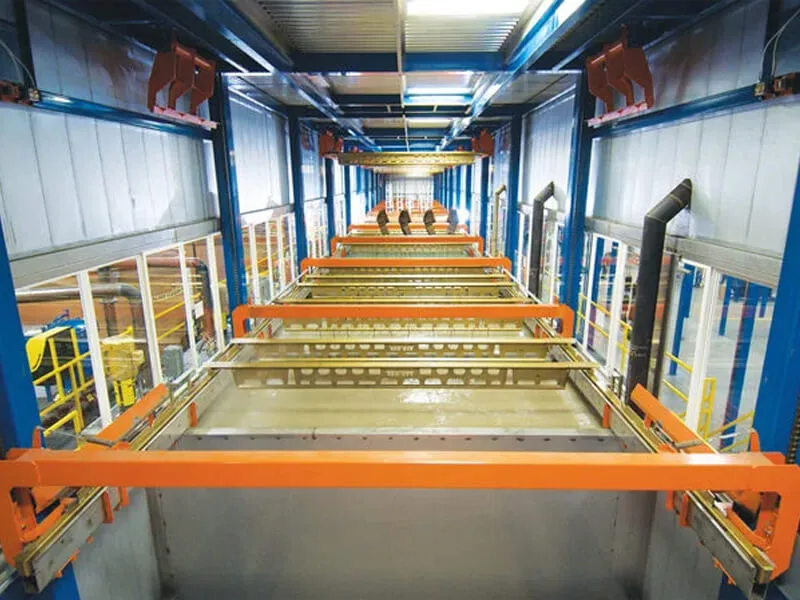
A powder coating curing oven is an essential piece of equipment in any finishing line. Its primary job is to apply controlled heat to a coated part. This heat causes the powder to melt, flow, and chemically crosslink into a smooth, durable finish. The performance of this oven directly impacts the quality, durability, and appearance of the final product. For consistent results, choosing the right powder coating curing oven is critical. HANNA designs and builds high-performance curing ovens for a wide range of industrial applications.
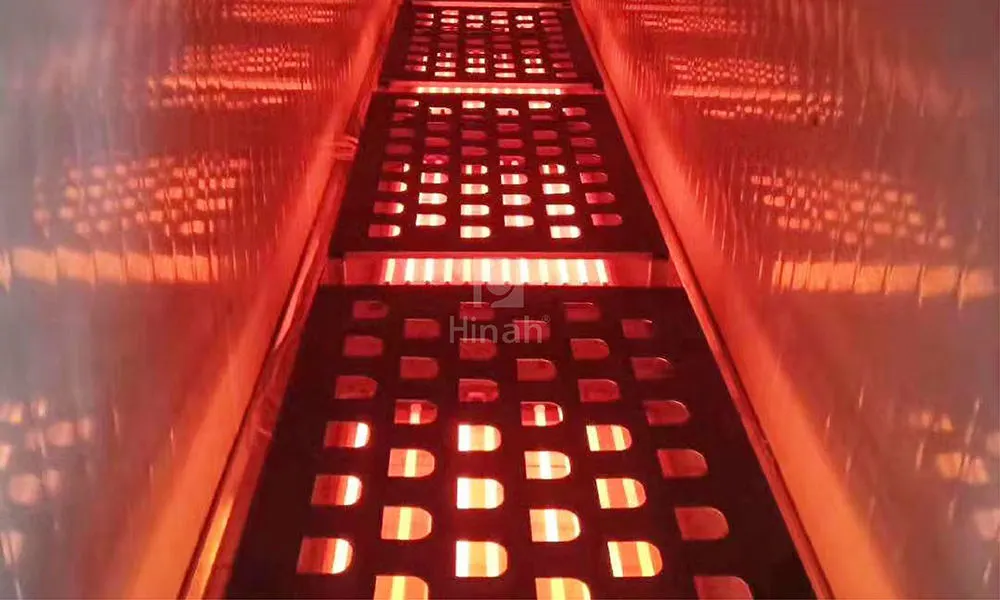
The curing stage is where the powder coating transforms into its final form. After electrostatic application, the powder particles loosely adhere to the grounded part. The powder coating curing oven provides the necessary energy for the curing reaction.
This process involves two main stages:
Without proper curing in a reliable powder coating curing oven, the finish may be weak, prone to chipping, or lack chemical resistance. HANNA ovens ensure precise temperature control for complete curing.
Different heating methods suit different production needs and part geometries. The main types are convection, infrared (IR), and combination ovens.
This is the most common type. Heated air is circulated around the parts using fans and a ducting system. The hot air transfers heat to the part's surface.
Key features include:
For most general industrial applications, a convection powder coating curing oven is a versatile choice. HANNA convection ovens are known for their efficient airflow and insulation.
IR ovens use electromagnetic radiation to directly heat the part and the powder coating. They do not primarily heat the surrounding air.
Key features include:
An infrared powder coating curing oven is ideal for high-speed lines coating similar parts. HANNA offers IR solutions for specific production challenges.
These systems integrate both convection and infrared technologies. They aim to use the strengths of both methods.
A typical setup might use:
This approach can optimize speed and quality. HANNA engineers can design combination systems for demanding applications.
Selecting the correct oven requires careful analysis of your product, production goals, and facility.
Consider these critical points:
Part Specifications:
Production Requirements:
Operational Costs:
Analyzing these factors will guide you to the best powder coating curing oven type and size. HANNA provides detailed consultations to aid in this decision.
A well-built oven consists of more than just a heated box. Key components ensure performance and safety.
Look for these elements:
HANNA powder coating curing oven designs prioritize these components for long-term reliability.
To ensure consistent quality and efficiency, proper operation and maintenance are essential.
Under-cure and over-cure are common problems. Both compromise the finish.
The use of a profile thermometer is recommended. It travels with a part through the oven to record the actual metal temperature, ensuring it meets the powder's requirements.
Regular maintenance prevents downtime and ensures consistent performance.
A basic schedule includes:
Following HANNA's provided maintenance guidelines extends the life of your powder coating curing oven.
Even with good equipment, issues can arise. Here are some typical problems.
Diagnosing these issues often starts with verifying the oven's thermal profile and comparing it to the powder specs. HANNA's support team can help troubleshoot such challenges.
HANNA brings engineering expertise and robust construction to every project. A HANNA powder coating curing oven is built for industrial duty.
Benefits of choosing HANNA include:
For a finishing line that demands reliability and quality, a HANNA powder coating curing oven is a sound investment. It ensures your products meet the highest standards for durability and finish.
Q1: What is the typical temperature and time for curing powder coating?
A1: Most thermoset powder coatings cure at metal temperatures between 180°C and 200°C (356°F - 392°F) for 10 to 15 minutes. However, you must always follow the specific technical data sheet provided by your powder supplier, as requirements vary.
Q2: Can I cure powder coating in a standard workshop oven?
A2: It is not recommended. A proper powder coating curing oven is designed for even, controlled heat and often includes ventilation for fumes. Workshop ovens may have hot spots, insufficient insulation, or pose a fire risk from powder overspray accumulation.
Q3: How important is pre-treatment before the powder coating curing oven?
A3: Extremely important. Proper cleaning and pre-treatment (phosphating, etc.) are critical for adhesion and corrosion resistance. Curing in the oven will only harden the powder; it cannot fix problems caused by poor surface preparation.
Q4: How do I know if my parts are fully cured?
A4: The best method is to use a profile thermometer to verify the part's actual metal temperature meets the powder's specification for the required time. Simple physical tests, like a solvent rub test (per ASTM D4752), can also indicate cure level.
Q5: What maintenance does a powder coating curing oven need?
A5: Regular maintenance includes cleaning air filters and vents, checking and calibrating temperature sensors, inspecting door seals, and ensuring all fans and motors are operating smoothly. Refer to the manufacturer's (like HANNA's) maintenance manual for a detailed schedule.
Q6: Can a curing oven be used for different types of powder?
A6: Yes, provided the oven can reach and maintain the required temperature for each powder. The main challenge is when changing colors; the oven interior should be kept clean to avoid powder contamination from previous runs.