A reliable paint line conveyor is the central component of any industrial finishing operation. It determines the flow, speed, and efficiency of the entire process. Selecting the correct system impacts finish quality, production capacity, and operational costs. This article explains the types of paint line conveyor systems, key selection criteria, and best practices for integration and maintenance.
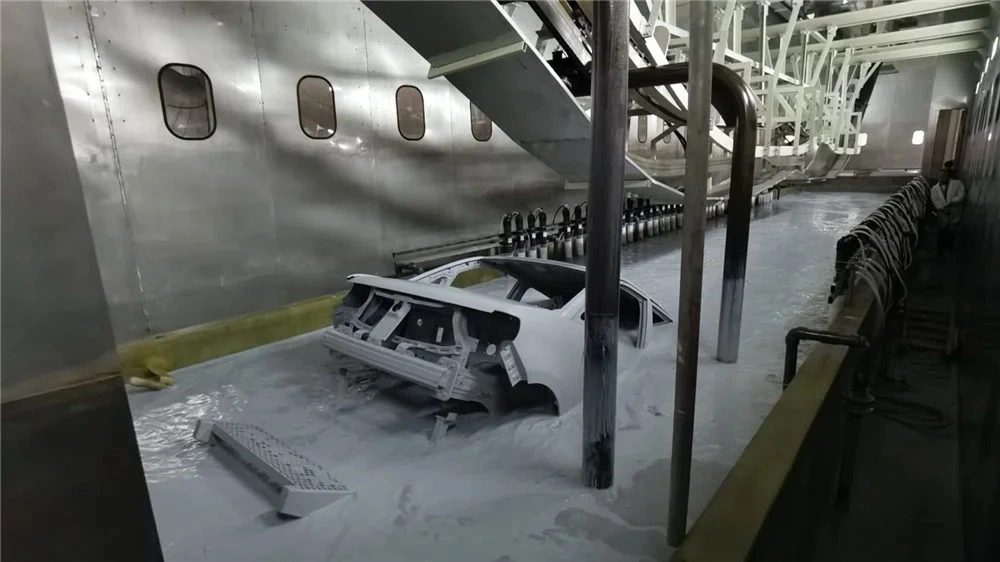
The paint line conveyor does more than just move parts. It provides a timed, predictable path through each stage. This includes pretreatment, drying, coating, curing, and cooling. Consistent movement is vital for achieving uniform film thickness and proper cure. The system’s design directly affects accessibility for operators and automation.
Different applications require different conveyor solutions. The main types are defined by their path and how parts are transported.
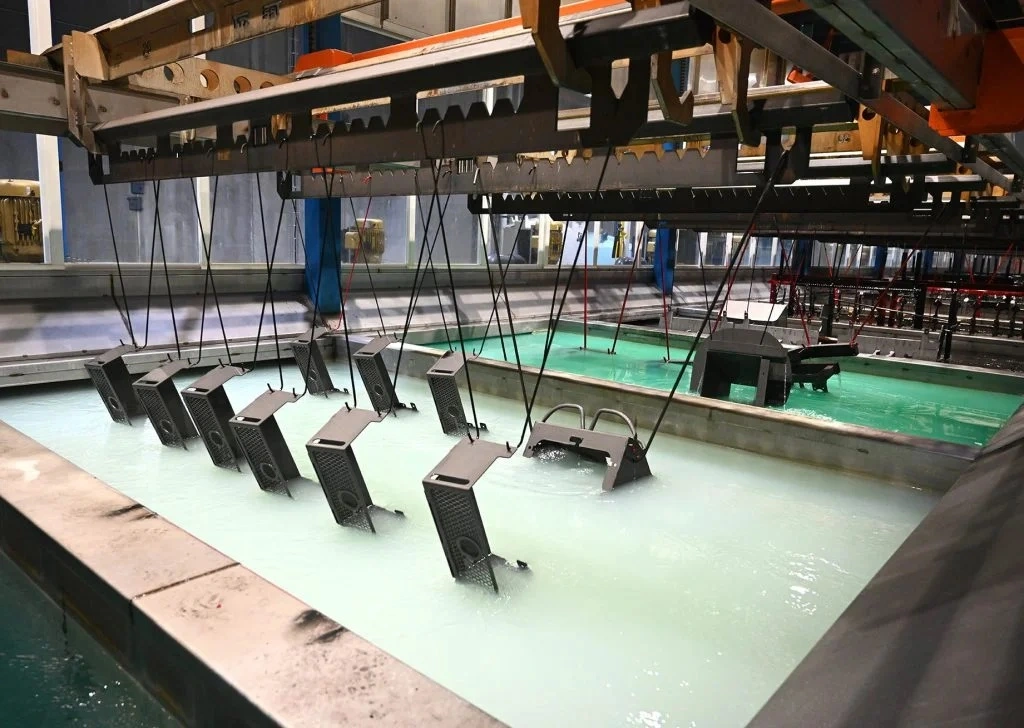
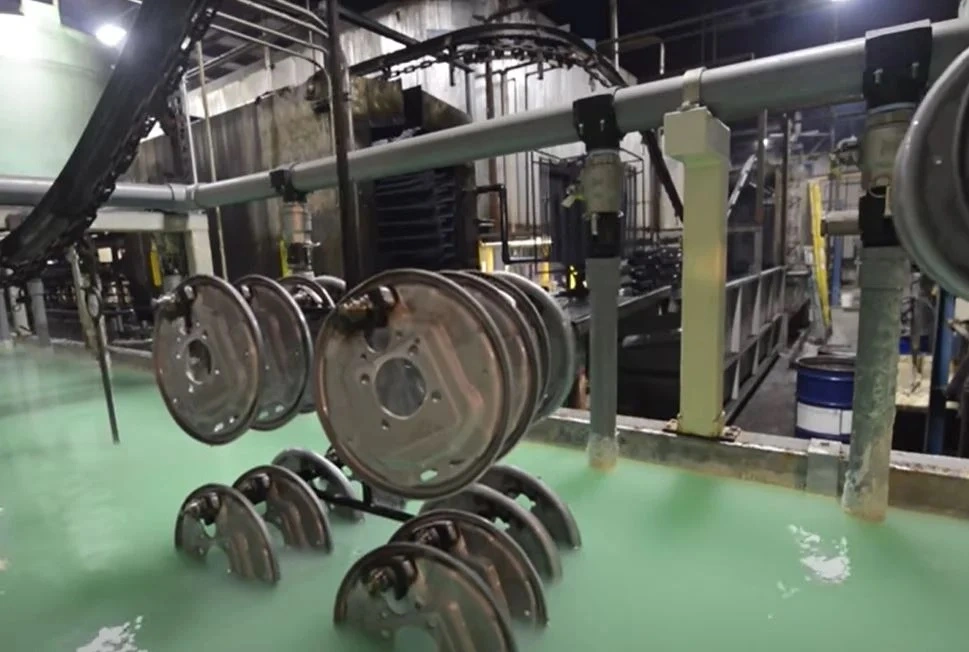
Overhead systems are widely used in paint lines. They transport parts suspended from trolleys on an I-beam track above the floor.
Benefits of overhead paint line conveyors:
Floor conveyors operate at ground level. Parts are placed on skids, carts, or a moving belt.
Common floor conveyor types include:
These paint line conveyor systems are suitable for:
Not every operation needs a permanent, continuous line. Batch systems offer flexibility.
Selecting the right system requires careful analysis. HANNA consultants focus on these critical areas to recommend the best paint line conveyor.
Assess Your Production Profile:
Evaluate Your Facility and Process:
Consider Operational Goals:
A paint line conveyor must work seamlessly with other equipment. Proper integration is key to performance.
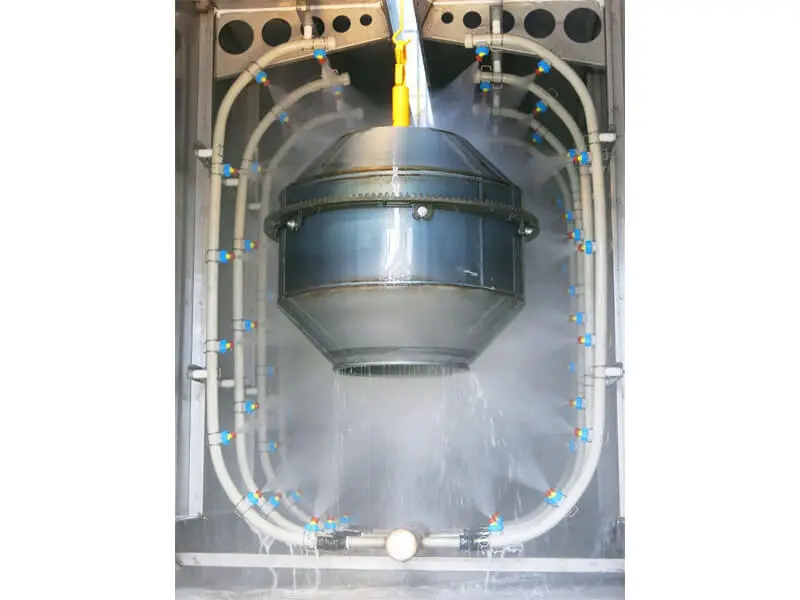
With Pretreatment Stages:
The conveyor must withstand humid, corrosive environments. Stainless steel components are often used in wash sections.
With Spray Booths:
Conveyor speed controls film build. The path must provide consistent gun-to-part distance. Open areas are needed for manual sprayers.
With Curing Ovens:
Accurate speed control is critical here. The conveyor must maintain a specific dwell time to ensure complete curing. Proper sealing at oven entry/exit points saves energy.
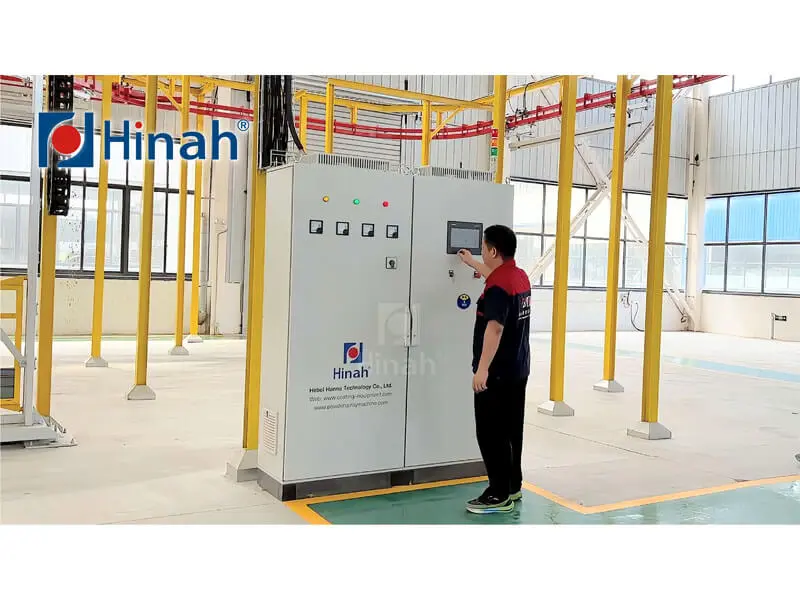
Regular maintenance prevents costly downtime. A planned schedule keeps your paint line conveyor running smoothly.
Essential Maintenance Tasks:
Common maintenance issues include:
Partnering with an experienced provider like HANNA ensures you receive proper maintenance guidance and support.
HANNA designs and builds durable paint line conveyor systems for industrial applications. We focus on robust engineering and practical solutions. Our systems are made to perform in demanding finishing environments year after year.
We offer:
A well-designed HANNA conveyor system provides the reliable foundation your finishing process needs.
The choice of a paint line conveyor is a long-term investment in your coating operation’s efficiency and quality. By understanding the system types and carefully evaluating your specific needs, you can make a confident decision. Proper design, installation, and maintenance are the keys to achieving a smooth, productive, and consistent paint line.
Q1: What is the main difference between a powder coating and a liquid paint conveyor system?
A1: The core function is identical. However, powder coating lines often emphasize thorough grounding for electrostatic application and may require designs that minimize powder entrapment. Liquid paint lines must manage solvent exposure and potential drips. HANNA engineers design for the specific requirements of each process.
Q2: How is the speed of a paint line conveyor calculated?
A2: Speed is based on the required dwell time in the slowest process stage, usually the cure oven. The formula is: Conveyor Speed = Oven Length / Required Cure Time. For example, a 60-foot oven needing a 20-minute cure requires a speed of 3 feet per minute.
Q3: Can an existing paint line conveyor be modified for higher capacity?
A3: Often, yes. Modifications can include increasing line speed (with motor/drive upgrades), adding more hanging carriers, or extending the track layout. HANNA can assess your current system and propose feasible upgrades to boost capacity.
Q4: What are the cleaning requirements for a conveyor in an active paint line?
A4: Regular cleaning prevents overspray buildup, which can cause contamination and mechanical issues. Daily or weekly wiping of trolleys and hooks is recommended. Periodic deep cleaning of the chain may be needed. Some systems use automatic chain washers.
Q5: What weight capacity should our paint line conveyor have?
A5: Capacity must account for the weight of the heaviest part, plus its fixture or hanger. It should also consider the total system load. Standard systems may handle 75-150 lbs per carrier, but HANNA can engineer heavy-duty systems for loads exceeding 1,000 lbs per carrier. Always include a safety factor in your calculations.