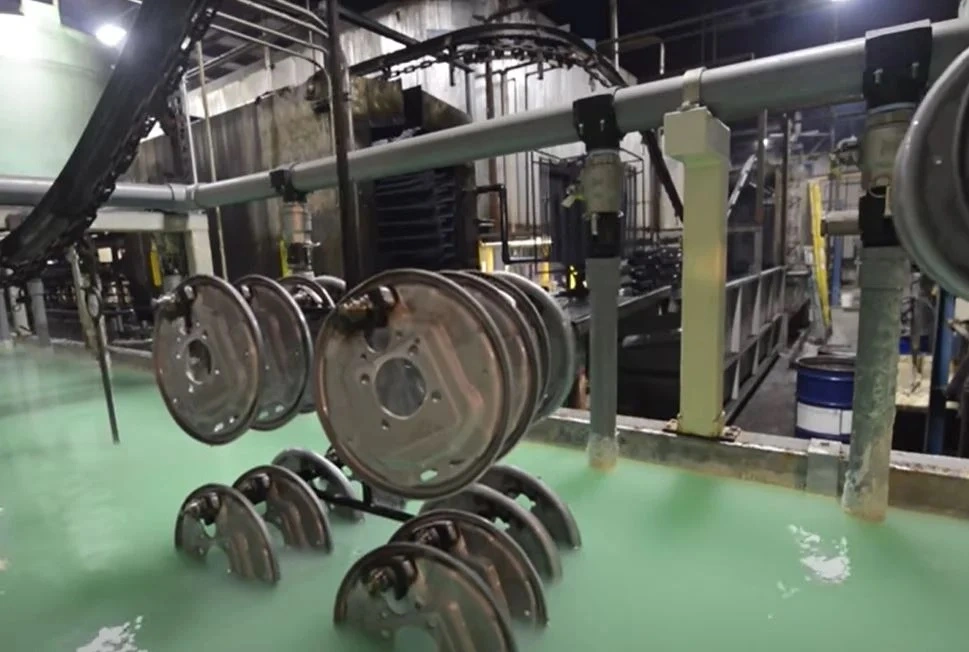
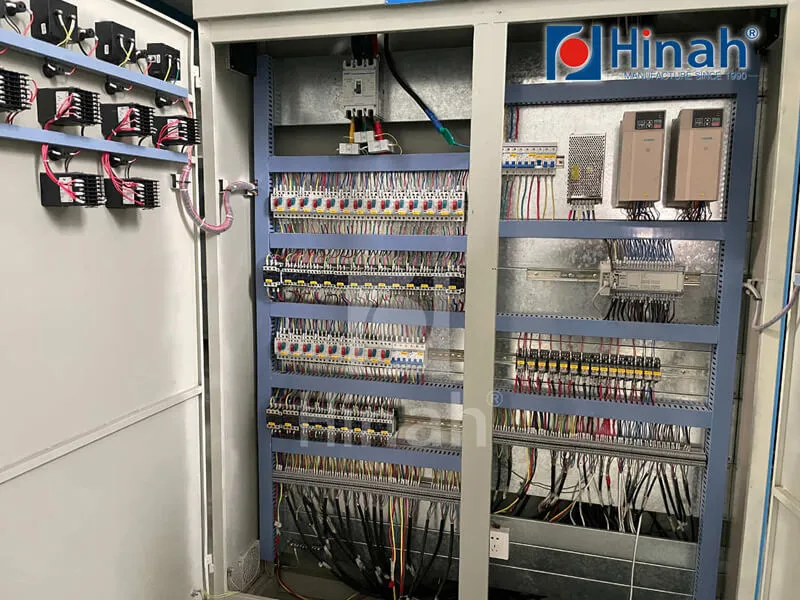
Investing in the right powder coating conveyor systems is crucial for an efficient and profitable finishing operation. These systems form the backbone of the coating process, directly impacting productivity, finish quality, and overall workflow. Choosing a system that aligns with your specific parts, volume, and facility layout is essential. This guide explores the main types of powder coating conveyor systems, key selection factors, and best practices for optimal performance.
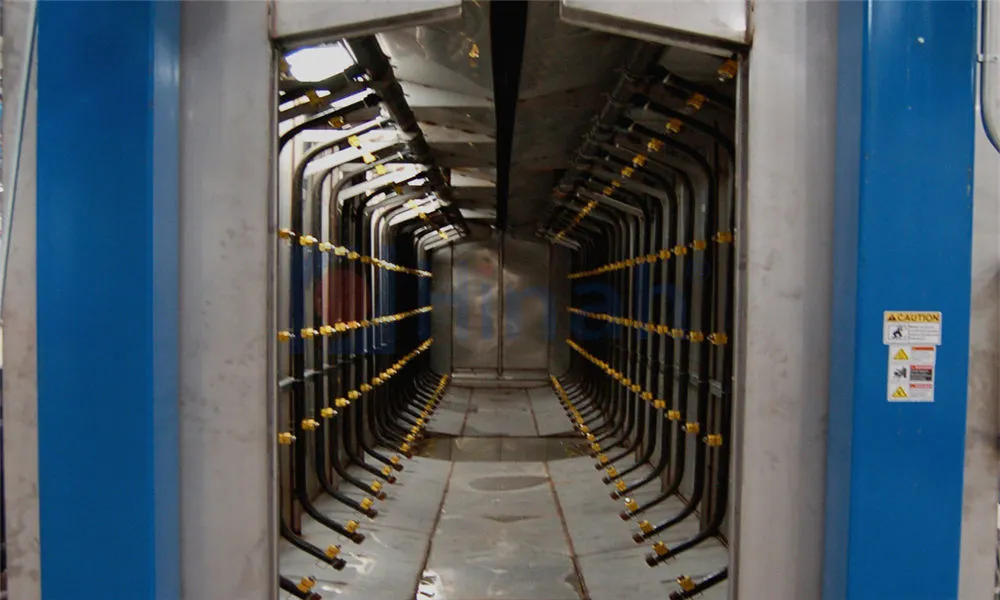
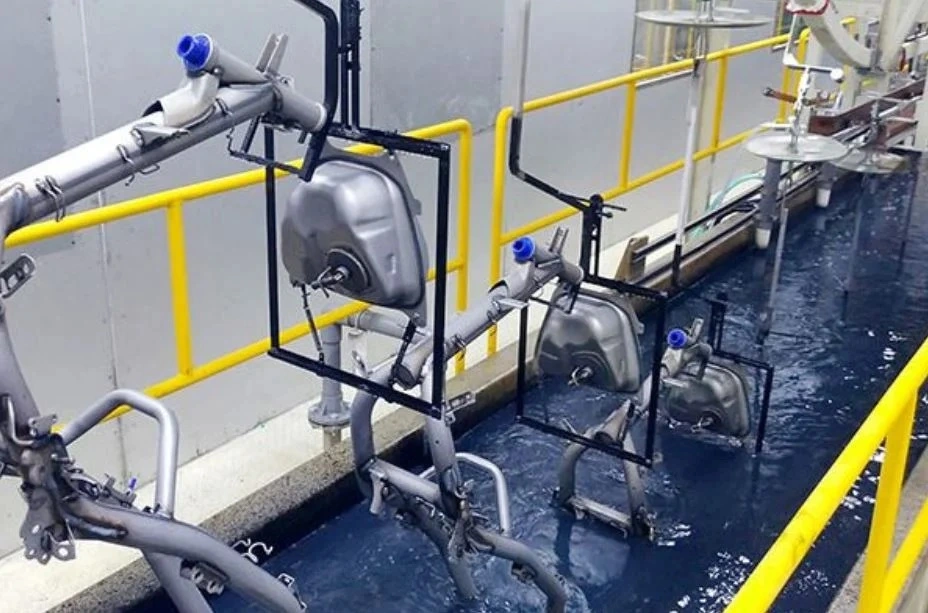
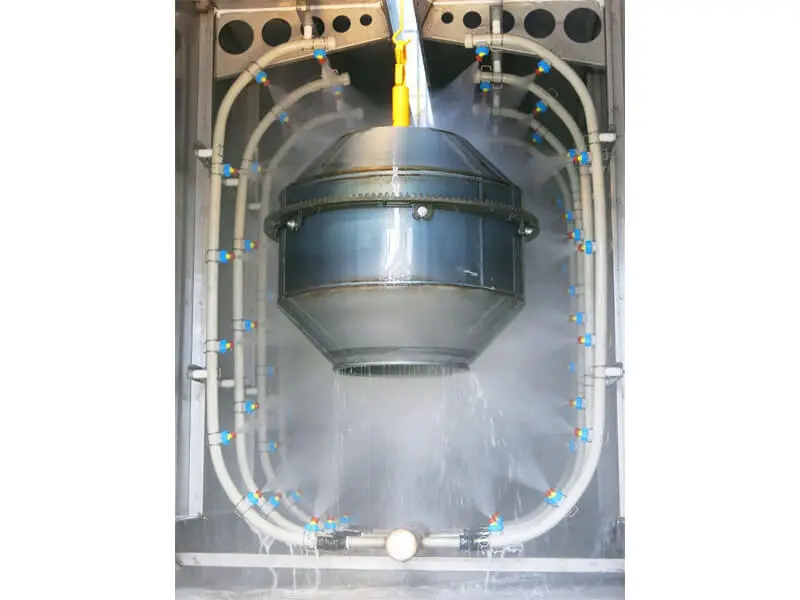
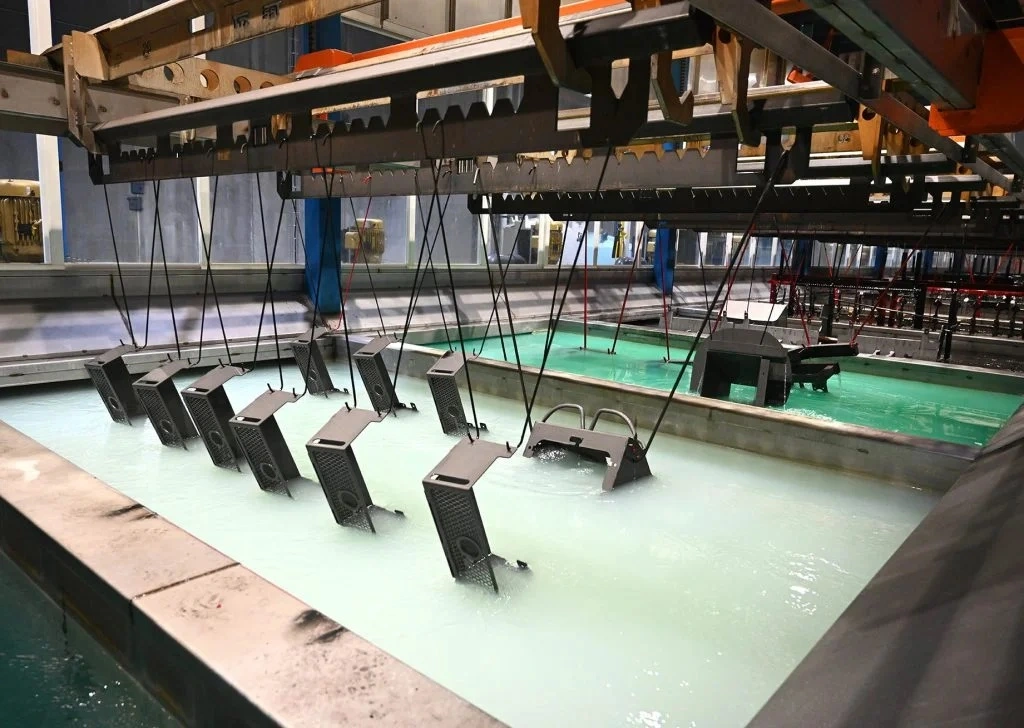
Powder coating conveyor systems transport parts through the entire finishing process in a controlled, sequential manner. They move components through pre-treatment, drying, coating, and curing stages. A well-designed system ensures consistent exposure times, minimizes handling, and maximizes throughput. The choice of system affects everything from labor costs to energy efficiency.
Main Types of Powder Coating Conveyor Systems
Several conveyor designs exist, each suited to different applications and production needs.
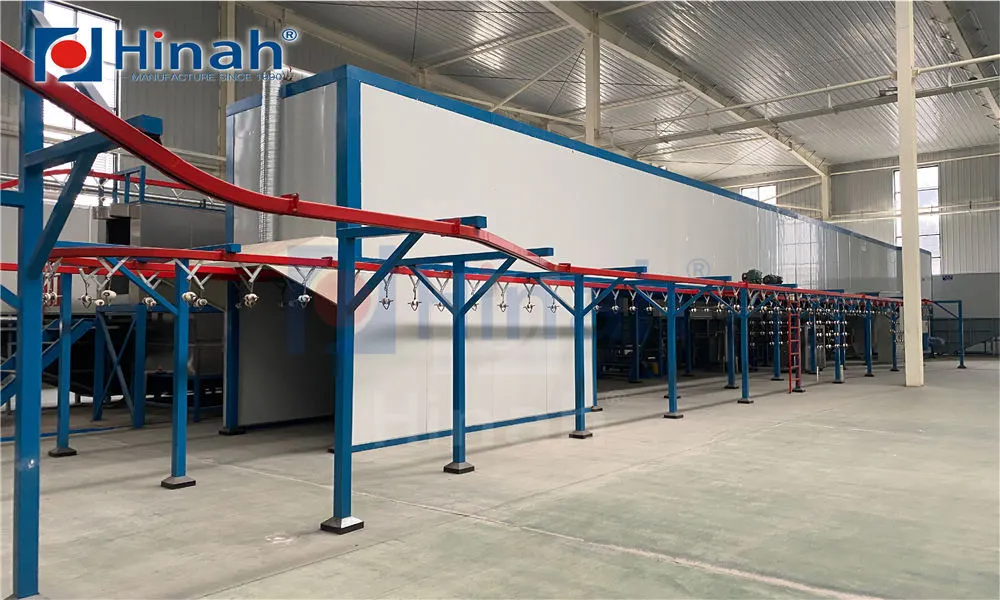
These are among the most common powder coating conveyor systems. They feature a continuous chain or trolley that runs on an elevated I-beam track. Parts are suspended from carriers or hooks.
These systems operate at or near ground level and are ideal for certain part types.
Key benefits include:
Not all operations require a fully automated, continuous system.
Selecting the optimal system requires a careful analysis of your operation. HANNA's engineering team always begins with a detailed assessment of these core factors:
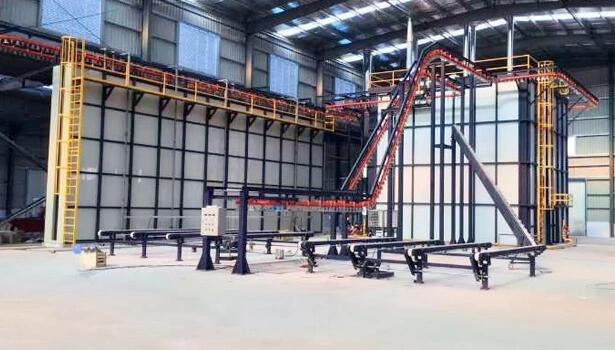
Regular maintenance is key to the longevity of your powder coating conveyor systems. A neglected conveyor can lead to costly downtime and coating defects.
Develop a Scheduled Maintenance Plan:
Common signs you need service:
At HANNA, we specialize in designing and integrating durable powder coating conveyor systems. We understand that every finishing line is unique. Our solutions are not off-the-shelf; they are engineered to match your specific production goals and challenges.
We provide:
A well-planned conveyor system from HANNA ensures a smooth, efficient, and reliable coating process from start to finish.
The efficiency of your entire powder coating line hinges on the performance of your powder coating conveyor systems. By understanding the different types available and carefully evaluating your production needs, you can make an informed investment. Prioritizing quality design, proper installation, and consistent maintenance will maximize your return and ensure consistent finish quality for years to come.
Q1: What is the typical lifespan of a powder coating conveyor system?
A1: With proper maintenance and in a well-controlled environment, a high-quality powder coating conveyor system from a reputable brand like HANNA can last 15 to 20 years or more. Key components like chains and trolleys may require periodic replacement based on usage.
Q2: Can we retrofit or upgrade our existing conveyor system?
A2: Yes, in many cases. Upgrades like variable frequency drives (VFDs) for better speed control, new chain or trolley designs, or extensions to the conveyor path are common. HANNA can assess your current system and recommend feasible retrofit options to improve performance.
Q3: How do we determine the correct line speed for our conveyor?
A3: Line speed is calculated based on the required process time in each stage (e.g., cure oven) and the length of that zone. For example, if your oven is 30 feet long and requires a 10-minute cure, the conveyor speed must be 3 feet per minute. HANNA engineers perform these calculations during the design phase.
Q4: What is the best way to clean overspray from conveyor chains and trolleys?
A4: Regular, preventive cleaning is best. Use non-abrasive methods like scraping or brushing before overspray builds up heavily. For built-up powder, dedicated conveyor chain washers or manual cleaning with approved solvents can be used. Avoid letting overspray accumulate, as it can cause contamination and mechanical issues.
Q5: How much weight can an overhead monorail conveyor typically hold?
A5: Capacity varies greatly by design. Standard systems may handle 75 to 150 lbs per carrier, while heavy-duty systems from HANNA can be engineered to support 1,000 lbs or more per carrier. The total system load, including the weight of all parts and fixtures, must be calculated during design.