A smooth, efficient, and reliable finishing process is the backbone of high-quality manufacturing. At the heart of this operation are the paint line conveyor systems. These systems do much more than simply move parts; they dictate the pace, consistency, and ultimately, the profitability of your entire powder coating or liquid painting line. Choosing and optimizing the right system is not a minor detail—it’s a major strategic investment.
For over two decades, HANNA has engineered robust solutions that address the core challenges in industrial finishing, proving that the right conveyor infrastructure is foundational to success.
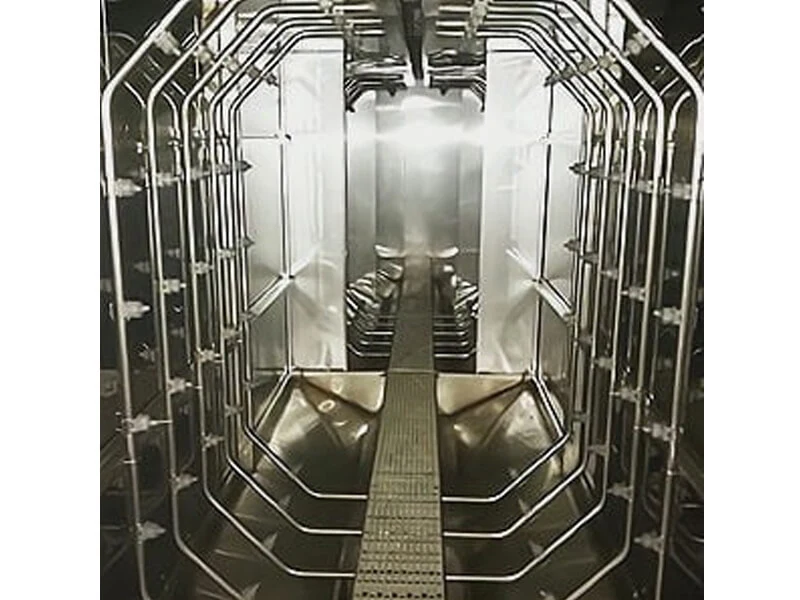
The first major choice is the conveyor type. Each has distinct advantages suited to different production needs.
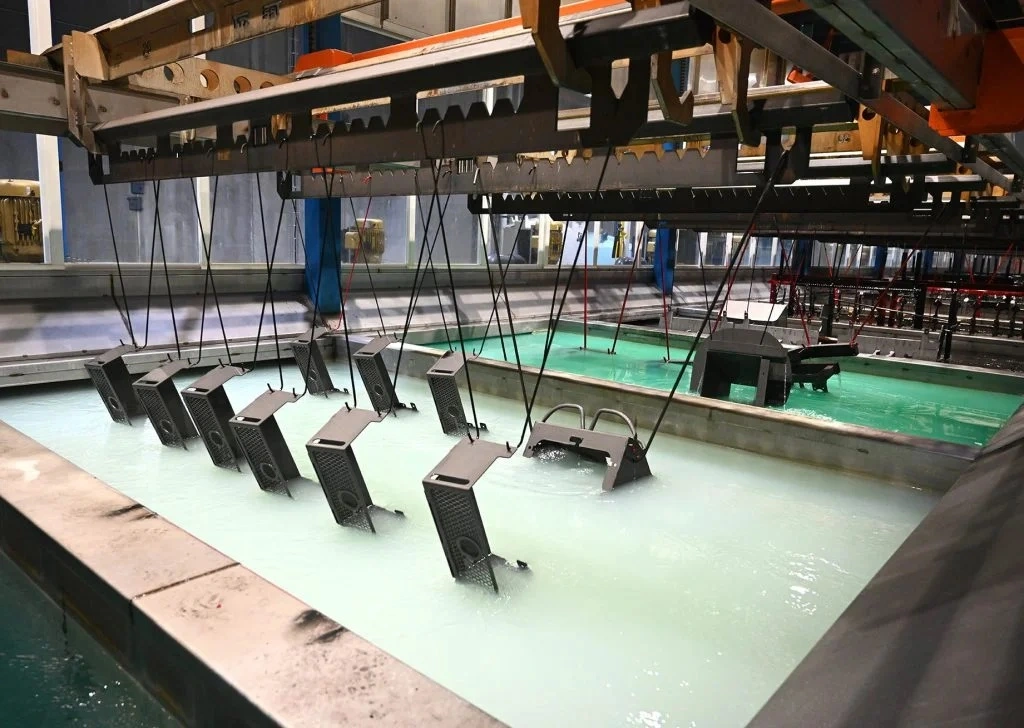
Overhead conveyor systems are the classic workhorse. They carry parts suspended from trolleys on an elevated I-beam track. This design frees up valuable floor space and is excellent for complex routing over long distances. It’s ideal for high-volume runs of similar parts, like automotive components or furniture frames.
On the other hand, floor-based systems, such as pallet conveyors or chain-on-edge, transport parts on a closed-loop track at ground level. They offer exceptional stability for heavy, bulky, or oddly shaped items. This minimizes swing and ensures a consistent distance from the spray guns, which is critical for uniform film thickness in powder applications.
Modern paint line conveyor systems often integrate both types in a hybrid layout to maximize efficiency for specific part families.
The design phase sets the stage for performance. Several non-negotiable factors must be considered to ensure your line meets international powder coating standards.
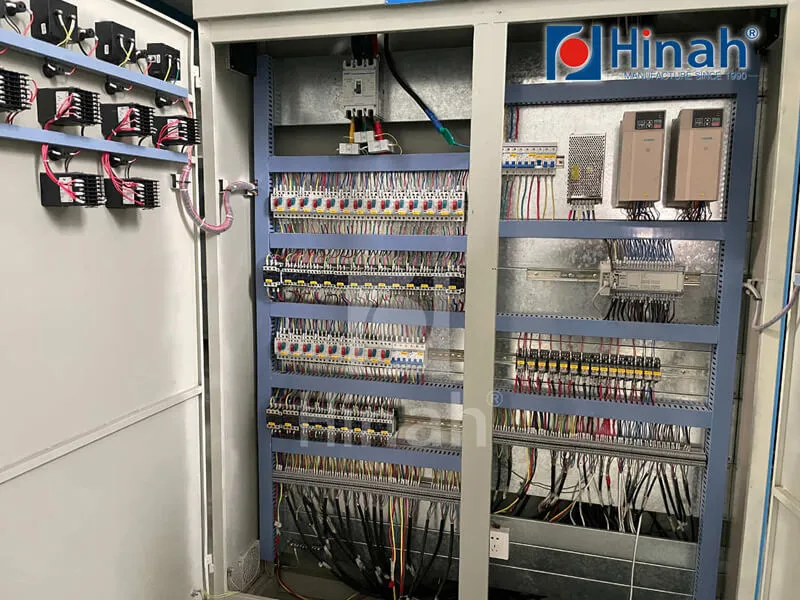
Line speed and control are paramount. The conveyor must move at a precise, variable speed to ensure the correct exposure time in pretreatment stages, curing ovens, and coating booths. Inconsistent speed leads directly to quality defects.
Payload capacity and part spacing must be meticulously calculated. The system must handle the maximum part weight while maintaining proper spacing to prevent shadowing and ensure thorough coverage during powder application. Insufficient spacing is a common cause of rejects.
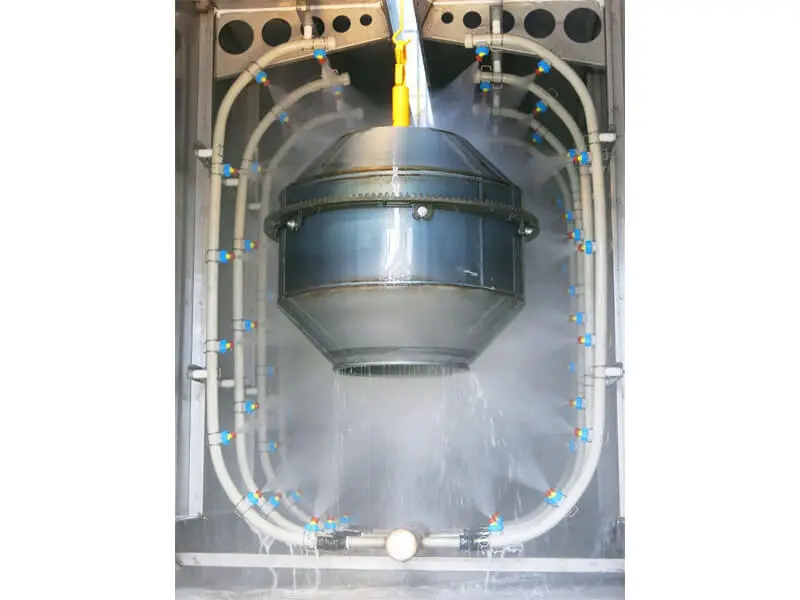
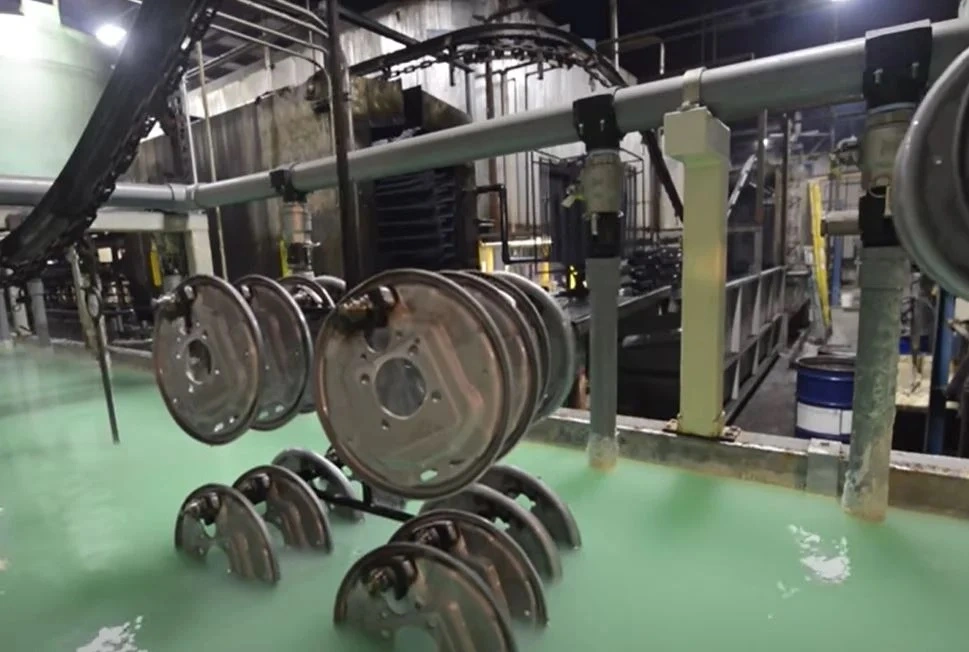
The system’s environmental resilience is crucial. Components must withstand harsh conditions: high humidity in washers, abrasive chemicals in pretreatment, and extreme heat in cure ovens. HANNA designs its systems with specialized coatings and high-temp bearings for longevity in these zones.
Even the best-designed system will fail without proper care. A proactive maintenance program is the cheapest insurance for your paint line conveyor systems.
Daily and weekly checks are essential. This includes visual inspections for debris, listening for unusual noises from drives or chains, and checking lubrication levels. A dry or squeaking chain is a failure waiting to happen.
Lubrication deserves its own focus. Using the correct, high-temperature grease on bearings and specialized chain lubricants prevents wear and seizure. Many modern systems feature automated lubrication to ensure consistency.
Regularly scheduled deep cleaning prevents a major enemy: accumulated powder. Excess powder on hangers, trolleys, and tracks can fall onto cured parts, cause electrical shorts, or mechanically jam the system. HANNA often recommends specific cleaning protocols during installation.
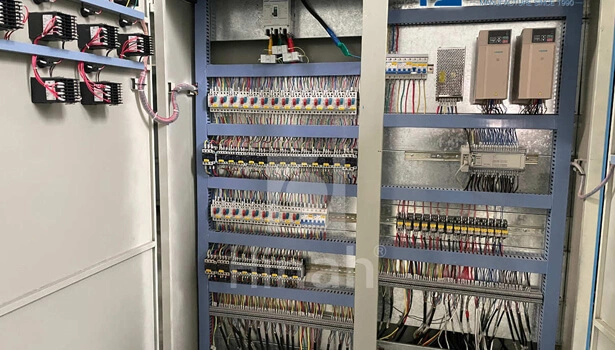
Today’s finishing lines are intelligent. Conveyors are no longer dumb movers; they are integrated data hubs.
RFID and tracking systems allow each carrier or pallet to be identified. The control system knows exactly what part is entering the booth and can automatically call up the correct spray program—gun voltage, powder flow, and pattern—for zero-changeover time.
This data integration enables predictive maintenance. Motor drives can signal increased amperage, indicating potential overloading. Thermal sensors can track bearing temperatures. This allows you to schedule maintenance before a catastrophic failure occurs, transforming your operation from reactive to predictive.
An optimized conveyor system directly contributes to greener manufacturing. Efficient routing and precise speed control reduce total energy consumption across ovens and booth fans.
More importantly, it minimizes rework. A stable, well-spaced, and consistently paced conveyor is the single biggest factor in achieving first-pass coating quality. Less rework means dramatically lower consumption of powder, solvent, and energy, slashing both costs and environmental impact.
This holistic view of efficiency is where expert partners like HANNA add immense value, ensuring your paint line conveyor systems are an engine for profit and sustainability.
Your conveyor system is the central nervous system of your paint line. The decisions made around its selection, design, and maintenance ripple through every aspect of your finishing quality, throughput, and operational cost. Viewing it as a strategic asset, rather than just utility infrastructure, unlocks significant competitive advantage.
Partnering with an experienced provider who understands the intricate demands of international powder coating standards is critical. HANNA brings this depth of application knowledge, delivering not just hardware, but a fully integrated solution designed for peak performance from day one.
Q1: What is the typical lifespan of a well-maintained paint line conveyor system?
A1: With a rigorous preventive maintenance program, a high-quality system like those from HANNA can last 15-20 years or more. Key components like drives or chains may require refurbishment, but the core structure should provide decades of service.
Q2: How do I choose between an overhead monorail and a floor conveyor for powder coating?
A2: It primarily depends on your part profile. Overhead systems are superior for lighter to medium parts and maximizing floor space. Floor conveyors (pallet systems) are best for very heavy, dense, or complex parts where stability is critical to prevent powder dislodgement and ensure even cure.
Q3: Can older paint line conveyor systems be upgraded with modern automation?
A3: Absolutely. Many existing systems can be retrofitted with RFID tracking, new variable frequency drives (VFDs) for better speed control, and automated lubrication systems. HANNA frequently performs such upgrades, significantly enhancing performance without a complete overhaul.
Q4: What is the biggest cause of downtime in these systems?
A4: Lack of preventive maintenance is the leading cause. Specific failures often include seized bearings (from inadequate high-temp lubrication), chain wear/breakage, and electrical failures from powder buildup. A scheduled maintenance plan directly prevents these issues.
Q5: How does the conveyor design impact my powder coating transfer efficiency?
A5: Significantly. Proper part spacing and stable, consistent movement are vital. If parts are too close, they cause “shadowing.” If the conveyor vibrates or parts swing, the gun-to-part distance changes, creating uneven coating thickness. A well-designed system provides the stable, predictable environment needed for high transfer efficiency.