When it comes to achieving durable, high-quality finishes in industrial and manufacturing settings, a paint curing oven plays a pivotal role. This specialized equipment ensures that coatings, particularly powder-based ones, are properly hardened and bonded to surfaces, resulting in enhanced durability, corrosion resistance, and aesthetic appeal. In this article, we delve into the intricacies of paint curing ovens, exploring their connection to powder coating processes, the factors influencing their selection, and practical guidance for optimal use. Whether you're involved in automotive, aerospace, or furniture manufacturing, understanding how these ovens function can streamline your operations and improve product outcomes. We'll cover key aspects such as the role of powder coating curing ovens, how to evaluate powder coating oven manufacturers, insights into custom powder coating oven price, and best practices for how to cure powder coating effectively. By the end, you'll have a comprehensive view of why investing in the right oven is crucial for your business.

A paint curing oven is a thermally insulated chamber designed to heat coated materials to specific temperatures, facilitating the curing process where liquid or powder coatings transform into a hard, durable finish. These ovens operate by circulating hot air—often through convection or infrared methods—to ensure even heat distribution. The primary goal is to trigger chemical reactions in the coating, such as cross-linking polymers, which enhance adhesion and performance. In industrial applications, a paint curing oven is essential for preventing defects like peeling or bubbling, and it's commonly used alongside powder coating systems. For instance, a powder coating curing oven specifically targets powder-based applications, where the heat melts and fuses the powder particles onto the substrate. This process not only improves efficiency but also reduces waste compared to traditional liquid paints. By maintaining precise temperature controls, these ovens help achieve consistent results, making them indispensable in sectors where finish quality directly impacts product longevity and customer satisfaction.
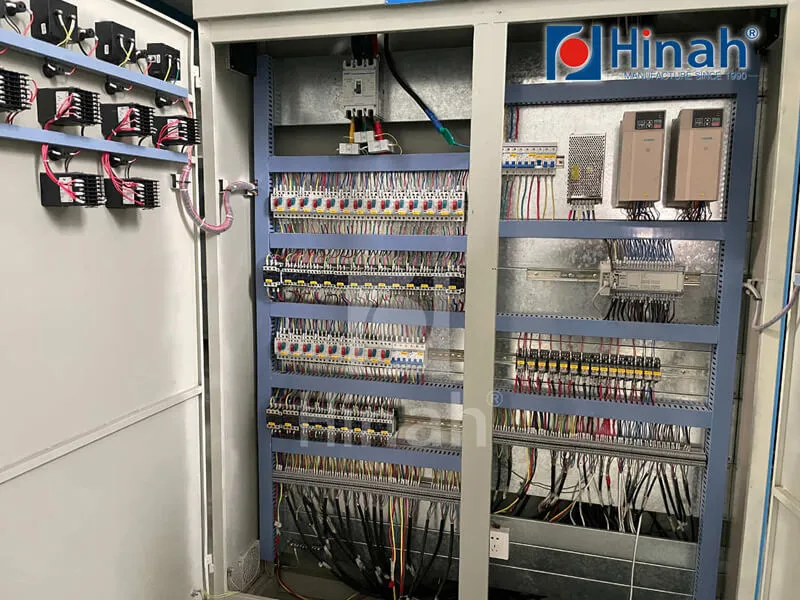
Powder coating curing ovens are a specialized subset of paint curing ovens, tailored for the unique demands of powder coating applications. Unlike conventional ovens, they are engineered to handle the electrostatic process where dry powder is applied to a surface and then heated to form a seamless layer. The key advantage of using a powder coating curing oven lies in its ability to provide uniform curing, which minimizes imperfections and maximizes coating life. These ovens often incorporate advanced features like programmable logic controllers (PLCs) and energy-efficient heating elements to adapt to various materials, from metal to plastics. In industries such as automotive or construction, a well-designed powder coating curing oven ensures that components withstand harsh environments, reducing maintenance costs over time. Moreover, as environmental regulations tighten, these ovens support eco-friendly practices by emitting fewer volatile organic compounds (VOCs) compared to solvent-based alternatives. When integrated into a production line, a powder coating curing oven enhances throughput and consistency, underscoring its value in achieving high-performance finishes that meet industry standards.
Selecting the right powder coating oven manufacturers is critical for ensuring equipment reliability, efficiency, and long-term cost savings. A reputable manufacturer will offer ovens that align with your specific production needs, whether for small-scale workshops or large industrial facilities. Start by researching manufacturers with a proven track record in the industry—look for certifications, customer reviews, and case studies that demonstrate their expertise. Key factors to consider include the range of oven types available (e.g., batch ovens for low-volume jobs or conveyor ovens for high-volume lines), customization options, and after-sales support. For example, some powder coating oven manufacturers provide comprehensive services like installation, training, and maintenance, which can reduce downtime. Additionally, evaluate their adherence to safety standards and energy efficiency, as these impact operational costs. It's also wise to request quotes and compare offerings, keeping in mind that a higher initial investment from a trusted manufacturer often translates to better durability and performance. By partnering with experienced powder coating oven manufacturers, you can secure equipment that optimizes your curing processes and supports business growth.
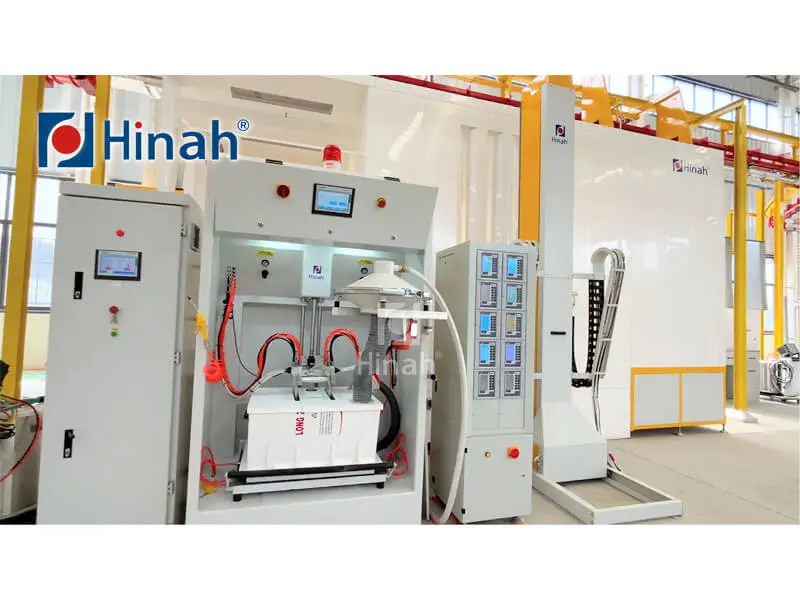
The custom powder coating oven price can vary widely based on several factors, making it essential to assess your requirements before making a purchase. Typically, prices range from a few thousand dollars for basic models to over $100,000 for large, automated systems. Key determinants include size and capacity—larger ovens for big components like automotive frames cost more due to higher material and energy demands. Heating technology also plays a role; for instance, infrared ovens might be pricier than convection types but offer faster curing times. Customization features, such as specialized airflow designs or integration with existing production lines, can further influence the custom powder coating oven price. Other cost drivers include insulation quality, control systems (e.g., touchscreen interfaces), and compliance with industry regulations. To get an accurate estimate, consult multiple powder coating oven manufacturers and provide details about your throughput, temperature needs, and space constraints. Remember, while a lower custom powder coating oven price might seem appealing, it's crucial to balance cost with long-term benefits like energy savings and reduced maintenance. Investing in a well-designed oven can lead to significant ROI through improved efficiency and product quality.
Knowing how to cure powder coating is essential for achieving a flawless finish that lasts. This process involves several stages, from preparation to post-curing checks, and relies heavily on the proper use of a paint curing oven. First, ensure the substrate is clean and free of contaminants—this might involve degreasing, sandblasting, or applying a pretreatment like phosphating. Next, apply the powder coating electrostatically, which allows it to adhere evenly before curing. Then, transfer the coated item to a powder coating curing oven, where temperature and time are critical. Typically, curing occurs at temperatures between 300°F and 450°F (149°C to 232°C) for 10-20 minutes, but always refer to the powder manufacturer's guidelines. Inside the oven, the heat causes the powder to melt, flow, and chemically cross-link, forming a tough film. Monitoring this with a thermometer or oven controls ensures consistency. After curing, allow the item to cool slowly to prevent stress cracks. By mastering how to cure powder coating, you can avoid common issues like orange peel texture or under-curing, which compromise durability. Regular maintenance of your paint curing oven, such as calibrating sensors and cleaning filters, also supports optimal results.
Incorporating a paint curing oven into your production workflow offers numerous advantages that extend beyond basic coating applications. For one, it enhances efficiency by reducing curing times compared to air-drying methods, leading to faster turnaround and higher output. A powder coating curing oven, in particular, supports sustainability efforts by minimizing waste—overspray powder can often be recycled, unlike liquid paints. Additionally, these ovens improve finish quality, providing superior resistance to scratches, UV rays, and chemicals, which is vital for products exposed to harsh conditions. From a financial perspective, a well-maintained paint curing oven can lower operational costs through energy-efficient designs and reduced rework. For businesses considering a custom powder coating oven price, the long-term savings in material and labor often justify the investment. Moreover, using reliable equipment from reputable powder coating oven manufacturers ensures compliance with industry standards, boosting customer trust and market competitiveness. By streamlining the curing process, companies can also experiment with innovative coatings and techniques, fostering innovation and growth.
Despite the benefits, users may face challenges when operating a paint curing oven for powder coating. Common issues include uneven curing, which can result from improper oven calibration or overcrowding of parts. To address this, ensure adequate airflow and regular maintenance of heating elements. Another problem is energy inefficiency, often due to outdated insulation or poor sealing—upgrading to modern ovens from trusted powder coating oven manufacturers can mitigate this. When considering the custom powder coating oven price, some might opt for cheaper models that lack safety features, leading to hazards like overheating; always prioritize ovens with built-in safeguards like automatic shut-offs. For those learning how to cure powder coating, inconsistencies in temperature or time can cause defects; using digital controllers and training staff on best practices can help. Lastly, selecting the wrong oven size or type may limit productivity—consult experts to match equipment to your specific needs. By proactively tackling these challenges, you can maximize the performance of your powder coating curing oven and maintain high-quality outputs.
Q1: What is the main difference between a paint curing oven and a powder coating curing oven?
A1: While both ovens serve to cure coatings, a paint curing oven is a general term for ovens that handle various types of coatings, including liquids and powders. A powder coating curing oven is specifically designed for powder-based applications, often featuring precise temperature controls and airflow systems to melt and fuse powder particles evenly. In practice, many paint curing ovens can be adapted for powder coating, but specialized powder coating curing ovens optimize efficiency and finish quality for powder processes.
Q2: How do I find reputable powder coating oven manufacturers?
A2: To find reliable powder coating oven manufacturers, start by researching industry directories, trade shows, and online reviews. Look for manufacturers with certifications like ISO standards, and ask for references or case studies. It's also helpful to evaluate their customer support, warranty offerings, and customization options. Visiting their facilities or requesting a demo can provide insights into their equipment's quality and suitability for your needs.
Q3: What factors influence the custom powder coating oven price?
A3: The custom powder coating oven price is influenced by factors such as oven size, heating technology (e.g., convection vs. infrared), level of automation, insulation quality, and additional features like advanced control systems. Customization for specific production lines or materials can also increase costs. Energy efficiency ratings and compliance with safety regulations may affect pricing, so it's important to discuss your requirements with manufacturers to get an accurate quote.
Q4: Can you explain the basic steps for how to cure powder coating?
A4: The basic steps for how to cure powder coating include: 1) Prepare the substrate by cleaning and pretreating it to ensure adhesion. 2) Apply the powder coating electrostatically. 3) Place the coated item in a powder coating curing oven and heat it to the recommended temperature (usually 300-450°F) for the specified time (10-20 minutes). 4) Monitor the curing process to avoid under- or over-curing. 5) Allow the item to cool before handling. Always follow the powder manufacturer's guidelines for best results.
Q5: Why is a paint curing oven essential for powder coating applications?
A5: A paint curing oven is essential for powder coating because it provides the controlled heat needed to melt, flow, and chemically bond the powder to the substrate, creating a durable, uniform finish. Without proper curing, powder coatings may not adhere well, leading to defects like chipping or fading. Using a dedicated powder coating curing oven ensures consistent results, improves productivity, and enhances the coating's protective properties, making it a cornerstone of quality in manufacturing processes.
In conclusion, a paint curing oven is more than just a heating device—it's a vital component for achieving superior finishes in powder coating. By understanding its functions, selecting the right equipment from trusted powder coating oven manufacturers, and mastering techniques like how to cure powder coating, businesses can elevate their products and operations. If you're considering an investment, carefully weigh factors like custom powder coating oven price against long-term benefits to make an informed decision.