Selecting the correct paint curing oven is a critical decision for any coating operation. This piece of equipment does more than just dry paint; it initiates a chemical crosslinking reaction to create a durable, high-performance finish. The right oven impacts product quality, production speed, and energy costs.
Whether you are setting up a new line or upgrading existing equipment, understanding the options for a paint curing oven is essential. This guide covers the main types, key features, and selection criteria to help you make an informed choice that fits your specific application and business goals.
Paint curing ovens are primarily categorized by their heat source and method of heat transfer. Each type has distinct advantages suited to different production environments.
Convection Ovens
These are the most common type of industrial paint curing oven. They work by heating air, which then circulates around the parts to transfer heat.
Infrared (IR) Ovens
Infrared ovens use electromagnetic radiation to directly heat the part and the coating, rather than the air.
Combination Ovens
Many modern systems, such as those from HANNA, use a hybrid approach to maximize benefits.
When evaluating a paint curing oven, pay close attention to its construction and control systems. These elements define its performance, safety, and lifespan.
Insulation and Sealing
Proper insulation is vital for efficiency and worker safety.
Heating System
The heart of the oven. Options include:
Air Flow and Circulation
For convection ovens, consistent air movement is non-negotiable.
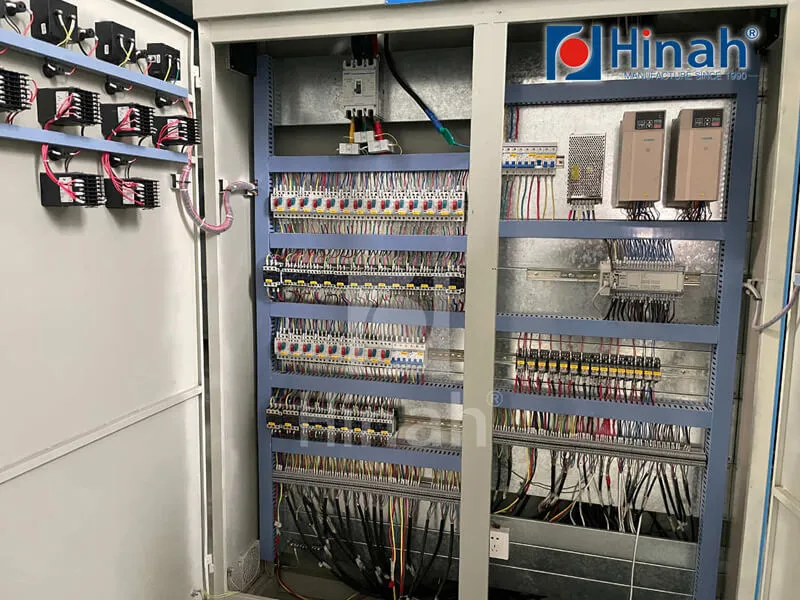
Control System
A modern control system is essential for repeatable results.
Choosing the ideal paint curing oven requires a clear analysis of your production requirements. Here are the main factors to consider.
Curing Process Requirements
The coating manufacturer’s specifications are your starting point.
Production Parameters
Your daily operations dictate the oven’s size and style.
Facility and Operational Constraints
Practical considerations for installation and use.
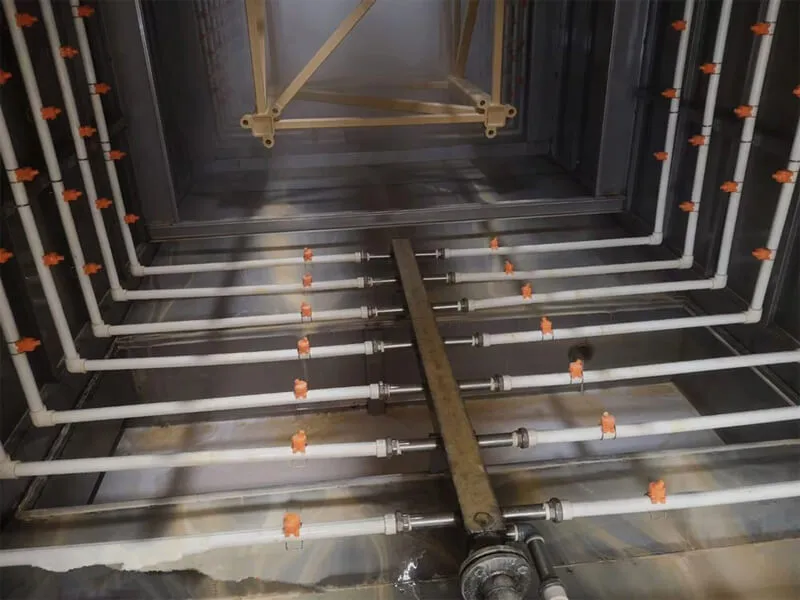
For over 40 years, HANNA has engineered industrial ovens known for their reliability and efficiency. A HANNA paint curing oven is built to perform consistently in demanding production environments.
We focus on creating value through intelligent design and robust construction. Our team works with you to configure an oven that meets your exact thermal profile and production goals.
Key benefits of a HANNA paint curing oven include:
A paint curing oven is a long-term investment in the quality and durability of your finished products. Taking the time to understand your process needs and the technology available will lead you to the best choice for your shop.
Partnering with an experienced manufacturer like HANNA ensures you get a system designed for your specific application. It will provide the precise, reliable, and efficient cure your products require, year after year.
Q1: What is the difference between drying and curing a paint or powder coating?
A1: Drying is simply the evaporation of solvents or water, leaving a film. Curing is a chemical reaction (crosslinking) triggered by heat. A cured film is harder, more durable, and chemically resistant than a dried film. A proper paint curing oven is essential for curing.
Q2: How do I determine the correct size and length for a conveyorized oven?
A2: It is based on your line speed, required cure time, and part dimensions. The formula is: Oven Length = Line Speed (ft/min) x Cure Time (min). You must also add space for part entrance and exit zones. HANNA engineers can perform this calculation for you.
Q3: Can an oven cure both liquid paints and powder coatings?
A3: Generally, yes. Both require heat to cure. However, cure profiles (temperature and time) differ. Powder coatings typically cure at a slightly higher temperature than many liquid paints. An oven with a flexible control system can often handle both.
Q4: What maintenance does an industrial paint curing oven require?
A4: Regular maintenance includes:
Q5: Can HANNA design an oven for a high-temperature specialty coating?
A5: Absolutely. HANNA regularly builds paint curing ovens for coatings requiring PMTs up to 500°F or higher. These systems use specialized high-temperature insulation, alloy interior components, and robust heating systems to meet the demanding thermal profile.