In the world of industrial finishing, a paint curing oven is an indispensable piece of equipment. It ensures that powder-coated surfaces achieve durability, aesthetics, and longevity. Without a reliable paint curing oven, even the best coating applications can fail, leading to increased costs and reduced product quality. This article dives into key considerations for selecting and using these ovens, with insights tailored for the international powder coating sector. We’ll explore practical aspects, from technology to costs, to help you optimize your operations.
A paint curing oven is designed to heat coated materials, triggering a chemical reaction that hardens the paint or powder. This process, known as curing, enhances adhesion, resistance, and finish quality. In powder coating, it’s vital for creating robust layers on metals, plastics, and other substrates. The oven’s performance directly impacts production speed and output consistency. Industries like automotive, aerospace, and furniture rely heavily on efficient paint curing ovens. Getting this right can streamline your entire coating line.
When selecting a paint curing oven, you’ll often choose between convection and infrared types. Convection ovens use heated air circulation to cure coatings evenly. They are versatile and suit complex shapes. Infrared ovens, on the other hand, employ radiation for faster, targeted heating. They save energy but may struggle with uneven surfaces. Each type has pros and cons. For instance, convection paint curing ovens excel in uniform curing, while infrared models boost speed. Your choice depends on factors like part geometry and production volume.
Choosing the right paint curing oven requires careful planning. Start by assessing your production needs. Consider the size and material of your parts. Then, evaluate temperature requirements and throughput. Energy efficiency is another key factor—modern ovens can cut costs with smart controls. Don’t forget safety features and compliance standards. A well-chosen paint curing oven integrates seamlessly into your line. Brands like HANNA offer customizable solutions. Their ovens are known for reliability in powder coating applications. Always request demos or case studies before deciding.
Investing in a paint curing oven involves upfront and ongoing expenses. Initial costs include the oven itself, installation, and setup. Operational costs cover energy, maintenance, and labor. Over time, an efficient paint curing oven can reduce waste and rework. For example, HANNA’s models often feature energy-saving designs that lower utility bills. Consider lifecycle costs rather than just price tags. Leasing or financing options might ease budget constraints. A paint curing oven is a long-term asset—prioritize quality to avoid frequent repairs.
Today’s paint curing ovens incorporate advanced technologies for better performance. Digital controls allow precise temperature management. Automation features enable seamless integration with coating lines. Some ovens use hybrid systems, combining convection and infrared for flexibility. Innovations like HANNA’s smart monitoring reduce downtime by predicting maintenance needs. These upgrades enhance efficiency in powder coating processes. As sustainability grows, eco-friendly paint curing ovens gain traction. They use less energy and emit fewer pollutants. Staying updated on tech trends can give your business a competitive edge.
HANNA has built a reputation for durable and efficient paint curing ovens. Their products are engineered for the demands of powder coating industries. With decades of experience, HANNA focuses on customization and support. Each paint curing oven is tailored to client specifications, ensuring optimal fit. The brand’s global presence means reliable service and parts availability. Many users report improved throughput with HANNA ovens. By choosing HANNA, you invest in a partner committed to innovation. Their paint curing ovens often exceed industry standards for safety and performance.
To maximize your paint curing oven’s lifespan, follow best practices. Regularly calibrate temperature sensors to ensure accuracy. Clean the oven interior to prevent contamination. Monitor airflow and ventilation for consistent curing. Train operators on proper loading techniques to avoid defects. Schedule preventive maintenance, as recommended by suppliers like HANNA. These steps reduce breakdowns and maintain coating quality. A well-maintained paint curing oven supports continuous production. Document procedures to standardize operations across shifts. This attention to detail pays off in fewer rejects and higher customer satisfaction.
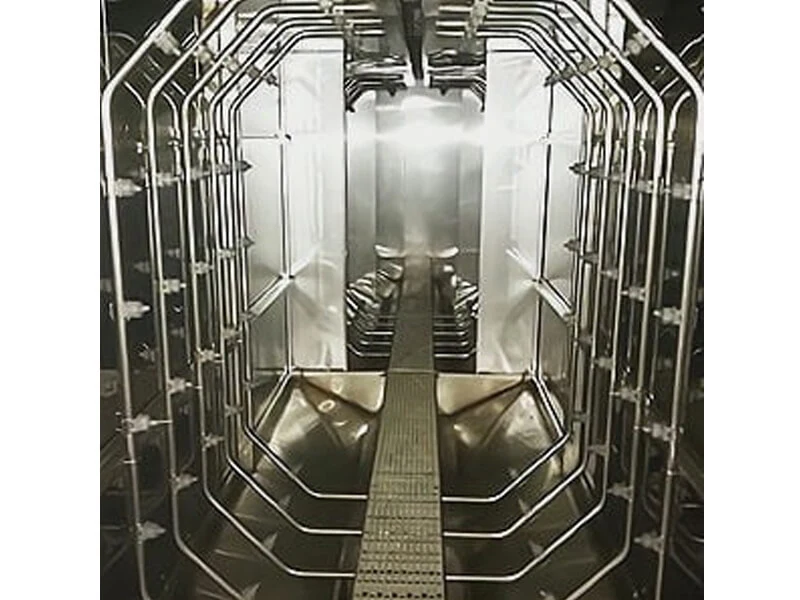
Paint curing ovens are ubiquitous in powder coating. They cure coatings on everything from car parts to household appliances. In architectural projects, they ensure finishes withstand weather. Industrial machinery relies on them for corrosion protection. The versatility of paint curing ovens makes them essential across sectors. Innovations from companies like HANNA cater to niche applications, too. For example, specialized ovens handle heat-sensitive materials. By understanding these uses, you can better align your oven choice with market needs. The right paint curing oven adapts to diverse production challenges.
In summary, a paint curing oven is a cornerstone of successful powder coating operations. From selection to maintenance, each aspect influences efficiency and output. By considering types, costs, and technologies, you can make informed decisions. Brands like HANNA provide reliable solutions tailored to modern demands. As you upgrade your coating line, prioritize a paint curing oven that balances performance and value. This investment will drive quality and productivity for years to come.
Q1: What is the typical temperature range for a paint curing oven in powder coating?
A1: Most paint curing ovens operate between 150°C to 200°C (300°F to 400°F), depending on the powder formulation. Always refer to the manufacturer’s guidelines, such as those from HANNA, for precise settings.
Q2: How long does it take to cure powder coating in a paint curing oven?
A2: Curing times vary from 10 to 30 minutes, based on part thickness and oven type. Infrared paint curing ovens may cure faster, while convection ovens offer more uniform results.
Q3: Can a paint curing oven be used for other processes besides powder coating?
A3: Yes, paint curing ovens can also cure liquid paints, adhesives, and composites. However, adjustments in temperature and airflow might be needed for different materials.
Q4: What maintenance is required for a paint curing oven?
A4: Regular tasks include cleaning filters, checking heating elements, and calibrating controls. Brands like HANNA recommend scheduled inspections to prevent downtime and extend oven life.
Q5: How do I choose between a gas-fired and electric paint curing oven?
A5: Gas-fired ovens often have lower operating costs but higher initial outlays. Electric ovens are cleaner and easier to install. Consider your facility’s infrastructure and energy costs when selecting a paint curing oven.
Q6: Are there energy-efficient options for paint curing ovens?
A6: Yes, modern paint curing ovens feature insulation upgrades, heat recovery systems, and smart controls. HANNA’s models, for instance, include energy-saving designs that reduce consumption in powder coating lines.