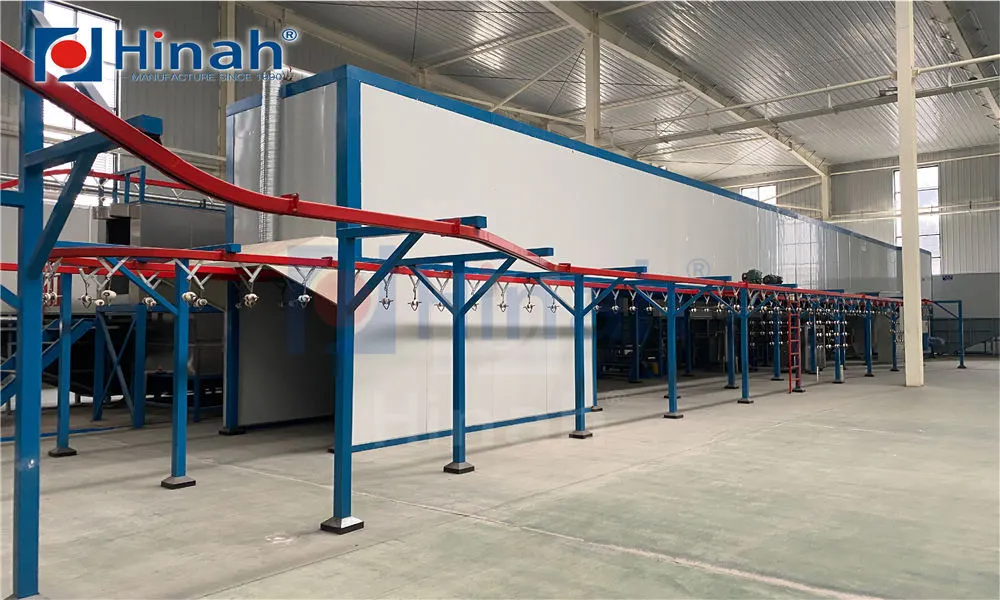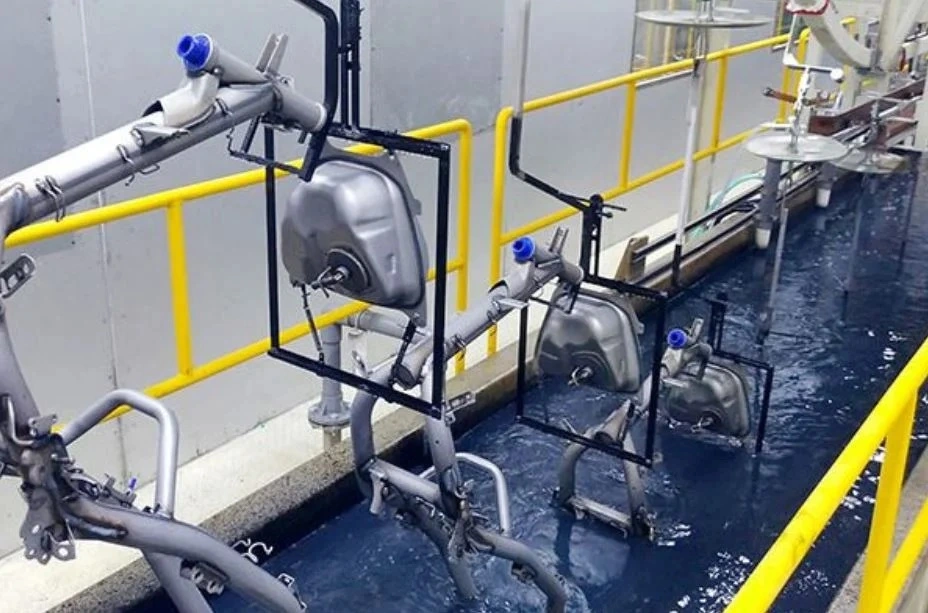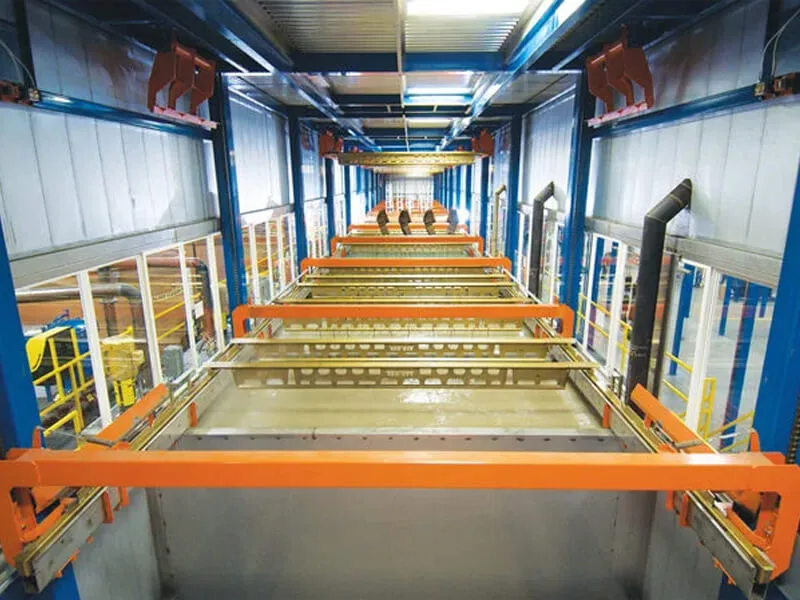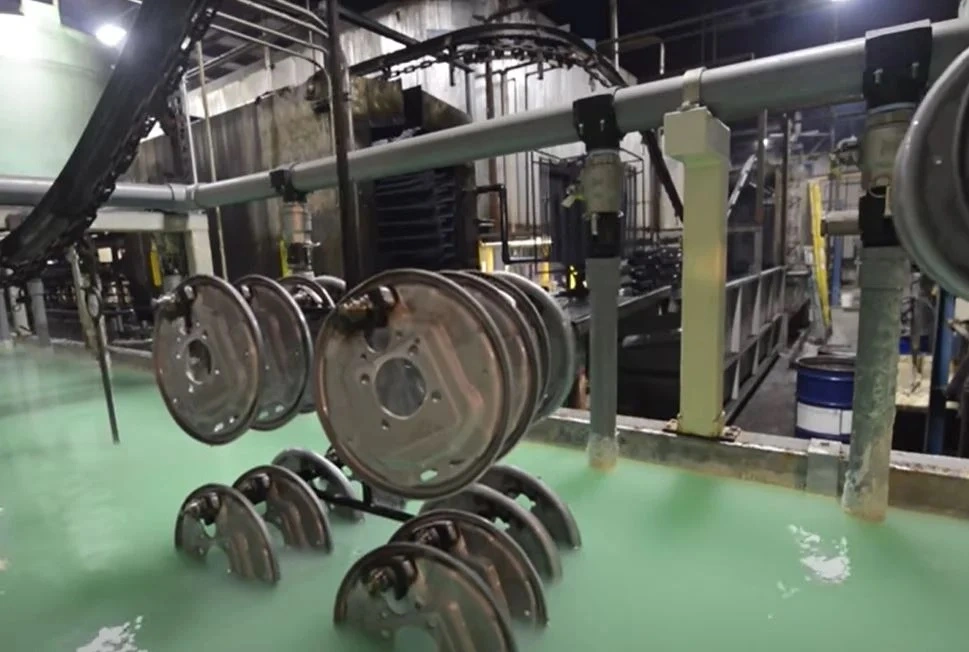

Thermosetting polymer curing requires precise thermal management to achieve specified mechanical properties, corrosion resistance, and aesthetic qualities. In industrial finishing, the batch curing process accommodates diverse part geometries, varying substrate thicknesses, and low-to-medium production volumes. Selecting and configuring a powder coating batch oven demands a thorough understanding of heat transfer physics, combustion chemistry, and fluid dynamics.
For industrial finishing operations, achieving uniform heat distribution across the entire volume of the heating chamber is the primary engineering challenge. Variations in temperature can lead to under-cured zones, resulting in poor adhesion and coating brittleness, or over-cured areas, causing discoloration and reduced impact strength. This analysis examines the systemic variables that govern curing consistency and provides actionable insights for process refinement.
The curing of powder coatings relies on three primary heat transfer mechanisms: conduction, convection, and radiation. In a convection-based curing chamber, heated air serves as the medium to transfer energy to the coated workpiece. The efficiency of this process is governed by the heat transfer coefficient, which depends heavily on air velocity, air density, and the physical characteristics of the boundary layer surrounding the part.
As heated air flows over the substrate, it must break through the stagnant boundary layer of air that naturally clings to the metal surface. High-velocity air currents disrupt this layer, accelerating the temperature rise of the metal substrate. Once the substrate reaches the target gelation temperature, the powder begins to melt, flow, and cross-link.
To support high-volume processing, industrial systems designed by HANNA utilize advanced thermodynamic designs that balance energy consumption with rapid heat-up rates. Standardizing the thermal ramp-up phase prevents surface orange peel and ensures that the powder molecules cross-link uniformly across complex weldments and variable material thicknesses.
Consistent coating performance requires precise control over the air movement within the chamber. Without balanced airflow, stratified temperature zones develop, with hotter air naturally rising to the ceiling and cooler air settling at the floor. Operating a powder coating batch oven with poor air distribution leads to rejected parts and inconsistent quality runs.
Duct design plays a decisive role in eliminating thermal stratification. Engineered air distribution systems utilize supply and return ducts designed to maintain balanced static pressure throughout the chamber length. Adjustable slide dampers or louvers allow operators to fine-tune the airflow patterns based on the specific loading configuration of the rack.
Supply Duct Configuration: Positioned along the side walls near the floor, supply ducts introduce heated air at high velocity, forcing the thermal energy to rise through the product load.
Return Duct Configuration: Typically located near the ceiling or back wall, these ducts draw cooler, spent air back into the combustion chamber to be reheated, creating a continuous, closed-loop cycle.
Velocity Control: Air velocity must be high enough to facilitate rapid heat transfer but controlled enough to prevent blowing uncured powder off the parts before gelation occurs.
The choice between direct-fired and indirect-fired gas heating systems significantly affects both operational parameters and finished product properties. In a direct-fired system, the burner combusts fuel directly within the recirculated airstream. This configuration offers high thermal efficiency and rapid response to temperature set-point changes, as there is no thermal barrier between the combustion flame and the process air.
In contrast, indirect-fired systems utilize a combustion chamber and a stainless steel heat exchanger. The combustion byproducts—such as water vapor, carbon dioxide, and trace nitrous oxides—are vented separately, while only clean process air passes over the exterior of the heat exchanger to be heated. This design is highly beneficial when curing sensitive colors, such as bright white or clear coats, which can yellow when exposed to combustion byproducts. By utilizing premium engineering models from HANNA, finishing operations can match the heating method to their specific substrate and chemistry requirements, avoiding surface contamination and achieving reproducible cure cycles.
Industrial powder coating operations frequently encounter challenges related to uneven mass distribution and diverse substrate profiles. When a single batch contains both heavy structural steel channels and thin-gauge sheet metal, achieving an even cure becomes highly complex. The thin sheet metal reaches the target curing temperature within minutes, while the heavy steel acts as a heat sink, lagging behind and requiring prolonged exposure to reach the same temperature.
To address this variation, process engineers must employ specific operational strategies:
Dwell Time Compensation: Curing cycles must be calculated based on the metal temperature, not the air temperature. Utilizing contact thermocouples or infrared pyrometers helps determine when the heaviest part has reached the required dwell temperature.
Zoned Recirculation: Segmenting the chamber into distinct thermal zones allows operators to direct more thermal energy toward the sections holding high-mass parts.
Variable Frequency Drives (VFDs): Integrating VFDs on the recirculation fans enables operators to adjust fan speeds, reducing velocity during the initial heat-up to protect delicate parts, and increasing it once the powder has gelled.
Another common issue is powder drift, where high-velocity air currents dislodge powder from the substrate before it melts. This not only ruins the finish of the affected part but also leads to contamination on adjacent workpieces. Designing a powder coating batch oven with balanced, low-velocity, high-volume airflow profiles resolves this issue by ensuring gentle but thorough air circulation across all surfaces.
When assessing equipment for an industrial finishing line, structural and mechanical specifications dictate the long-term reliability and thermal efficiency of the system. Poorly insulated chambers or weak structural frames lead to structural distortion over time due to repeated thermal expansion and contraction cycles.
Insulation thickness and density are fundamental to minimizing heat loss. High-quality systems feature tongue-and-groove insulated wall panels filled with high-density mineral wool insulation. The structural frame must be isolated from the interior liner to prevent thermal bridging, which transfers heat directly from the inside of the chamber to the outer workshop environment, wasting energy and creating safety hazards for personnel.
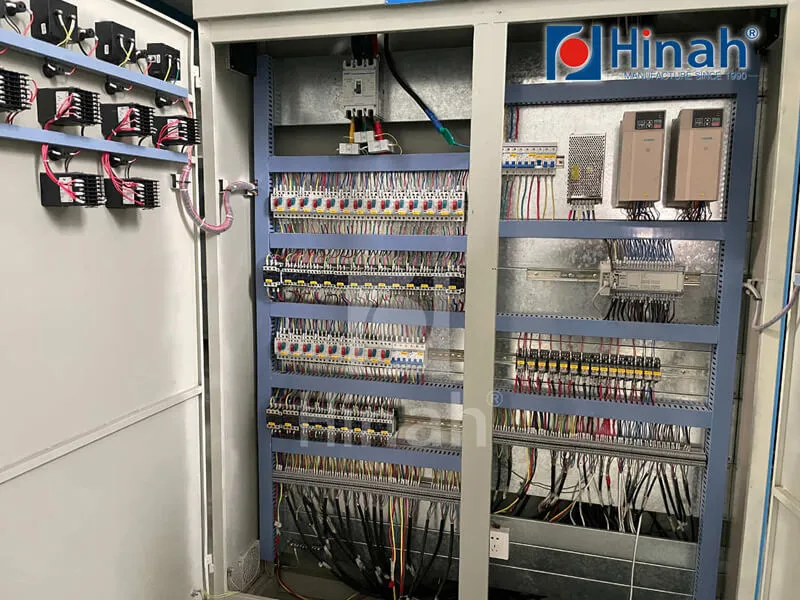
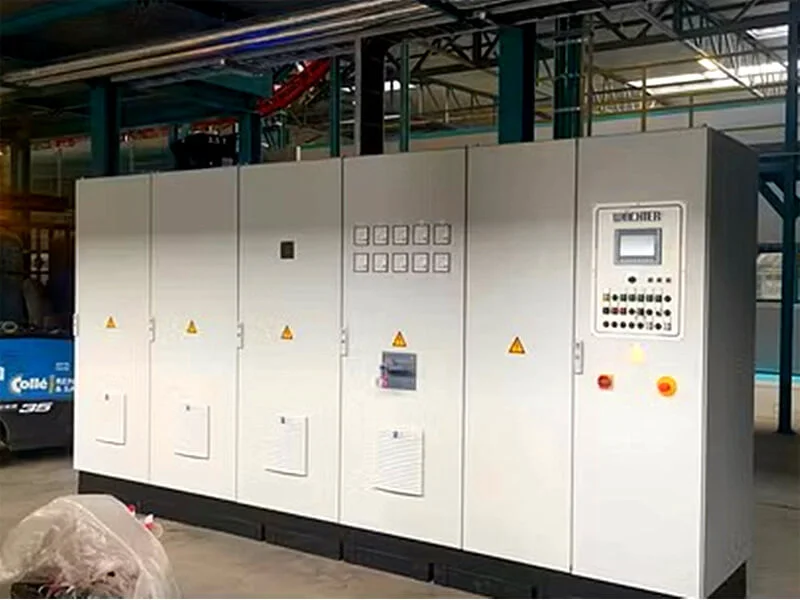
The control interface is another important consideration. Modern industrial systems use programmable logic controllers (PLCs) paired with human-machine interfaces (HMIs) to store multiple curing profiles. These profiles specify ramp rates, dwell times, and cool-down periods tailored to different powder chemistries, such as epoxies, polyesters, and hybrids. For facilities looking to update their production capability, selecting a high-grade powder coating batch oven with integrated data logging ensures complete compliance with quality control standards by recording real-time temperature data for every batch processed.
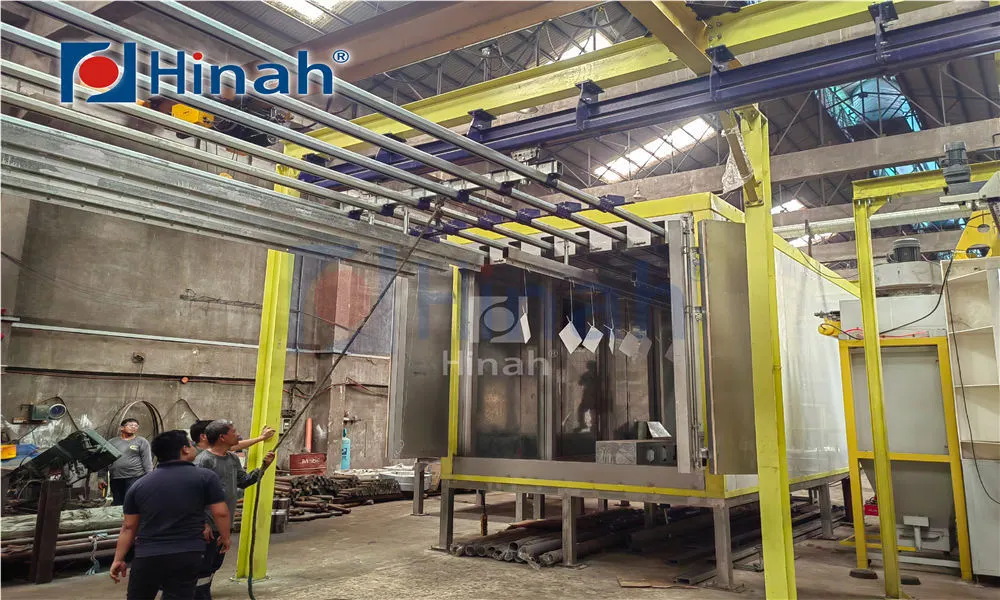
While continuous conveyorized systems are suited for high-volume, single-part geometries, batch configurations offer unparalleled flexibility for custom coaters and manufacturers processing diverse product catalogs. High-capacity overhead tracking systems, such as manual monorail loops or motorized transfer carts, allow operators to stage parts outside the chamber, cure a batch, and quickly transfer them to the cooling zone.
Integrating a batch system manufactured by HANNA into an existing workflow requires a careful review of floor space, material handling logistics, and pre-treatment processing times. By coordinating the chemical washing, powder application, and curing stages, facilities can eliminate production bottlenecks, maintaining a steady and predictable throughput of finished goods.
Industrial powder curing demands robust, reliable equipment tailored to precise process requirements. If your facility requires custom engineering drawings, thermodynamic calculations, or customized configurations for your thermal processing line, our engineering team is prepared to assist. Please contact our technical sales department to submit your specifications, part dimensions, and production capacity requirements for a comprehensive system review.
A1: Most industrial powder coatings require a temperature uniformity of +/- 5 degrees Celsius (+/- 9 degrees Fahrenheit) throughout the curing chamber to ensure consistent cross-linking and color matching across all parts in the batch.
A2: Direct-fired systems have fewer mechanical components, as they lack a heat exchanger, resulting in lower long-term maintenance needs. However, indirect-fired systems prevent combustion byproducts from entering the curing chamber, which is necessary for sensitive coatings despite the need for periodic inspection of the heat exchanger tubes.
A3: Yes, many dual-purpose systems operate across wide temperature ranges, typically from 80 degrees Celsius for liquid paint flash-off and force-drying up to 220 degrees Celsius for powder curing, provided they are equipped with appropriate ventilation and temperature controls.
A4: For industrial applications operating up to 220 degrees Celsius, a minimum of 100 mm to 150 mm of high-density mineral wool insulation is standard, combined with structural isolation designs that prevent the inner metal skin from contacting the outer structural frame.
A5: Variable speed drives allow operators to lower the fan speed during the initial heat-up phase, preventing the displacement of fine, uncured powder from the substrate. Once the powder reaches its gel point and melts, the fan speed can be increased to maximize convective heat transfer and minimize dwell time.