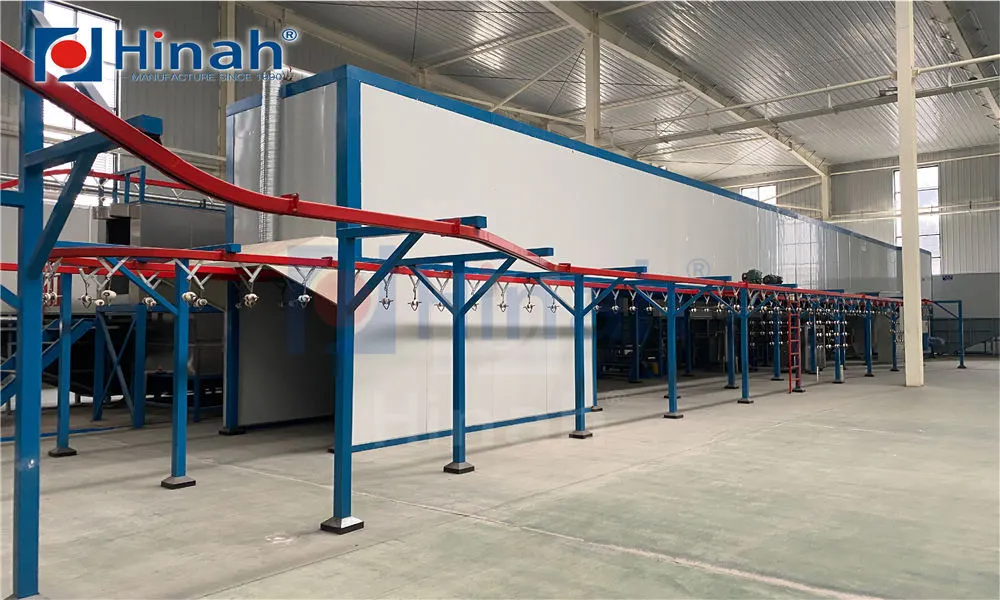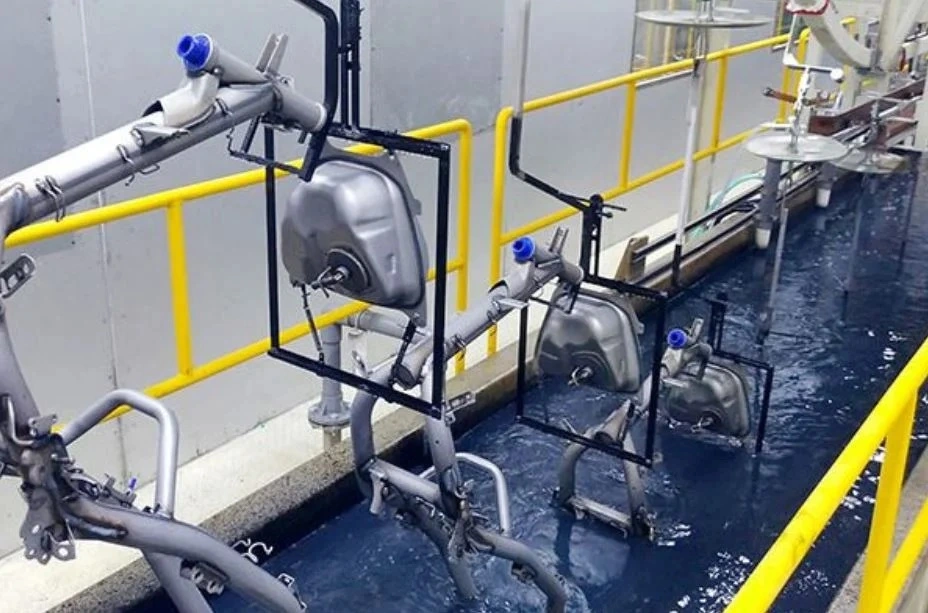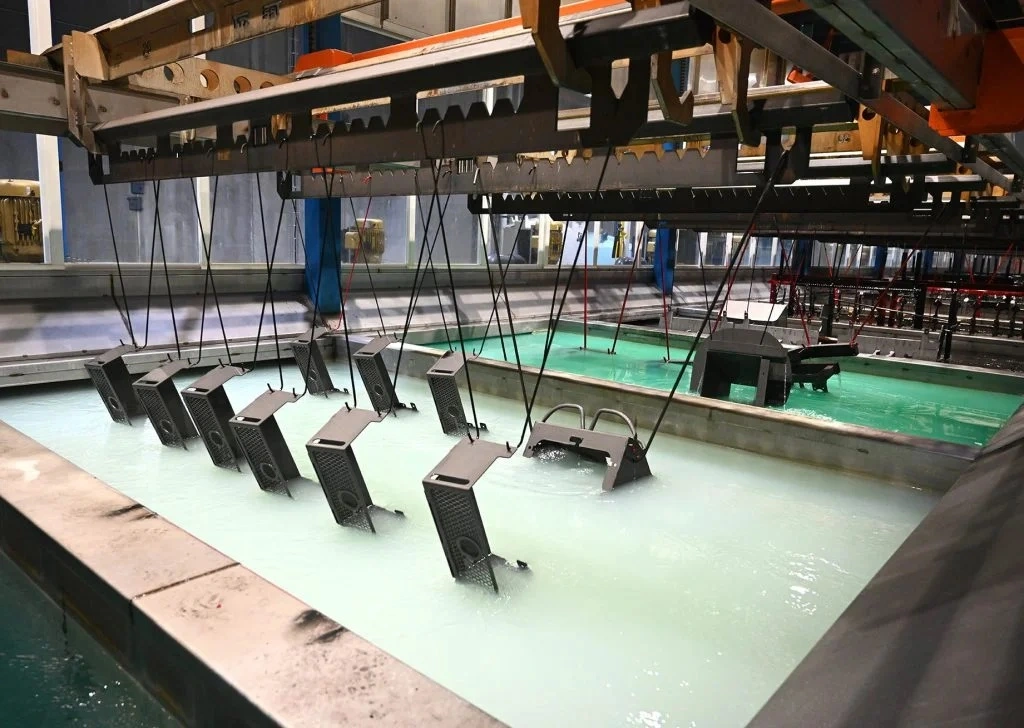
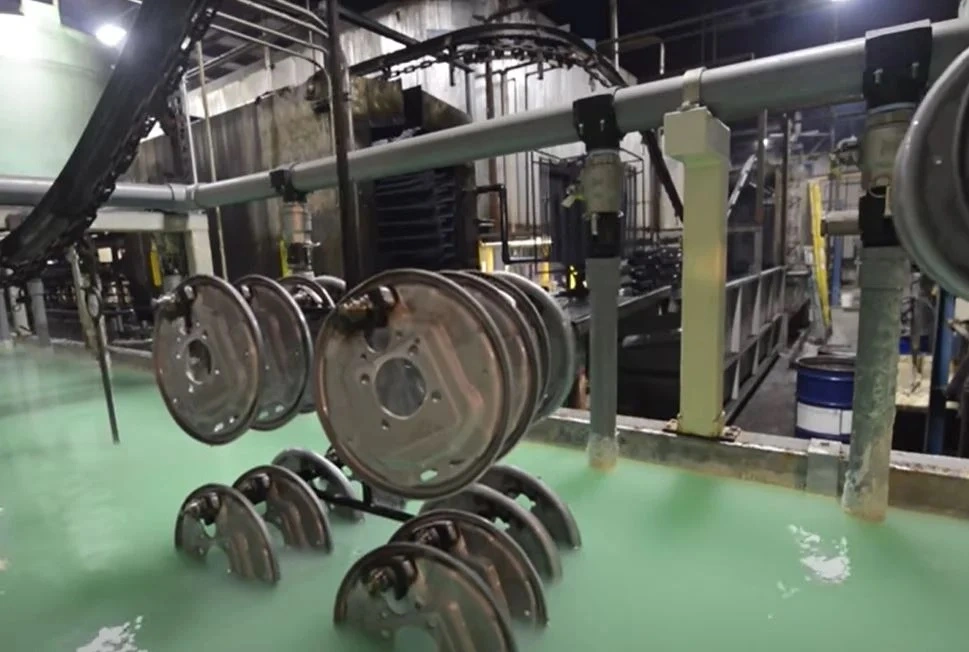
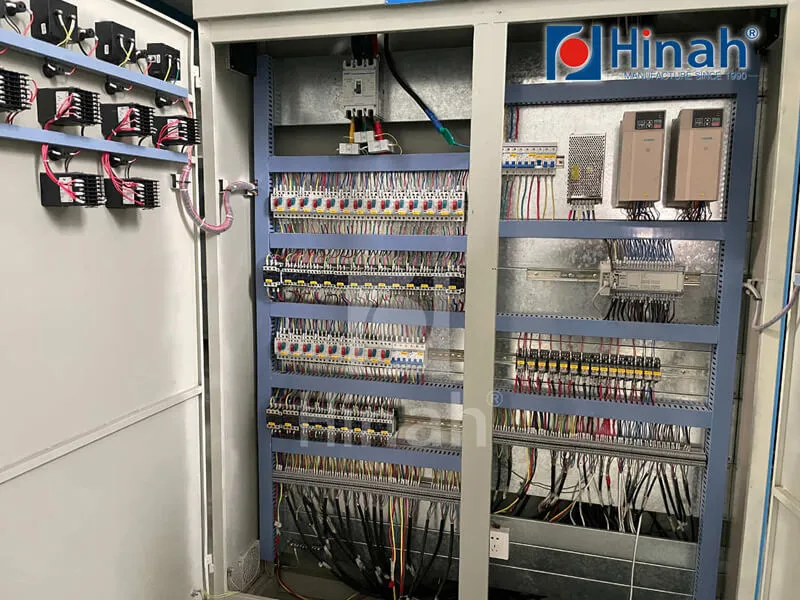

Industries worldwide are adopting the robotic paint sprayer to achieve consistent finish quality and reduce operational costs. This automated solution replaces manual spraying, eliminating variability and ensuring every part receives the exact coating thickness. HANNA offers advanced robotic paint sprayer systems tailored for powder coating environments, helping manufacturers meet strict production targets while lowering material waste.
Manual spraying often leads to uneven layers and high reject rates. A robotic paint sprayer brings precision and repeatability to the finishing line. Below are the main benefits observed in powder coating facilities.
Programmed motion guarantees uniform film build on flat surfaces and complex geometries.
Real‑time adjustment of spray parameters prevents thin spots or excessive buildup.
Edge coverage is improved, reducing the risk of corrosion.
Overspray is minimized because the robotic paint sprayer targets only the part.
Less powder waste translates to lower material costs and cleaner filters.
Precise application also reduces the need for rework, saving energy and time.
Robots operate continuously without fatigue, handling high‑volume runs effortlessly.
Quick changeover between different part families is possible with stored recipes.
Operators can focus on quality control instead of repetitive spraying tasks.
Understanding the parts of a robotic paint sprayer helps in selecting the right configuration for your powder coating line. HANNA integrates all these elements into a turnkey solution.
Articulated robot arm: Typically 6‑axis for maximum freedom around the part.
Spray applicator: High‑speed rotary bell or electrostatic gun, chosen for the specific powder.
Control cabinet with PLC: Runs proprietary software that stores painting recipes and monitors performance.
Part recognition sensors: Laser or vision systems that identify part dimensions and position.
Safety enclosure and interlocks: Ensure safe operation in explosive atmospheres.
Each component must work in harmony. A well‑designed robotic paint sprayer includes remote diagnostics and predictive maintenance alerts, features that HANNA builds into every system.
The versatility of a robotic paint sprayer makes it suitable for many sectors. Here are common applications where powder coating benefits from automation.
Wheels, chassis components, and engine parts require consistent corrosion protection.
A robotic paint sprayer ensures even coverage on complex castings and welds.
Large tractor parts and implements are coated efficiently with extended‑reach robots.
Durable finishes resist harsh outdoor conditions.
Metal office furniture, shelving, and window frames benefit from smooth, scratch‑resistant powder.
Robotic application eliminates drips on visible surfaces.
Custom metal parts, enclosures, and brackets can be coated in mixed batches.
Quick recipe changeover allows the robotic paint sprayer to handle short runs profitably.
Adding a robotic paint sprayer to an existing line requires careful planning. HANNA provides engineering support to ensure a smooth transition with minimal downtime.
Evaluate current line speed and conveyor layout to synchronize with robot motion.
Install part detection sensors to trigger spraying sequences automatically.
Program the robot with all part geometries, including collision‑free paths.
Connect the robot controller to the plant’s MES for real‑time production data.
After integration, most facilities report a 20‑30% increase in throughput and a significant drop in rework. The robotic paint sprayer becomes a reliable workhorse on the shop floor.
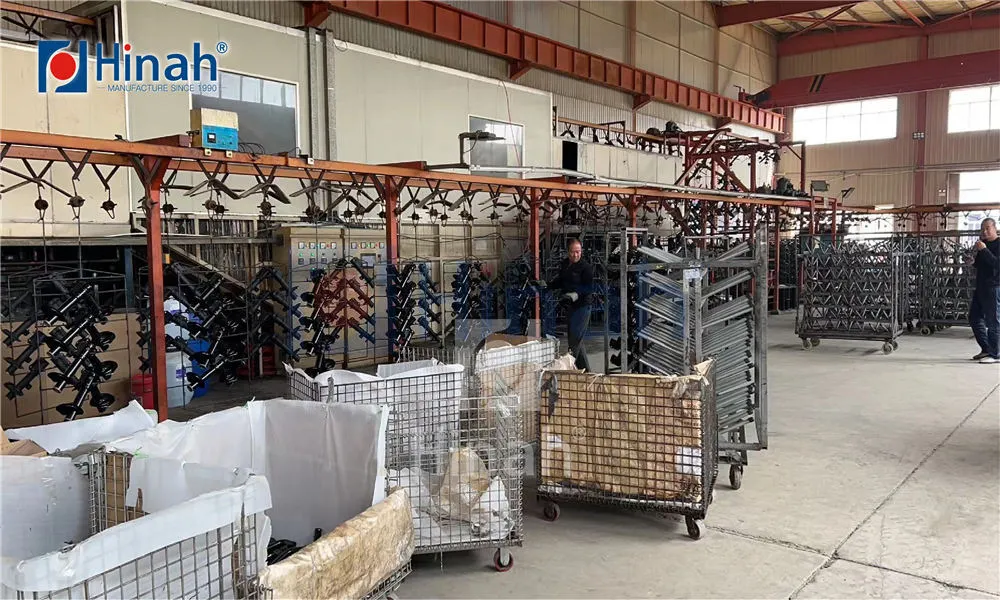
Automation continues to evolve. Next‑generation robotic paint sprayers will incorporate artificial intelligence and machine vision for adaptive process control.
Cameras will detect part warpage or hanger sway and adjust spray paths in real time.
AI algorithms will optimize powder usage based on historical data and ambient conditions.
Collaborative robots (cobots) will bring automation to small batch shops, working safely alongside humans.
Fleet management software will monitor multiple robotic paint sprayers from a central dashboard, predicting maintenance needs.
These advancements will make the robotic paint sprayer even more accessible and efficient for powder coaters of all sizes.
Q1: What is a robotic paint sprayer and how does it differ from manual spraying?
A1: A robotic paint sprayer is an automated arm equipped with a powder applicator. It follows pre‑programmed paths to apply coating, eliminating human error. Manual spraying depends on operator skill and often results in inconsistent thickness and higher overspray.
Q2: Can a robotic paint sprayer handle different part sizes without reprogramming?
A2: Yes. Modern systems store multiple recipes. When sensors identify a new part, the robot automatically selects the correct program. Quick‑change tooling allows adaptation to size variations within the same production run.
Q3: What is the typical return on investment for a robotic paint sprayer?
A3: Most manufacturers achieve payback within 12 to 24 months. Savings come from reduced powder consumption, lower reject rates, and increased throughput. HANNA offers a detailed ROI analysis tailored to your specific production data.
Q4: Are robotic paint sprayers difficult to maintain?
A4: No. They are designed with modular components and self‑diagnostics. Routine tasks include cleaning the applicator and checking seals. Remote monitoring alerts the maintenance team before a failure occurs, minimizing unplanned downtime.
Q5: Which industries benefit most from using a robotic paint sprayer?
A5: Automotive, aerospace, agricultural equipment, furniture, and general metal fabrication all gain significant advantages. Any facility that applies powder coating to high volumes of similar parts will see immediate improvements in consistency and cost.
Q6: Can a robotic paint sprayer apply both primer and topcoat in one pass?
A6: Some systems are equipped with dual applicators or quick‑change bells, allowing two different powders to be applied sequentially without manual intervention. This is common in automotive wheel coating where a base and clear coat are required.
The robotic paint sprayer has become an essential tool for modern powder coating operations. It delivers consistent quality, lowers operating costs, and future‑proofs your finishing department against labour shortages. HANNA continues to lead the industry with reliable, easy‑to‑integrate robotic paint sprayer solutions that help manufacturers stay competitive. Contact HANNA today to learn how a robotic paint sprayer can transform your coating line.