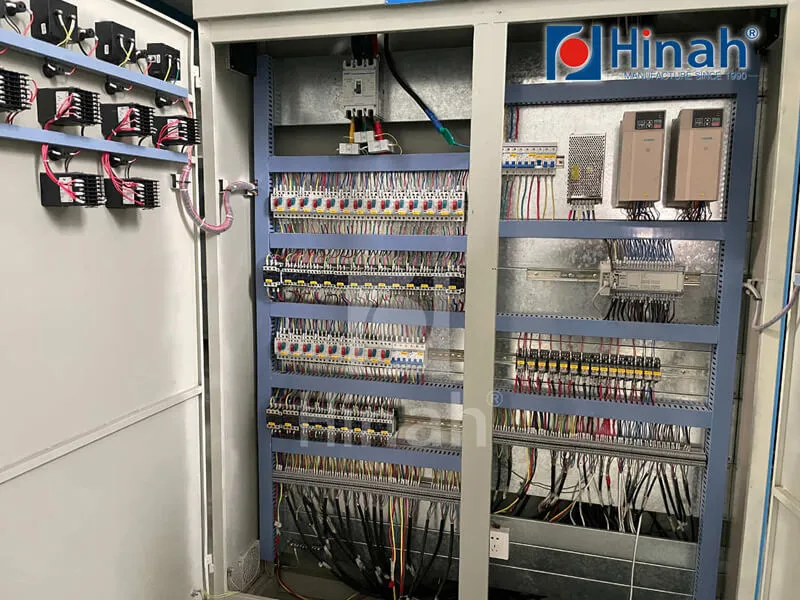

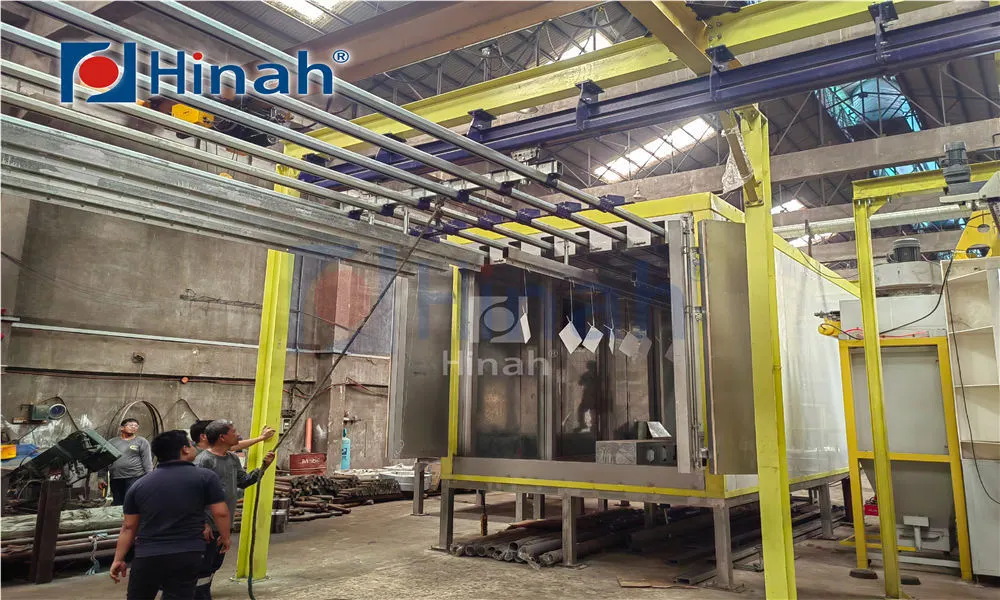
The industrial finishing sector relies on powder coating lines for durable, high-quality surface protection across a wide range of manufactured products. From automotive components and architectural extrusions to household appliances and industrial equipment, the powder coating line serves as the central production artery that determines throughput, finish quality, and operational consistency. Understanding the engineering principles behind each stage of the line enables manufacturers to make informed decisions about equipment configuration, process parameter selection, and maintenance protocols.
Modern powder coating lines have evolved significantly from early manual spray booths to highly automated systems with closed-loop controls, real-time monitoring, and integrated material handling. The shift toward powder coatings over liquid paints stems from environmental regulations, material utilization efficiency, and the superior durability of cured powder films. A well-designed powder coating line delivers transfer efficiency above 70% in production settings, with some systems achieving over 90% when equipped with advanced recovery and recycling mechanisms.
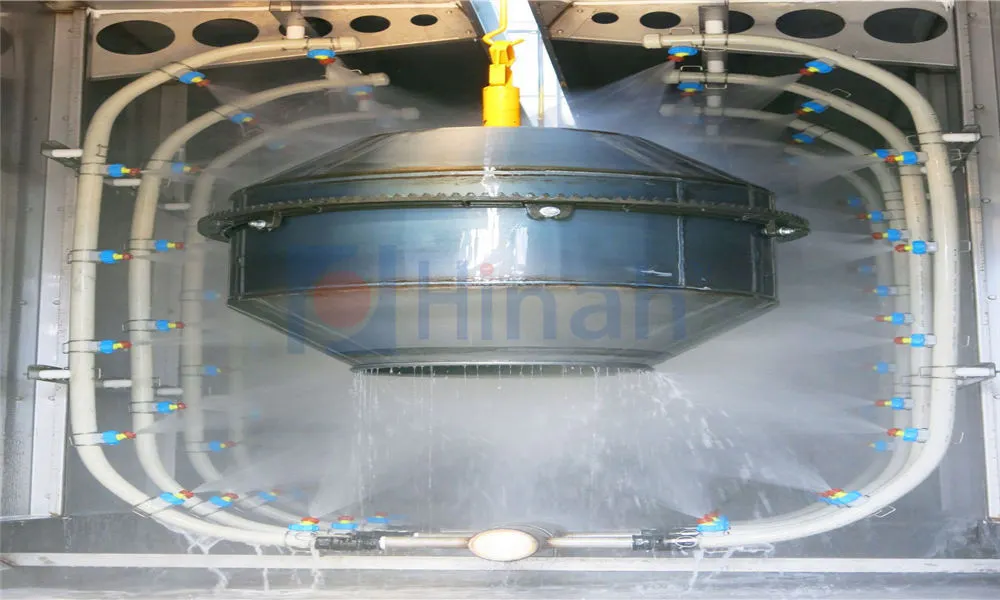
Every powder coating line consists of interconnected modules that process parts through a sequence of preparation, application, and curing stages. The configuration of these modules varies based on part geometry, production volume, and quality requirements. However, the fundamental architecture remains consistent across most industrial applications.
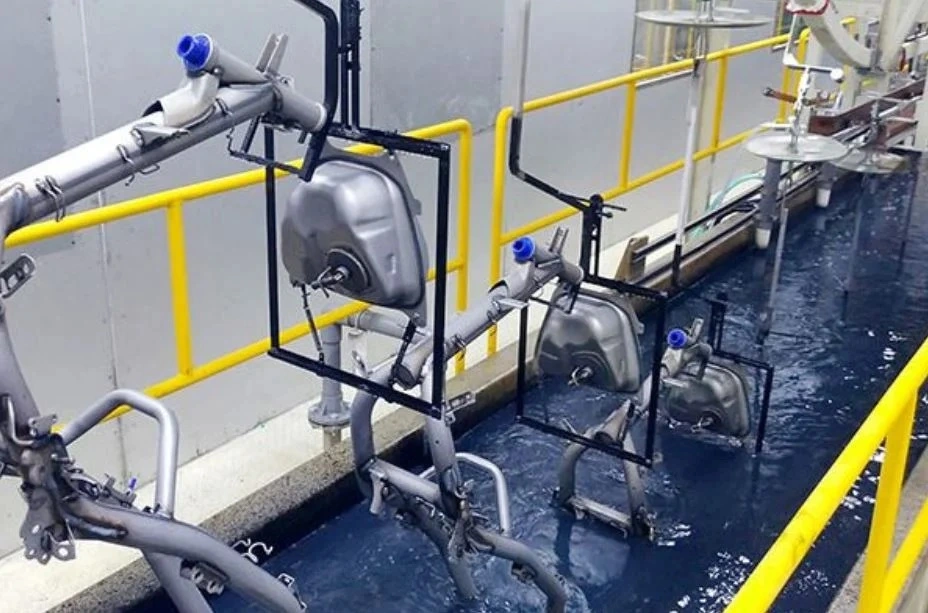
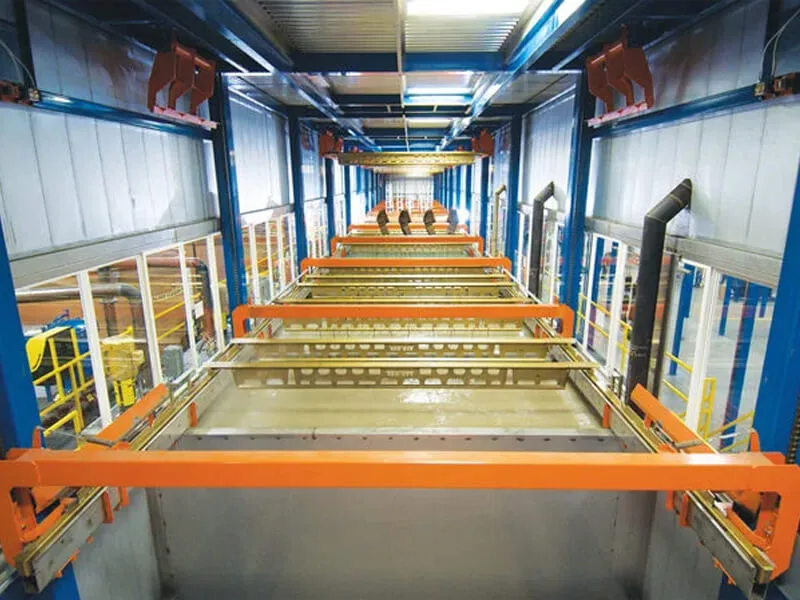
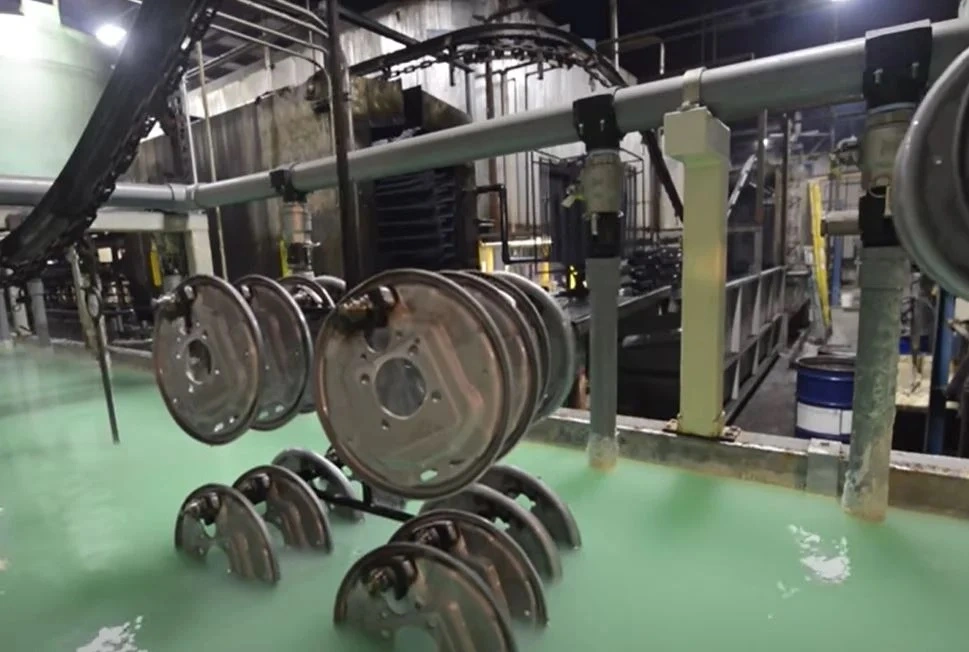
The pretreatment section prepares substrate surfaces for powder adhesion and corrosion protection. This stage typically includes cleaning, rinsing, and chemical conversion coating processes. Cleaning removes oils, dirt, and oxides using alkaline or acidic solutions, often applied through spray washers or immersion tanks. Rinsing steps follow each chemical stage to prevent cross-contamination. The conversion coating—typically phosphate or chromate-free alternatives—creates a microcrystalline surface that enhances powder adhesion and provides sacrificial corrosion resistance. The pretreatment chemistry, bath temperature, and dwell time directly influence the final coating performance. Parts exiting pretreatment must be completely dry before entering the powder application zone, as residual moisture causes film defects and adhesion failures.
The application booth houses electrostatic spray guns that charge powder particles and propel them toward grounded parts. Corona discharge guns and triboelectric guns represent the two primary application technologies. Corona guns use a high-voltage electrode to ionize air and charge powder particles, while triboelectric guns generate charge through friction between powder and the gun barrel. Both systems require careful control of voltage, current, and air flow to achieve consistent film thickness. The booth itself incorporates airflow management to contain overspray and direct it toward recovery systems. Powder feed hoppers, vibratory sieves, and dense-phase or dilute-phase conveying systems supply powder from storage to the guns. Color change operations demand thorough cleaning of the entire powder path, including hoppers, hoses, and guns, to prevent cross-color contamination. Quick-color-change booths with movable walls and modular components reduce downtime between production runs.
Overspray collection and powder recovery significantly influence the economic viability of a powder coating line. Cyclone separators and cartridge filter systems capture airborne powder from the booth exhaust. Cyclones use centrifugal force to separate powder particles from the air stream, returning usable powder to the supply hopper. Cartridge filters provide higher collection efficiency for fine particles but require periodic pulsing to maintain airflow. Recovered powder must be filtered and blended with fresh powder to maintain consistent particle size distribution and flow characteristics. The ratio of recovered to fresh powder typically ranges from 30:70 to 50:50, depending on the powder formulation and line speed. Material utilization rates above 95% are achievable with closed-loop recovery systems, reducing both material costs and waste disposal requirements.
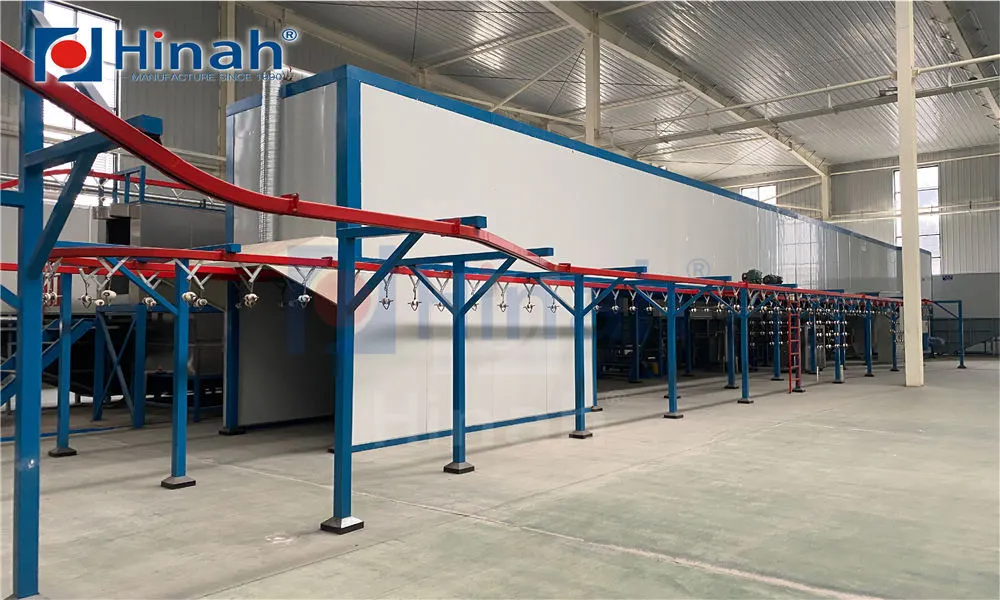
The curing oven initiates cross-linking reactions within the powder film, transforming it from a thermoplastic or thermoset powder into a continuous, durable coating. Convection ovens and infrared ovens represent the two principal heating methods. Convection ovens circulate heated air through the oven chamber, providing uniform temperature distribution for complex parts. Infrared ovens use radiant energy to heat the powder film directly, offering faster ramp-up times and lower energy consumption for flat or simple geometries. The curing cycle—defined by time and temperature—must match the powder manufacturer's specifications. Under-curing results in poor mechanical properties and reduced chemical resistance, while over-curing causes brittleness, color shift, and loss of gloss. Oven temperature profiling, using data-logging thermocouples attached to parts, ensures that the entire part mass reaches the required temperature for the specified dwell time. After curing, a cooling section brings parts to a handling temperature before they exit the line. Forced air cooling or water mist cooling systems reduce the cooling time and enable faster line speeds.
The quality of finished parts from a powder coating line depends on the precise control of multiple process parameters. Each parameter interacts with others, creating a complex system that requires systematic optimization. Parameter adjustments affect film thickness, appearance, adhesion, and mechanical properties.
Electrostatic voltage and current determine the charging efficiency of powder particles. Higher voltage increases the charge-to-mass ratio, improving attraction to grounded parts. Excessive voltage can cause back-ionization, where accumulated charged particles repel incoming powder, creating pinholes and orange peel texture. Typical operating ranges fall between 60 kV and 90 kV for corona guns, with current limited to prevent sparking.
Atomizing air pressure controls particle velocity and spray pattern width. Higher pressure produces finer particles and wider patterns but increases overspray. Lower pressure reduces velocity, improving transfer efficiency for recessed areas but may result in uneven coverage. The optimal pressure balances pattern coverage with material utilization for each part geometry.
Conveyor speed determines the dwell time in each zone of the powder coating line. Speed adjustments affect pretreatment chemical contact time, powder application thickness, and curing cycle duration. Higher speeds increase throughput but may compromise film build if the deposition rate cannot keep pace. Line speed calculations must account for the longest part dimension to ensure adequate curing time at the oven's rated temperature.
Part grounding directly impacts transfer efficiency and Faraday cage penetration. Poor grounding reduces the electrostatic attraction force, leading to uneven film thickness and increased overspray. Conveyor hangers and fixtures require regular cleaning to maintain low electrical resistance. Automated grounding verification systems provide continuous monitoring of hanger conductivity.
Powder flow rate from the feeder to the guns must match the line speed and part surface area. Flow rate variations cause film thickness fluctuations, affecting both appearance and performance. Mass flow control systems using pressure sensors or load cells maintain consistent powder delivery despite changes in hopper level or powder density.
Booth airflow patterns control overspray containment and powder recovery efficiency. Balanced airflow prevents powder from escaping the booth while ensuring adequate collection by the recovery system. The airflow direction, velocity, and distribution within the booth require periodic verification using anemometers or smoke tests.
These parameters do not operate independently. For instance, a change in atomizing air affects powder velocity, which influences the dwell time of particles in the electrostatic field, thereby altering the charge level and transfer efficiency. Similarly, conveyor speed changes require corresponding adjustments to powder feed rate and oven temperature to maintain consistent film thickness and cure quality. Systematic process mapping and design of experiments (DOE) provide the data needed to establish operating windows for each product family.
The interaction between part geometry and electrostatic application presents particular challenges. Recessed areas, such as inside corners and blind holes, experience reduced electric field strength—a phenomenon known as the Faraday cage effect. Powder particles follow the electric field lines, which tend to deposit on external surfaces rather than entering cavities. To address this, operators adjust gun positioning, use multiple guns with different spray angles, or employ manual touch-up stations for complex parts. Triboelectric guns often perform better in Faraday cage situations because the charged powder particles have lower velocity and higher charge-to-mass ratio compared to corona-charged particles.
Consistent powder coating line performance depends on proper powder handling from storage through application. Powder coatings are hygroscopic, absorbing moisture from ambient air. Elevated moisture content reduces flowability, causes clumping in hoppers, and creates surface defects such as craters and pinholes. Climate-controlled powder storage rooms with dehumidifiers maintain powder at optimal condition. Sieving systems remove agglomerates and contamination before powder enters the feed hopper. Vibratory or centrifugal sieves with mesh sizes between 100 and 200 microns provide adequate screening for most powder formulations.
Color change procedures represent a significant source of downtime and material waste on a powder coating line. Efficient color change sequences reduce non-productive time and minimize contaminated powder disposal. The duration of a color change depends on the number of guns, the length of powder hoses, and the booth configuration. Automated purge cycles, quick-disconnect fittings, and dedicated color-specific hoppers shorten changeover time from hours to minutes. For high-mix, low-volume production, the powder coating line may incorporate multiple spray booths with independent powder supply systems, allowing one booth to run while another undergoes color change.
Equipment suppliers such as HANNA provide integrated powder management systems that include hopper level sensors, automated powder transfer, and filter cleaning cycles. These systems reduce operator intervention and maintain consistent powder delivery across shifts. Routine maintenance of powder feed components—including hose replacement, gun tip cleaning, and hopper liner inspection—prevents flow interruptions and ensures uniform film deposition. Production data from the HANNA systems can be logged and analyzed to identify trends in powder consumption, transfer efficiency, and reject rates, supporting continuous improvement initiatives.
Quality assurance on a powder coating line encompasses both in-process monitoring and final inspection. In-process controls include film thickness measurement, curing temperature profiling, and visual checks for surface defects. Film thickness gauges using magnetic induction or eddy current principles provide non-destructive measurement on coated parts. Thickness readings taken at multiple locations on each part confirm that the application process remains within specification. Statistical process control (SPC) charts track thickness variation over time, alerting operators to drift before parts fall outside tolerance.
Curing quality assessment involves several methods. Solvent rub tests, pencil hardness tests, and impact tests evaluate the degree of cross-linking. Differential scanning calorimetry (DSC) provides quantitative measurement of cure completeness by analyzing the glass transition temperature and residual heat of reaction. Oven temperature profiling with datalogging thermocouples confirms that parts reach the required temperature for the specified time. Profiling should be conducted for each part type, as mass and geometry affect heat-up rates. The profiling data guides adjustments to oven temperature setpoints and conveyor speed.
Common defects encountered on a powder coating line include:
Orange peel appears as a textured surface resembling citrus rind. It results from improper curing, excessive film thickness, or incorrect powder formulation. Adjusting oven temperature or reducing film thickness often resolves the issue.
Pinholes and cratering indicate gas evolution during curing, typically from moisture in the powder, contamination on the part surface, or outgassing from porous substrates. Proper pretreatment drying and powder storage conditions prevent moisture-related defects. For porous substrates such as castings, preheating before powder application drives out trapped gases.
Poor adhesion manifests as flaking or peeling of the coating. Causes include inadequate surface preparation, incorrect conversion coating chemistry, or under-curing. Adhesion testing using cross-hatch or pull-off methods confirms the effectiveness of pretreatment processes.
Film thickness variation across a part results from inconsistent gun distance, electrostatic field distortion, or conveyor speed fluctuations. Automated gun positioners and feedback control systems maintain uniform deposition.
Color mismatches occur due to variations in powder formulation, curing conditions, or film thickness. Spectrophotometric measurement and color tolerance standards ensure batch-to-batch consistency.
Implementing a comprehensive quality management system on the powder coating line reduces reject rates and improves customer satisfaction. The system should include standard operating procedures for parameter setup, operator training programs, and regular calibration of measurement instruments. Data from quality checks feeds back into process adjustments, creating a closed-loop control environment.
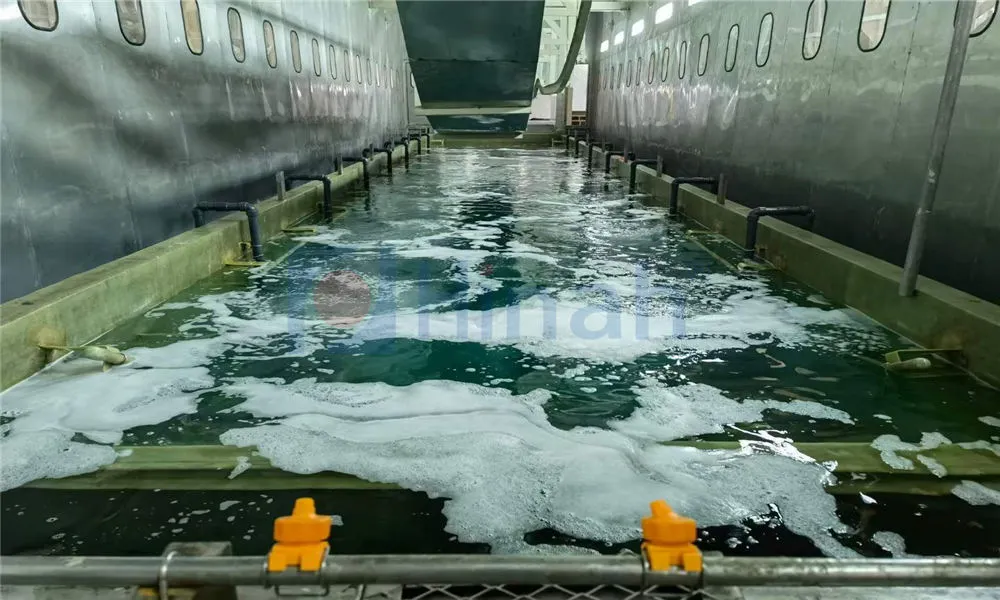
Scheduled maintenance forms the backbone of reliable powder coating line performance. Wear components such as gun electrodes, nozzle tips, and pump diaphragms require periodic replacement. Filters in the recovery system need cleaning or replacement based on pressure differential readings. Conveyor chains and bearings require lubrication according to the manufacturer's schedule. Oven burner systems and air circulation fans demand inspection and cleaning to maintain thermal efficiency.
Maintenance planning should align with production schedules to minimize downtime. Shifts dedicated to preventive maintenance—including system cleaning, calibration, and component inspection—reduce the frequency of unplanned breakdowns. Spare parts inventory for critical components ensures rapid replacement when failures occur. Documentation of maintenance activities provides a history that supports predictive maintenance strategies, where component replacements are scheduled based on usage metrics rather than calendar intervals.
Operator training directly affects the performance of the powder coating line. Operators must understand the relationship between process parameters and coating quality, recognize early warning signs of equipment issues, and follow correct procedures for color changes and maintenance. Cross-training operators on multiple stations of the line provides flexibility during absences or peak production periods. Training programs should include both classroom instruction and hands-on practice, with periodic refresher courses to reinforce skills.
Line audits—conducted quarterly or semi-annually—provide a comprehensive assessment of the powder coating line's condition and performance. Audits cover equipment functionality, process capability, material handling, and operator practices. Findings from audits guide capital investment decisions, maintenance scheduling, and training priorities. The audit process also identifies opportunities for process improvement, such as adjusting booth airflow or upgrading gun control systems.
Q1: What is the difference between corona and triboelectric powder application systems?
A1: Corona systems use a high-voltage electrode to ionize air and charge powder particles as they pass through the electric field. They offer high transfer efficiency for most part geometries and allow adjustment of voltage and current independently. Triboelectric systems generate charge through friction between powder particles and the gun barrel material. They operate without external power supplies and are less susceptible to Faraday cage effects, making them suitable for complex parts. Triboelectric guns require careful powder formulation control, as charging efficiency depends on the triboelectric properties of the powder.
Q2: How does part geometry affect the performance of a powder coating line?
A2: Part geometry influences powder deposition patterns, curing heat-up rates, and fixture design. Complex parts with recessed areas present Faraday cage challenges, requiring gun positioning adjustments or supplemental manual application. The mass and shape of parts determine oven dwell time requirements, as heavier sections absorb more heat before reaching curing temperature. Fixture design must consider part hanging orientation to maximize coating coverage and minimize contact marks. Parts with sharp edges or narrow gaps may experience film thickness variations due to electric field concentration.
Q3: What factors contribute to transfer efficiency in powder coating?
A3: Transfer efficiency—the ratio of powder deposited on the part to powder sprayed—depends on electrostatic voltage, powder velocity, part grounding quality, and booth airflow. Higher voltage increases attractive force but may cause back-ionization at excessive levels. Lower powder velocity improves deposition by increasing particle dwell time in the electric field. Good part grounding ensures effective electrostatic attraction. Booth airflow that balances containment and recovery prevents powder loss from overspray. Operator technique, including gun distance and spray angle, also influences transfer efficiency.
Q4: How often should pretreatment chemical baths be replenished or replaced?
A4: Pretreatment bath maintenance follows a schedule based on throughput, bath volume, and chemical concentration measurements. Daily titration tests determine the concentration of active chemicals; additions compensate for drag-out and consumption. Baths require dumping and replacement when contaminants accumulate beyond acceptable levels or when chemical balance cannot be restored by additions. The replacement frequency ranges from weekly for high-production lines to monthly for lower-volume operations. Filtration systems extend bath life by removing particulate matter.
Q5: What causes orange peel texture in powder-coated surfaces?
A5: Orange peel results from flow limitations during the curing process. During cure, the powder melts and flows before cross-linking occurs. Insufficient flow leads to a textured surface. Causes include under-curing (inadequate temperature or time), excessive film thickness that restricts flow, and powder formulations with high melt viscosity. Adjusting oven temperature upward or extending cure time improves flow. Reducing film thickness through application parameter changes also minimizes orange peel. Using powder grades formulated for improved flow characteristics addresses persistent issues.
Q6: How can a powder coating line accommodate frequent color changes?
A6: Quick-color-change designs incorporate features such as movable booth walls, modular powder feed systems, and automated cleaning cycles. Dedicated hoppers and hoses for each color reduce cross-contamination. Rapid-disconnect fittings allow swift changeover of powder supply components. Powder recovery systems with independent filters for each color prevent color mixing in recycled powder. Scheduling color changes in sequence from light to dark colors minimizes cleaning requirements. Some production environments use multiple booths, enabling one booth to run while another undergoes color change.
Q7: What is the typical curing temperature range for thermoset powder coatings?
A7: Thermoset powder coatings cure at temperatures between 160°C and 200°C, with dwell times from 10 to 30 minutes depending on the powder formulation and part mass. Low-cure powders, developed for heat-sensitive substrates, cure at 120°C to 140°C. The actual part temperature, not the oven air temperature, determines cure completion. Temperature profiling with thermocouples attached to parts measures the part temperature throughout the curing cycle. Oven setpoints must compensate for heat losses during loading and unloading, as well as variations in part mass.
For inquiries regarding powder coating line equipment specifications, system design, or project integration, contact our engineering team for detailed information and tailored solutions.