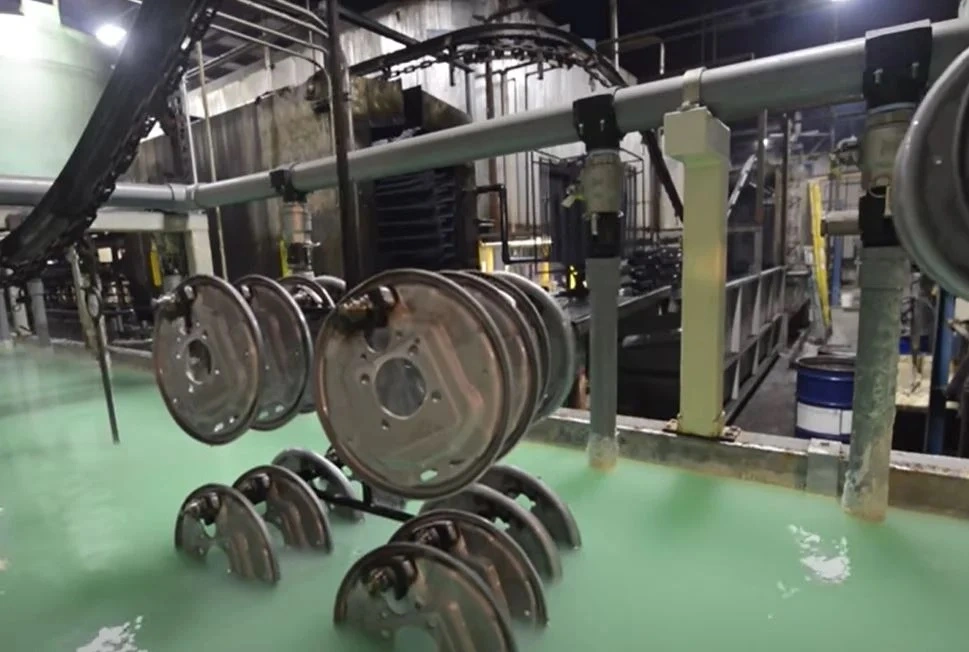

A powder coating line forms the backbone of modern surface finishing. It integrates pretreatment, powder application, and curing into one seamless operation. Manufacturers rely on this system to produce durable, attractive, and corrosion-resistant coatings on metal parts. With growing environmental regulations and quality demands, an efficient line is no longer optional—it is a competitive necessity.
Companies like HANNA have engineered advanced solutions that help businesses achieve consistent results while reducing waste. This article outlines five critical benefits of upgrading your current setup and explains why a well-designed powder coating line pays for itself over time.
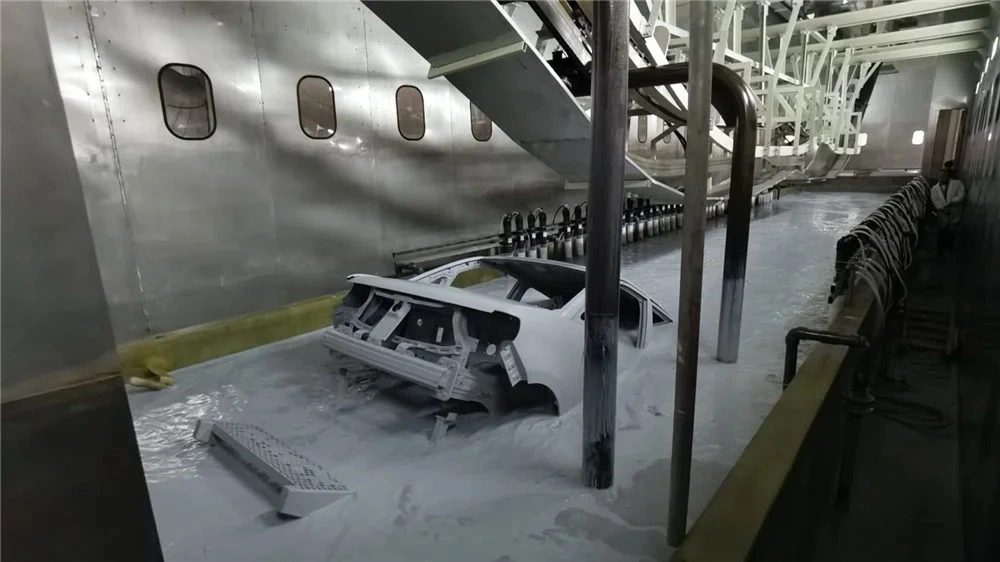
A powder coating line is a sequence of equipment designed to apply and cure dry powder onto substrates. The process typically involves three main stages: cleaning, coating, and curing. Each stage must work in harmony to deliver a flawless finish.
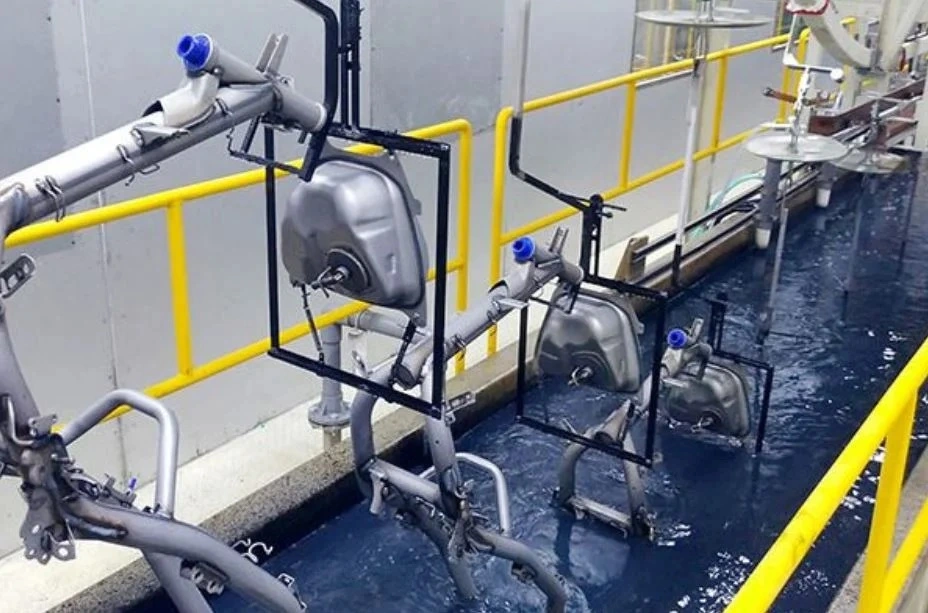
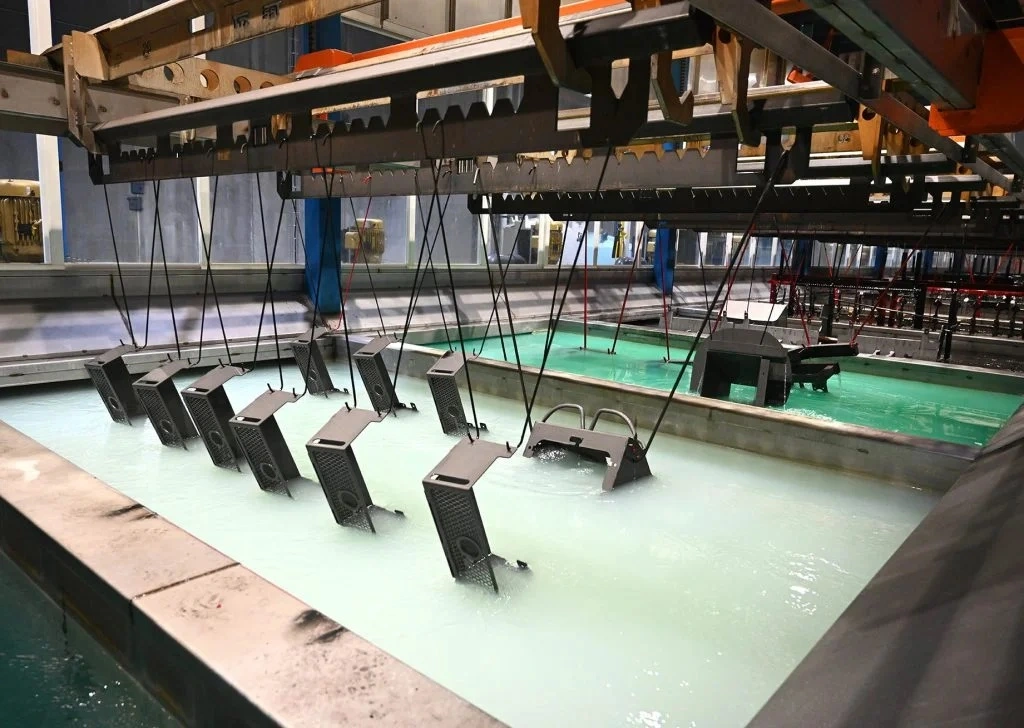
Pretreatment: Parts are cleaned and chemically treated to remove oil, rust, and dirt. This step ensures proper adhesion.
Powder application: Electrostatic spray guns charge the powder particles, which then adhere to the grounded part inside a spray booth.
Curing: Coated parts enter an oven where heat melts the powder, forming a smooth, hard film.
Modern lines often include automated conveyors, recovery systems, and advanced controls. These features allow for high-volume production with minimal operator intervention. A reliable powder coating line delivers uniform thickness and excellent edge coverage.
Electrostatically applied powder creates a consistent, blemish-free surface. Unlike liquid paints, there are no runs or sags. The cured film is thicker and more resistant to chipping, scratching, and fading. This quality is essential for products exposed to harsh environments.
A powder coating line emits negligible volatile organic compounds (VOCs). Overspray can be captured and reused, achieving up to 98% material utilization. This closed-loop system reduces hazardous waste and simplifies compliance with environmental agencies. Many industries choose powder specifically for its green profile.
Although the initial investment may be higher, operational costs are lower over time. Powder is cheaper per unit area than liquid paint, and recycling cuts material expenses. Automated lines also reduce labor costs and rework rates. A well-maintained powder coating line delivers a fast return on investment.
Continuous movement through pretreatment, booths, and ovens enables rapid processing. Conveyor speeds can be adjusted to match production targets. Quick color-change systems further minimise downtime. This makes a powder coating line ideal for both large batches and just-in-time manufacturing.
Modern lines handle a wide range of part sizes and geometries. From small brackets to large automotive frames, the same line can often accommodate them with minor adjustments. Powder formulations exist for metallic, matte, textured, and even transparent finishes. This flexibility allows manufacturers to respond quickly to market trends.
Every powder coating line consists of several integrated subsystems. Their quality and compatibility determine overall efficiency. Below are the essential parts:
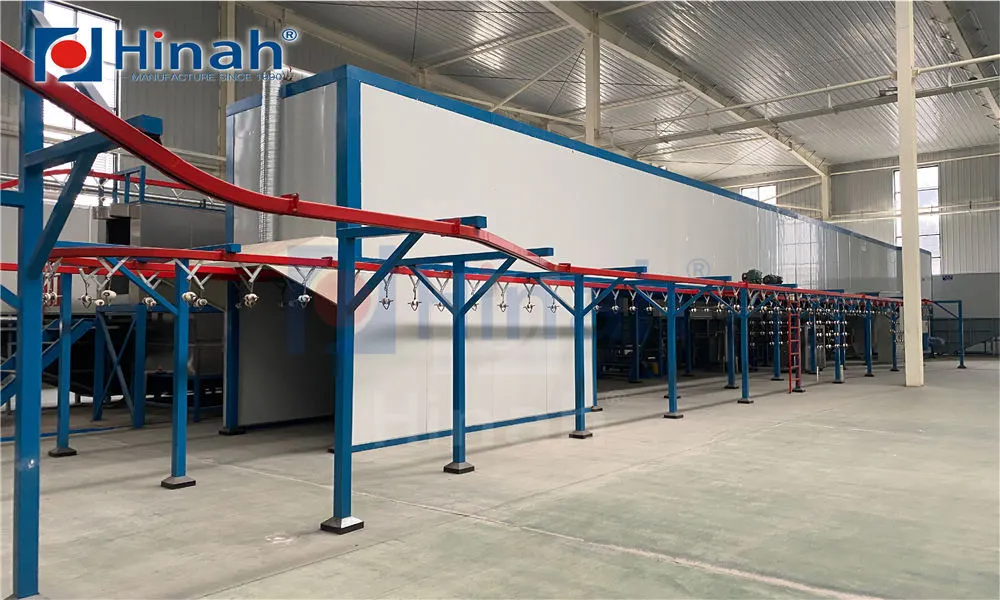
Conveyor system: Overhead or floor conveyors transport parts through each stage smoothly.
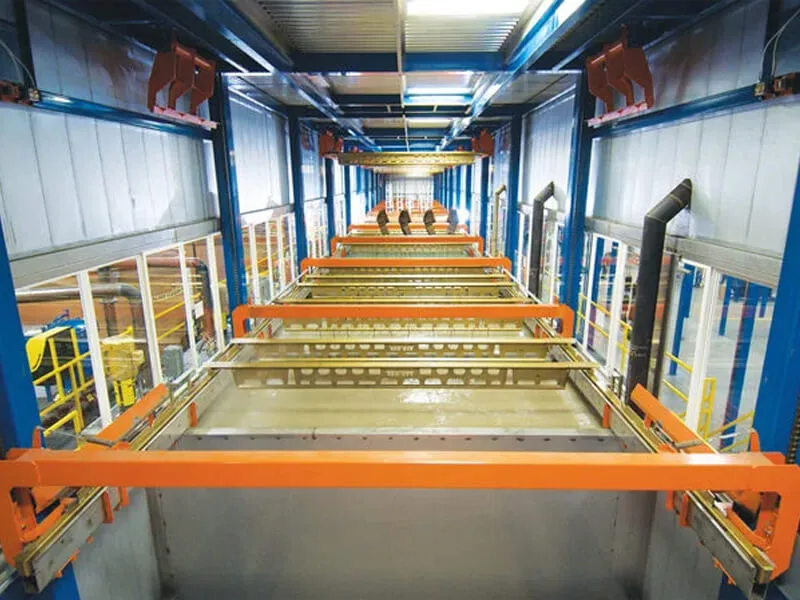
Pretreatment tunnel: Multi-stage spray or immersion tanks clean and conversion-coat the surface.
Dry-off oven: Removes moisture after pretreatment before powder application.
Spray booth with recovery: Enclosed area where operators or robots apply powder; a cyclone or filter cartridge reclaims overspray.
Curing oven: Gas-fired or electric ovens maintain precise temperatures to fully cross-link the powder.
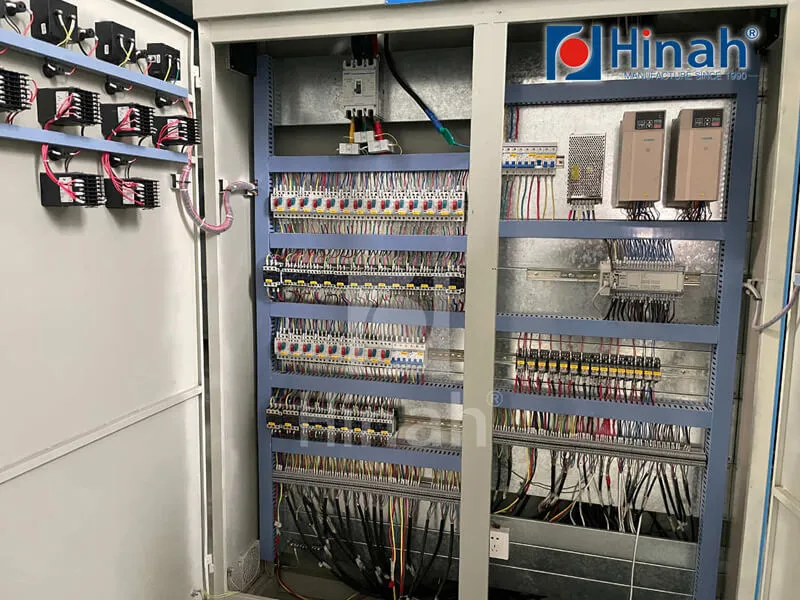
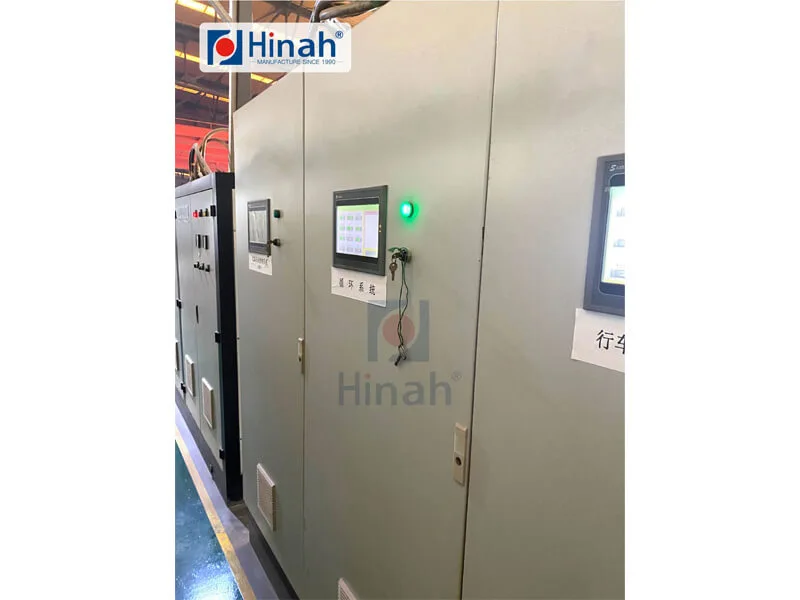
Control panel: PLC-based system monitors conveyor speed, temperature, and powder delivery.
Investing in high-quality components from trusted suppliers like HANNA ensures long-term reliability and easy maintenance. Their engineering teams can design a layout that maximizes floor space and workflow.
Routine care and operator training keep a powder coating line running at peak performance. Consider the following recommendations:
Monitor pretreatment chemistry daily to prevent adhesion failures.
Clean spray booth walls and filters regularly to avoid contamination.
Check gun tips and high-voltage cables for wear.
Verify oven temperature profiles with data loggers.
Lubricate conveyor chains and bearings according to schedule.
Following these steps extends equipment life and reduces unplanned downtime. A proactive approach also maintains finish quality batch after batch.
HANNA has built a reputation for robust, energy-efficient powder coating lines. Their systems incorporate European engineering standards and are tailored to local production needs. Every line undergoes rigorous testing before shipment, ensuring that clients receive a turnkey solution ready for immediate use.
From compact manual lines to fully automated high-speed systems, HANNA offers scalable options. Their after-sales support includes spare parts, remote diagnostics, and on-site training. Choosing HANNA means partnering with a team that understands the real-world demands of the coating industry.
Q1: What materials can be processed on a powder coating line?
A1: Most powder coating lines are designed for conductive materials, primarily metals such as steel, stainless steel, and aluminum. With special pretreatment, some heat-resistant plastics and MDF boards can also be coated.
Q2: How long does it take to cure powder on a line?
A2: Cure time typically ranges from 10 to 20 minutes at temperatures between 160°C and 200°C, depending on the powder chemistry and the part's thermal mass. Infrared ovens can shorten this time for thin materials.
Q3: Can a powder coating line handle high-mix low-volume production?
A3: Yes, modern lines with quick-color-change booths and programmable logic controllers (PLCs) allow fast changeovers. This makes them suitable for job shops that run many different parts each day.
Q4: What maintenance does a powder coating line require?
A4: Daily tasks include cleaning spray guns and checking filters. Weekly maintenance involves inspecting conveyor chains and lubrication. Monthly, verify oven burner operation and calibration. Annual professional audits help catch hidden issues.
Q5: How does HANNA ensure quality in their powder coating lines?
A5: HANNA uses precision fabrication, high-grade components, and in-house testing before delivery. They also provide detailed documentation and commissioning support to guarantee that the line meets specified performance metrics.
Q6: What is the typical lifespan of a powder coating line?
A6: With proper maintenance, a well-built line can operate effectively for 15 to 20 years. Replacement of wear parts like nozzles, filters, and conveyor wheels is normal, but the core structure and ovens remain functional for decades.
In summary, a modern powder coating line from an experienced manufacturer like HANNA delivers consistent quality, environmental compliance, and long-term savings. Whether you are expanding capacity or replacing outdated equipment, investing in the right line is a strategic move that strengthens your competitive edge.