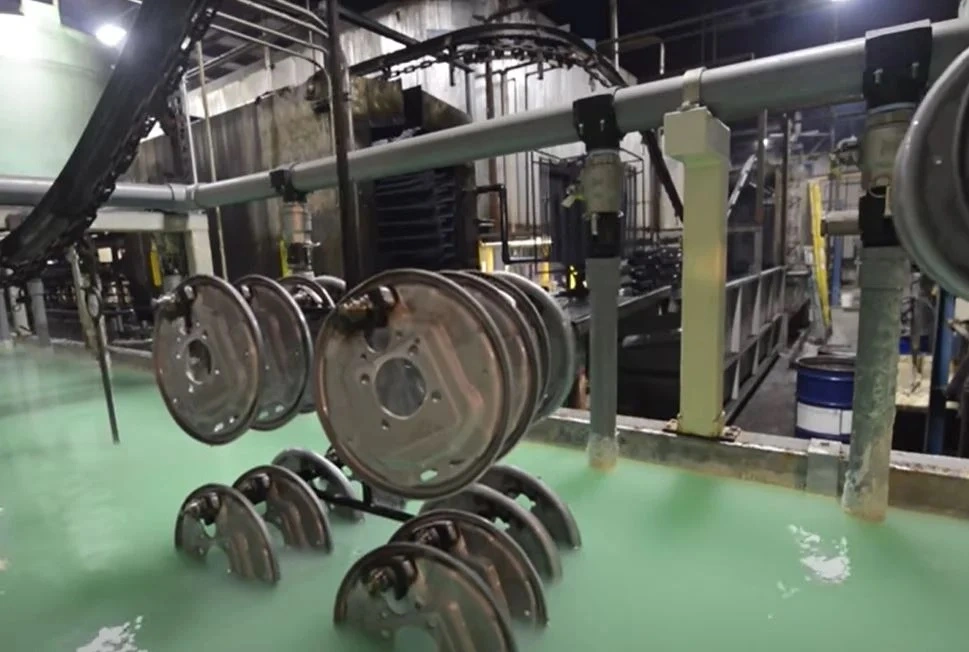
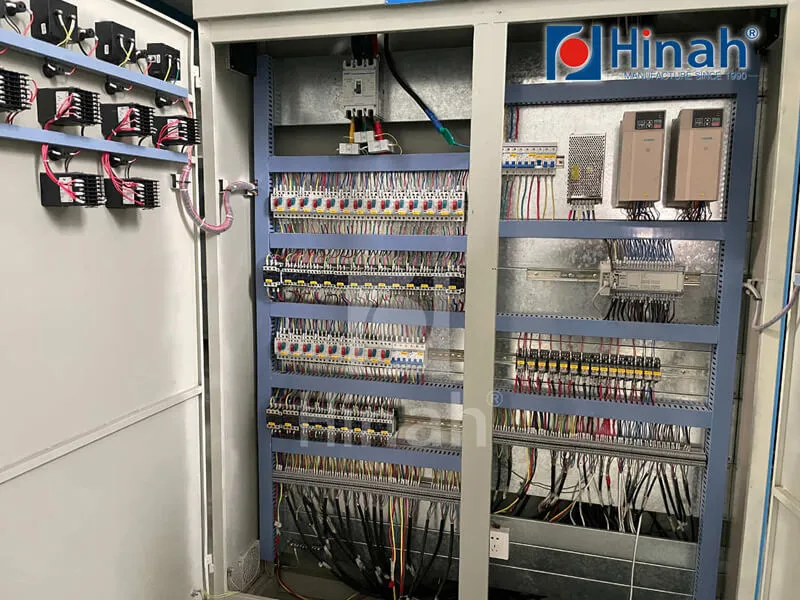

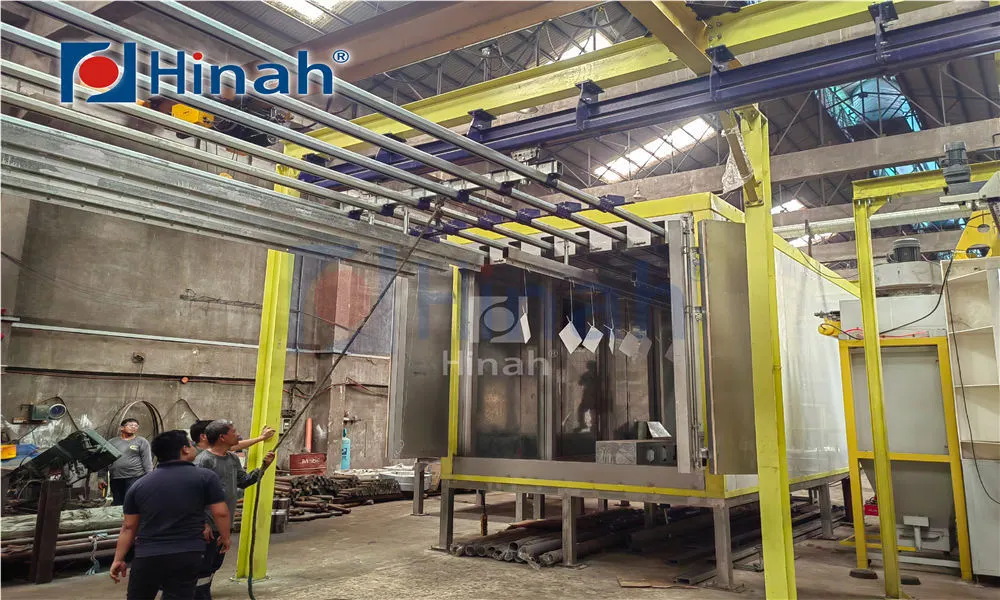
With over two decades of international experience in powder coating — from high-mix job shops in Asia to fully automated automotive lines in North America — I have evaluated dozens of powder coating equipment manufacturers and witnessed the evolution from manual batch booths to Industry 4.0-enabled finishing ecosystems. The right partner doesn’t just sell hardware; they deliver process reliability, energy efficiency, and measurable ROI. In this guide, I’ll share a data-backed framework for evaluating suppliers, highlight critical technologies, and show how innovators like HANNA are setting new benchmarks.
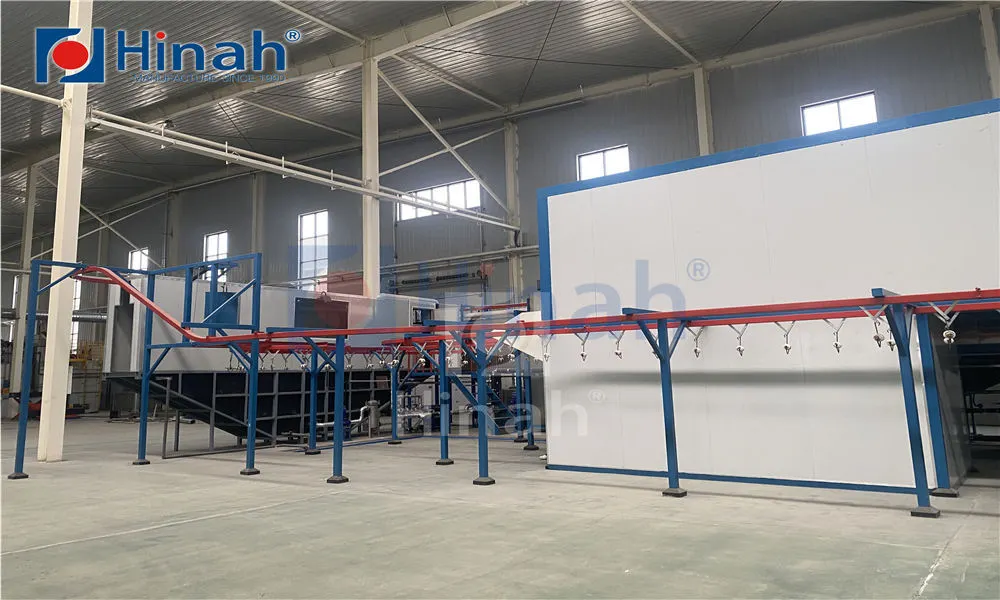
Today’s top-tier powder coating equipment manufacturers integrate advanced subsystems that directly impact finish quality and operational cost. Understanding these technologies is the first step in making an informed choice.
Modern corona guns feature switch-mode power supplies with closed-loop current control, ensuring stable charging even as gun-to-part distance varies. Tribo guns, which rely on friction charging, excel at coating complex geometries and deep recesses where Faraday cages typically cause problems. Manufacturers now offer guns with integrated mass flow meters that adjust voltage and powder delivery in real time, boosting first-pass transfer efficiency by up to 18% compared to decade-old systems.
Quick color change is a top priority for contract finishers. Advanced booth designs use smooth stainless steel interiors with non-stick coatings, plus automated purge cycles and sieve-based reclaim systems. Some manufacturers, including HANNA, offer modular booth floors that eliminate powder traps and reduce changeover time to under 10 minutes — a critical factor for JIT operations.
Energy efficiency and temperature uniformity are the hallmarks of modern ovens. High-velocity convection ovens with adjustable air nozzles maintain temperature profiles within ±3°C across the load, while medium-wave infrared (IR) boosters accelerate curing of flat substrates. Hybrid ovens combine both technologies to shorten line length and reduce gas consumption by up to 30%. Always request heat-up and dwell time validation data from your manufacturer.
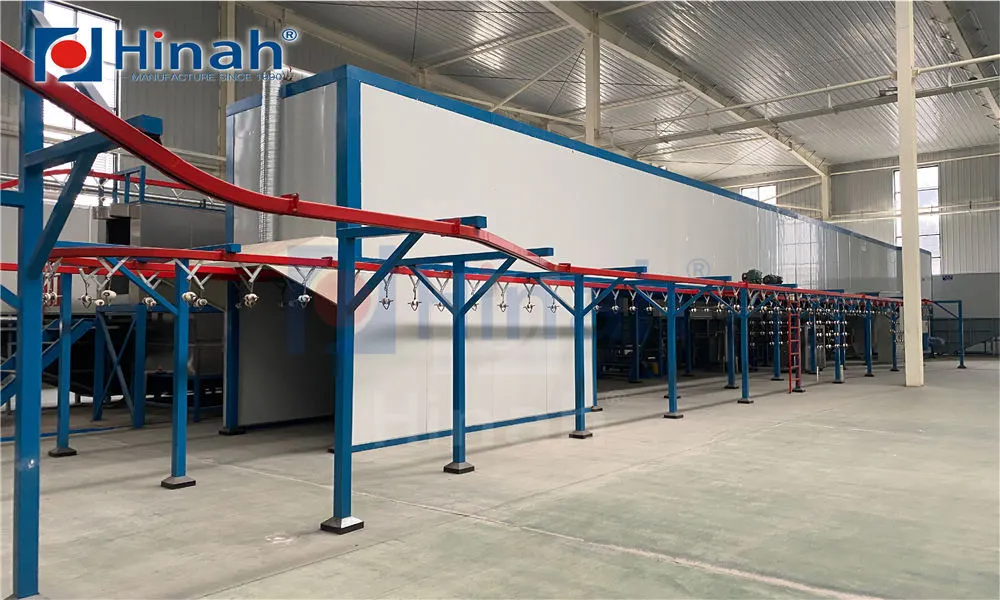
From power-and-free to inverted monorail designs, the conveyor dictates throughput and part stability. Variable frequency drives, automatic lubrication, and real-time tracking (using RFID or barcode) are now standard in high-end lines. This enables seamless integration with MES and provides traceability for quality audits.
Price per line is often the first number buyers look at, but the total cost of ownership over five years tells a different story. When auditing powder coating equipment manufacturers, I use a weighted scorecard that includes:
Application expertise – Do they offer process labs for testing your parts? Can they simulate powder flow and curing?
Spare parts availability – What is their fill rate and average shipping time? Do they stock critical components in your region?
Remote diagnostics and IIoT readiness – Can their equipment send alerts and performance data to your phone or tablet?
Training and documentation – Do they provide on-site operator training and multilingual manuals?
References and track record – Ask for case studies in your industry (e.g., automotive, architecture, agricultural machinery).
One manufacturer that consistently scores high on all these dimensions is HANNA. Their turnkey approach — from pretreatment to curing — minimizes interface risks and ensures single-source accountability.
Over the years, I’ve seen finishing managers struggle with the same recurring pain points. Here’s how leading Powder coating equipment manufacturers" target="_self">powder coating equipment manufacturers engineer solutions:
Faraday cage effect on complex parts – Tribo guns and optimized corona gun positioning, often aided by simulation software that models powder cloud penetration.
High powder consumption and waste – Dense-phase pumps and closed-loop sieving systems that reduce powder degradation and improve reclaim efficiency to >98%.
Inconsistent film thickness – Mass flow sensors and automatic gun triggering based on part presence, maintaining thickness within ±5 µm.
Energy waste and environmental compliance – Integrated RTOs with heat recovery, and low-cure powder formulations enabled by precise oven control.
Slow line changeovers – Quick-release booth panels, self-cleaning sieves, and modular conveyor sections that can be reconfigured in hours rather than days.
Numbers speak louder than claims. A 2023 benchmark study of 50 industrial coating lines equipped by premium powder coating equipment manufacturers (including HANNA) revealed:
22% higher first-pass yield compared to low-cost imports, directly reducing rework and scrap.
31% lower natural gas consumption per m² due to advanced oven insulation, heat zoning, and energy recovery.
15% reduction in powder usage via precision gun control and improved recovery systems.
Average payback period of 18–24 months for a fully automated line (pretreatment through curing).
Less than 2% unscheduled downtime in the first three years of operation, thanks to robust design and remote monitoring.
These figures are not theoretical — they come from actual production data in sectors like automotive, architectural aluminum, and general industry.
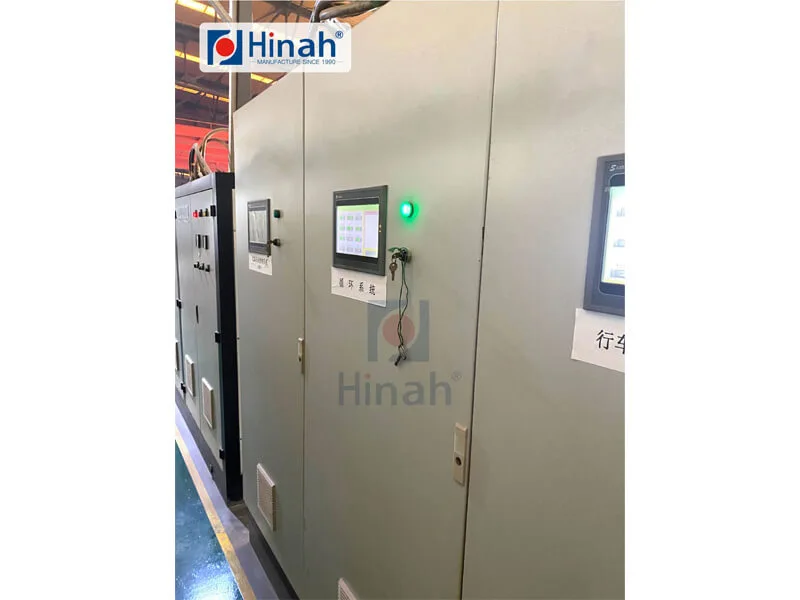
With global regulations tightening on VOCs and carbon emissions, powder coating is already a clean technology, but equipment choices can amplify its green credentials. Leading manufacturers now offer:
Zero-waste powder reclaim – Cyclone + cartridge filter combinations that achieve 99.5% paint utilization when operated correctly.
Low-temperature curing systems – Curing ovens designed for powders that crosslink at 150°C instead of 200°C, cutting energy use by up to 25%.
Heat recovery from exhaust – Air-to-air heat exchangers that preheat incoming air using oven exhaust.
Water-based pretreatment integration – Closed-loop rinsing and nano-ceramic pretreatments that eliminate heavy metals and reduce effluent.
By partnering with forward-thinking powder coating equipment manufacturers, finishers can meet ESG goals while improving profitability.
In conclusion, the selection of an equipment partner is a strategic decision that affects your competitiveness for years. Look for manufacturers who combine deep application knowledge, robust engineering, and a commitment to after-sales support. Companies like HANNA exemplify this approach, delivering integrated lines that balance performance, sustainability, and cost. Whether you are upgrading an existing line or building a new facility, let data and expertise guide your choice of powder coating equipment manufacturers.
Q1: What is the typical lifespan of powder coating equipment from reputable manufacturers?
A1: With proper maintenance, a well-built powder coating line (booths, ovens, conveyors) can last 15–20 years. However, control systems and spray guns may need upgrades every 7–10 years to keep pace with efficiency and connectivity standards. Leading manufacturers like HANNA offer modular designs that allow component-level upgrades without replacing entire sections.
Q2: How important is a pretreatment stage, and can it be integrated with the coating line?
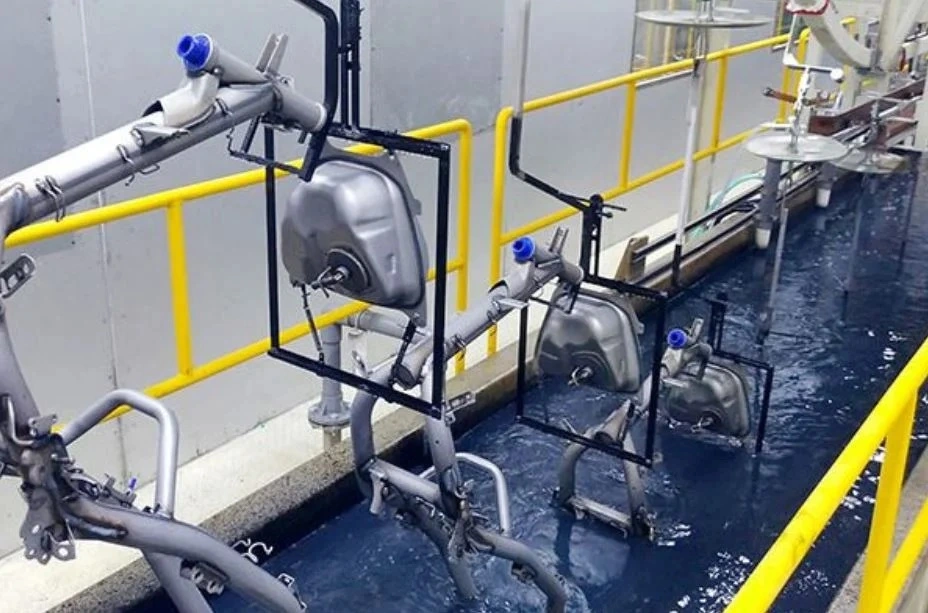
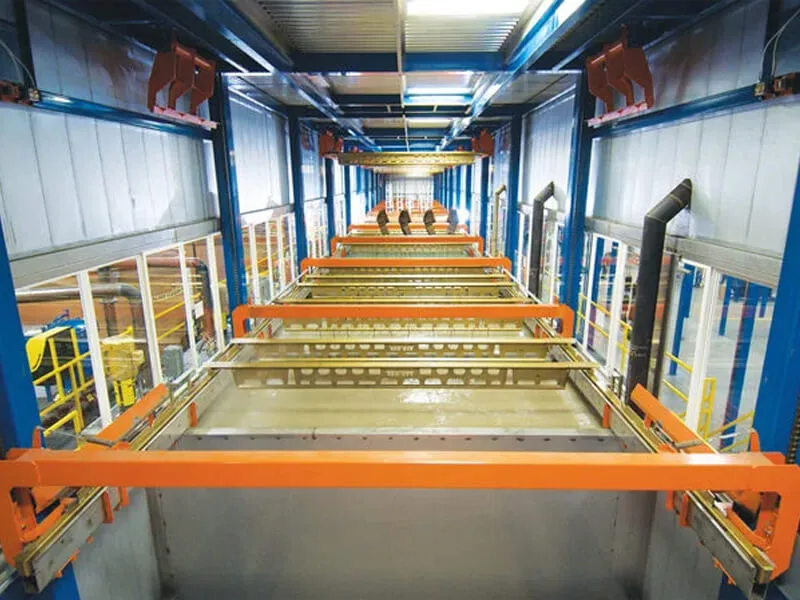
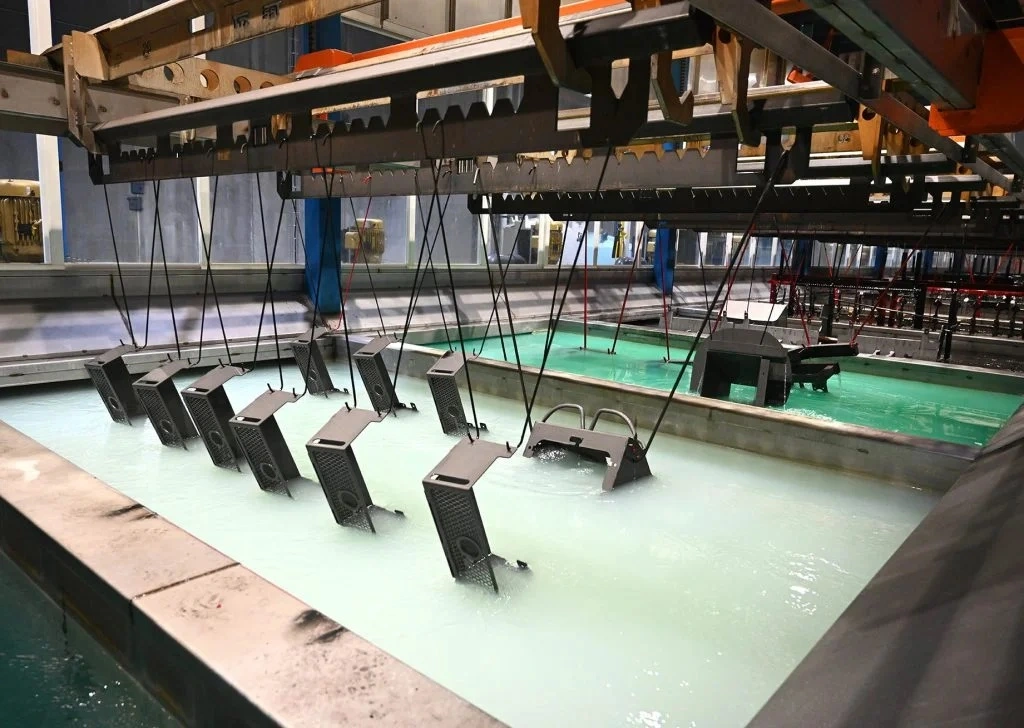
A2: Pretreatment is critical for adhesion and corrosion resistance. Modern lines often include multi-stage washers (spray or immersion) with nano-ceramic or iron phosphate chemistries. Top powder coating equipment manufacturers provide fully integrated pretreatment systems, ensuring smooth material flow and consistent quality. HANNA, for example, offers turnkey pretreatment tunnels that match the line speed and footprint of their coating and curing sections.
Q3: What are the key indicators of energy-efficient curing oven design?
A3: Look for ovens with: (a) high-density mineral wool insulation (at least 100 mm thick), (b) variable-frequency drives on recirculation fans, (c) air seals at entry and exit to minimize heat loss, and (d) heat recovery from exhaust gases. Some manufacturers also offer oven zoning to adjust temperature based on part load. Data shows that these features can reduce gas consumption by 30% or more.
Q4: How do I calculate the ROI of automating my powder coating line?
A4: Start by measuring current costs: labor, powder usage, rework rate, and energy. Then model the automated line’s expected improvements — typically 20–30% higher throughput, 15% lower powder consumption, and 10–20% less energy. Add savings from reduced rework and warranty claims. Most premium Powder coating equipment manufacturers" target="_self">powder coating equipment manufacturers provide ROI calculators based on your actual data. Payback periods of 18–30 months are common in high-volume operations.
Q5: Can I use the same equipment for both thermoset and thermoplastic powders?
A5: Yes, most modern spray guns and booths can handle both, but you must ensure the curing oven can achieve the required temperatures (thermoplastics often need higher heat). Additionally, powder recovery systems should be thoroughly cleaned between material changes to avoid contamination. Consult your manufacturer for specific recommendations — HANNA offers dual-purpose lines with quick-change oven settings and easy-clean booth interiors.
Q6: What should I look for in a service agreement with an equipment manufacturer?
A6: Ensure the agreement includes: (a) guaranteed response times for breakdowns, (b) scheduled preventive maintenance visits, (c) remote monitoring and diagnostics, (d) discounted spare parts pricing, and (e) access to training refreshers. Manufacturers with local service teams, like HANNA, can offer faster support and reduce downtime.