
With over two decades immersed in the industrial finishing sector—consulting on everything from small job shops to high-volume automotive lines—I have witnessed firsthand how the conveyor system acts as the central nervous system of any powder coating operation. Selecting, designing, and maintaining the right material handling solution is not merely a logistical decision; it is a strategic one that dictates coating uniformity, energy efficiency, and overall equipment effectiveness (OEE). In this comprehensive guide, we will dissect the intricacies of powder coating conveyor systems, moving beyond basic definitions to explore the engineering principles that separate world-class lines from chronic underperformers.
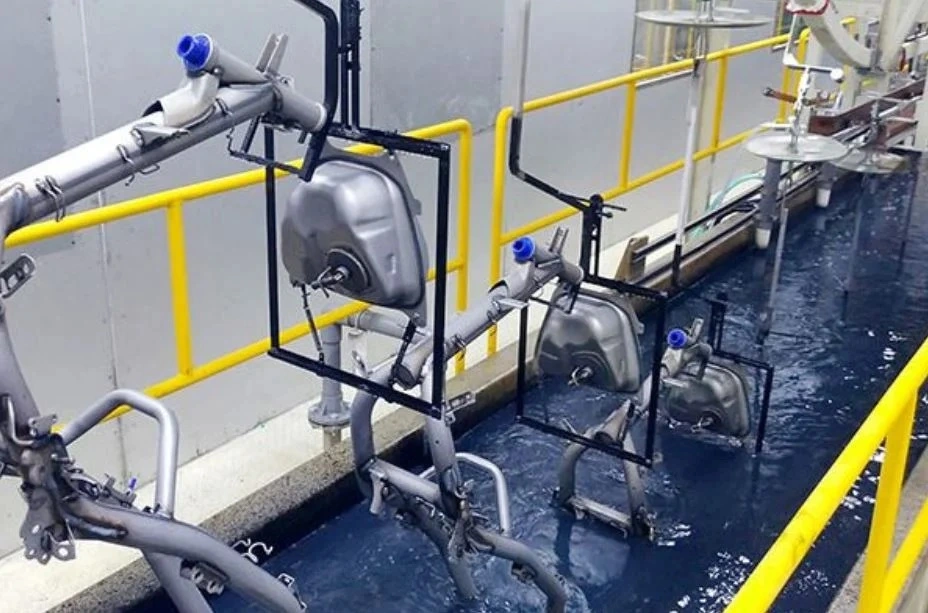
A powder coating line is a symphony of interdependent stages: pretreatment, drying, powder application, curing, and cooling. The conveyor is the silent maestro that ensures each part arrives at the right station, at the right time, and in the correct orientation. In my years of troubleshooting failed lines, the root cause often traces back not to the spray guns or the oven, but to a poorly conceived conveying strategy. Issues like inconsistent grounding, excessive part swing, or thermal expansion mismatches in the conveyor chain can create defects that ripple through the entire process. Modern powder coating conveyor systems must therefore be engineered as integrated platforms, capable of handling complex part geometries while maintaining strict process windows.
The market offers a spectrum of conveyor architectures, each tailored to specific production volumes, part weights, and flexibility needs. Below, I break down the dominant technologies using the lens of real-world applications.
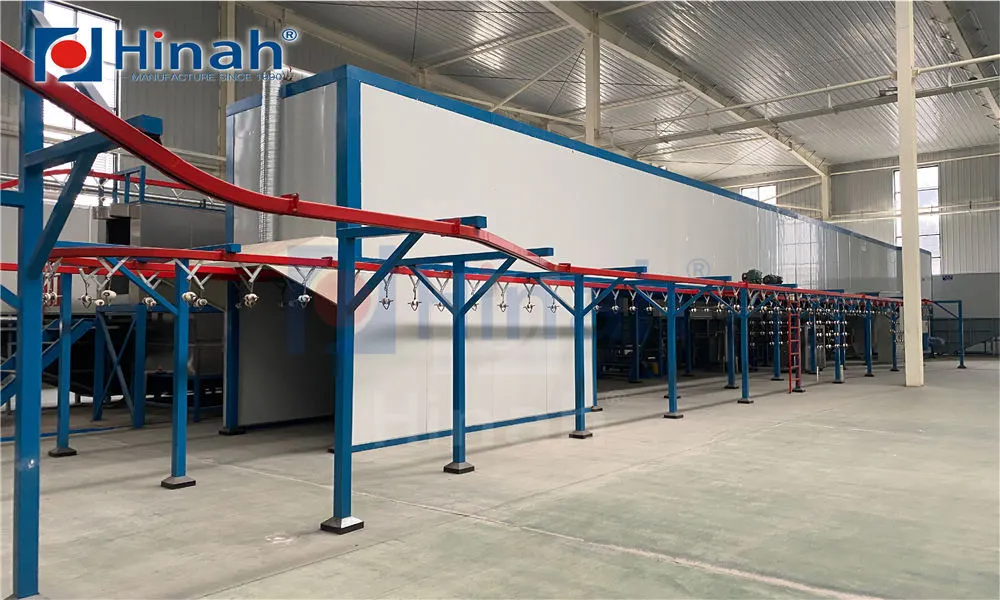
This is the workhorse of the industry. Parts hang from a continuously moving chain or cable track, traveling through all process stages. Modern systems utilize I-beam or enclosed track designs. Key advantages:
Simplicity & Cost: Lowest initial investment per linear foot.
Continuous Processing: Ideal for high-volume, low-variety production (e.g., appliance panels, automotive wheels).
Limitation: Fixed throughput speed; changing cycle times is difficult without major mechanical alterations.
For operations requiring variable dwell times (e.g., in pretreatment or cooldown), a simple overhead monorail may struggle.
When flexibility and accumulation become critical, Power & Free systems dominate. They consist of two tracks: a continuously moving power chain and a free track with trolleys that can be disengaged. In high-complexity environments like agricultural equipment or furniture coating, P&F allows:
Accumulation of parts before the spray booth to allow for batch changes.
Independence of process speeds – e.g., slower curing time for thick-film parts while others bypass.
Vertical or horizontal storage of carriers, maximizing floor space.
I have specified P&F systems extensively for clients who need just-in-sequence delivery to assembly lines.
For extremely heavy parts such as construction machinery frames, transformer housings, or military vehicle components, floor conveyors (slat, skid, or towline) are the only viable option. They offer massive load capacities (often >5 tons) and provide a stable platform that minimizes the risk of off-loading during powder application. The trade-off is floor space consumption and limited access for manual touch-up.
High-speed spindle conveyors are common in cylindrical part coating (shock absorbers, fire extinguishers). They rotate parts in front of fixed guns, ensuring wrap-around coverage. Belt conveyors, while rare in powder due to powder retrieval issues, are used in combination with automated booths for flat stock or when parts can be placed directly on a grounded mat.
Based on dozens of line audits, I have distilled the engineering considerations that must be addressed during the specification phase of any powder coating conveyor system.
Underestimating dynamic loads is a common pitfall. The conveyor must support not only the part weight but also the weight of hooks, fixtures, and accumulated dirt or powder. Furthermore, part geometry dictates the pitch (center-to-center spacing). As a rule of thumb, allow at least 50% of the part’s largest dimension between hanging points to prevent collisions on curves.
Line speed (ft/min or m/min) directly correlates with cure cycle time. For example, if the cure oven requires 15 minutes at temperature and the oven length is 75 feet, the line speed cannot exceed 5 fpm. Modern systems from innovators like HANNA integrate variable frequency drives (VFDs) that allow speed tuning based on real-time oven load, saving energy during partial loads.
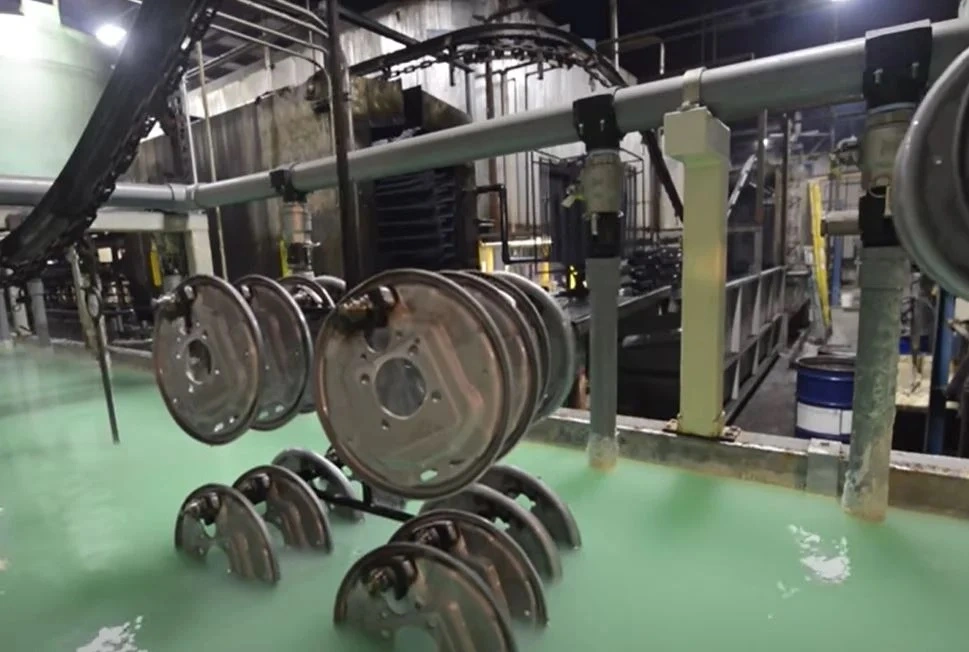
The conveyor operates in a uniquely aggressive environment: pretreatment chemicals (acids, alkalis), high humidity, and extreme oven temperatures (typically 180-220°C). Standard carbon steel chains will gall and corrode within months. I always advocate for:
Stainless steel pins and bushings in washer sections.
High-temperature synthetic chain lubricants (or dry-film lubricants) for oven sections.
Hot-dipped galvanized or stainless steel rails in high-moisture zones.
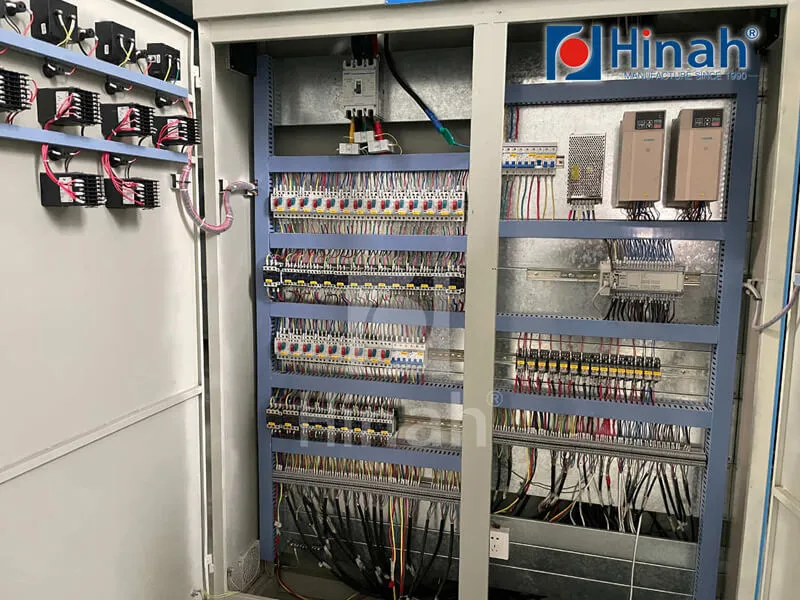
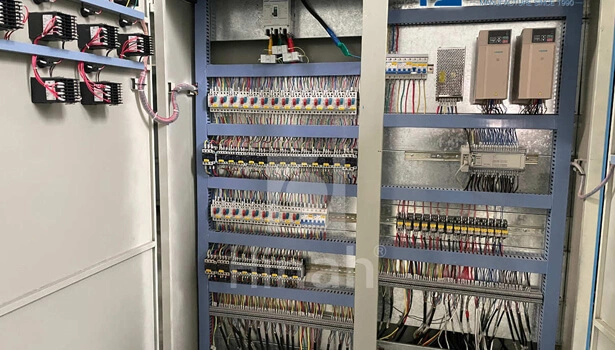
Synchronization is paramount. Inconsistent indexing can lead to missed spray patterns or uneven cure. Look for drives with closed-loop encoders and soft-start capabilities to minimize jerk on heavy loads. The control architecture should also communicate with the powder booth to trigger gun-on/off sequences based on part presence—a feature expertly implemented by HANNA in their integrated lines.
Every finishing line manager knows the recurring nightmares: chain stretch, worn trolley wheels, broken hooks, and electrostatic grounding faults. Here is how modern engineering addresses these.
Chain Elongation: Regular tensioning stations and the use of sealed-for-life bearings in trolleys reduce wear. Implementing condition monitoring sensors on drives can predict failures.
Grounding Consistency: Powder coating relies on electrostatic attraction. A poorly grounded part repels powder. Advanced conveyor systems now feature dedicated grounding brushes or conductive chains that maintain resistance below 1 ohm from hook to earth.
Powder Contamination: Overhead conveyors can drop dirt or grease onto freshly coated parts. Enclosed track conveyors or inverted power & free designs position the chain below the part, virtually eliminating this defect.
Energy Inefficiency: Heavy chains consume excess energy. Newer polymer composite chains or lightweight alloys reduce mass, lowering motor loads and heat absorption in ovens—directly cutting electricity and gas bills.
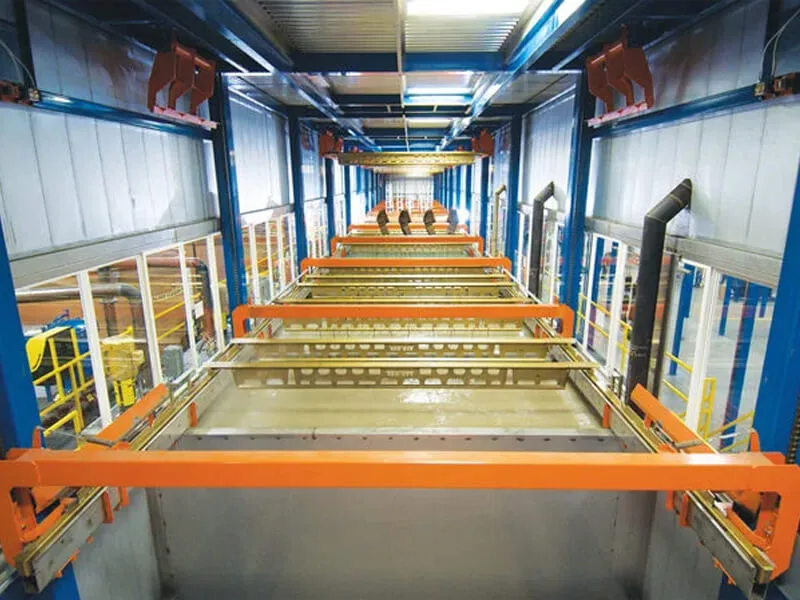
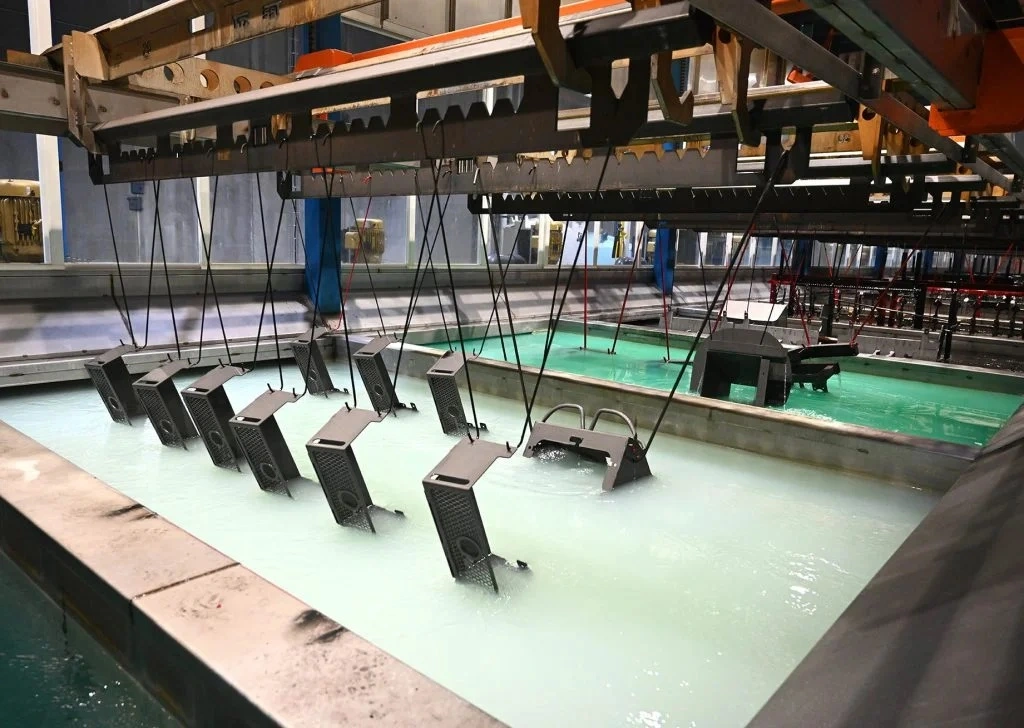
A conveyor is not an island. Its interface with pretreatment and curing processes dictates first-pass yield. In the pretreatment zone, the conveyor must ensure that all surfaces are exposed to spray nozzles. This often requires indexing or rotating mechanisms. In the oven, the carrier material itself acts as a heat sink; therefore, lightweight fixtures designed in collaboration with conveyor experts can shorten oven dwell times by up to 15%. I always recommend thermal modeling to optimize the balance between conveyor mass and part temperature recovery.
The next decade will see powder coating conveyor systems evolve from passive transport to active data nodes. Already, pioneering manufacturers are embedding RFID tags on carriers that store part-specific recipes. As the carrier approaches the spray booth, the system automatically adjusts gun settings and triggers the correct color. Furthermore, predictive maintenance algorithms analyze motor vibration and chain tension, alerting managers to potential breakdowns before they occur. HANNA is at the forefront of this integration, offering turnkey lines where the conveyor acts as the backbone of a fully digitalized factory. Their recent projects incorporate automatic painting conveyor system (a prime example of integrated design) that communicates with MES (Manufacturing Execution Systems) for real‑time tracking.
Q1: What is the typical lifespan of a powder coating conveyor system, and what factors most affect it?
A1: With proper maintenance, a well-designed conveyor can last 20–30 years. The critical factors are: (a) environmental corrosion (especially from pretreatment chemicals), (b) thermal fatigue in oven sections, and (c) mechanical wear from heavy loads. Using stainless steel components in wash zones and high-temperature bearings in ovens dramatically extends life.
Q2: How do I choose between an overhead monorail and a Power & Free conveyor for my new line?
A2: The decision hinges on product mix and required flexibility. If you coat a high volume of identical parts with no need for batching or accumulation, a monorail is cost-effective. If you need to process different parts simultaneously, allow for offline repair of carriers, or integrate with assembly, Power & Free is the superior choice despite the higher initial cost.
Q3: What maintenance schedule is recommended for overhead conveyors?
A3: Daily: visual inspection of chain, trolleys, and lubricators; check chain tension. Weekly: clean proximity sensors and photo-eyes; verify lubrication delivery. Monthly: sample and analyze wear on a few trolley wheels; measure chain wear using a pin gauge. Quarterly: inspect all drives, gearboxes, and take‑up assemblies for alignment.
Q4: Can an existing conveyor system be upgraded to handle higher line speeds without replacing the entire line?
A4: Often, yes. Bottlenecks are usually the drive motor capacity, chain strength, or the curing oven. Upgrading to a higher-torque motor with a VFD may help. However, ensure that the chain and trolleys are rated for the increased dynamic load. Sometimes, retrofitting with a larger drive sprocket and reinforcing curves is sufficient, but a full engineering audit is necessary.
Q5: How does conveyor grounding affect final coating quality, and how can it be improved?
A5: Grounding is the most overlooked variable in powder coating. If the part is not at earth potential, powder will be repelled, causing Faraday cage issues or light films. Solutions include: using hardened steel or copper‑carbon contact brushes that ride on the chain or trolley; installing continuous grounding rods inside the conveyor track; and regularly cleaning hooks via a burn‑off oven or mechanical hook cleaner.
Q6: What are the most effective ways to reduce energy consumption of a conveyor in a powder coating line?
A6: Three strategies yield the highest ROI: (1) Reduce the mass of carriers (use high-strength, low-weight alloys); (2) Install VFDs on drives to match speed to actual production; (3) Insulate oven penetrations where the conveyor enters/exits to minimize heat loss. Additionally, modern lubricants reduce friction, lowering motor amperage.
Investing in a powder coating conveyor system is a long-term commitment that defines your operational capabilities. By understanding the nuances of conveyor types, engineering parameters, and integration challenges, you can avoid the costly mistakes that plague so many finishing lines. The market now offers intelligent systems that not only transport but also collect data and enhance process control. With partners like HANNA, who bring decades of application knowledge, you can design a conveyor solution that delivers consistent quality, maximizes uptime, and positions your facility for the demands of Industry 4.0. Remember, the conveyor is not just moving parts—it is moving your business forward.