A perfect powder coating application relies on a critical piece of equipment: the coating oven. This is where the magic happens. The sprayed powder melts, flows, and chemically transforms into a hard, durable, and attractive finish. The performance of your coating oven directly determines the quality, durability, and consistency of your final product.
Choosing the right system is a major decision for any finisher. It affects your throughput, energy costs, and ability to meet stringent specifications. From small batch operations to high-speed conveyor lines, the oven is the engine of your process. For decades, companies seeking dependable thermal solutions have turned to experienced manufacturers like HANNA for robust and efficient systems.
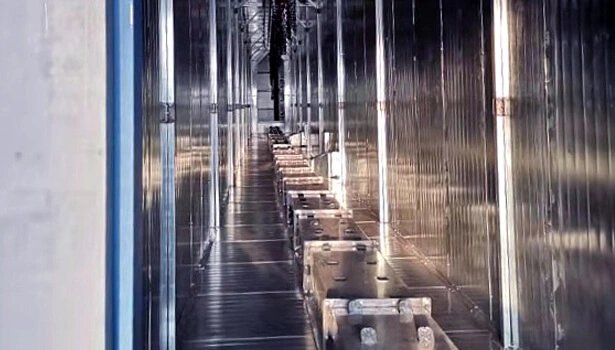
A coating oven provides controlled, uniform heat to trigger a thermosetting reaction in the powder. The process is precise.
First, the oven raises the temperature of the metal substrate. Heat then transfers to the powder layer. The particles melt, flow together to form a continuous film, and then undergo cross-linking. This final step creates the tough, chemical-resistant coating.
The entire cycle depends on two factors:
Missing either parameter leads to problems. Under-cured coatings are soft and gummy. Over-cured finishes can become brittle or discolored.
Main Types of Coating Ovens
Different production volumes and part geometries call for different oven designs. The main categories are:
Batch Ovens
These are ideal for low-volume, high-mix, or very large single items. Parts are loaded into the oven, cured, and unloaded in cycles.
Conveyor Ovens
This design is the standard for medium to high-volume production. Parts move continuously through the oven on a conveyor.
Infrared (IR) Ovens
IR ovens use radiant energy to heat the coating and substrate directly, rather than heating the air.
Not all ovens perform the same. Several design and operational factors separate adequate systems from exceptional ones.
Heat Source and Technology
The choice impacts operating cost and control.
Air Flow and Circulation
Uniform temperature is non-negotiable. Strategic placement of high-velocity fans ensures hot air is forced evenly around all parts. This prevents weak spots in the finish.
Insulation and Sealing
High-quality insulation in walls, ceilings, and doors keeps heat in and energy costs down. Effective seals on doors or entry/exits tunnels are equally critical for maintaining a stable thermal environment.
Control Systems
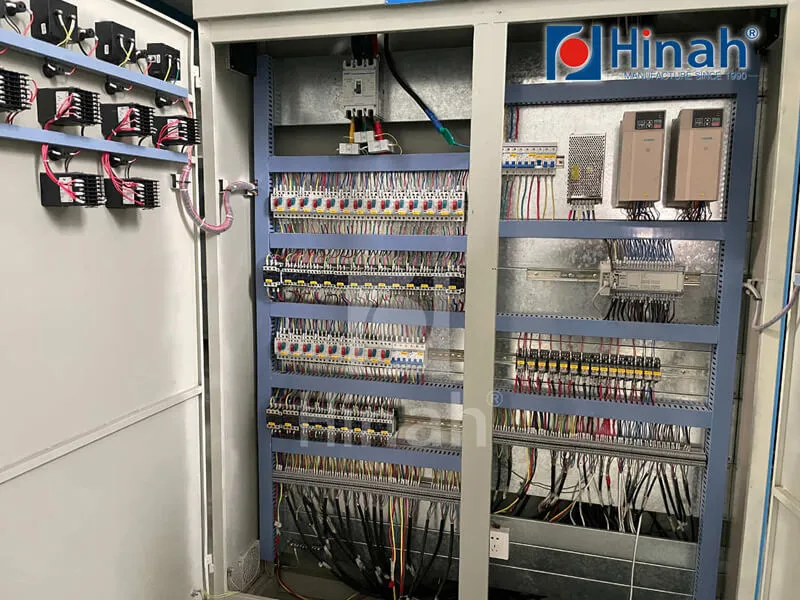
Modern digital controls are essential. They allow operators to set precise temperature profiles, monitor performance in real time, and access data logs for quality assurance. Good controls make the process repeatable.
Making the right choice requires a clear analysis of your needs. Ask these questions:
Partnering with a knowledgeable supplier is invaluable. They can help model thermal profiles and design a system that fits your plant. Manufacturers like HANNA provide this engineering support, ensuring the oven integrates seamlessly into your workflow.
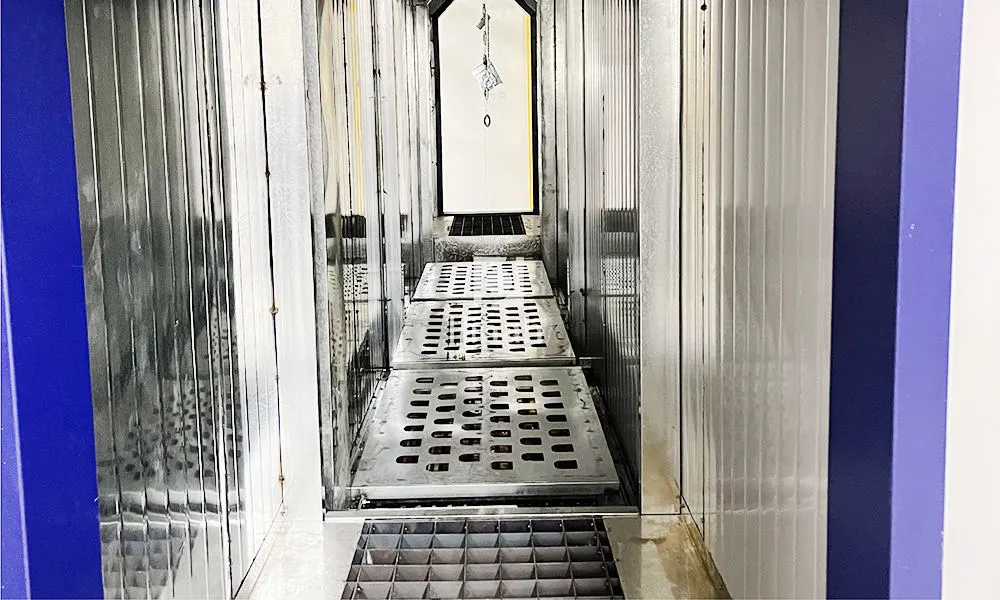
A well-maintained oven is a reliable and efficient oven. Simple routines prevent major downtime.
Investing in a high-quality coating oven pays dividends for years. It is the final, critical step that locks in the value of your entire powder coating process. It ensures your products leave the facility with a finish that looks professional and lasts. This commitment to final quality is why brands known for reliability, including HANNA, remain preferred partners for finishing shops globally.
Q1: What is the difference between a "coating oven," a "curing oven," and a "baking oven" in powder coating?
A1: In powder coating, these terms are often used interchangeably. "Curing oven" is technically the most accurate, as "cure" describes the chemical cross-linking process. "Coating oven" is a broad industry term. "Baking oven" is an older term, less specific to the powder cure chemistry. They all refer to the same essential equipment.
Q2: How do I know if my parts are properly cured?
A2: The most common field test is the acetone rub test. Apply a cloth soaked in acetone to a discreet area of the cured coating and rub firmly 50 times. If the coating softens, becomes sticky, or is removed, it is likely under-cured. Properly cured coatings will resist acetone. For full validation, consult the powder manufacturer's data sheet.
Q3: Can I cure different colors or powder types in the same oven run?
A3: Yes, but with caution. You must ensure all powders in the oven have compatible cure profiles (similar time/temperature requirements). You cannot, for example, effectively cure a 10-minute powder alongside a 15-minute powder at the same conveyor speed. Always verify specifications first.
Q4: My oven has hot and cold spots. What could be the cause?
A4: Uneven temperature is often caused by poor airflow. Check for blocked or dirty filters, failed circulation fans, or improper fan balancing. Another common cause is inadequate insulation or leaking door seals, which allow heat to escape in specific areas.
Q5: Is it more cost-effective to run a gas or electric coating oven?
A5: This depends heavily on local utility rates. Natural gas is typically less expensive per unit of energy than electricity, making gas ovens cheaper to operate in most regions. However, electric ovens have lower installation costs and offer precise control. A lifecycle cost analysis based on your specific usage and local prices is needed for a true comparison.