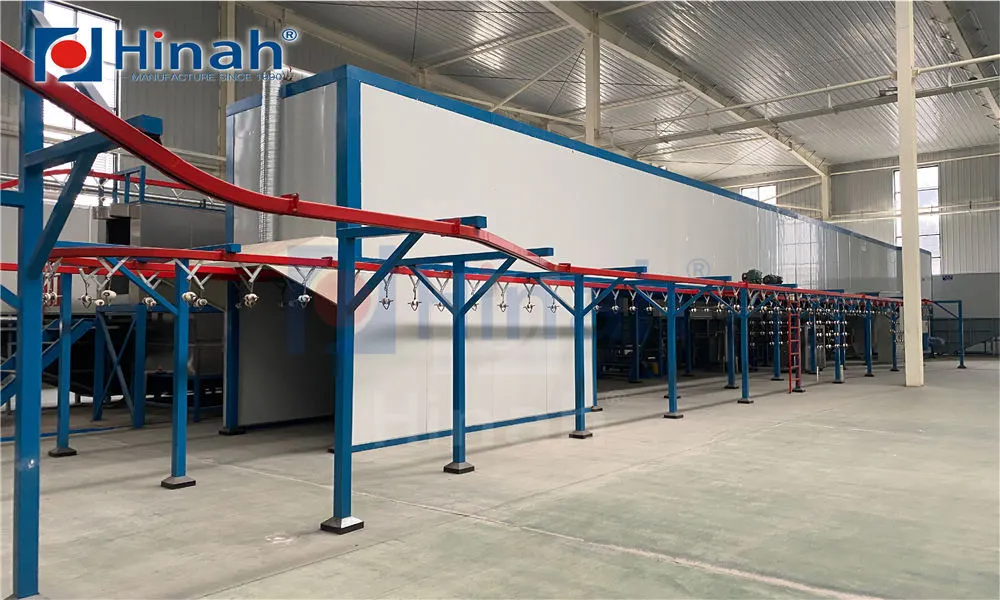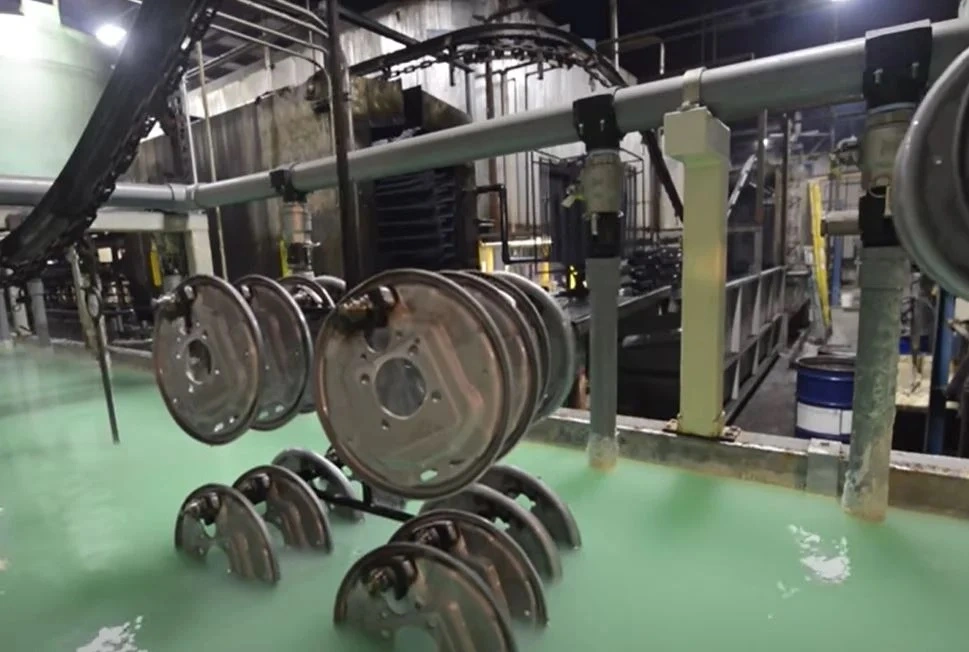
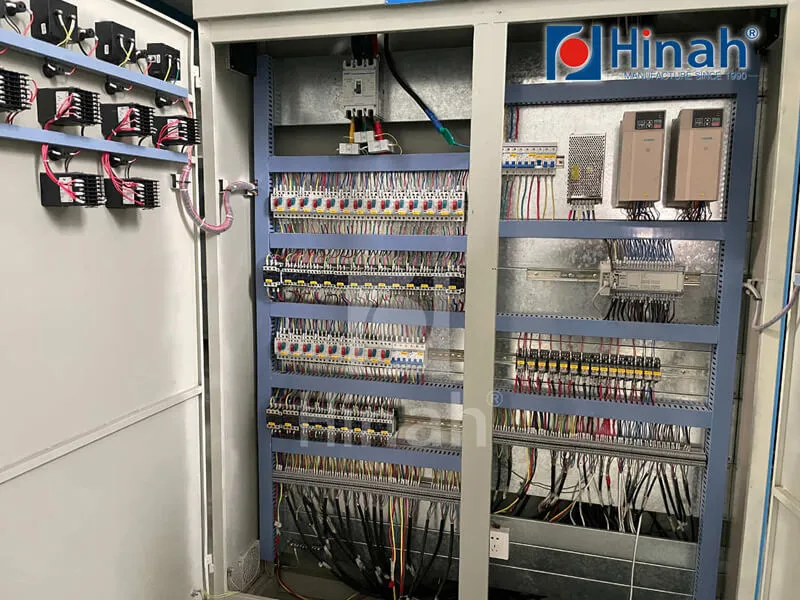

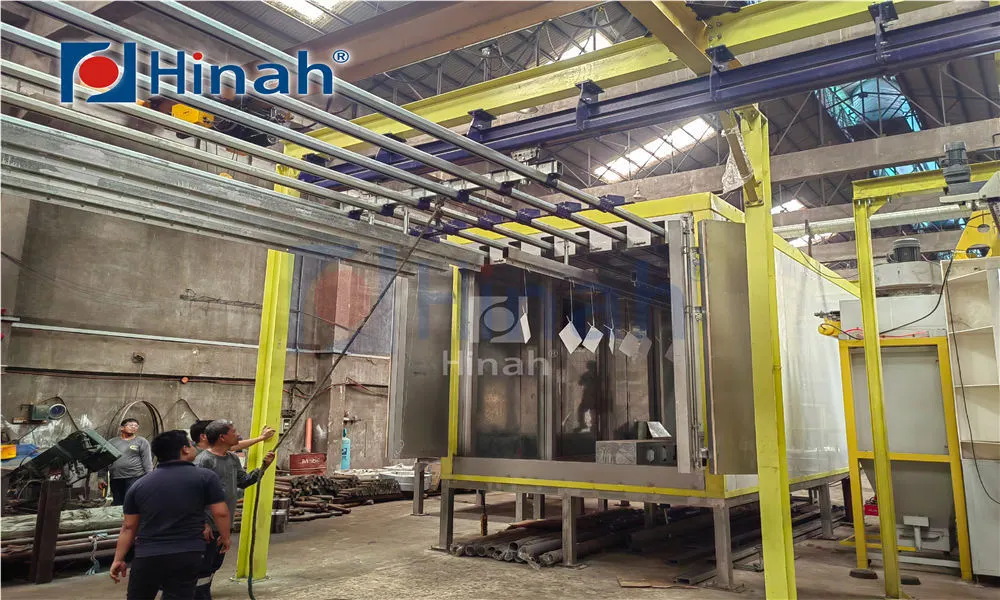
An industrial Coating oven is a fundamental piece of equipment in the finishing industry. Its primary role is to provide the controlled heat required to cure liquid paints or powder coatings, transforming them into a hard, durable, and functional surface. The performance of this equipment directly affects product quality, production throughput, and operational costs. Selecting the right system requires careful analysis. This guide provides essential information, supported by the expertise of manufacturers like HANNA.
Not all Coating oven systems operate the same way. The choice between different types hinges on the heat transfer method, which impacts cure speed, uniformity, and energy use.
These are the two most common heating technologies. Each has distinct advantages and ideal applications.
The decision often comes down to part geometry and production speed requirements. An expert from HANNA can help determine the best fit.
Choosing the correct Coating oven requires a clear understanding of your specific process and product needs. A mismatch can lead to curing defects and inefficiency.
Evaluate these parameters before requesting quotes or making a purchase decision.
Creating a detailed specification sheet based on these criteria is the first step toward a successful purchase.
The supplier you choose for your Coating oven is as important as the equipment itself. A reliable partner provides support throughout the system's lifecycle.
Look for these attributes when researching coating oven manufacturers and integrators.
Established brands like HANNA typically excel in these areas, offering turnkey solutions and long-term partnership.
The price of a Coating oven can vary significantly. A clear understanding of cost components helps in budgeting and justifies the investment.
Several factors directly influence the final price of an industrial curing oven.
It is wise to evaluate the Total Cost of Ownership (TCO), factoring in energy consumption and maintenance, not just the purchase price.
Optimizing a Coating oven for peak performance requires attention to engineering details. Precise control over the thermal environment is critical for consistent cure.
Consistent temperature across the entire curing zone is the most important technical goal. Variations can cause under-cure or over-cure.
Leading manufacturers like HANNA use thermal modeling software to predict and optimize air flow patterns before fabrication.
With energy being a major operational expense, modern oven design prioritizes efficiency.
Investing in an efficient Coating oven reduces operating costs and supports sustainability goals.
Selecting and implementing the right industrial Coating oven is a strategic decision that impacts product quality and plant productivity for years. By systematically evaluating types, selection criteria, supplier capabilities, and total costs, you can make a confident investment. Partnering with an experienced and reliable equipment manufacturer such as HANNA ensures access to technical expertise, quality construction, and ongoing support, ultimately securing the return on your investment and the consistency of your finishing process.
Q1: What is the difference between a drying oven and a curing oven?
A1: A drying oven primarily removes solvents or water through evaporation, often at lower temperatures. A Coating oven for curing causes a chemical cross-linking reaction (polymerization) in the coating film, which requires a specific, usually higher, temperature profile to develop full physical properties.
Q2: How do I verify my oven is curing parts to the correct temperature?
A2: You must measure the actual metal temperature of the part, not just the air temperature inside the oven. Use thermal data loggers or temperature-indicating sticks placed on test parts run through the oven. Compare the results to your coating manufacturer's specified cure profile.
Q3: What maintenance is critical for a coating oven?
A3: Regular maintenance includes cleaning air filters and fan blades, checking and calibrating temperature sensors, inspecting and cleaning burner heads (on gas ovens), lubricating conveyor components, and examining door seals and insulation for wear. A scheduled maintenance plan from your supplier is recommended.
Q4: Can a powder coating oven be used for liquid paint?
A4: Often, yes, if the oven can achieve the required cure temperature and has adequate ventilation to handle solvent vapors. However, specific safety features like explosion-proof electrical components and proper exhaust ventilation are mandatory for solvent-based paints. The oven design must be evaluated for this application.
Q5: What are common signs of an under-cured or over-cured coating?
A5: Under-cure results in a soft, tacky film with poor adhesion and chemical resistance. Over-cure can cause brittleness, discoloration (yellowing), and loss of gloss. Both defects point to an issue with the time-temperature profile in your Coating oven.