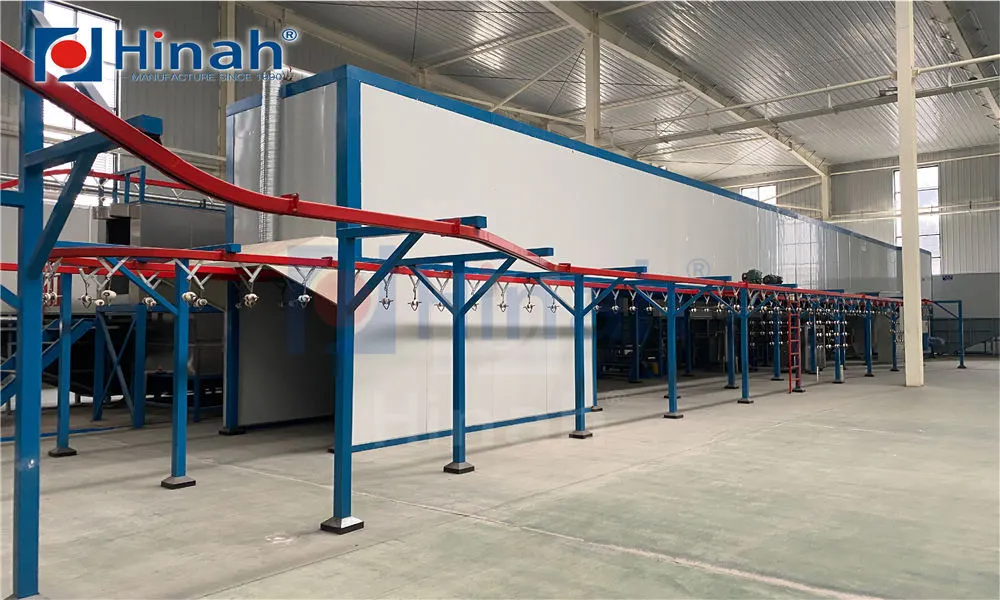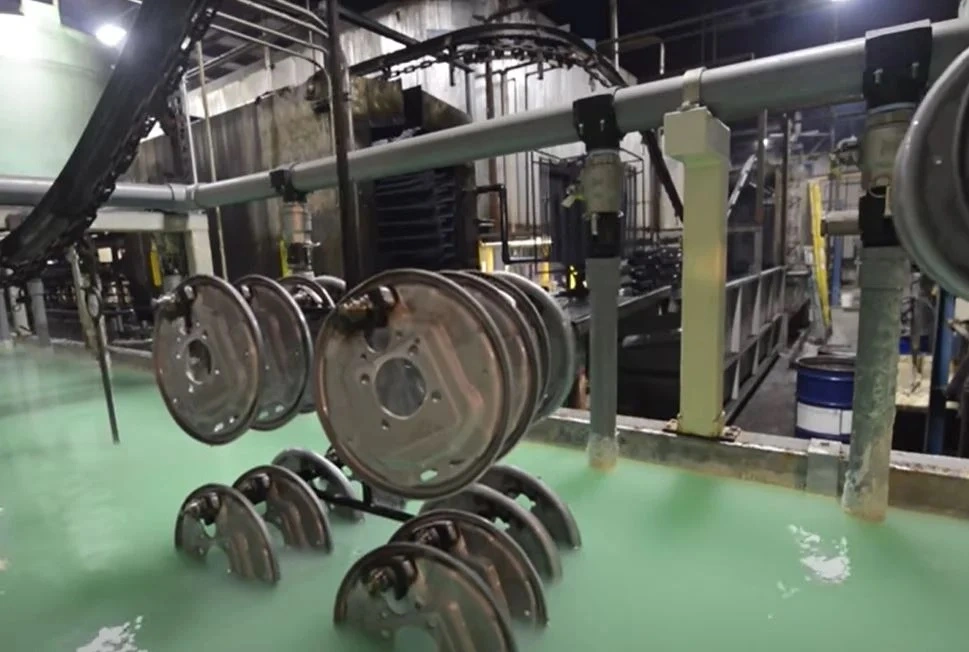
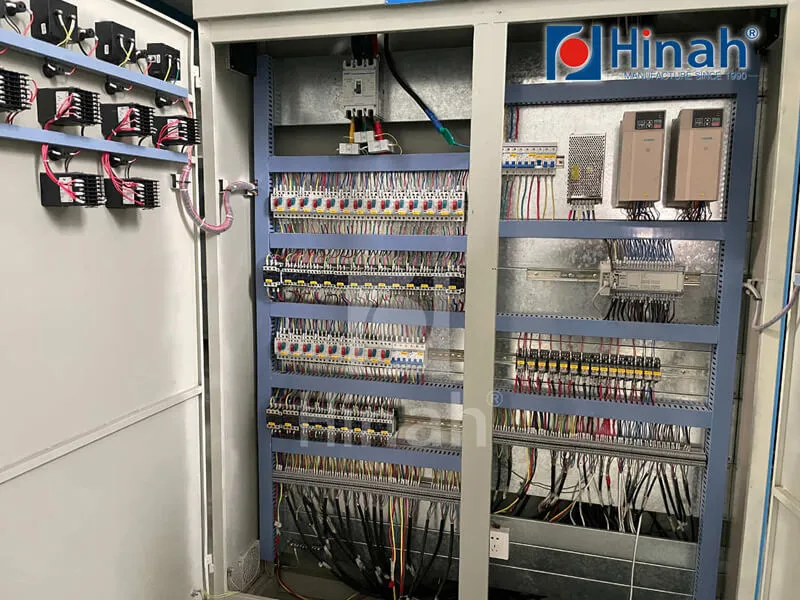

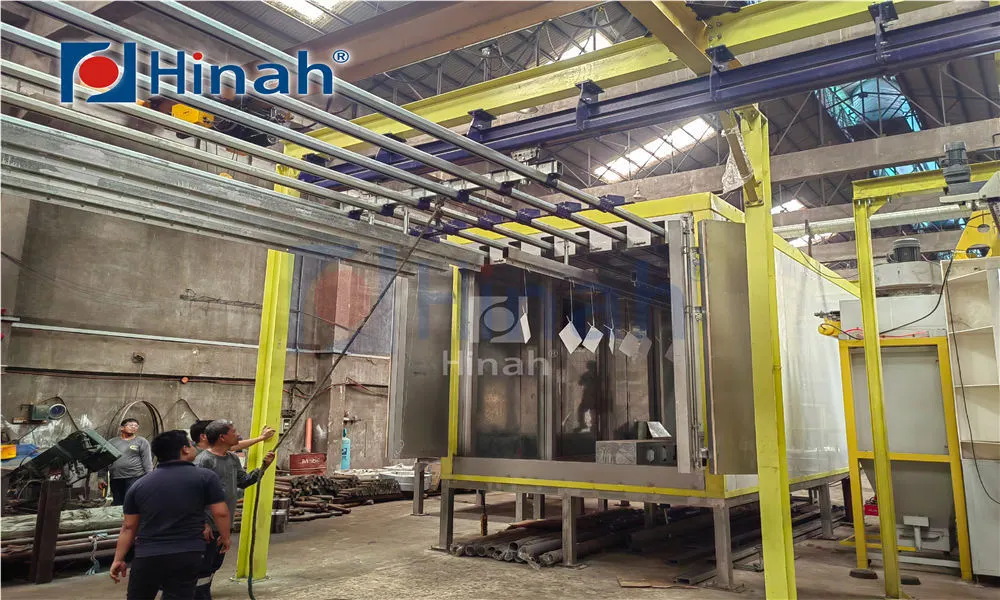
If you've ever had a batch of powder-coated parts come out with poor adhesion, inconsistent gloss, or hidden curing defects, the problem often points to one critical piece of equipment: the coating oven. It’s the stage where the magic of transformation happens, turning a layer of powder into a tough, durable finish. But when a coating oven isn't performing correctly, it doesn't just produce bad parts—it silently burns through your profit margin on energy, rework, and lost production time. For finishing managers working with partners like HANNA, pinpointing oven inefficiencies is the first step toward a reliable, cost-effective line.
This isn't about basic operation. It's about diagnosing the subtle, expensive failures that can plague even well-maintained systems. Let's look at the telltale signs and practical solutions.
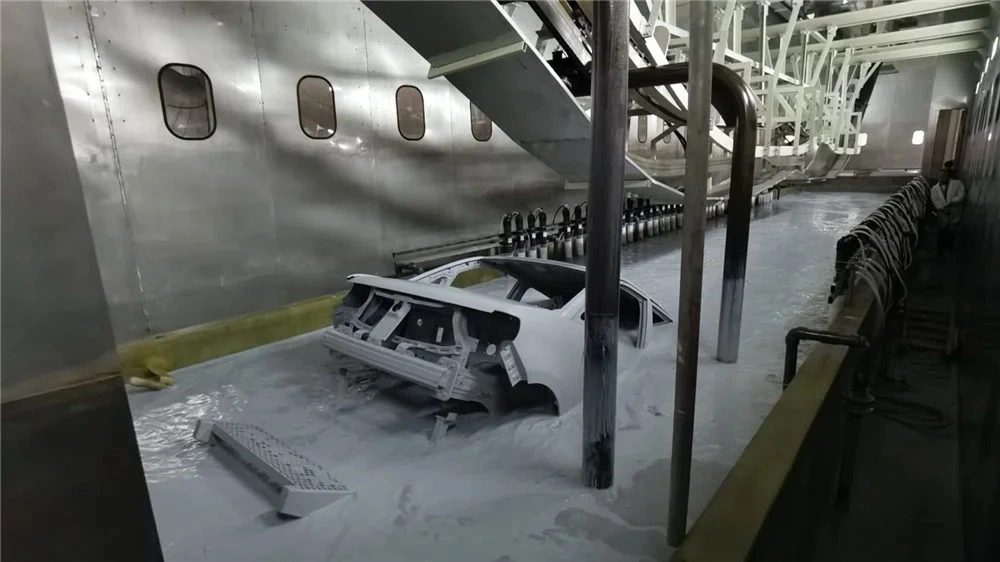
A coating oven is not a simple heater. It’s a precision thermal chamber designed to achieve a specific chemical reaction called cross-linking. The oven must raise the temperature of the part itself (the substrate) to a required level, known as the Part Metal Temperature (PMT), and hold it there for a precise amount of time.
This "cure schedule" is non-negotiable. Every powder has its own requirements, typically between 150°C to 200°C for 10-15 minutes at PMT. The sole job of your coating oven is to deliver this heat uniformly and consistently to every item on the conveyor, regardless of its shape, mass, or position in the load.
When it fails to do this, the results are costly.
This is the most direct symptom. You’re seeing:
The root cause is almost always an uneven temperature profile within the oven chamber. Cold spots, often caused by inadequate airflow, poor insulation, or overloading the conveyor, leave sections of a part under-cured. Conversely, hot spots can over-cure and discolor the coating.
Solution: The first action is to run a detailed temperature profile. Using data loggers attached to test parts, you map the exact temperature experienced throughout the oven’s travel. This profile will visually show you where temperatures dip or spike. A specialist like HANNA can then interpret this data to adjust burner settings, rebalance airflow fans, or recommend changes to your conveyor loading pattern.
You haven't increased production, but your gas or electric bill for the line keeps climbing. An inefficient coating oven is a massive energy sink. Common culprits include:
Solution: Conduct a thorough thermal audit. This involves using thermal imaging cameras to visually identify heat loss points. Inspect and replace all door and seam seals. Review your exhaust rates—often, they can be dialed back without affecting performance. Consider adding or optimizing a heat recovery system, which captures waste heat from the exhaust to pre-heat incoming fresh air, a retrofit HANNA frequently performs for major energy savings.
You’re spraying the same powder from the same batch, but parts exiting the coating oven show slight differences in color or gloss. This is a classic sign of temperature inconsistency, particularly with certain pigments and clear coats that are thermally sensitive.
Over-curing in a hot zone can yellow whites or clears and reduce gloss. Under-curing in a cooler zone can prevent the coating from flowing out properly, leading to a lower or uneven gloss finish.
Solution: Beyond temperature profiling, this issue requires looking at air distribution. High-velocity air directly impinging on a part can cool it locally ("wind chill" effect inside the oven). Adjusting internal baffles to direct airflow more evenly can solve this. Ensuring the oven's heating zones are correctly calibrated and that the line speed is absolutely constant is also critical.
While some maintenance is normal, if your oven requires constant attention—frequent filter changes, daily cleaning of burners, or unclogging of air ducts—its design may be working against you. Overspray accumulation inside the oven plenums and ductwork is a major culprit. It insulates heat exchangers, restricts airflow, and can even become a fire hazard.
Solution: Evaluate your oven's internal filtration and air management design. Modern ovens often feature easy-clean interiors and strategically placed access panels. Upgrading to a different filtration system or implementing a proactive, scheduled cleaning protocol based on your production volume can prevent emergency downtime. HANNA’s service teams often create custom maintenance schedules for clients to turn unpredictable breakdowns into planned, brief stoppages.
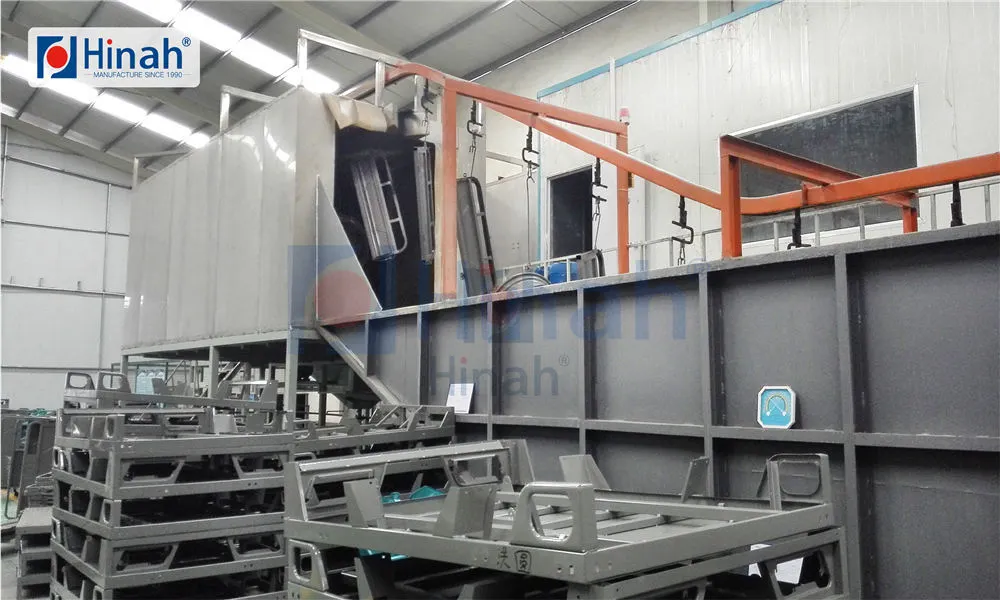
Many of these problems stem from an initial mismatch. Selecting the right type of coating oven is foundational.
The key is integrating the oven properly with your pretreatment, application, and material handling systems. A bottleneck or mismatch at any stage stresses the entire process, often forcing the oven to run inefficiently.
Addressing these four signs isn't just about repairs; it's about optimization. A truly efficient coating oven is a system in perfect balance: sealed tight, with turbulent and uniform airflow, precise temperature control, and synchronized with the conveyor speed.
Working with an engineering-focused partner like HANNA moves you from reactive troubleshooting to proactive process control. This can involve retrofitting modern controls, upgrading combustion systems, or redesigning internal airflow patterns. The goal is to transform your coating oven from a source of problems into a pillar of predictable, high-quality, and cost-effective production. In the competitive world of industrial finishing, that reliability isn't just convenient—it's a direct competitive advantage.
Q1: What's the difference between air temperature and part metal temperature (PMT) in a coating oven?
A1: Air temperature is what the oven's sensors read inside the chamber. PMT is the actual temperature of the metal part itself. PMT is the only measurement that matters for proper cure. A part can be in a 200°C oven but, due to its mass and dwell time, may only reach a PMT of 180°C, leading to under-cure. You must verify PMT with profiling equipment.
Q2: How often should I perform a temperature profile on my coating oven?
A2: At a minimum, profile quarterly. You should also profile whenever you change to a new powder chemistry, start coating a significantly different part mass or material, change your line speed, or after any major oven maintenance. Seasonal ambient temperature changes in the factory can also affect performance, warranting a check.
Q3: Can I cure different powder types (e.g., epoxy, polyester, hybrid) in the same coating oven?
A3: Yes, but you must carefully manage the cure schedule. Each powder has a specific recommended PMT and time. Your oven must be capable of adjusting its zone temperatures and your conveyor speed must be adjustable to accommodate the different required dwell times. The widest variation is with low-cure powders, which require very precise temperature control.
Q4: Why is there powder overspray building up inside my oven, and is it dangerous?
A4: Overspray is carried into the oven by the conveyor and parts, and through air currents. It settles in ducts and on surfaces. It is problematic because it acts as insulation, reduces efficiency, and can contaminate parts. In sufficient quantities, it can be a fire hazard. Proper booth maintenance, oven entrance air seals, and a regular oven cleaning schedule are essential to manage this.
Q5: My oven seems to work fine, but my energy costs are rising. What are the first things I should check?
A5: Start with a visual and physical inspection: 1) Check the integrity of all door and panel seals—replace any that are cracked or compressed. 2) Look for gaps in the oven insulation or casing. 3) Ensure your exhaust rates are set to the minimum required for safe operation. 4) Check that burners are clean and firing efficiently (a blue flame, not yellow). These simple checks often reveal the source of significant waste.