Setting up or upgrading a powder coating line is a major capital decision. The quality of your finish, your production throughput, and your long-term operating costs depend heavily on one critical choice: your powder coating plant supplier. This partner provides more than just equipment; they deliver the integrated system that forms the backbone of your finishing operation. Selecting the right supplier is the first and most important step toward achieving consistent quality, efficiency, and a strong return on investment. For companies prioritizing reliability and comprehensive support, established manufacturers like HANNA represent a proven choice in the global market.
A trustworthy supplier does not simply sell you a collection of parts. They analyze your needs, design a coherent process, and engineer a solution that fits your space, budget, and production goals. The relationship with your supplier will last for the entire lifecycle of your plant, from initial concept to decades of service.
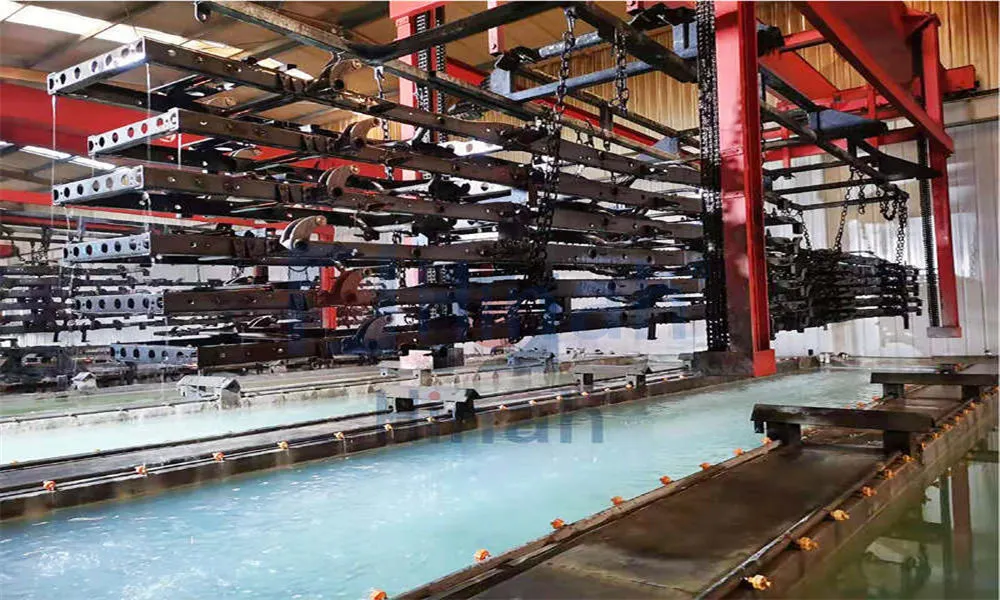
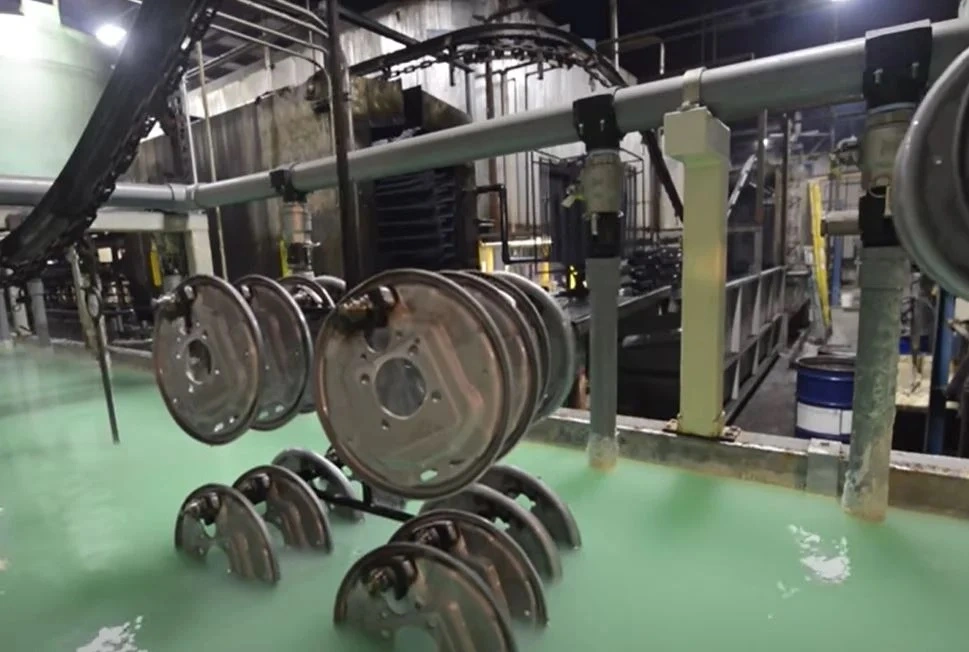
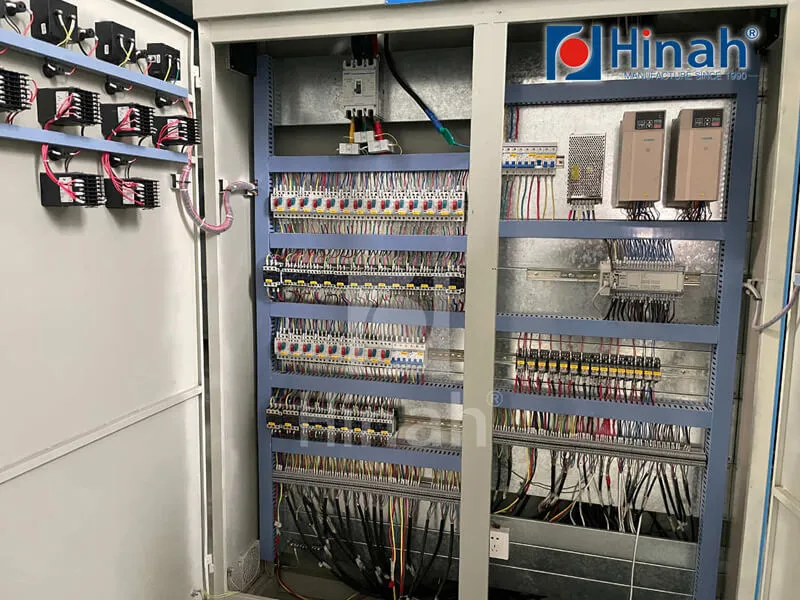
A true powder coating plant supplier offers complete, turnkey solutions. They move beyond being a simple equipment vendor. Their expertise covers the entire process chain. This holistic approach ensures all components work in seamless harmony.
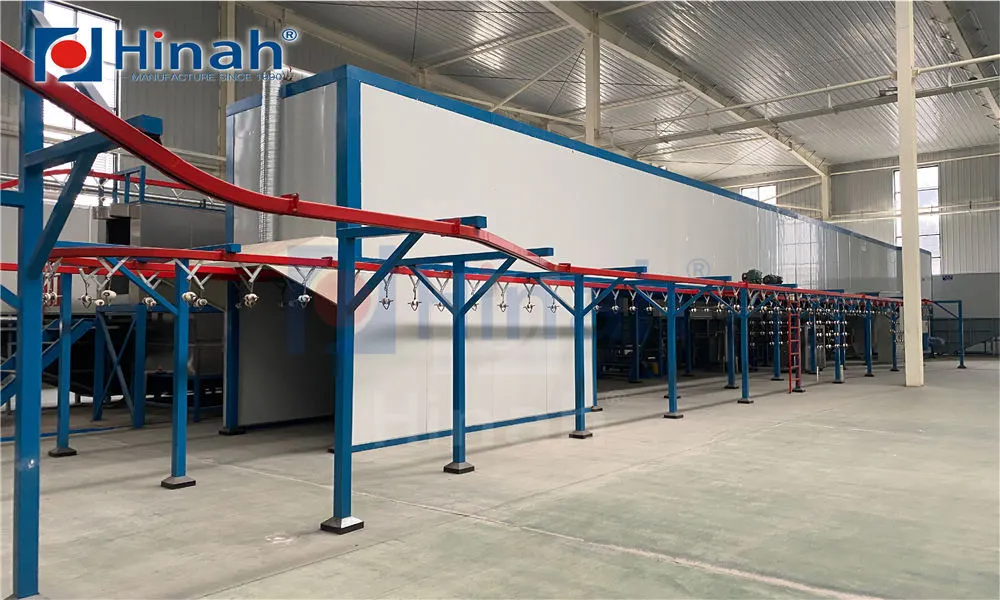
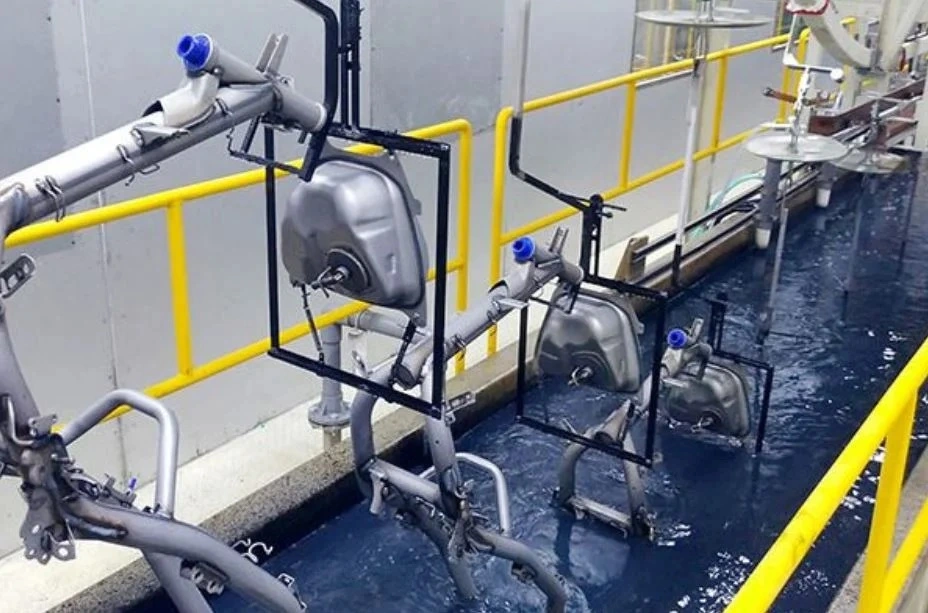
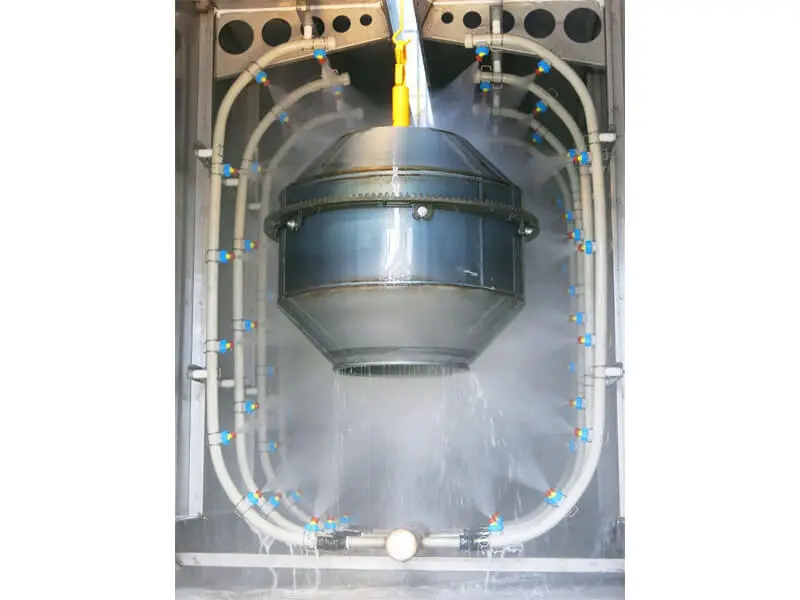
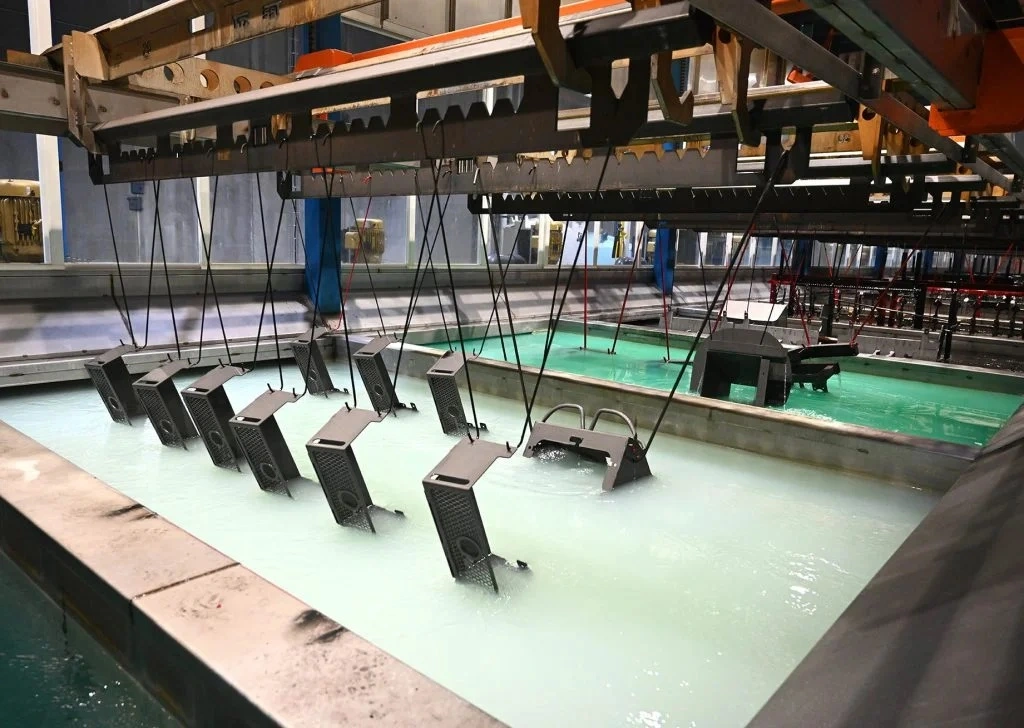
Their core responsibility is to provide a functional, efficient system. This typically includes:
A supplier’s skill lies in correctly sizing and integrating these components. A mismatch between stages—like an oven too small for the conveyor speed—creates immediate bottlenecks.
How do you separate qualified partners from the rest? Consider these key factors during your selection process.
Technical Expertise and Experience
Look for a supplier with deep, demonstrable experience. Review their project portfolio for lines similar to your intended application. They should ask detailed questions about your parts, volumes, and quality standards. An expert supplier will identify potential challenges you might have overlooked.
Quality of Manufacturing and Components
The durability of the plant depends on the build quality. Inquire about the materials used. Are oven panels made with robust, insulated sections? Are conveyors built with heavy-duty chains and drives? A visit to their manufacturing facility can be very revealing. Suppliers who build their own core components, like HANNA does with ovens and washers, often maintain tighter quality control.
Range of Services Offered
The supplier’s role extends far beyond the sale. Critical services include:
A supplier lacking in these areas leaves you to manage complex integration alone.
A successful project starts with clear communication. Be prepared to share specific information with potential suppliers. This allows them to develop an accurate proposal.
You will need to provide clear details on:
A competent powder coating plant supplier will use this data to model your process. They will recommend the appropriate technology—like infrared versus convection ovens—based on your parts and powders.
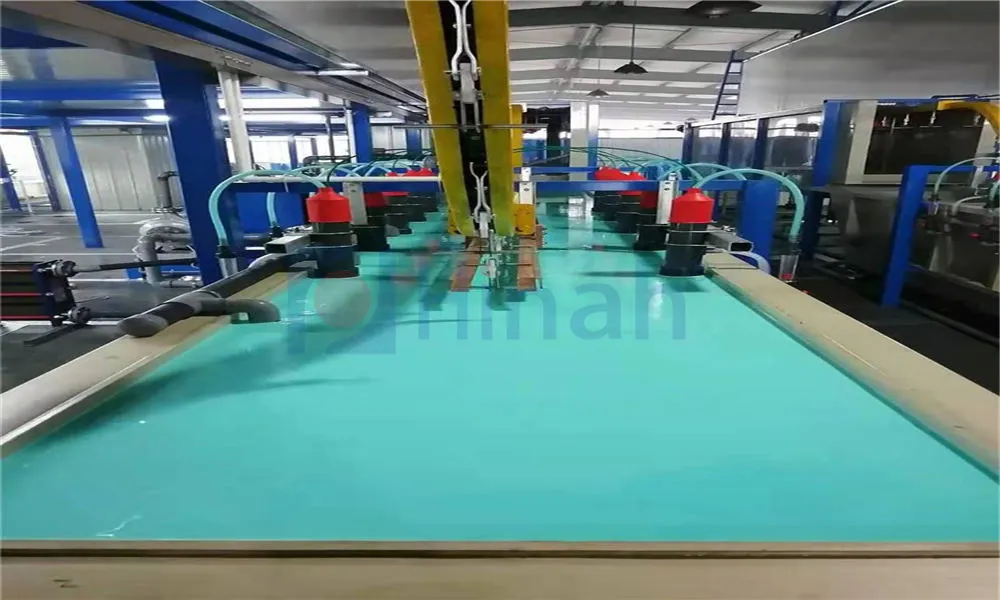
The real test of a supplier begins after the line is operational. Reliable after-sales support is not a luxury; it is a necessity for minimizing costly downtime.
Understand the supplier’s support structure before you sign a contract. Key points to clarify include:
A supplier invested in a long-term partnership will be proactive. They will check in regularly and help you optimize the line for changing needs. This level of support protects your investment and ensures consistent performance for years.
Choosing your powder coating plant supplier is a strategic decision with long-lasting consequences. It defines the capabilities and limitations of your finishing department. By focusing on partners with proven engineering skill, solid manufacturing, and a commitment to full-project support, you lay a foundation for success. Industry leaders, including HANNA, have built their reputations on this exact model—delivering not just machines, but reliable, productive finishing systems backed by enduring service.
Q1: What is the main difference between a supplier and a manufacturer of powder coating plants?
A1: A manufacturer designs and builds core equipment, such as ovens, washers, or booths, often under their own brand. A supplier may act as a distributor or integrator, sourcing components from various manufacturers to assemble a complete line. Many leading companies, however, are both—they manufacture key sections and integrate other specialized components, offering greater control over system compatibility and quality.
Q2: Should I choose a supplier that only offers standard models or one that provides custom designs?
A2: This depends entirely on your needs. Standard models are cost-effective for common, straightforward applications. If your parts are unusual, your space is constrained, or your production requirements are very high, a custom-designed solution from a supplier with strong engineering resources is necessary to achieve optimal efficiency and quality.
Q3: How important is it for the supplier to visit my facility before giving a proposal?
A3: It is highly recommended. A site visit allows the supplier to verify space dimensions, utility entry points, and logistical challenges. It also fosters a better understanding of your workflow. A proposal based on a site visit is typically more accurate and avoids costly surprises during installation.
Q4: Who is responsible for installing the utilities (gas, electricity, exhaust) for the plant?
A4: This should be clearly defined in the project scope. Often, the customer is responsible for bringing utilities to a defined connection point near the equipment. The supplier’s team then connects the equipment to those points. The supplier should provide detailed utility requirement specifications early in the planning process.
Q5: How can I assess the long-term reliability of a potential supplier?
A5: Request a list of recent customer references and actually contact them. Ask about the equipment performance, the accuracy of the initial proposal, the quality of the installation team, and the responsiveness of the service department. Also, inquire how long the supplier has been in business and examine their financial stability, as this impacts their ability to honor long-term support commitments.