
Is your finishing department struggling with bottlenecks, inconsistent quality, or rising labor costs? You’re not alone. Many manufacturers are reaching a tipping point where manual powder coating can no longer keep up with demand. The solution? Transitioning to an Automated powder coating line.
This comprehensive guide explores everything you need to know. We’ll break down the technology, key benefits, investment considerations, and how to select the right system for your specific needs. Whether you're a high-volume OEM or a job shop looking to scale, understanding automated powder coating line technology is the first step toward a more efficient, profitable future.
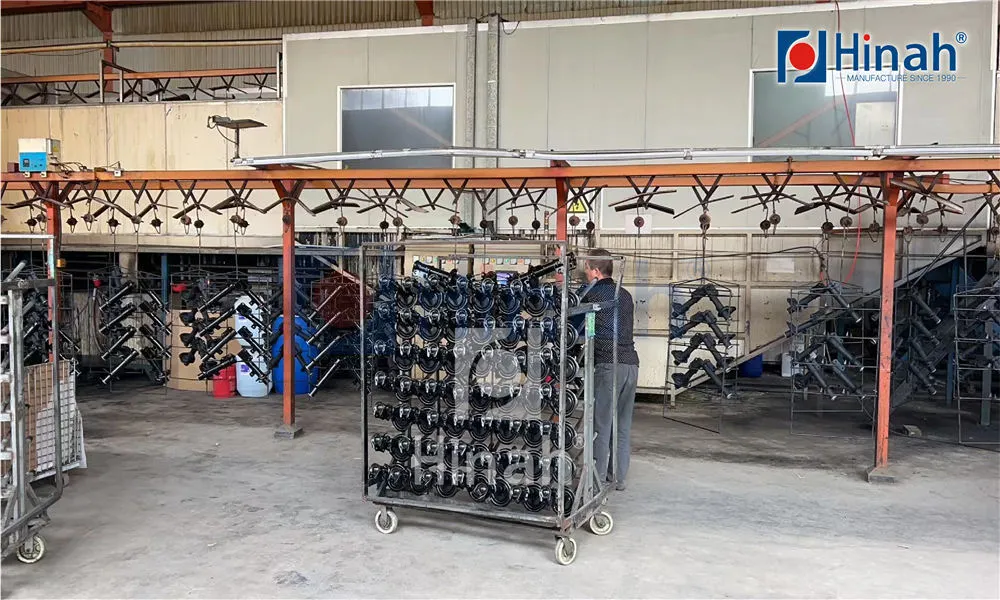
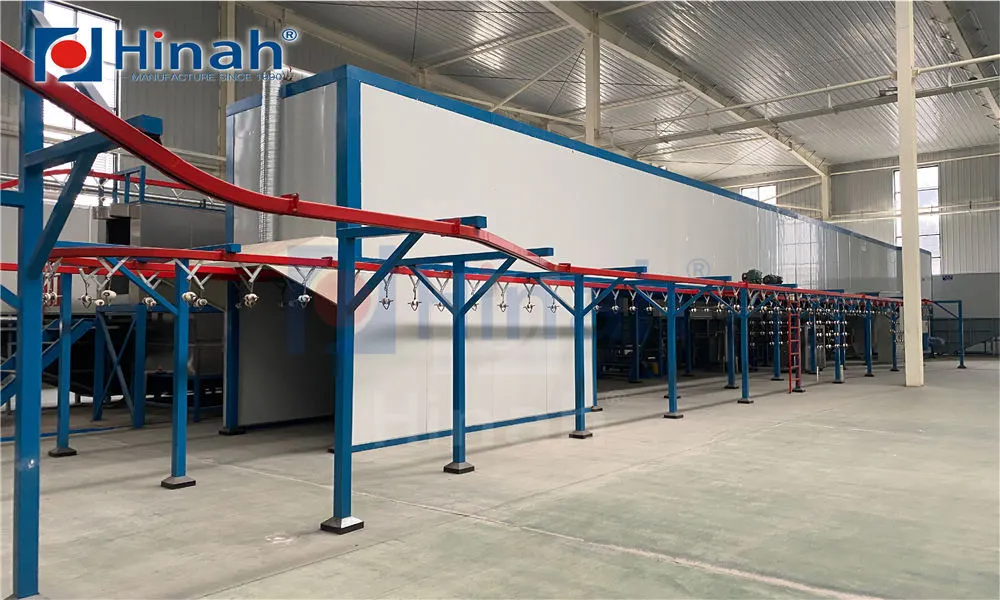
An Automated powder coating line is an integrated system where the movement of parts through the entire finishing process—pre-treatment, drying, coating, and curing—is controlled by programmable logic. It replaces human handling at most stages with conveyors, robotics, and sophisticated control software.
The core components typically include:
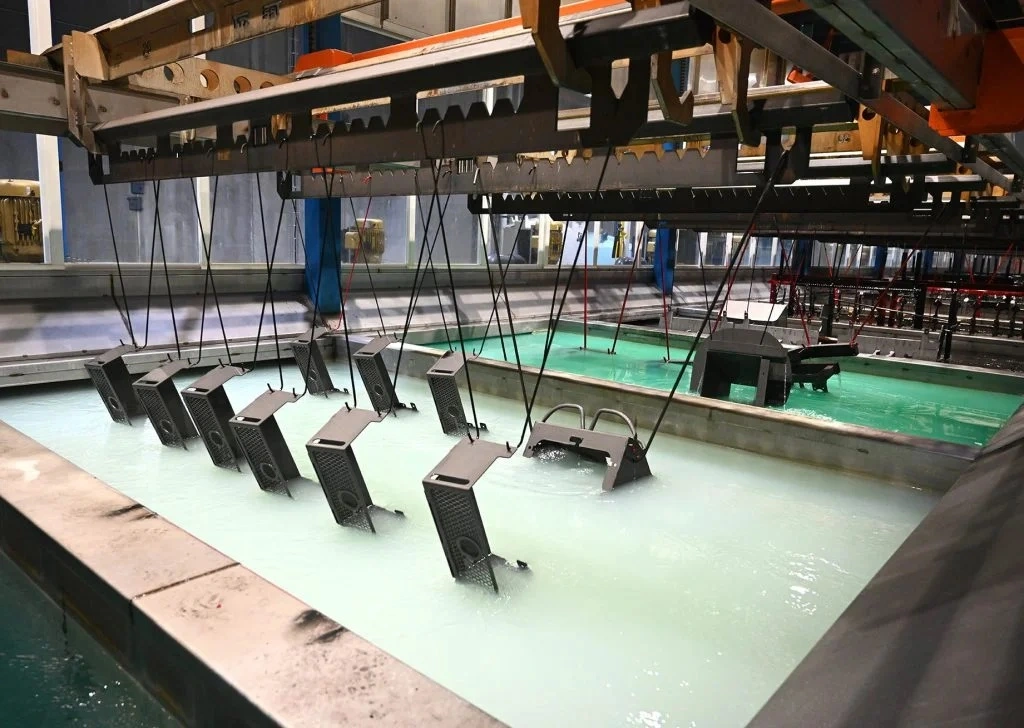
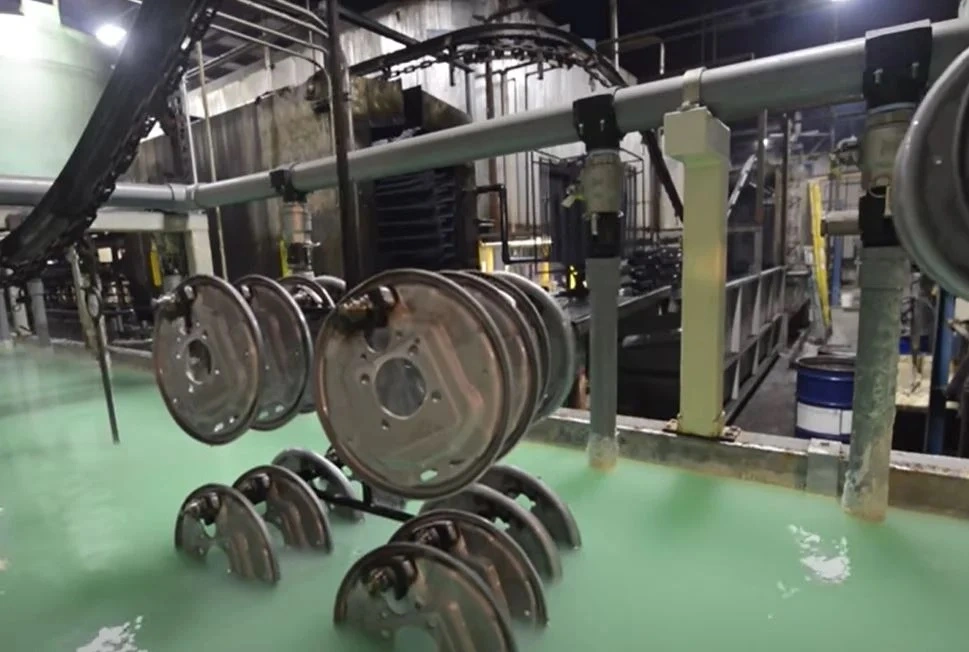
Pre-treatment Tunnel: Automated spraying or immersion of cleaning and chemical conversion stages.
Dry-Off Oven: Removes moisture before coating.
Powder Spray Booth: Features custom automatic guns mounted on reciprocators or robotic arms for precise application.
Curing Oven: Heats parts to fuse the powder into a smooth, durable finish.
Overhead Conveyor System: The “backbone” that moves parts through each stage at a controlled speed.
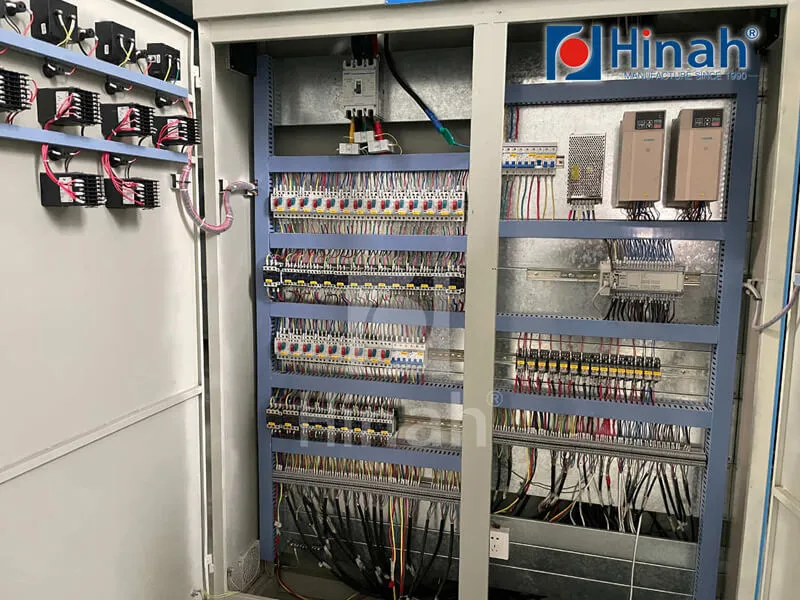
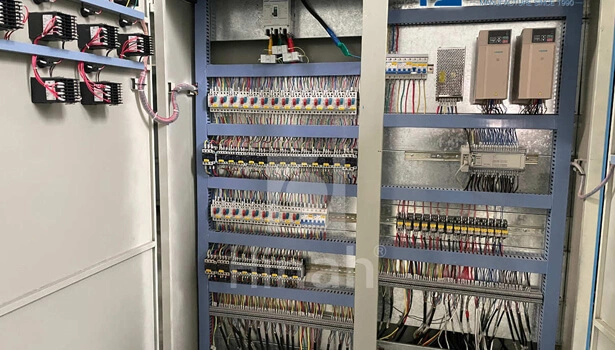
Central Control Cabinet: The brain of the operation, managing all parameters.
Why are industries rapidly adopting this technology? The benefits are substantial.
Superior Consistency and Quality: Every part receives identical treatment. Gun movement, voltage, and powder output are digitally controlled, eliminating human variability. This drastically reduces rejects and rework.
Dramatically Increased Productivity: An Automated powder coating line runs continuously. It handles higher volumes and faster line speeds, maximizing throughput. It doesn’t take breaks, leading to a significant output boost.
Significant Material Savings: Advanced recovery systems reclaim overspray powder, achieving transfer efficiencies of 95% or more. Combined with precise application, this can cut powder consumption by 30-50% compared to manual lines.
Reduced Labor Dependency and Costs: The system automates the most labor-intensive and skilled task: spraying. One operator can often manage what required several manual painters, alleviating labor shortages and reallocating staff.
Enhanced Safety and Working Environment: Operators are removed from direct exposure to powder clouds and repetitive spray motions. The closed-loop system also improves facility cleanliness.
| Feature | Manual Powder Coating Line | Automated Powder Coating Line |
|---|---|---|
| Throughput | Low to Medium | Very High |
| Coating Consistency | Variable (Operator-dependent) | Exceptional & Repeatable |
| Powder Material Usage | Higher Overspray (60-70% efficiency) | Optimal (Up to 95%+ efficiency) |
| Labor Requirement | High (Multiple skilled painters) | Low (1-2 line supervisors) |
| Flexibility for Change | High (Quick gun adjustment) | Requires Programming |
| Initial Investment | Lower | Higher (with faster ROI) |
| Ideal For | Prototypes, very large/simple parts, low volume, high mix | High-volume, repeat parts, stringent quality standards |
Automated powder coating lines are transformative for any sector requiring durable, high-quality finishes at scale.
Automotive: Wheels, brake calipers, chassis components, and accessories.
Architecture & Building Products: Window frames, aluminum extrusions, fencing, and curtain walls.
Appliances: Refrigerator racks, washer drums, oven housings, and microwave covers.
Furniture: Office furniture, shelving, and outdoor metal furniture.
Industrial & Agricultural Equipment: CNC enclosures, tractor components, and storage racks.
Selecting a system is a major capital decision. Here’s a strategic approach:
Analyze Your Current & Future Needs: Calculate your daily/weekly part volume, part dimensions (max/min), weight, and material mix. Forecast growth for the next 5-10 years.
Define Your Quality Specifications: Determine required film thickness, corrosion resistance (e.g., salt spray hours), and cosmetic standards. This dictates pre-treatment and curing needs.
Evaluate Line Configuration Options:
Conveyor Type: Overhead monorail vs. power-and-free? Monorail is simpler; power-and-free allows for accumulation and different process times.
Spray Automation: Reciprocators (for uniform parts) vs. 6-axis robots (for complex 3D geometries). Custom powder coating line designs often integrate both.
Powder Recovery: Cartridge vs. cyclone recovery? High-changeover shops benefit from quick-color-change cartridge systems.
Assess Technical Support & Supplier Expertise: Your partner is as important as the hardware. Look for a supplier with deep industry experience, a strong service network, and the ability to provide a custom automated powder coating line solution.
Calculate Total Cost of Ownership (TCO): Look beyond the initial price. Include installation, utility requirements (gas, electrical), maintenance, and the projected savings in labor and materials to model your ROI.
At HANNA, we design and build precision Automated powder coating line solutions for global industries. We understand that no two manufacturing challenges are alike.
Our approach is collaborative. We work with you to engineer a system that fits your plant layout, part geometry, and production goals perfectly. From compact custom powder coating line setups for specialized job shops to expansive, high-speed turnkey lines for OEMs, HANNA delivers reliability, efficiency, and a tangible competitive edge.
Our systems are known for robust construction, intelligent control software, and industry-leading recovery rates that maximize your powder savings.
The price of an Automated powder coating line varies widely based on size, complexity, and automation level. A basic entry-level line might start in the hundreds of thousands, while large, fully roboticized lines can reach several million dollars.
Key cost drivers include:
Line length and conveyor sophistication
Pre-treatment stages (number of tanks, heating)
Oven sizes and heating technology
Type and number of spray robots/reciprocators
Powder recovery system complexity
Degree of custom engineering required
The investment is justified by the ROI. Many facilities see a payback period of 2-4 years through labor savings, reduced waste, higher quality (fewer rejects), and increased production capacity.
Q1: What is the main difference between a manual and an Automated powder coating line?
A1: The core difference is control and handling. A manual line relies on skilled operators to physically spray each part, leading to variability. An Automated powder coating line uses programmed machinery (conveyors, reciprocators, robots) to move and coat parts with precise, repeatable motions, ensuring uniform quality and higher throughput with less labor.
Q2: Can an automated line handle different part sizes and shapes?
A2: Yes, with proper design. A well-engineered custom powder coating line can be highly flexible. Programmable conveyors adjust hanging heights, and robotic spray paths can be saved for different parts. For shops with frequent changeovers, quick-color-change booths and flexible programming are essential features to specify.
Q3: How much floor space is required for an automated system?
A3: Space needs depend entirely on throughput and process length. A continuous loop line with pre-treatment, oven, and cooling requires significant linear space. Compact “U-shaped” or “L-shaped” designs are possible for tighter facilities. A detailed layout from a supplier like HANNA is crucial during planning.
Q4: Is it possible to automate an existing manual powder coating line?
A4: In many cases, yes. Partial automation is a common and cost-effective upgrade. This often involves adding automatic powder spray guns with reciprocators or a robot inside your existing booth and integrating them with a control system. This boosts consistency and efficiency without a full line rebuild.
Q5: What is the typical lead time for a new Automated powder coating line?
A5: Lead times can range from 6 to 12+ months from order to commissioning. The timeline includes detailed engineering, manufacturing of major components, factory testing, shipment, and on-site installation. Complex custom powder coating line projects will naturally take longer than standard models.