In today’s competitive manufacturing landscape, achieving consistent, high-quality finishes while controlling costs is paramount. This is where investing in an automated powder coating line transforms from an upgrade to a necessity. Moving beyond manual, variable processes to a streamlined, repeatable system is a strategic decision that impacts your entire operation. For companies seeking durability, efficiency, and superior environmental compliance, a well-designed automated powder coating line is the cornerstone of modern finishing.
This article explores how integrating this technology can revolutionize your production floor, focusing on tangible benefits and key considerations for implementation.
The primary driver for automation is the elimination of human inconsistency. A manual spray process depends heavily on operator skill, fatigue, and technique. An automated powder coating line removes this variable.
Pre-programmed robots or reciprocators apply powder with precise patterns, speeds, and distances. Every part receives an identical coating, pass after pass. This directly reduces reject rates and rework.
Simultaneously, throughput skyrockets. The system can operate continuously at optimal speed, handling parts 24/7 if needed. Conveyor systems smoothly move parts through pre-treatment, coating, and curing stages without bottlenecks. This creates a predictable, faster production cycle.
Consistency directly translates to enhanced quality. Automated systems ensure uniform film thickness, even on complex geometries. This eliminates thin spots prone to corrosion and heavy areas that may not cure properly.
Advanced gun control minimizes overspray. Powder is directed exactly where needed. This leads to significant material savings—often 30-50% compared to manual application. The efficient use of powder is both cost-effective and environmentally sound.
Furthermore, integrated powder recovery systems capture overspray, filter it, and return usable powder to the feed hopper. This closed-loop system maximizes material utilization, making your automated powder coating line a model of efficiency.
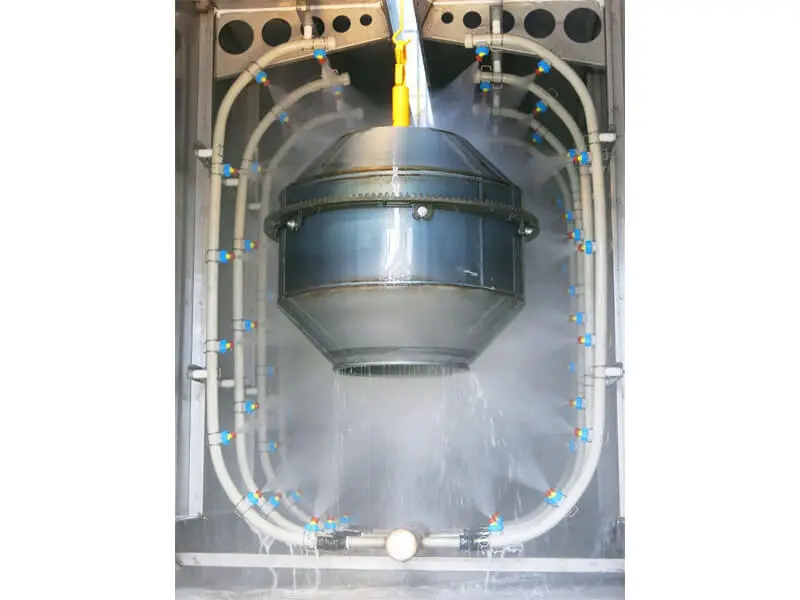
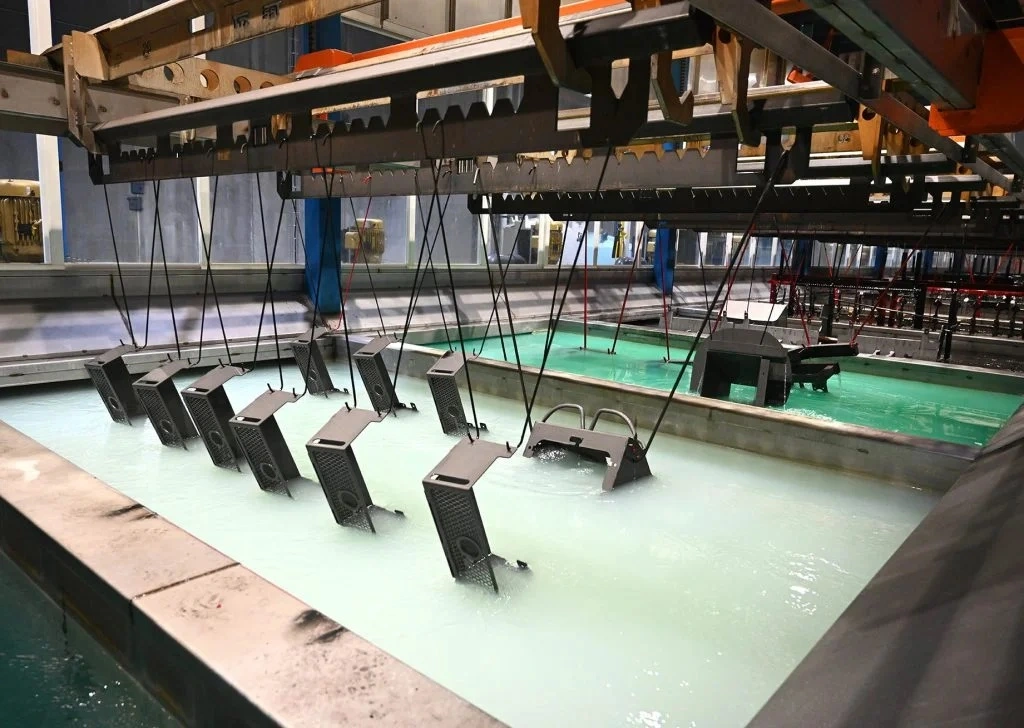
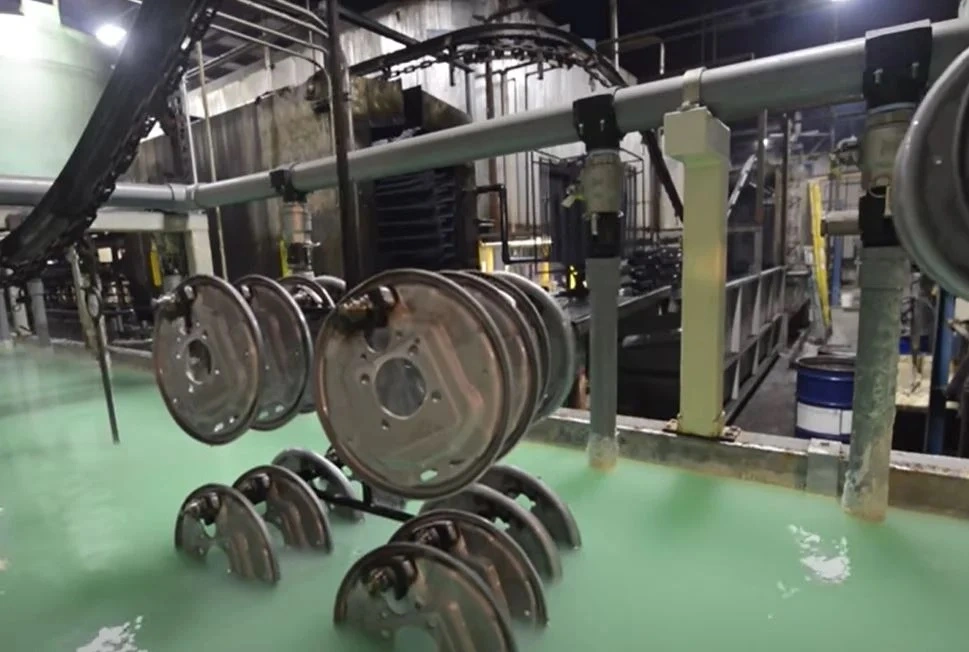
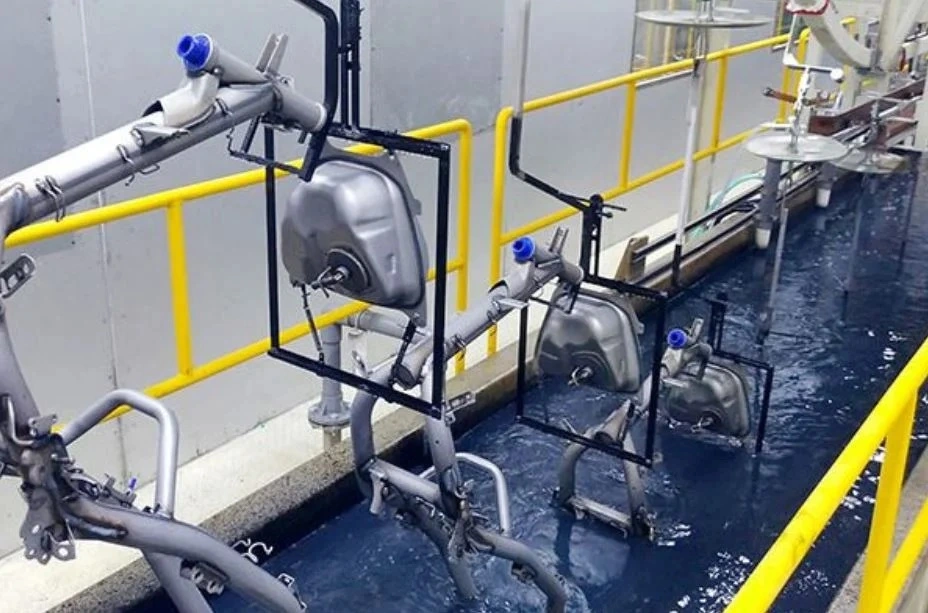
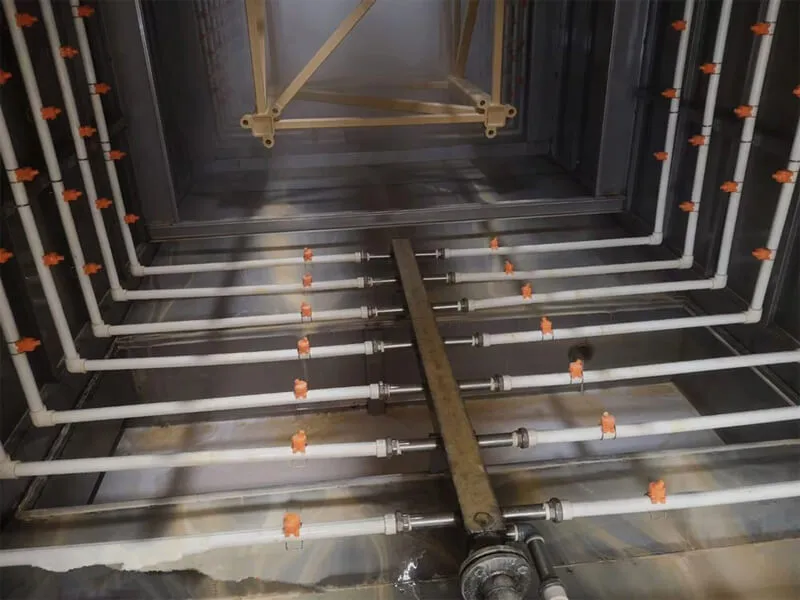
A truly effective line is more than just automated spray booths. It is a cohesive ecosystem. The process begins with automated pre-treatment stages, such as washing, rinsing, phosphating, and drying. These stages are crucial for surface preparation and adhesion.
A synchronized conveyor carries parts seamlessly from pre-treatment into the coating booth and then into the curing oven. Modern ovens feature precise temperature profiling, ensuring a perfect cure for every part. HANNA’s engineering focuses on this holistic integration, ensuring each component of the automated powder coating line communicates and functions as a single, intelligent unit.
While the initial investment is substantial, the return on investment (ROI) is compelling. Labor costs are redistributed from direct spraying to supervisory, maintenance, and programming roles. One technician can oversee a line that replaces multiple manual sprayers.
The savings in powder consumption and reduced waste disposal costs add up quickly. Lower energy consumption from efficient ovens and recovery systems further decreases operating expenses. Reduced defects mean less scrap and happier customers. Over time, an automated powder coating line becomes a major contributor to your bottom line.
Powder coating is inherently safer than liquid painting, but automation takes it further. Operators are removed from the immediate spraying environment, minimizing exposure to airborne particles. The need for extensive PPE inside the booth is reduced.
Automated systems also enhance compliance with environmental and safety regulations. Contained booths with proper airflow and filtration maintain clean air standards. Powder overspray is captured, not released. Data logging provides records of oven temperatures and line parameters for audits. This proactive compliance management is a critical benefit for modern manufacturers.
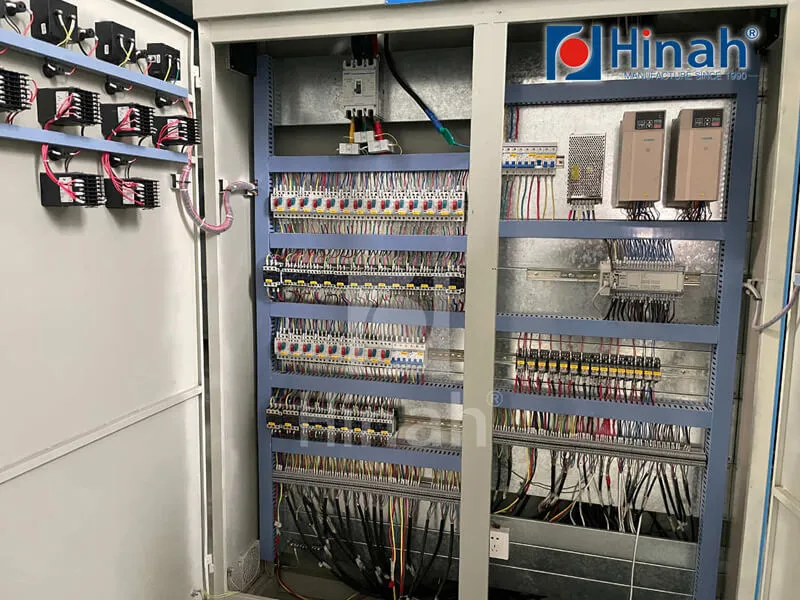
A major advantage of modern automation is data acquisition. Sensors monitor everything: conveyor speed, oven temperatures, gun voltage, and powder flow. This data is displayed on centralized Human-Machine Interfaces (HMIs).
Operators can track performance in real-time and make data-driven adjustments. Historical data allows for troubleshooting and continuous process optimization. This level of control is impossible with manual methods and is key to maintaining the integrity of your automated powder coating line.
Success hinges on partnering with an experienced provider. Not all lines are created equal. Factors like part size, mix, desired output, and facility layout require careful planning. HANNA works closely with clients to design a system that fits their unique needs, from simple monorail conveyors to sophisticated intelligent overhead systems.
Consider future flexibility. Can the line handle different part families? Is the control system adaptable? Professional support for installation, training, and ongoing maintenance is non-negotiable for maximizing uptime and performance.
Implementing an automated powder coating line is a strategic decision that positions your business for the future. It is an investment in consistent quality, operational efficiency, and sustainable growth. The benefits—from flawless finishes and reduced waste to lower operational costs and enhanced safety—deliver a powerful competitive edge.
For manufacturers ready to scale, improve, and lead in their market, the path forward is clear. A sophisticated, well-integrated automated powder coating line, like those engineered and supported by HANNA, provides the reliable, high-performance foundation required for excellence in industrial finishing.
Q1: What is the typical payback period for investing in an automated powder coating line?
A1: The payback period varies based on production volume, labor costs, and current efficiency. However, many HANNA clients see a full return on investment within 1 to 3 years. This is achieved through labor savings, drastic reductions in material waste, and increased throughput that drives higher revenue.
Q2: Can an automated line handle a high mix of different part shapes and sizes?
A2: Yes, modern lines are designed for flexibility. Using programmable logic controllers (PLCs) and robotic arms with teach pendants, spray paths can be quickly saved and recalled for different part numbers. HANNA’s systems often include customizable fixtures and programmable gun movements to accommodate complex part geometries and varied production batches.
Q3: How does powder recovery work in an automated system?
A3: Overspray powder is drawn into collectors (typically cyclone banks and cartridge filters) by a controlled airflow within the spray booth. The recovery system separates usable powder from fine particles, then automatically feeds the reclaimed powder back into the fresh powder supply. This creates a highly efficient, closed-loop process that maximizes material usage.
Q4: What kind of maintenance does an automated powder coating line require?
A4: Regular preventative maintenance is essential for peak performance. This includes daily booth cleaning, checking filter differential pressure, inspecting guns and nozzles, and ensuring conveyor chain lubrication. HANNA provides comprehensive maintenance schedules and training for in-house teams, alongside expert support services to minimize downtime.
Q5: Is it difficult to find operators trained to run an automated powder coating line?
A5: While the technology is advanced, operating it is designed to be user-friendly. The core shift is from physical spray skills to supervisory and interface management. HANNA includes extensive operator and programmer training with every installation, empowering your existing workforce to confidently run and optimize the new system. The demand is for technicians, not manual sprayers.