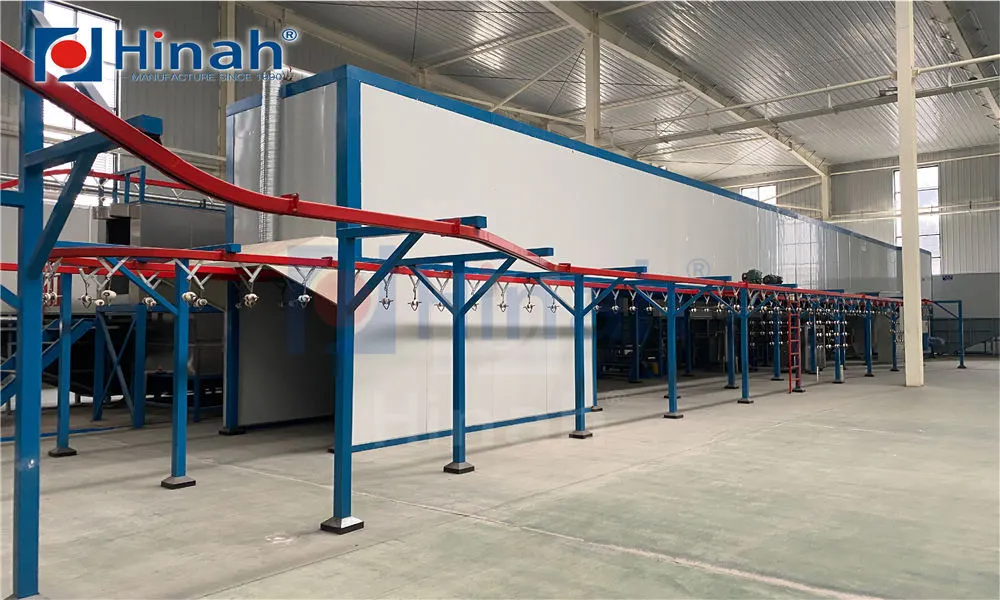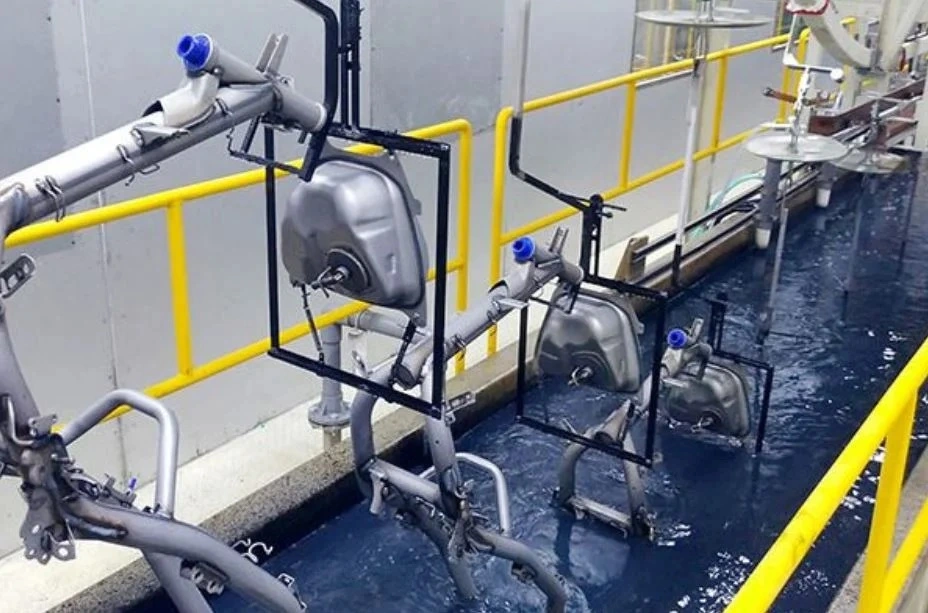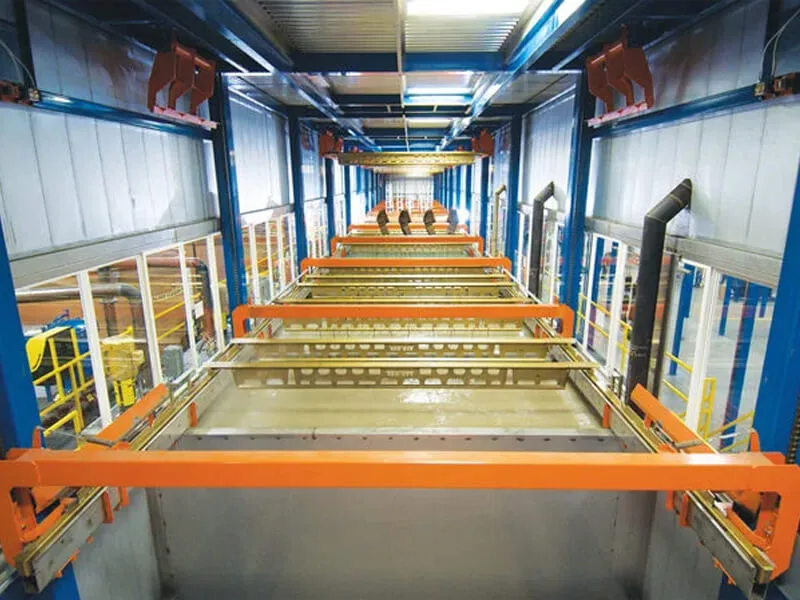

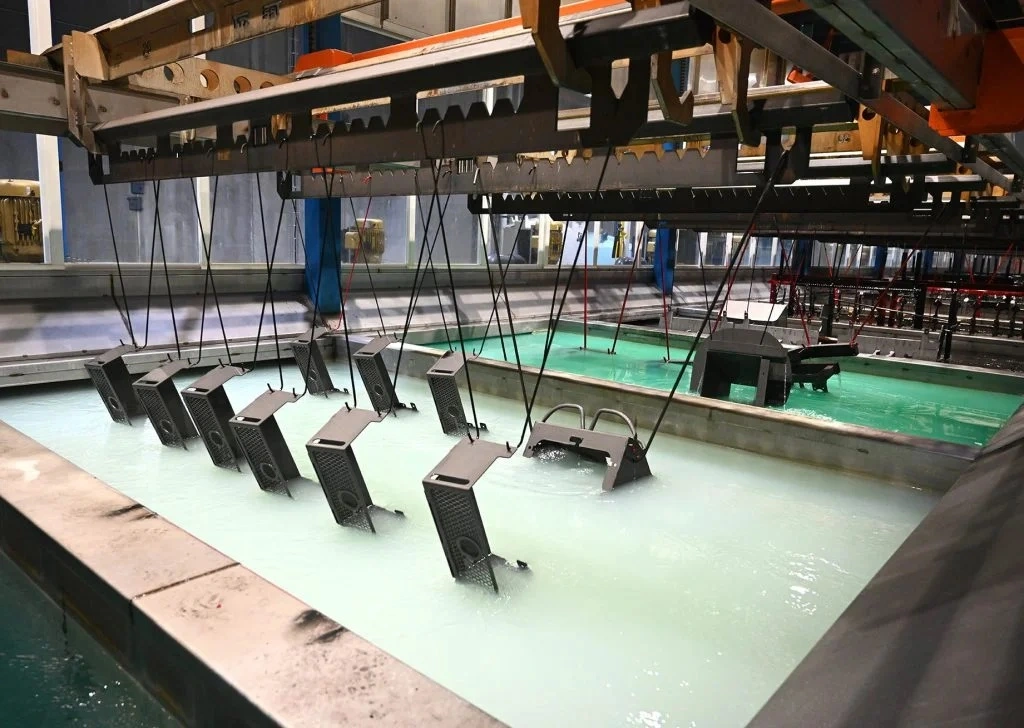
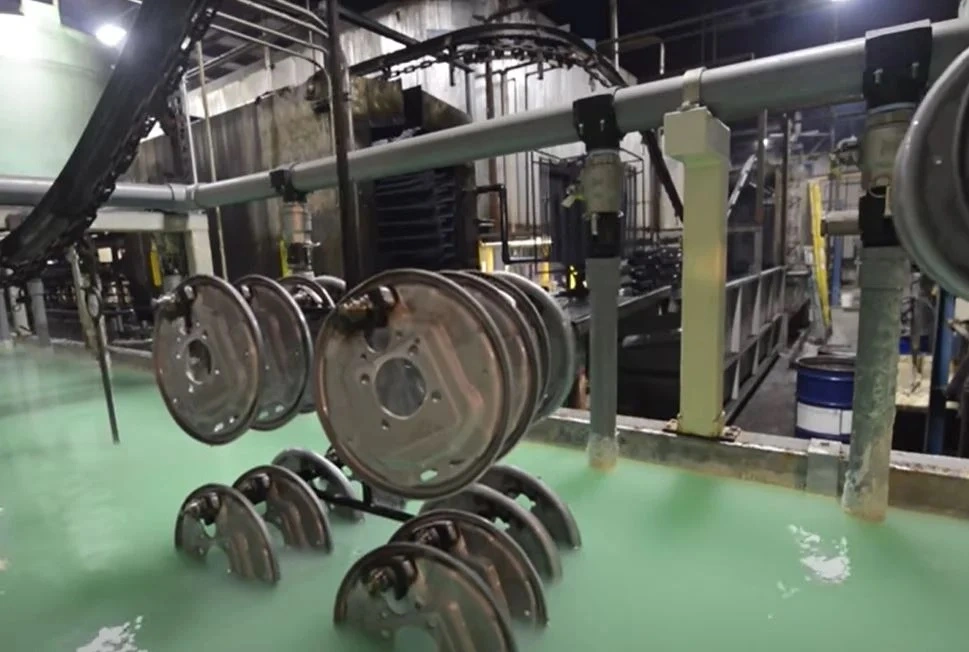
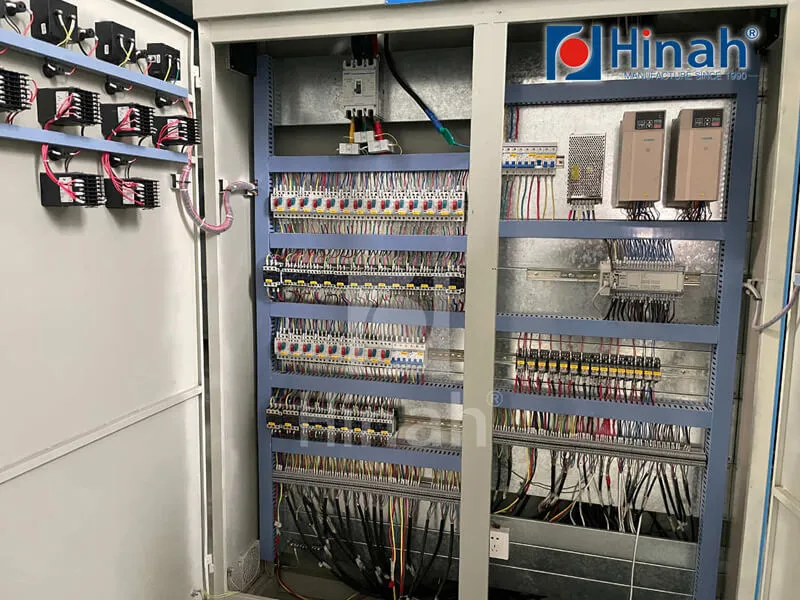

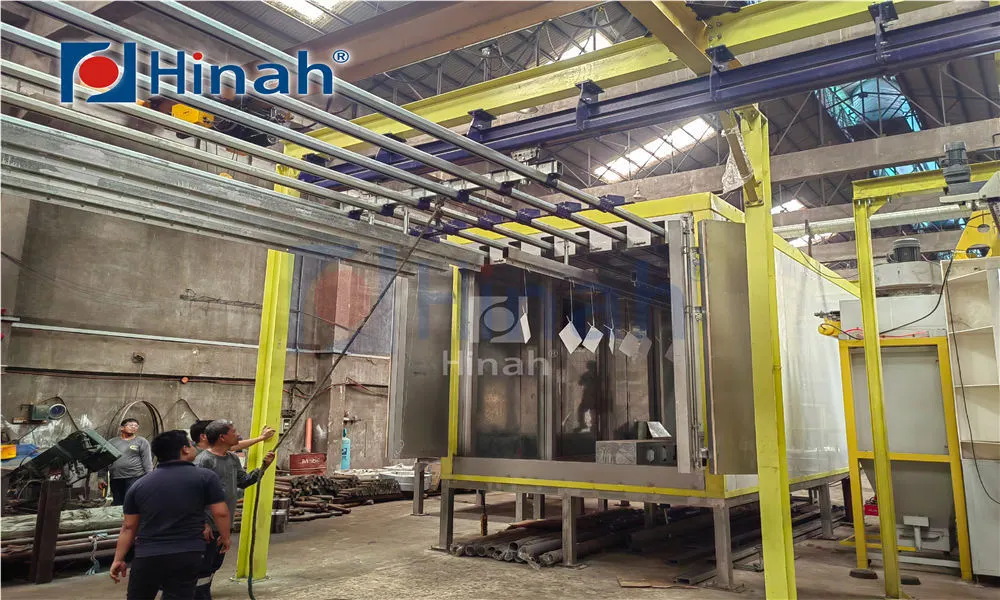
Selecting a powder coating paint booth is not about buying a metal enclosure—it is about engineering a controlled environment that maximizes first-pass transfer efficiency, minimizes cross-contamination, and complies with explosion-proof regulations. A poorly designed booth causes uneven film build, excessive powder consumption, and frequent production stops. This guide examines seven quantifiable parameters that separate high-performance booths from problematic ones, drawing from powder coating plant audits and process data.
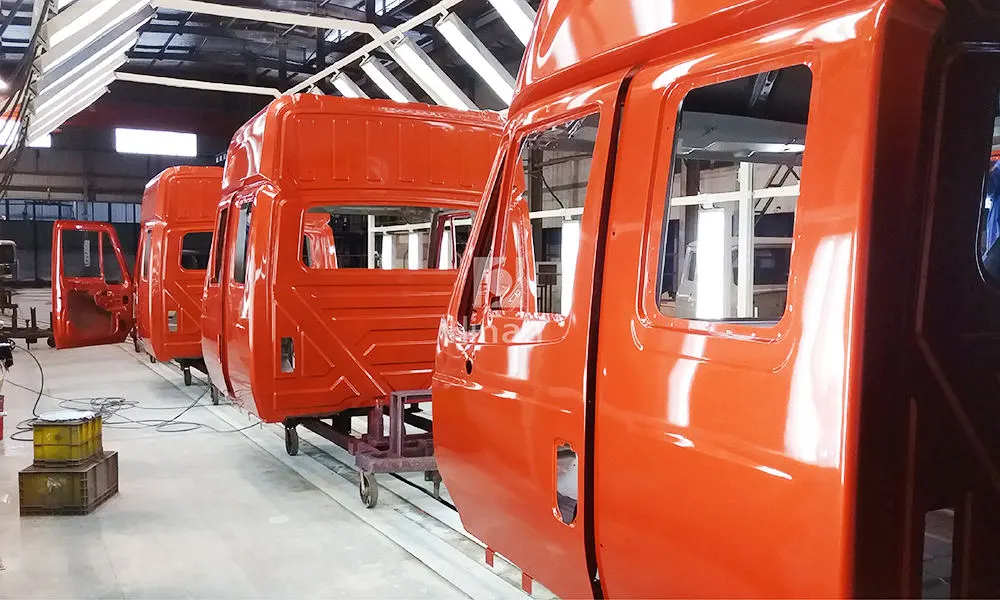
1. Airflow Velocity & Containment Design
Every powder coating paint booth relies on controlled air movement to capture overspray. Industry standards (NFPA 33, EN 12981) require face velocities of 0.5–0.8 m/s for cross-draft booths and 0.3–0.5 m/s for downdraft configurations. However, the optimal value depends on powder particle size distribution. For fine powders (D50 < 25 µm), increase face velocity to 0.7 m/s to prevent cloud escape. Key design elements include:
Perforated rear wall panels – ensure uniform air extraction across the booth width (±10% variation max).
Adjustable dampers – allow tuning for different part geometries (flat vs. complex).
Manometers – monitor differential pressure across filters; replace when ΔP exceeds 800 Pa.
HANNA engineers recommend conducting a smoke test after installation to visualize air streams, especially near openings and part entry zones.
2. Cartridge vs. Cyclone Recovery: Efficiency & Color-Change Speed
The recovery system defines both material usage and production flexibility. Two primary technologies dominate modern powder coating plant booths:
Cartridge filter booths (with pulse-jet cleaning): Achieve 99.5% recovery efficiency, ideal for single-color or low-changeover lines. Filter area per 10,000 m³/h airflow should exceed 200 m². Pulse pressure: 5–6 bar at 0.2-second bursts.
Cyclone + after-filter booths: Lower pressure drop (0.8–1.2 kPa) but higher cut point (d50 ≈ 10–15 µm). Best for reclaiming coarse powders. Color change requires cyclone purge and filter shake, typically 20–30 minutes.
For high-mix operations, consider a modular booth with movable walls and quick-release hoppers. Documented changeover times: cartridge booths with sweep-air systems achieve < 12 minutes, while cyclone booths require 25+ minutes.
3. Electrostatic Safety & Grounding Integrity
Powder coating generates electrostatic charges up to 100 kV. A poorly grounded powder coating paint booth creates ignition risks (dust explosion Class II, Division 1). Mandatory protections per NFPA 77:
Continuous grounding monitoring – resistance from booth frame to earth must stay below 1 ohm. Use dual-path grounding cables (copper braid, min 25 mm²).
Antistatic booth panels – surface resistivity ≤ 10⁶ ohms/sq to prevent charge accumulation.
Grounded spray gun holders – automatically discharge guns when parked.
Periodic verification: measure ground continuity weekly using a micro-ohmmeter. HANNA integrates ground fault interlocks that shut down powder feed if resistance exceeds 10 ohms.
4. Explosion Venting & Flame Detection Compliance
Any powder coating plant booth must comply with ATEX or NFPA 69 for deflagration venting. Required vent area is calculated as:
Av = C × (V)^(2/3) where C = 0.05 for powder with Kst ≤ 200 bar·m/s. For a 50 m³ booth, minimum vent area ≈ 2.5 m². Additional safety layers:
Flame detection (UV/IR sensors) – activate abort gates and powder shutoff within 50 ms.
Pressure relief panels – directed away from operator walkways (burst pressure 0.1–0.2 bar).
Spark detection in ductwork – for systems with powder recirculation.
Annual inspection by a certified body (e.g., FM Global, ExVeritas) is non-negotiable for insurance and legal operation.
5. Filter Loading & Pulse-Jet Cleaning Optimization
Filter efficiency directly affects booth air quality and worker safety. Cartridge filters (polyester-cellulose or nanofiber) should have a MERV 15 rating (99.97% at 0.3–0.5 µm). Optimize pulse-jet cleaning by:
Differential pressure setpoints – start pulse cleaning at 650 Pa, stop at 350 Pa.
Sequential valve timing – 100 ms pulse duration, 10-second interval between valves.
Moisture-free compressed air (dew point ≤ -40°C) to prevent filter blinding.
Replace cartridges when post-pulse residual ΔP exceeds 500 Pa or when visible dust penetration occurs. Typical lifespan: 1,500–2,000 operating hours for nanofiber media.
6. Color Change Protocol & Contamination Risk Mitigation
Frequent color changes are a major pain point. A well-designed powder coating paint booth reduces changeover time through:
Acoustic cleaning horns – mounted on hopper walls to dislodge powder residue (6–8 bar air pulses).
Removable floor plates and hopper carts – swap out entire powder collection unit in under 5 minutes.
Color-dedicated spray gun sets – quick-disconnect couplings for powder hoses and air lines.
Industry benchmark: A 20-minute color change is considered efficient for non-metallic powders; metallic/effect powders require 35–45 minutes due to higher residue adherence. Use a swab test (white cloth rubbed on booth walls) to verify no visible cross-color.
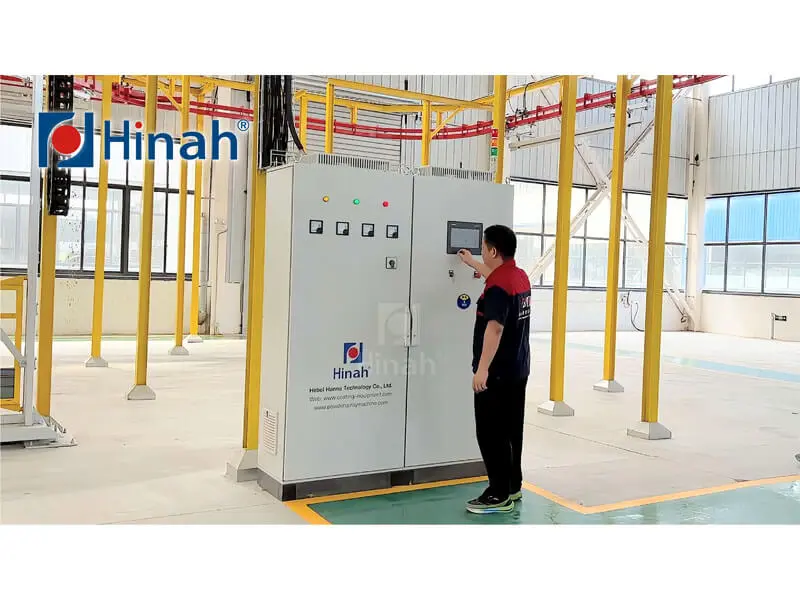
7. Integration with Curing Oven & Conveyor Synchronization
The booth does not operate in isolation. For a complete powder coating plant, the booth’s extraction airflow must be balanced with oven air intake to avoid negative pressure that pulls unfiltered air from the coating area. Key integration points:
Conveyor speed matching – booth indexing sensors trigger automatic gun reciprocation based on part presence.
Interlocked PLC controls – oven burner shuts down if booth exhaust fan fails (prevents backflow of solvent or heat).
Air makeup units – condition incoming air to 20–25°C, 45–55% RH to stabilize powder charging.
HANNA provides turnkey integration, including booth-to-oven transfer zones with blow-off stations to remove excess powder before curing, reducing rejects due to heavy edges.
Case Study: Improving First-Pass Yield from 82% to 96%
A Tier 1 automotive supplier operated a powder coating paint booth with inconsistent airflow (face velocity ranging 0.4–0.9 m/s). HANNA conducted a full audit and implemented:
Replacement of worn damper actuators with VFD-controlled fans.
Installation of a nine-point anemometer grid for real-time velocity monitoring.
Upgrade to nanofiber cartridges (increase filter area by 40%).
Results: First-pass yield rose to 96.2%, powder consumption dropped 14% (saving $47,000 annually), and color change time reduced from 38 to 22 minutes. The payback period was 8 months.
Frequently Asked Questions (FAQ)
Q1: What is the minimum airflow velocity required for a powder
coating paint booth to meet safety standards?
A1: According to NFPA
33, cross-draft booths must maintain 0.5 m/s (100 ft/min) face velocity at all
openings. Downdraft booths require 0.3–0.5 m/s. However, for fine powders
(<25 µm) or high electrostatic charging, increase to 0.7 m/s to prevent
overspray escaping the booth envelope. Measure velocity annually with a hot-wire
anemometer at nine grid points.
Q2: How often should I replace cartridge filters in my powder coating
booth?
A2: Replace when differential pressure exceeds 800 Pa after a
pulse-jet cleaning cycle, or when visible dust penetrates downstream. For
nanofiber cartridges in a 2-shift operation, typical lifespan is 1,500–2,000
hours. Keep spare cartridges in stock to avoid unplanned downtime. Always follow
the manufacturer’s torque specifications for filter housing clamps.
Q3: Can I convert an existing liquid paint booth to powder
coating?
A3: Not recommended without major modifications. Liquid
booths lack explosion venting (powder is combustible), have incompatible
filtration (paper vs. cartridge), and often use conductive materials that
attract powder. Conversion typically requires new fan motors (explosion-proof),
full grounding system, and cartridge filter module. Cost-wise, a new powder coating
paint booth is often more economical and safer.
Q4: Why does my booth show powder accumulation on the ceiling and
floor?
A4: This indicates poor airflow distribution. Possible
causes: (a) blocked lower extraction grilles, (b) incorrect damper settings, (c)
fan belt slippage reducing CFM. Perform a smoke tracer test. The smoke should
move horizontally toward the rear extraction plenum without rising to the
ceiling. Adjust dampers until you achieve a laminar flow pattern. Also check if
the booth is over-pressurized relative to the room (maintain slight negative
pressure of 2–5 Pa).
Q5: What are the signs that my booth’s pulse-jet cleaning system is
failing?
A5: Key indicators: (a) differential pressure remains high
(>700 Pa) after pulsing, (b) visible powder puffs from exhaust stack, (c)
audible valve chattering (stuck diaphragm). Measure compressed air pressure at
the manifold – must be 5–6 bar. Also check for moisture in air lines (use a dew
point meter; above -20°C indicates dryer issues). Rebuild valves annually with
new diaphragms and springs.
Request a Performance Audit for Your Powder Coating Booth
Every powder coating paint booth loses efficiency over time due to filter loading, damper drift, and wear. A professional audit quantifies transfer efficiency, identifies airflow dead zones, and provides a retrofit roadmap with clear ROI. HANNA offers on-site booth evaluation using laser particle counters, thermal anemometers, and ground resistance testers. Receive a customized report with recommended upgrades, filter replacement schedule, and safety compliance checklist.
Send your booth dimensions and production volume for a free preliminary analysis → Submit an inquiry to our engineering team (Response within 24 hours).