
Choosing the right paint line conveyor system is a pivotal decision for any manufacturing operation involving coating, especially in the competitive field of powder coating. The conveyor is the backbone of your finishing line, directly impacting efficiency, quality, and total cost of ownership.
This guide will walk you through the essential types, considerations, and advancements in paint line conveyor systems to help you make an informed choice for your facility.
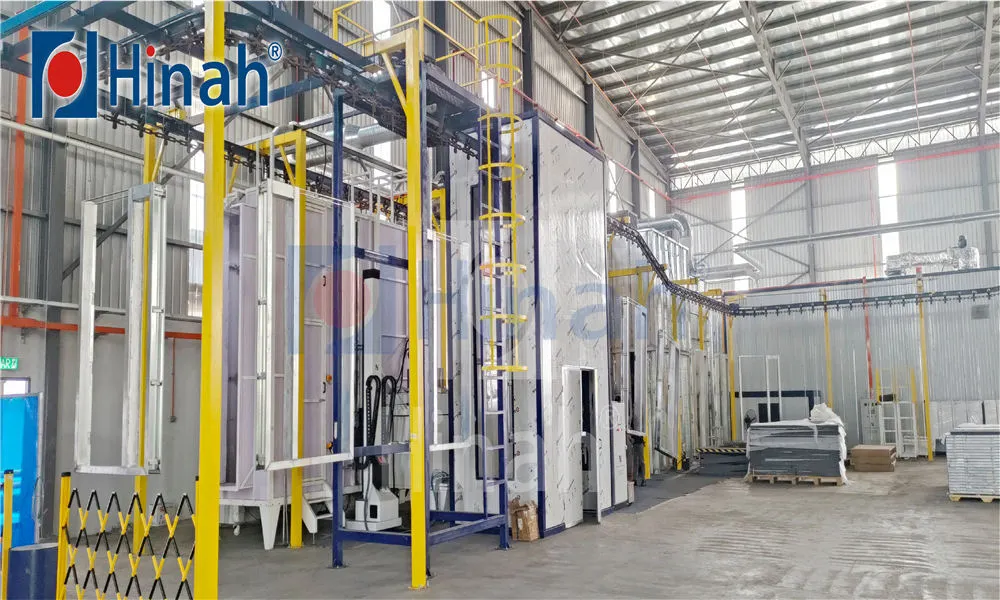
Not all conveyor systems are created equal. The optimal choice depends on your product mix, throughput, and facility layout.
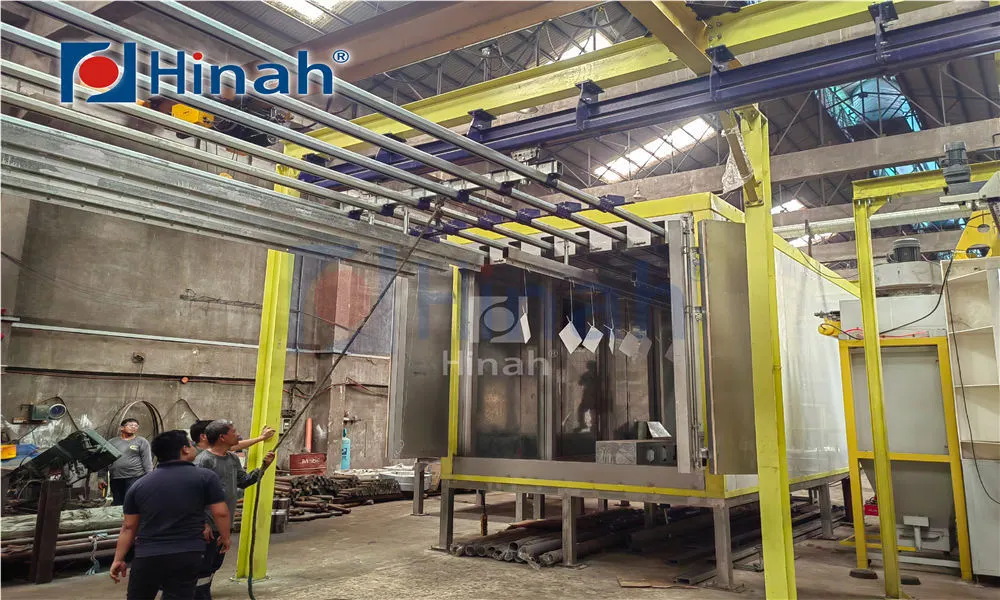
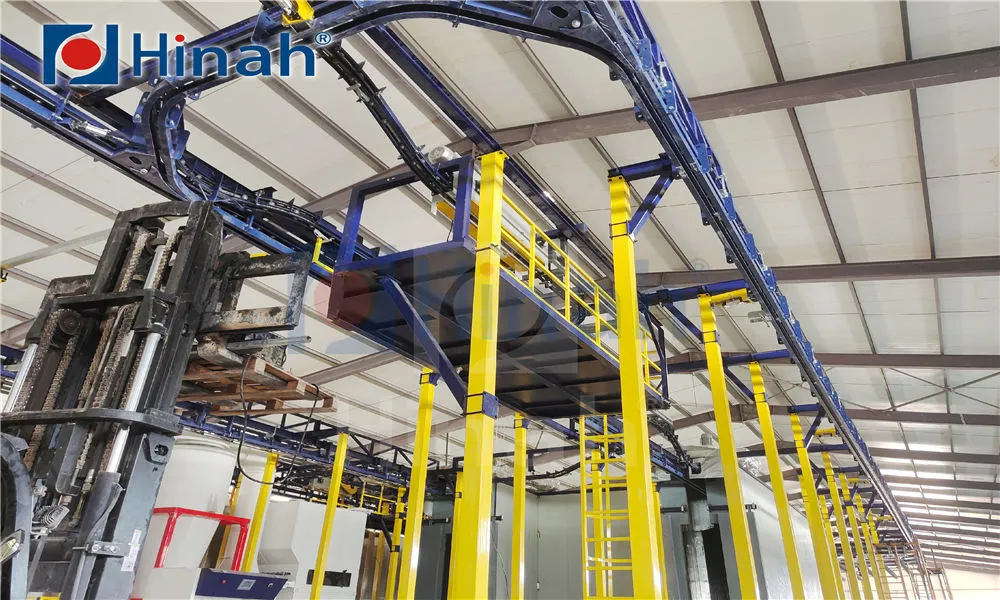
Overhead Monorail Conveyors: The most common type. I-beams or enclosed tracks run overhead, with carriers transporting parts through cleaning, pretreatment, spraying, and curing stages. Ideal for high-volume production of varied part sizes.
Overhead Power & Free (P&F) Conveyors: Offer more control. They allow for stopping, accumulating, and re-sequencing parts. Perfect for complex lines with different process times or where selective routing is needed.
Floor Conveyors (Tow Chain & Skid Systems): Excellent for extremely heavy or large items, like automotive frames or construction equipment. The chain runs in a floor channel, pulling wheeled carts (skids) that carry the products.
Continuous vs. Indexing Systems: Continuous systems move at a steady pace, while indexing systems move, then stop at each station for precise application. The choice affects transfer efficiency and line speed.
Your specific coating process dictates the conveyor system requirements.
For Powder Coating Lines: Systems must handle high heat (up to 450°F/232°C in curing ovens) and potential powder exposure. Cleanability and minimal horizontal surfaces (to prevent powder accumulation) are critical. A well-designed custom paint line conveyor system can minimize powder loss and improve reclaim efficiency.
For Liquid Paint Lines (Wet Spray): Corrosion resistance is paramount due to moisture and chemicals. Systems often incorporate drip pans and easy-clean features to manage overspray and cleaning fluids.
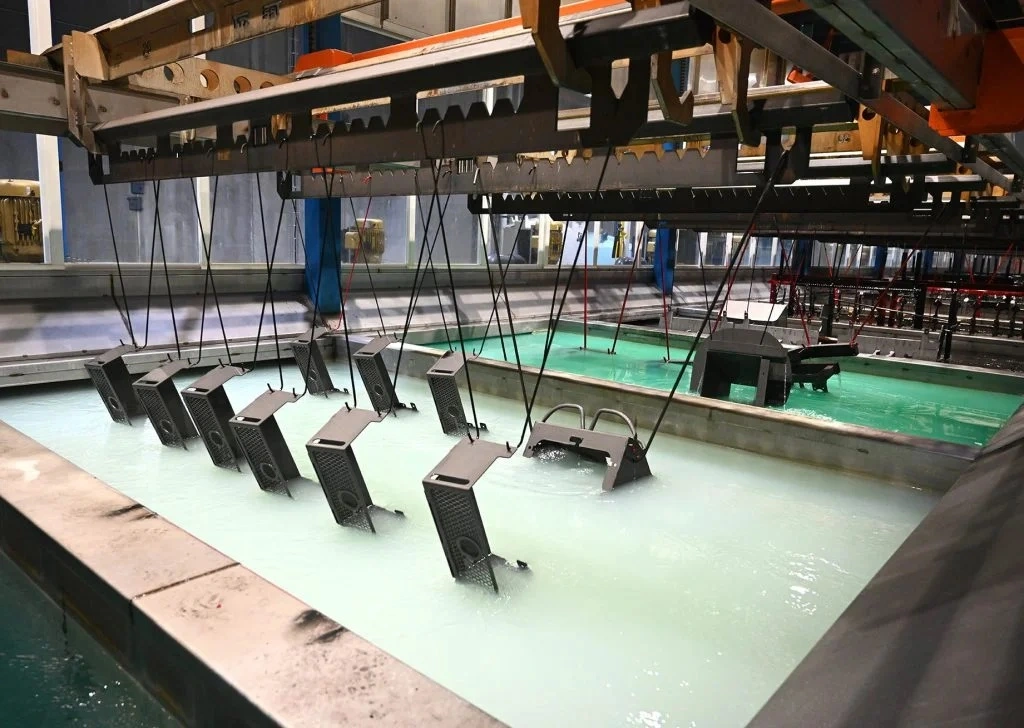
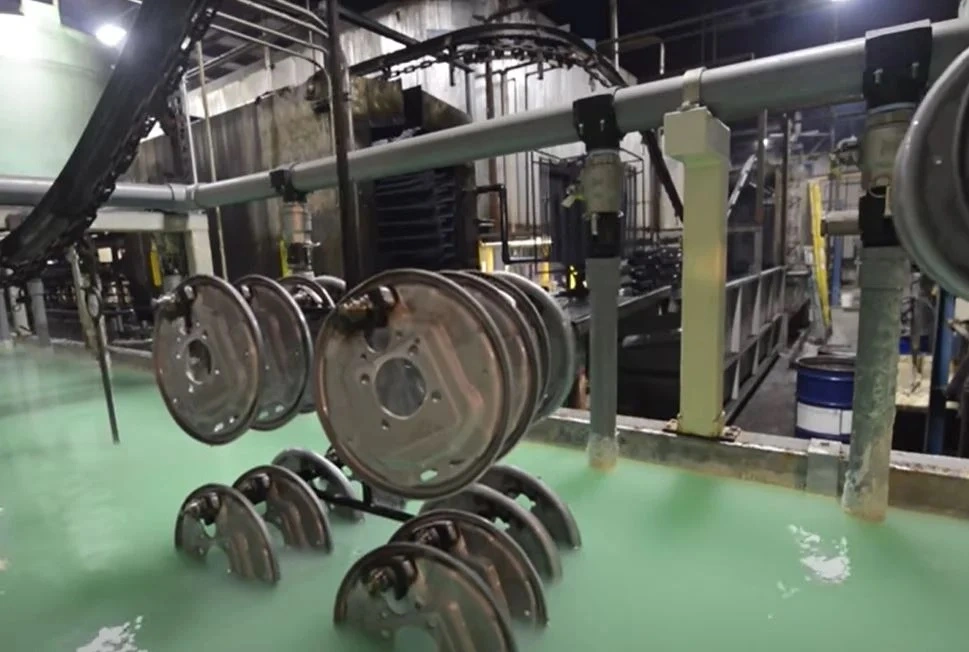
For E-Coat (Electrocoating) Lines: The conveyor must electrically isolate parts and carriers from the track to allow the electrodeposition process. Non-conductive trolley wheels or hooks are standard.
Modern paint line conveyor systems are far from simple chains. Advanced technologies are driving efficiency.
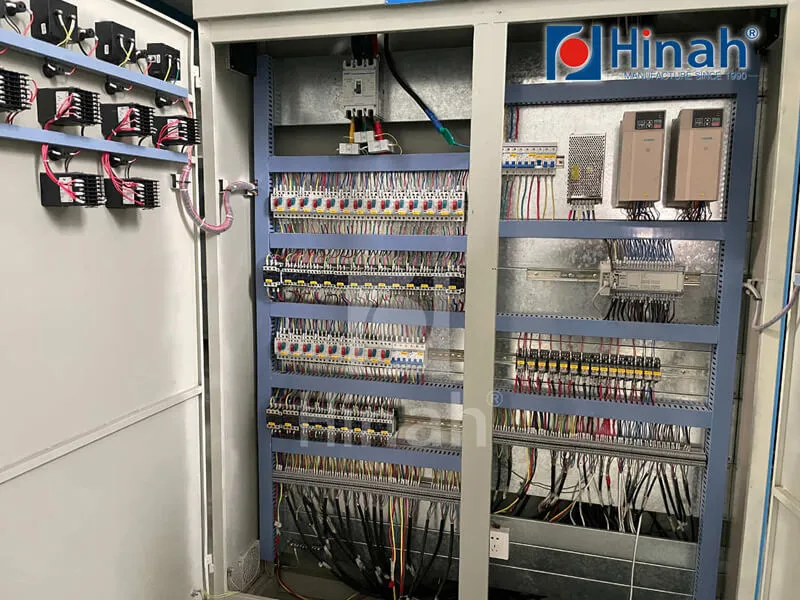
Energy Efficiency: Variable frequency drives (VFDs) optimize motor speed, reducing energy consumption during low-load periods. Insulated oven vestibules prevent heat loss.
IoT & Smart Monitoring: Sensors track carrier position, monitor chain tension, and predict maintenance needs. This data integration minimizes unplanned downtime and optimizes workflow.
Clean & Lean Design: In powder coating, advanced carrier designs and closed-track systems drastically reduce lubricant contamination and particulate shedding, leading to higher first-pass transfer efficiency (FPTE) and film quality.
The cost of a paint line conveyor system is a significant investment. Consider these factors:
Initial Capital Cost: Includes the conveyor structure, drives, controls, and installation. Custom paint line conveyor systems will have a higher upfront cost than standard modular systems but offer better long-term fit.
Operational Costs: Factor in energy consumption, preventive maintenance, spare parts, and lubricants (for chain systems). A more efficient system may cost more initially but save substantially on utilities.
Return on Investment (ROI): A reliable, fast, and flexible system reduces labor costs, minimizes rework and scrap, and increases throughput. Calculating ROI should include these productivity gains, not just equipment cost.
For over 40 years, HANNA has been at the forefront of finishing technology. We don’t just sell conveyors; we engineer integrated solutions.
Our expertise lies in designing and building robust, custom paint line conveyor systems tailored to your specific product mix and production goals. Whether you need a high-speed monorail for consumer goods or a heavy-duty power & free system for industrial equipment, HANNA provides the engineering support, premium components, and lifecycle service to ensure your finishing line is a lasting asset.
We focus on building systems that maximize uptime, minimize energy use, and deliver the consistent quality your customers demand.
Q1: What is the typical lifespan of a well-maintained paint line conveyor system?
A1: A high-quality, professionally maintained paint line conveyor system can last 15 to 25 years or more. Key factors include the operating environment (corrosive vs. clean), load capacity, and adherence to a strict preventive maintenance schedule. Regular lubrication, inspection, and timely replacement of wear parts are essential.
Q2: Can I retrofit an existing conveyor system to increase speed or capacity?
A2: Often, yes. Retrofits can include upgrading drive motors, adding more carriers or hooks, or implementing advanced control software. However, the feasibility depends on the original design's structural limits. A consultation with an expert like HANNA can determine if a retrofit is cost-effective versus a new system.
Q3: How do I choose between a standard and a custom paint line conveyor system?
A3: Standard systems work for common, simple applications with uniform products. A custom paint line conveyor system is recommended if you have unique part geometries, complex process flows (like multiple coating colors), space constraints, or require future flexibility. Customization optimizes material handling and process efficiency for your exact needs.
Q4: What are the biggest maintenance challenges with these systems?
A4: The primary challenges are wear on chains and trolley wheels, lubricant management (especially in powder environments), and buildup of coating overspray on carriers. Implementing automated lubrication systems and using carrier designs that are easy to clean can significantly reduce maintenance labor and downtime.
Q5: How does the conveyor system impact my powder coating transfer efficiency?
A5: Significantly. A stable, vibration-free conveyor ensures consistent gun-to-part distance. Advanced carriers and clean systems prevent foreign contaminants from falling onto coated parts. Furthermore, a well-designed system's speed control ensures parts spend the optimal time in the spray zone, directly influencing how much powder adheres efficiently versus being wasted.