
A powder coating plant represents a significant investment in surface finishing capability. For manufacturers across automotive, architectural, and general industrial sectors, the efficiency and quality of this plant directly impact product durability, cost per part, and environmental compliance. This article provides a technical examination of modern powder coating plant design, from pretreatment innovations to curing oven optimization, and addresses the engineering challenges that operators face daily. We will also explore how industry leaders like HANNA are setting new benchmarks in turnkey finishing systems.
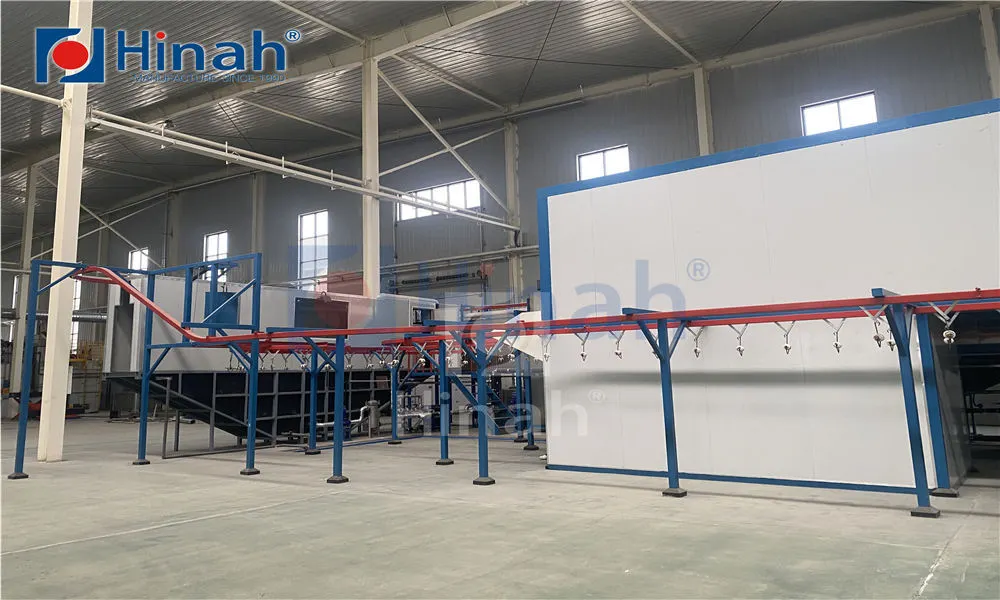
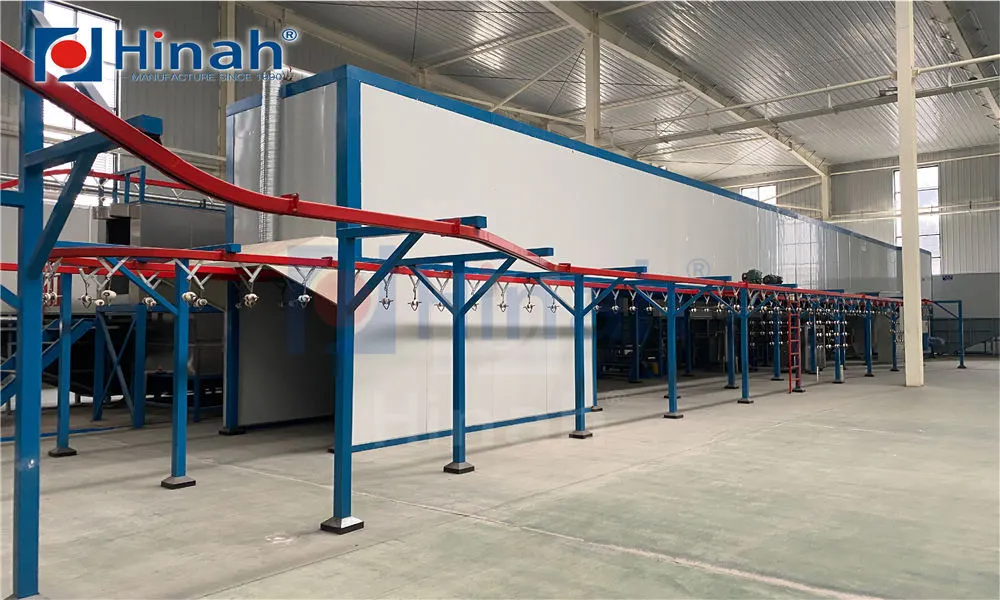
A world-class powder coating plant is much more than a spray booth and an oven. It is an integrated system where each subsystem must perform in perfect synchronization. The primary modules include:
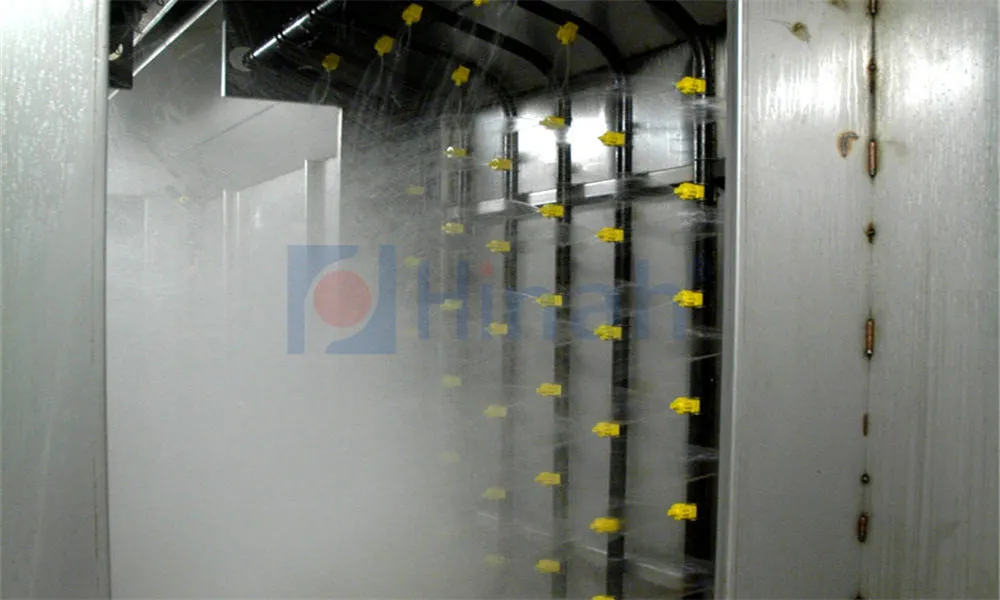
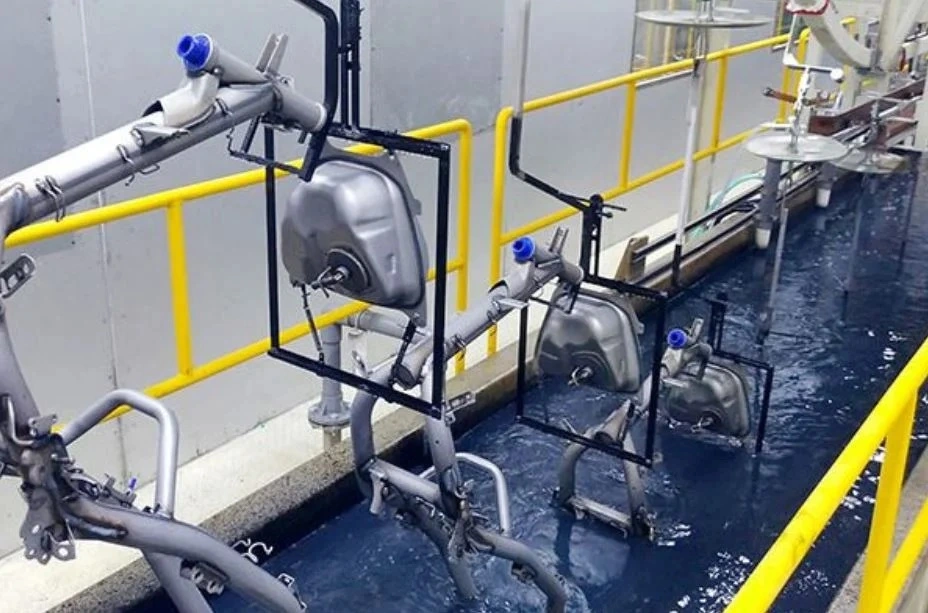
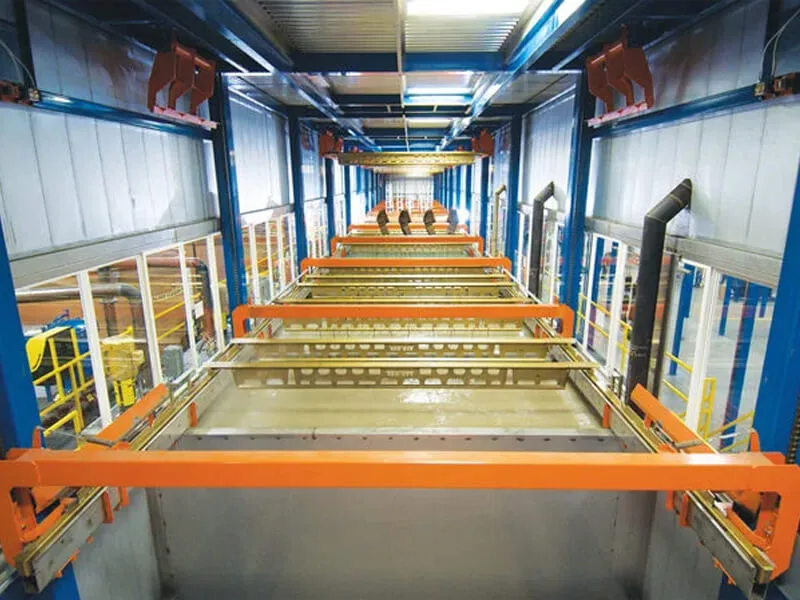
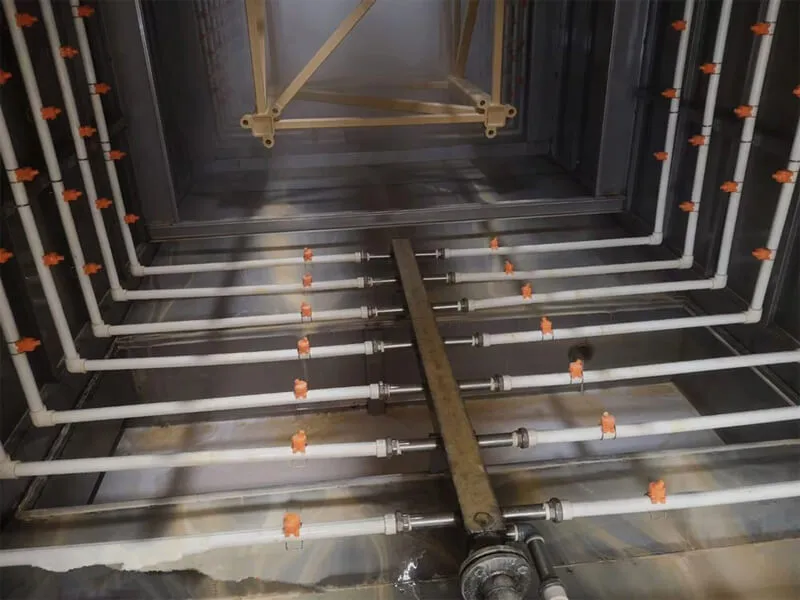
Pretreatment Line: Typically a multi-stage process including cleaning, degreasing, and conversion coating (such as iron or zinc phosphate, or chrome-free alternatives). Modern plants utilize zirconium-based pretreatment to reduce energy consumption and eliminate heavy metals.
Dry-Off Oven: Removes moisture after pretreatment, ensuring the substrate is perfectly dry before powder application.
Powder Application Booths: Equipped with corona or tribo charging guns. State-of-the-art booths feature quick-color-change (QCC) systems with self-cleaning mechanisms and high-efficiency cyclones for powder recovery.
Recovery System: Cyclones and cartridge filters work in tandem to reclaim overspray powder, achieving material utilization rates exceeding 95%. This closed-loop approach is both economical and environmentally sound.
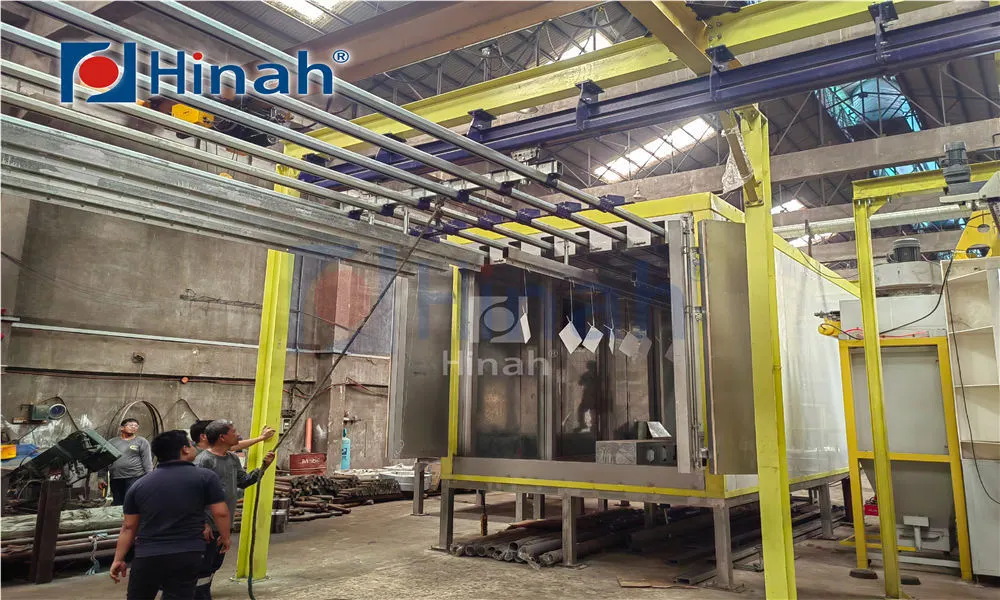
Curing Oven: Can be convection, infrared, or a combination. Precise temperature control and uniform heat distribution are critical for achieving correct cross-linking and film properties.
Material Handling System: Overhead conveyors (power-and-free or monorail) with variable speed drives ensure consistent line density and process timing.
Each component must be engineered to handle specific part geometries, production volumes, and coating specifications. A mismatch in any stage can create bottlenecks and quality defects.
Optimizing a powder coating plant requires a deep understanding of key process parameters. Transfer efficiency (TE) is influenced by gun voltage, powder particle size distribution, and airflow patterns inside the booth. Operators must monitor film thickness meticulously; typical target ranges are 60-80 microns for architectural finishes and 50-100 microns for protective industrial coatings.
Energy consumption is a major operational cost. High-efficiency recuperators in curing ovens can recover waste heat, reducing gas consumption by up to 20%. In the pretreatment section, counter-flow rinsing minimizes water usage and chemical drag-out. Modern plants increasingly adopt PLC-based control systems with SCADA interfaces, allowing real-time monitoring of temperature, line speed, and powder consumption. Data analytics can predict maintenance needs, such as filter replacement or nozzle cleaning, preventing unplanned downtime.
Investing in a dedicated powder coating plant provides strategic advantages across diverse sectors:
Automotive Components: Wheels, chassis parts, and engine components require corrosion resistance and chip resistance. In-house plants allow just-in-time finishing and strict quality control.
Architectural Aluminum: Extrusions for windows, doors, and curtain walls demand weatherability and color consistency. Plants must handle long profiles and comply with standards like Qualicoat or AAMA.
Appliances and Electronics: Refrigerator panels, washing machine lids, and server racks benefit from the durable, scratch-resistant finish that powder coating provides.
General Industrial: Agricultural equipment, electrical cabinets, and furniture all rely on powder coating for protection and aesthetics.
Even well-designed powder coating plant face hurdles. Below are frequent pain points and how engineering addresses them:
Manual cleaning of booths and feed hoses can take 20-40 minutes per color, drastically reducing OEE. Solution: Implementing a cyclone-equipped booth with a dedicated color module and automatic purge valves can cut changeover time to under 5 minutes. HANNA integrates such QCC technology in their plants, enabling high-mix production.
Variations in part geometry or line speed can cause thin edges or heavy deposits. Solution: Employing reciprocators with programmable gun positioning and closed-loop gun control (adjusting voltage and powder flow based on part sensing) ensures uniform coating.
Under-curing leads to soft films; over-curing causes discoloration and brittleness. Solution: Continuous oven profiling using data loggers and adjusting zone temperatures accordingly. Also, verifying pretreatment quality with simple water-break tests.
Dirt or foreign particles cause pinholes and surface imperfections. Solution: Strict housekeeping, positive-pressure clean rooms around the booth, and using high-quality, sieved powder.
The future of the powder coating plant is smart and green. Industry 4.0 concepts are being applied through:
Predictive Maintenance: Vibration sensors on fans and conveyors alert operators before failures occur.
Digital Twins: Simulation software models the entire coating line, allowing virtual testing of new part designs or process changes without interrupting production.
Energy Monitoring: IoT-enabled meters track electricity, gas, and compressed air usage per part, enabling targeted efficiency improvements.
Environmentally, the shift toward low-cure powders (curing at 120-150°C) and bio-based powder resins reduces carbon footprint. Furthermore, closed-loop water treatment in pretreatment sections eliminates effluent discharge, aligning with zero-liquid discharge (ZLD) goals.
Choosing an integrator for your powder coating plant is a strategic decision. Beyond price, evaluate:
Process Expertise: Does the vendor understand your specific substrate (steel, aluminum, galvanized) and required standards?
Customization Capability: Can they design for your available floor space, part mix, and future expansion?
After-Sales Support: Spare parts availability, remote diagnostics, and local service engineers are vital.
References: Visit existing installations to see system performance and speak with operators.
Companies like HANNA have built a reputation for delivering turnkey powder coating plants that balance cutting-edge technology with practical operability. Their systems are designed to minimize energy use while maximizing uptime and coating quality.
In conclusion, a modern powder coating plant is a complex, high-value asset. By understanding the interplay between pretreatment, application, and curing, and by leveraging innovations in automation and sustainability, manufacturers can achieve superior finish quality, lower cost per part, and compliance with stringent environmental regulations. Whether upgrading an existing line or building a new facility, partnering with an experienced integrator like HANNA ensures that your investment delivers long-term competitive advantage.
Q1: What is the typical lifespan of a powder coating plant?
A1: With proper maintenance, the mechanical components of a powder coating plant (ovens, conveyors, booths) can last 20-30 years. However, control systems and powder application technology may require upgrades every 10-15 years to stay competitive in efficiency and quality.
Q2: How much floor space is required for a small-scale powder coating plant?
A2: A compact batch system, suitable for job shops, can fit in as little as 500-800 square feet. However, a continuous inline plant for high-volume production may require 5,000 square feet or more, depending on part size and line speed.
Q3: What are the main safety considerations in a powder coating plant?
A3: Powder coating plants handle fine combustible dust, so explosion-proof electrical equipment, proper grounding, and dust collection systems are mandatory. Additionally, operators must use personal protective equipment (PPE) and ensure adequate ventilation in the booth area.
Q4: Can a powder coating plant handle both small and large parts efficiently?
A4: Yes, but it requires careful design. A plant with adjustable hanging centers, programmable gun positioning, and variable line speed can accommodate a wide mix. Some plants use a combination of manual touch-up booths for large parts and automated lines for high-volume small parts.
Q5: How does pretreatment affect the overall quality of the powder coating?
A5: Pretreatment is the foundation. Inadequate cleaning or conversion coating leads to poor adhesion, early corrosion, and coating delamination. Over 70% of coating failures can be traced back to improper pretreatment. Modern plants invest in multi-stage spray washers or immersion tanks to ensure a pristine surface.
Q6: What is the difference between a cyclone recovery system and a cartridge filter system?
A6: A cyclone separator recovers approximately 90-95% of overspray powder and returns it directly to the feed hopper, minimizing color contamination. The remaining fines are captured by a secondary cartridge filter. Cartridge-only systems filter all air through cartridges but mix all powder colors, making color change more difficult. Cyclones are preferred for high-mix operations.