
An industrial powder coating system is an integrated setup designed to apply a dry, powdered paint to a surface before curing it into a durable finish. This method is favored for its efficiency, durability, and environmental benefits compared to traditional liquid painting. A complete system is more than just a spray gun and an oven; it's a coordinated series of stations that prepare, coat, and finish products. This guide breaks down the essential parts of this technology.
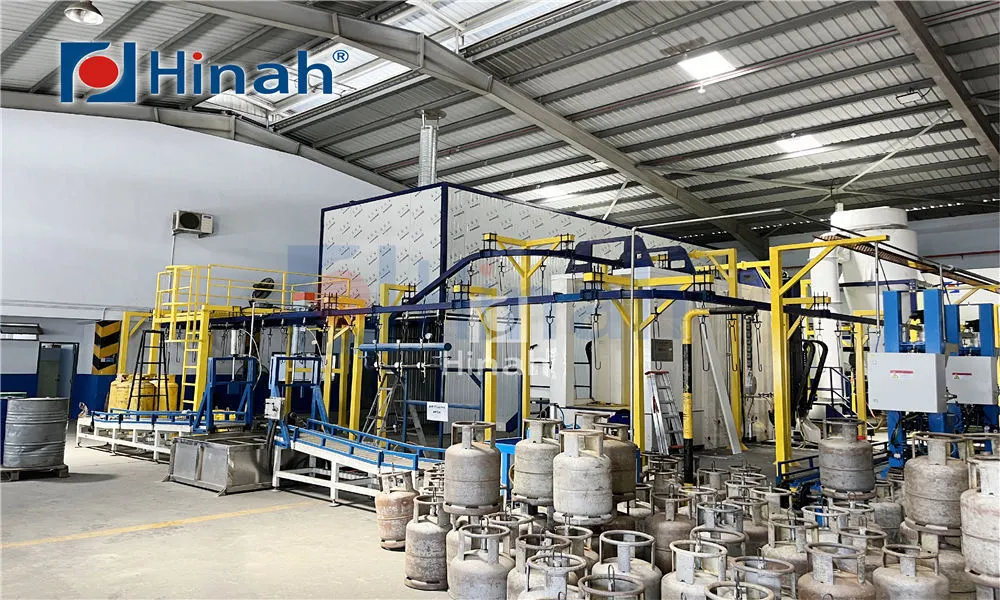
At its core, a powder coating system is a production line for applying and curing thermosetting polymer powders. The process is electrostatic: powder particles are charged and attracted to a grounded workpiece. The entire system ensures this happens consistently, safely, and with high material efficiency. Whether manual or fully automated, the goal is to produce a high-quality, uniform, and resilient coating on metal substrates.
The main advantages driving its adoption include:
High material utilization with overspray recovery.
No volatile organic compounds (VOCs) emitted.
Produces a thicker, more consistent coating than liquid paint.
Excellent chemical and mechanical resistance.
A standard industrial powder coating system consists of several sequential stages. Each component has a specific function critical to the final result.
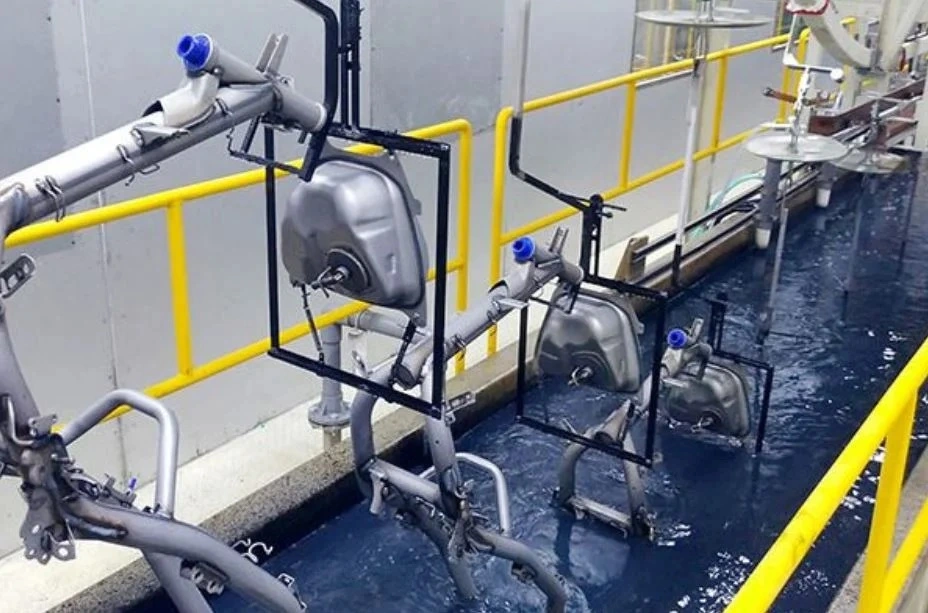
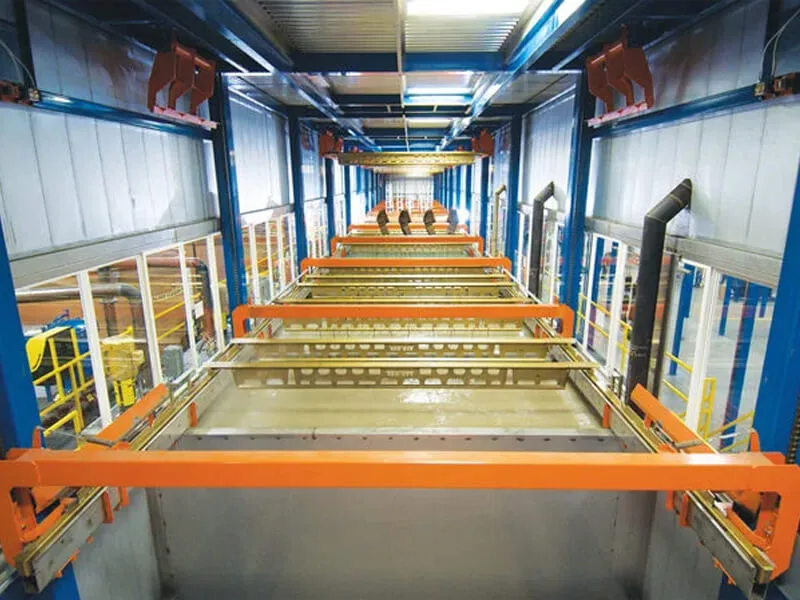
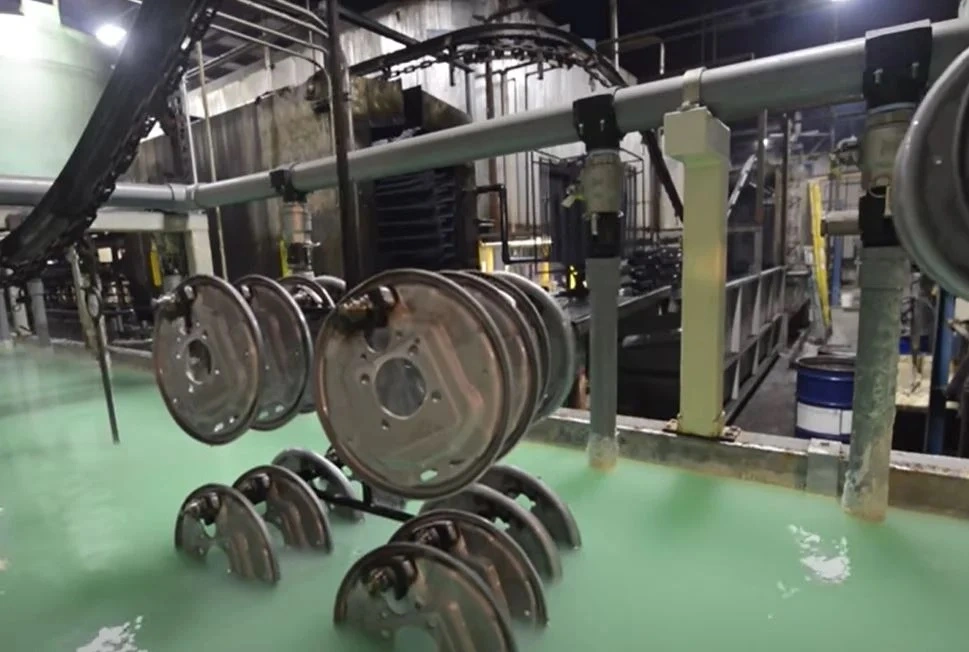
This is the foundational step for coating adhesion and longevity. Parts must be clean and chemically prepared before powder application.
A typical pre-treatment line includes:
Cleaning/Washing Tunnels: Remove oil, grease, dirt, and drawing compounds.
Rinse Stages: Use water to remove cleaning chemicals.
Conversion Coating: Apply a phosphate or chromate layer to enhance corrosion resistance and powder adhesion.
Final Rinse & Drying: Ensure the part is completely clean and dry before coating.
The booth is the enclosed area where powder is applied to the parts. It controls overspray and maintains a clean, safe environment.
Key booth features include:
Powder-tight construction with easy-clean surfaces.
Extraction and airflow systems to contain airborne powder.
Proper lighting for operator visibility.
Safety features for fire and explosion prevention.
The design of this area is central to the efficiency of the entire powder coating system.
This includes the guns, controllers, and feed systems that deliver the powder. Electrostatic application is the standard method.
Equipment types vary:
Manual Spray Guns: For flexible, low-volume, or complex parts.
Automatic Guns: Mounted on reciprocators or robots for consistent, high-volume application.
Powder Feed Hoppers & Pumps: Fluidize and transport powder from the container to the gun.
Control Units: Regulate powder flow, voltage, and air pressure.
A major economic and environmental advantage is the recovery of overspray powder. This system filters air from the booth and reclaims unused powder.
Common recovery technologies are:
Cartridge Filter Systems: Capture powder while clean air is exhausted.
Cyclone Recovery Systems: Use centrifugal force to separate powder from the airstream.
Sieve Stations: Reclaim powder is sieved to remove contaminants before being returned to the feed hopper.
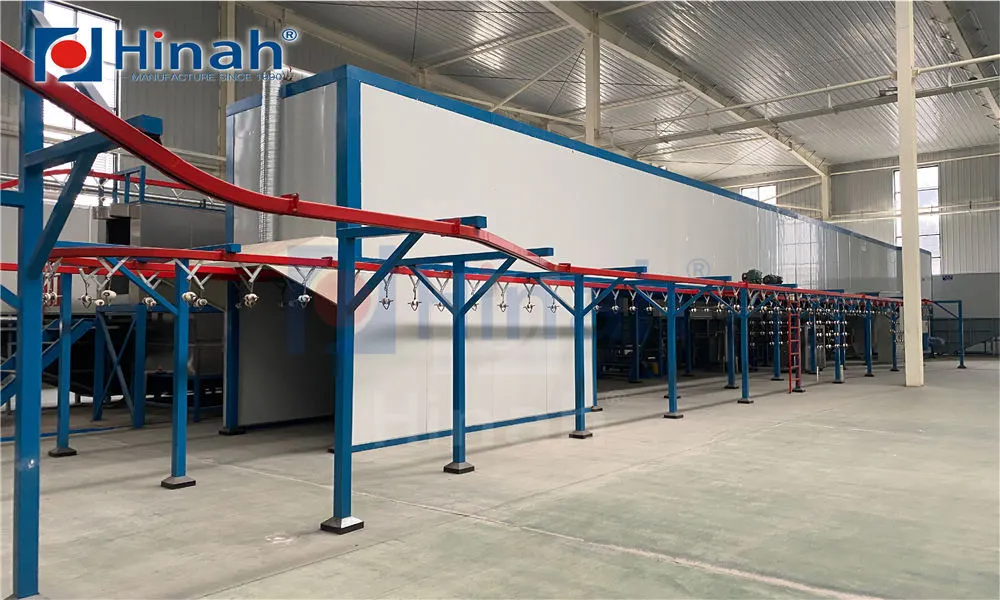
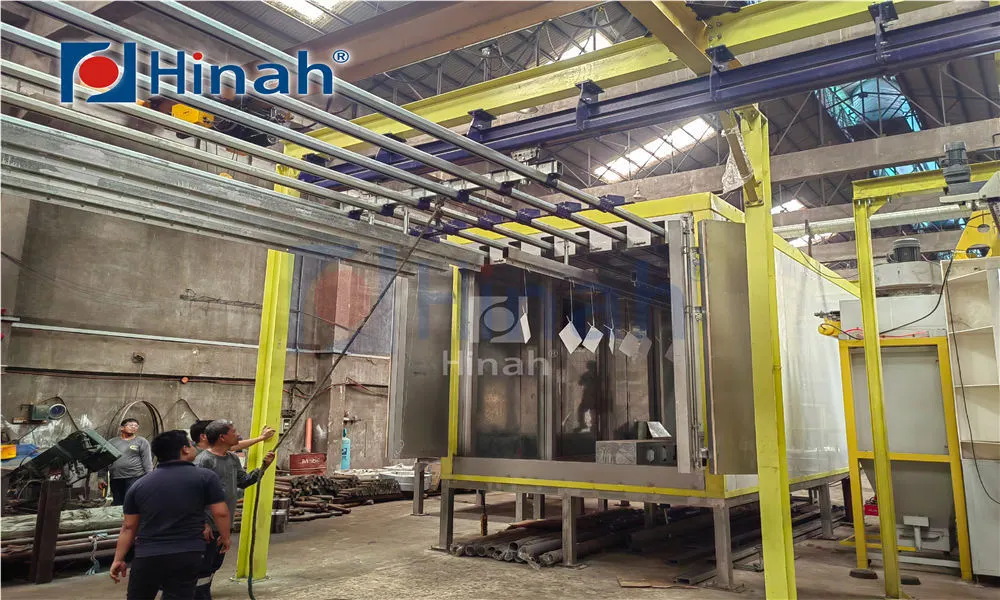
The oven is where the applied powder melts, flows, and chemically cross-links to form the final finish. Precise temperature control is critical.
Oven types include:
Batch (Cabinet) Ovens: For low-volume or custom work.
Conveyorized Curing Ovens: Integrated into the line for continuous production.
Infrared (IR) Ovens: For rapid curing of specific part geometries.
The oven represents a significant part of the energy footprint of a powder coating system.
The conveyor moves parts reliably through all stages: pre-treatment, coating, and curing. It is the backbone of an automated line.
Popular conveyor choices are:
Overhead Chain Conveyors: Common for hanging parts like frames or assemblies.
Monorail Conveyors: Offer more flexibility in path routing.
Belt or Mesh Conveyors: Often used for flat or small parts.
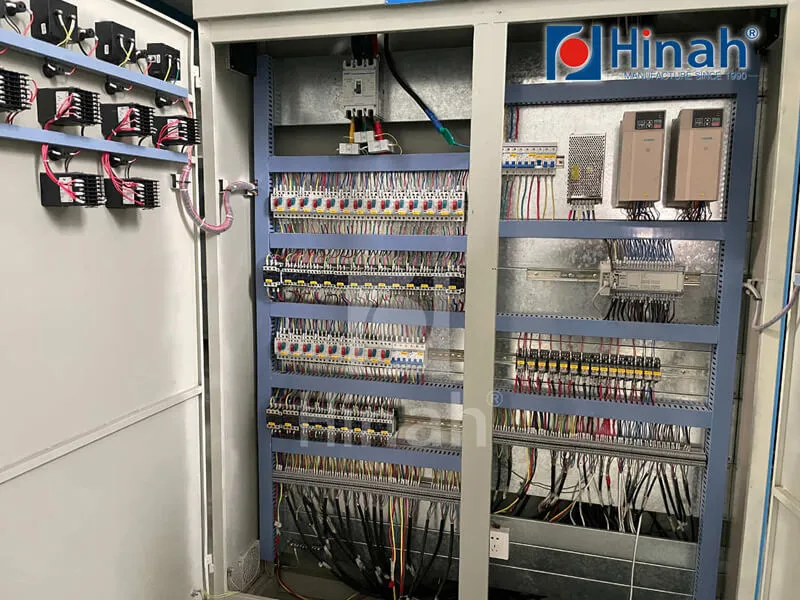
Modern systems are governed by programmable logic controllers (PLCs) and human-machine interfaces (HMIs). This is the "brain" of the operation.
It manages:
Conveyor speed and indexing.
Oven temperature profiles and zones.
Powder application parameters.
System diagnostics and safety interlocks.
Integrated control is what separates a collection of machines from a cohesive powder coating system.
Systems are configured based on production volume, part mix, and investment level.
Operators handle spray guns in a booth. Parts may be moved on a simple trolley or batch rack. Ideal for job shops, prototyping, or low-volume, high-mix production.
Pros include lower initial cost and flexibility. Cons are higher labor cost and potential for less consistency.
These combine manual and automated elements. For example, parts may be manually loaded and unloaded, but travel on an automated conveyor through pre-treatment, automatic spray stations, and curing.
This offers a good balance, improving throughput over manual systems while retaining some flexibility.
These are complete turnkey lines with minimal operator intervention. Parts are loaded, and the system manages the entire process via PLC. Robotic applicators are common.
This is the choice for high-volume manufacturers like automotive or appliance producers. Suppliers like HANNA specialize in designing and building these complex, high-efficiency lines.

A well-designed powder coating system serves a wide range of industries. The finish protects and enhances products.
Major application areas:
Automotive: Wheels, chassis, engine parts, and trim.
Architecture & Building Products: Window frames, fencing, aluminum extrusions, and facades.
Appliances: Refrigerators, washing machines, ovens, and dishwasher racks.
Furniture: Office furniture, outdoor metal furniture, and shelving.
Industrial & Agricultural Equipment: Machinery, enclosures, and tools.
Selecting a powder coating system is a major capital decision. Key factors to evaluate include:
Production Volume & Part Size: Determines conveyor type, oven size, and level of automation.
Part Geometry & Mix: Complex shapes may need manual touch-up; simple parts suit full automation.
Powder Type: Different powders (epoxy, polyester, hybrid) may have specific curing requirements.
Available Floor Space: System layout must fit within the facility's footprint.
Budget: Consider total cost of ownership, not just initial purchase price.
Future Expansion: Can the system be modularly expanded later?
Working with an experienced provider like HANNA ensures you get a solution tailored to your specific operational goals.
An effective industrial powder coating system is a symphony of integrated components, each performing a vital role. From meticulous pre-treatment to efficient recovery and precise curing, every stage contributes to the final product's quality and durability. Whether you operate a small job shop or a large manufacturing plant, understanding these components and system types is the first step toward making an informed investment. A properly selected and maintained system from a reliable partner becomes a core asset, delivering consistent, high-quality finishes for years to come.
Q1: What are the main differences between a manual and an automatic powder coating system?
A1: A manual system relies on human operators for spraying and often part handling. An automatic powder coating system uses programmed machinery (like reciprocators or robots) for application and a conveyor for transport. Automation provides higher throughput, better consistency, and lower labor cost but requires a larger initial investment.
Q2: How important is the pre-treatment stage in the overall system?
A2> It is critically important. Pre-treatment removes contaminants and creates a surface that maximizes powder adhesion and corrosion resistance. Skipping or inadequately performing pre-treatment is a primary cause of coating failure, such as peeling or blistering, regardless of how advanced the rest of the system is.
Q3: Can a powder coating system be used for non-metal parts?
A3: Primarily, powder coating is for conductive materials, mostly metals. Specialized techniques and pretreatments exist for coating certain plastics, wood (MDF), or glass, but these are niche applications. The standard industrial powder coating system is designed for metal substrates.
Q4: What kind of maintenance does a typical system require?
A4: Regular maintenance is key. Daily tasks include cleaning the spray booth and checking gun tips. Weekly tasks involve inspecting and cleaning recovery filters and checking oven burners/elements. Periodic maintenance includes checking conveyor chains, calibrating controls, and inspecting safety systems. A schedule from your supplier, like HANNA, is essential.
Q5: How long does it take to install a new automated powder coating line?
A5: For a complete, custom automated line, the process from order to full operation can take 4 to 8 months. This includes engineering, fabrication, shipping, on-site installation, mechanical/electrical hookup, and commissioning. Timelines vary based on system complexity and factory readiness.
Q6: Is powder coating really more environmentally friendly than liquid painting?
A6: Yes, in several key ways. Powder coatings contain no solvents, so they emit virtually zero VOCs. The high transfer efficiency and overspray recovery (often over 95%) drastically reduce waste. There are also no hazardous paint sludge disposal issues associated with liquid systems.