
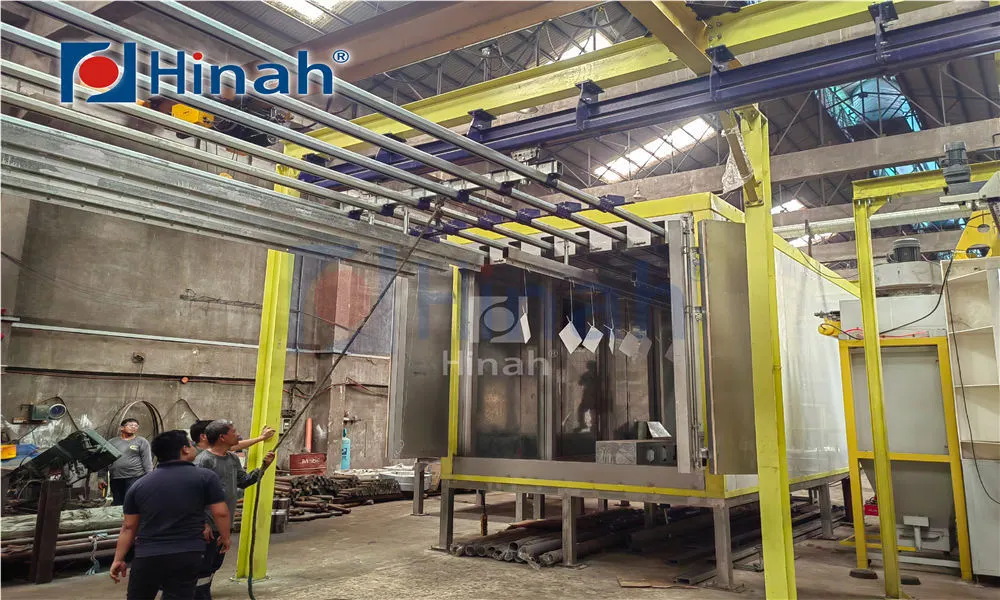
In the world of industrial finishing, the battle between traditional liquid paint and modern powder coating is long over for those who value efficiency, durability, and environmental responsibility. If you're manufacturing metal products—from automotive parts and patio furniture to electronic enclosures—the heart of a superior finish is a modern powder coating line. This isn't just an upgrade; it's a fundamental shift in how we protect and beautify metal. But what exactly makes this system so effective, and more importantly, how do you select the right one for your factory? This article breaks down the five compelling advantages and provides a clear guide for your investment.
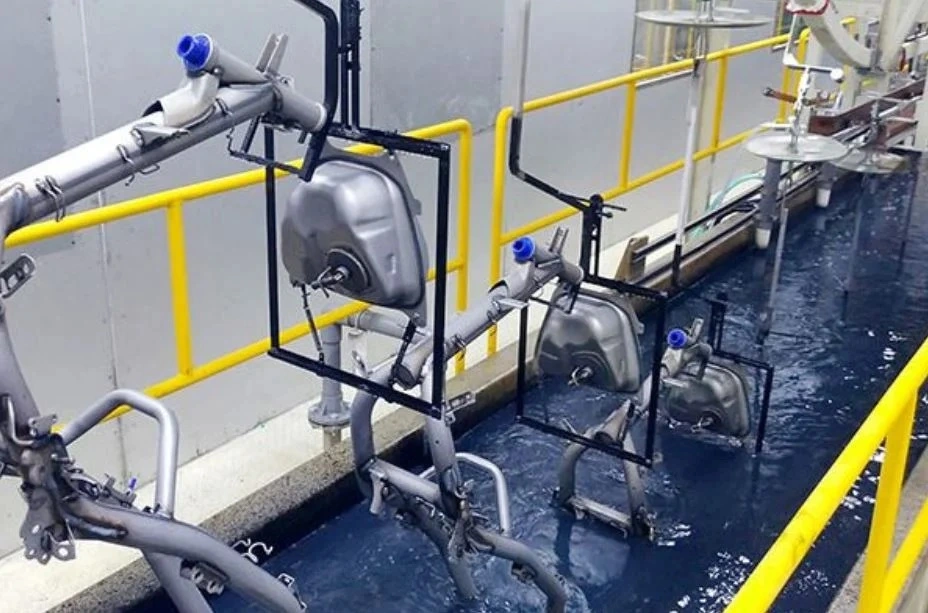
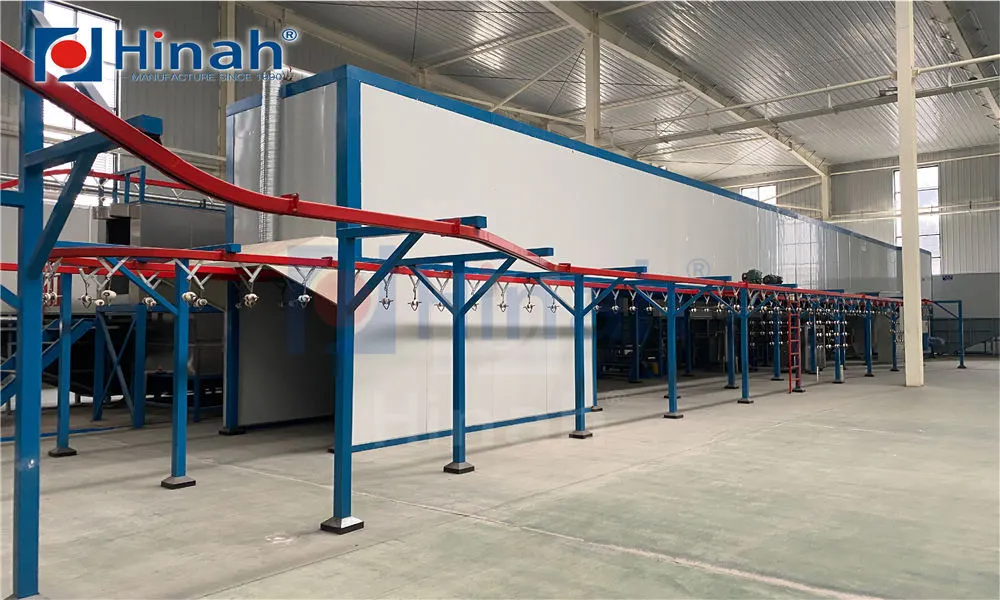
Before diving into the "why," let's clarify the "what." A powder coating line is not a single machine but a complete, integrated system. It's a series of stages that prepare, coat, and cure a product. The process begins with a finely ground, electrostatically charged powder—a dry mixture of pigments, resins, and curatives—being sprayed onto a metal surface. The charged particles adhere to the grounded part. Then, the component travels through a curing oven, where the powder melts, flows, and chemically cross-links to form a hard, uniform, and attractive coating. This integrated workflow is what sets it apart from disjointed painting processes.
1. Unmatched Durability and Product Quality
The finish produced by a high-quality powder coating line is notoriously tough. It's more resistant to chipping, scratching, fading, and corrosion than most liquid paints. Because the coating is applied thermally and forms a continuous film, it doesn't suffer from runs, sags, or uneven thickness that can plague liquid applications. This results in a higher first-pass yield and significantly fewer rejected parts, directly boosting your bottom line.
2. Dramatic Gains in Operational Efficiency and Speed
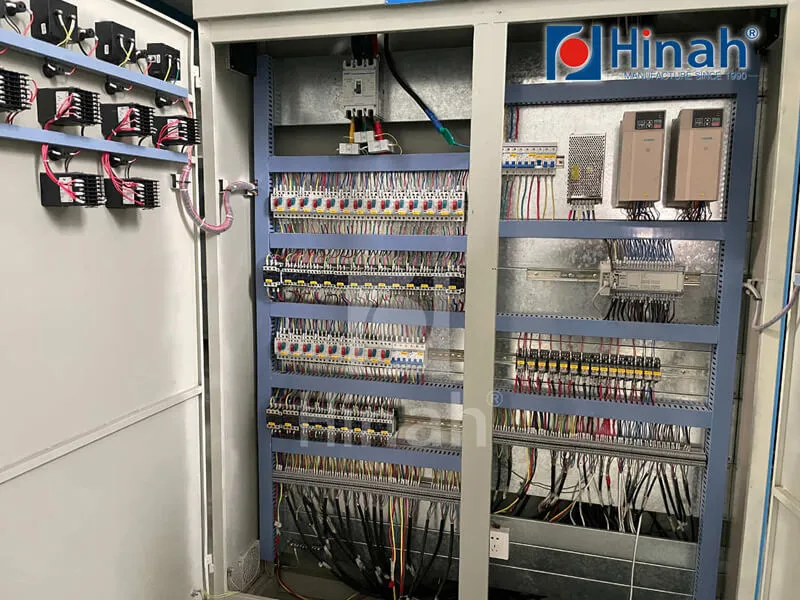
A well-designed powder coating line is a model of efficiency. The application process is fast, and the curing time is often shorter than the drying time for liquid paints. Furthermore, any overspray from the powder can typically be recovered and reused, minimizing waste. Companies like HANNA engineer their systems with smart automation, allowing for a continuous flow of parts through pre-treatment, application, and curing, drastically reducing labor costs and cycle times.
3. A Clear Win for Environmental Compliance and Safety
This is a major driver for many industries. Powder coatings contain no solvents, which means they release negligible, if any, Volatile Organic Compounds (VOCs) into the atmosphere. This eliminates the need for expensive and complex VOC abatement systems. The working environment also becomes safer without the fire hazards and health risks associated with solvent vapors. The overspray回收系统 in a modern powder coating line ensures that material usage is maximized, often exceeding 95%, making it an inherently sustainable choice.
4. Long-Term Cost-Effectiveness and Lower Operational Expenditure
While the initial investment in a powder coating line can be substantial, the total cost of ownership is frequently lower. Factor in the near-total material utilization, reduced energy for curing versus drying, elimination of solvent purchases and disposal costs, and lower labor requirements. Over a few years, the return on investment becomes clearly evident, making it a financially savvy long-term decision.
5. Superior Aesthetic Versatility and Finish Consistency
Forget about orange peel or thin spots. A properly calibrated powder coating line delivers a perfectly consistent finish every time, even on complex geometries with edges and corners. The range of available finishes is vast, including textures, metallics, mattes, and high-gloss options. This allows manufacturers to meet exacting customer specifications for aesthetics while maintaining unwavering quality control.
The versatility of this technology means it's everywhere. Key industries include:
Automotive: Wheels, engine blocks, bumpers, and filters.
Architecture and Building Products: Aluminum extrusions for windows and doors, structural steel, fencing, and furniture.
Appliances: Refrigerator racks, washer drums, dryer housings, and microwave ovens.
Consumer Goods: Bicycles, outdoor lighting, garden tools, and electronic chassis.
Selecting a system isn't one-size-fits-all. Here’s a structured approach to guide your decision.
Step 1: Analyze Your Production Needs
Start with the basics. What is your average daily output? What are the typical dimensions, weight, and material of your parts? Your answers will determine the size (e.g., monorail or conveyor length) and capacity of the powder coating line you need.
Step 2: Define Your Quality and Finish Requirements
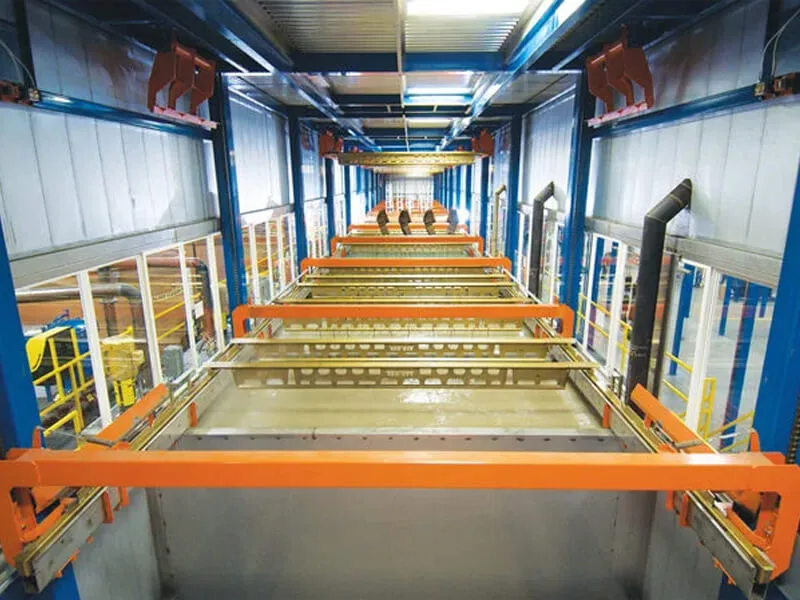
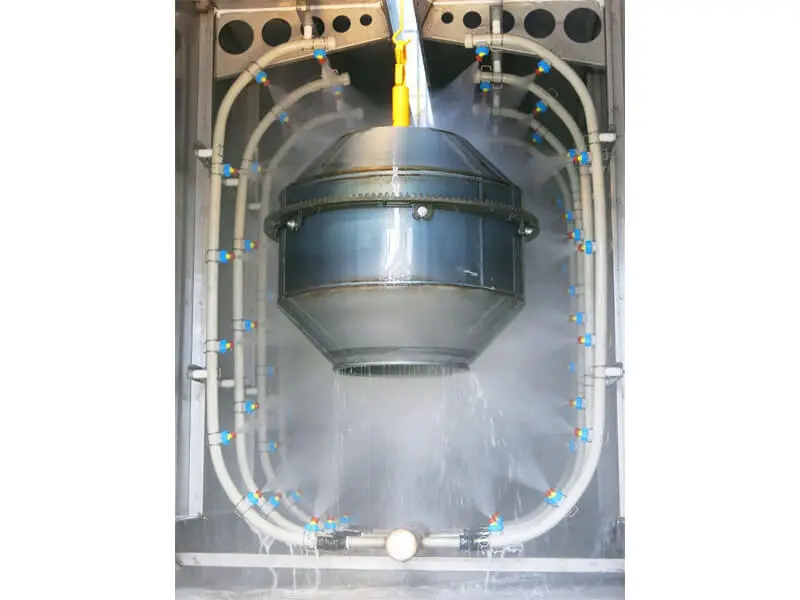
What are your standards for corrosion resistance (e.g., salt spray test hours)? What film thickness do you require? The answer will dictate the necessary pre-treatment stages (e.g., 3-stage vs. 5-stage wash) and the type of powder booth and recovery system. For top-tier performance, manufacturers like HANNA offer advanced pre-treatment chemistries that ensure optimal powder adhesion and longevity.
Step 3: Evaluate Space and Utility Constraints
A powder coating line requires significant floor space for the conveyor, pre-treatment tunnels, spray booth, and curing oven. You must also assess your facility's utility capacity—electrical power for the ovens and guns, gas for heating, and compressed air. A detailed site layout is crucial.
Step 4: Choose Between Manual, Automatic, and Hybrid Systems
Manual Lines: Ideal for low-volume, high-mix production where flexibility is key. Operators manually spray the parts.
Automatic Lines: Use fixed reciprocators or robots for high-volume, consistent coating of similar parts. This is where HANNA automation excels, providing repeatable precision 24/7.
Hybrid Lines: Combine both, using automatics for the main areas and manual stations for touch-ups or complex parts.
Step 5: Plan for Integration and Future Growth
Your new powder coating line must integrate with your existing production flow. Consider future capacity needs. Can the system be easily expanded or modified? Partnering with a supplier known for robust engineering and support, such as HANNA, ensures your investment is protected and scalable.
Investing in a powder coating line is a strategic move that pays dividends in product quality, operational efficiency, and environmental stewardship. By understanding its core advantages and methodically evaluating your needs against the available technology, you can select a system that becomes a cornerstone of your manufacturing excellence for decades to come.
Q1: What is the typical lifespan of a well-maintained powder coating line?
A1: A high-quality powder coating line, from a reputable manufacturer, can easily last 20 to 30 years with proper maintenance. Key components like ovens and conveyors are built for longevity, while regular upkeep of the spray booths, pumps, and filters ensures consistent performance and extends the system's operational life.
Q2: Can a powder coating line handle parts of different sizes and shapes on the same run?
A2: Yes, this is a common strength. A manual powder coating line is inherently flexible for different part geometries. In automated systems, programmable logic controllers (PLCs) can adjust gun settings and conveyor speeds for different parts. The key is proper racking to ensure all surfaces are exposed and the parts can withstand the cure oven temperature.
Q3: How significant is the energy consumption of the curing oven?
A3: The curing oven is the most energy-intensive component of a powder coating line. However, modern ovens are highly insulated and often use efficient burner technology and heat recovery systems to minimize energy use. The overall energy cost is frequently offset by the system's speed and the elimination of energy needed for solvent drying in liquid paint systems.
Q4: Is it possible to apply multiple colors in the same powder coating line without cross-contamination?
Q4: While it is possible, it requires careful management. For quick color changes, a powder booth with multiple guns or a cartridge-style booth is used. The booth is thoroughly cleaned, and fresh powder is loaded for the new color. For high-volume production of a single color, a dedicated booth is most efficient. Cross-contamination is minimized through rigorous cleaning protocols.
Q5: What kind of pre-treatment is necessary before the powder is applied?
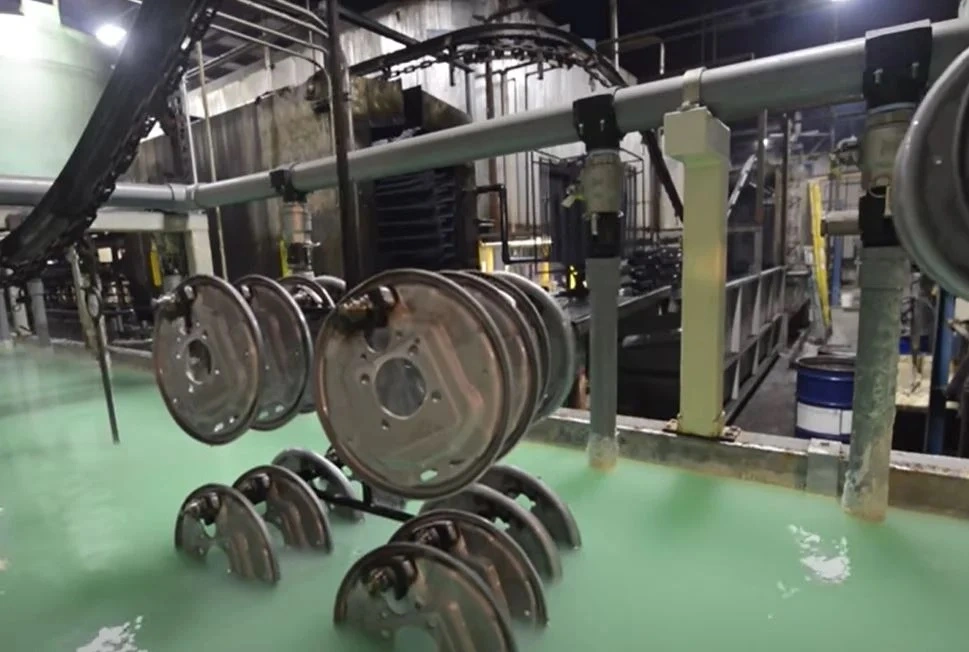
A5: Pre-treatment is a critical, non-negotiable step in a powder coating line. It typically involves cleaning the metal to remove oils and soils, followed by a conversion coating (like iron or zinc phosphate for steel, or a chromium-free pre-treatment for aluminum) to enhance corrosion resistance and improve powder adhesion. Skipping or inadequately performing pre-treatment will lead to coating failure.