
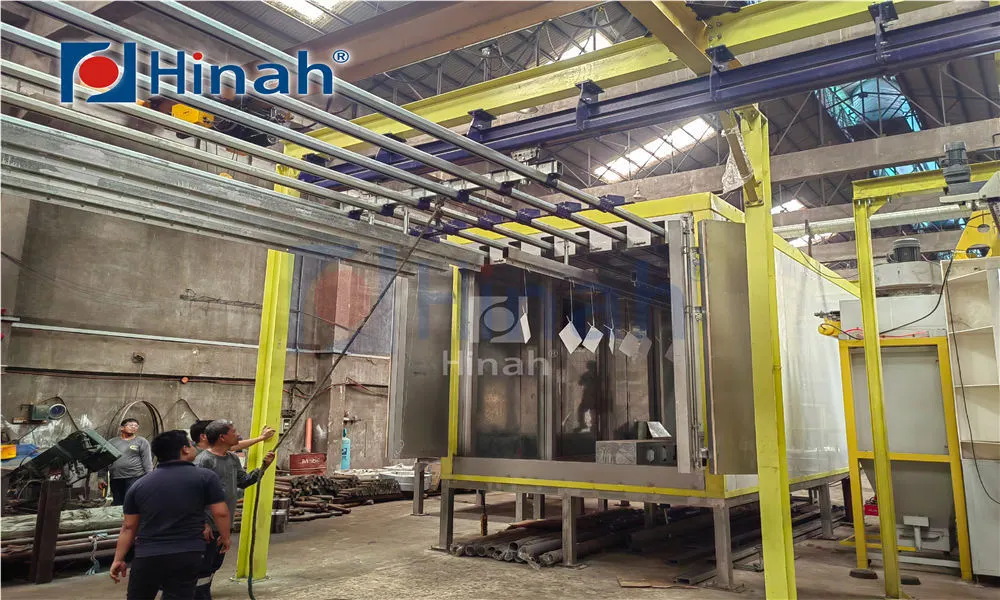
If you're finishing more than a few dozen parts per day, you've likely hit a bottleneck. Manual loading, spraying, and unloading creates inconsistent pacing. Quality can vary with operator fatigue. A conveyor paint line is the standard solution for moving beyond batch processing into continuous, predictable production flow.
This isn't just about adding a moving chain. It's about integrating every stage—preparation, application, curing, and cooling—into a synchronized system. The right line dramatically increases throughput, improves finish consistency, and reduces labor costs per part. This article explains the components, costs, and key planning steps involved in implementing a conveyorized system.
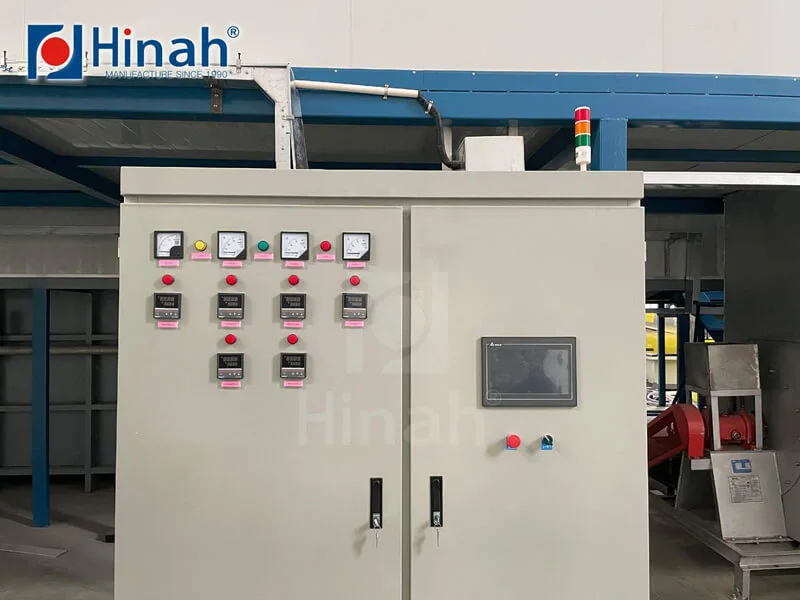
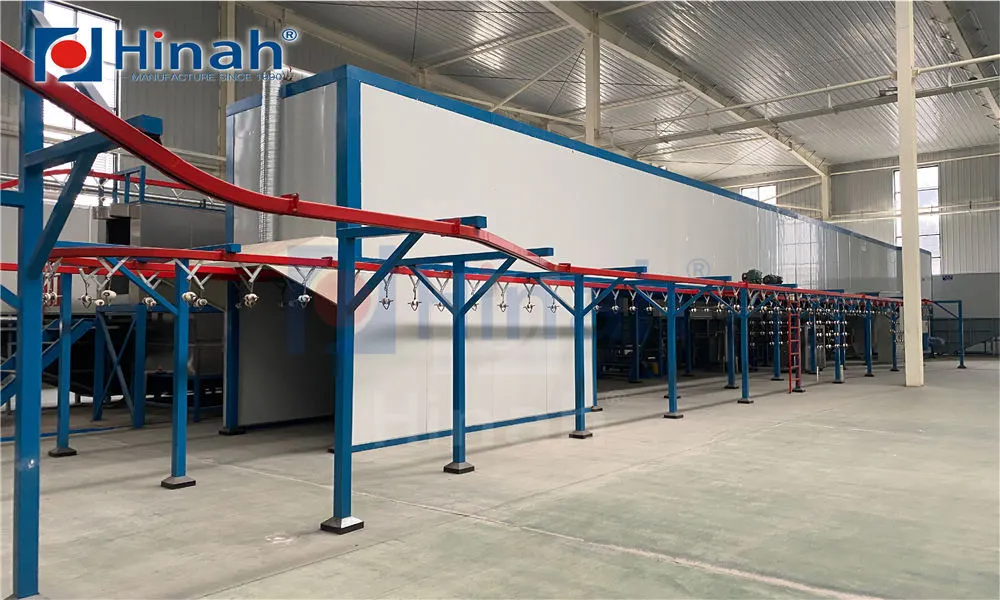
A complete line is a carefully sequenced series of stations. Each module plays a specific role in transforming a raw part into a finished product.
1. The Conveyor System: The Backbone
This is the transport mechanism. Common types include:
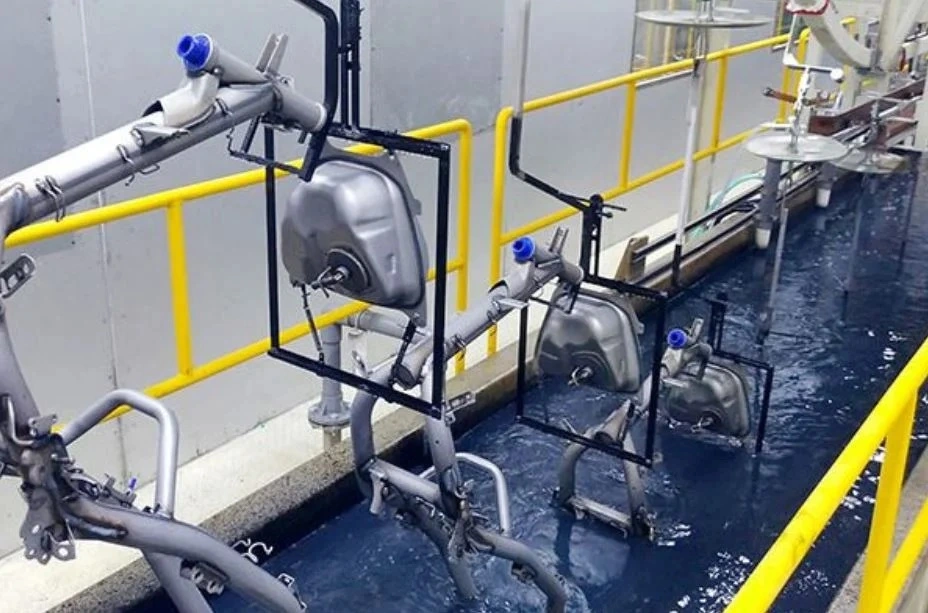
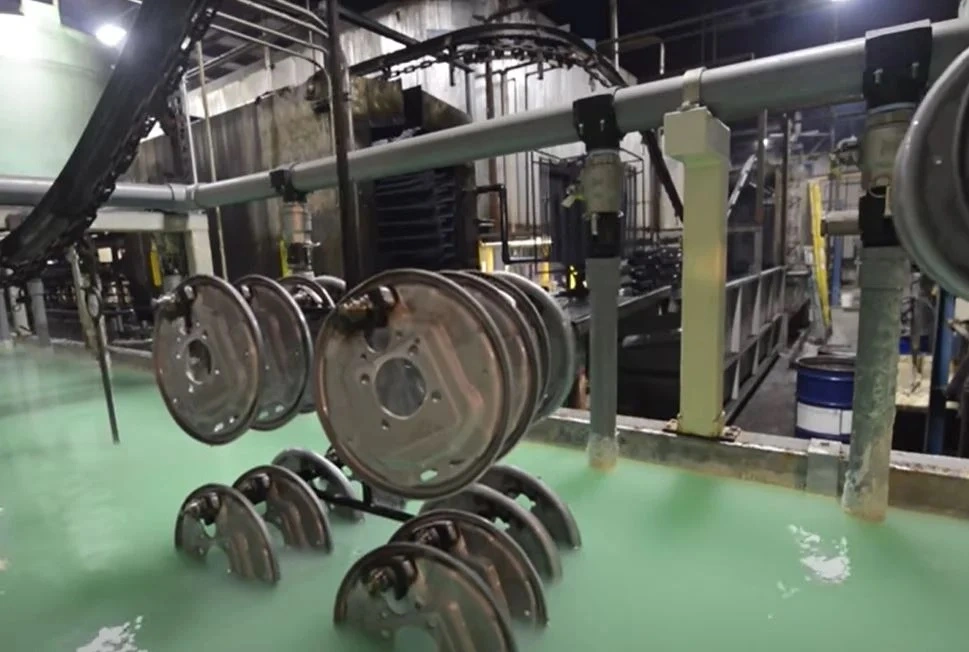
2. Pre-Treatment Stages
This is arguably the most critical phase for adhesion and longevity. A typical sequence involves:
3. The Application Environment: Spray Booths
Parts enter a controlled booth for coating. In a conveyor paint line, this is often a crossdraft or downdraft design optimized for continuous flow. Automated gun systems (reciprocators, robots) are commonly integrated here, triggered by part presence sensors for precise, repeatable application.
4. Curing Oven
Here, the coating is baked to full cure. Conveyorized ovens are designed for a specific time-temperature profile. Line speed and oven length are calculated so that parts spend the exact required time at the target temperature (e.g., 10 minutes at 400°F). Efficiency in heating and insulation is a major factor in operating cost.
5. Cooling Zone
Parts must cool sufficiently before handling or packing. This is often a simple enclosed section with ambient or forced air cooling. Without it, parts can be soft or hot enough to mar the finish when unloaded.
Investing in a conveyor paint line is a significant capital decision. Prices vary widely based on scale and complexity.
Primary Cost Drivers:
A Realistic Price Range:
At HANNA, we don't just sell individual pieces. We engineer integrated systems. Our focus is on designing each segment of the conveyor paint line to work in harmony with the next.
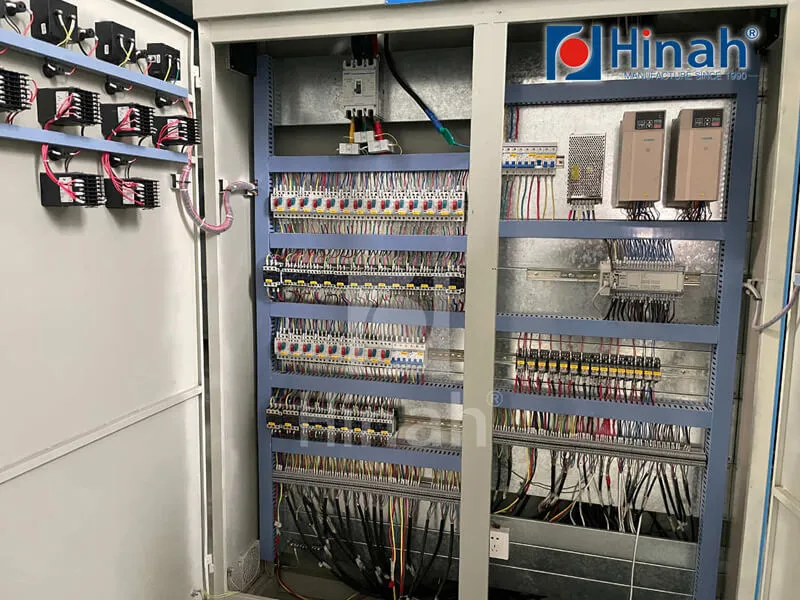
We pay particular attention to thermal management—ensuring parts are perfectly dry before entering the powder booth and properly cooled before offloading. Our control systems are designed for simple recipe changes and provide clear diagnostics. The goal is to deliver a line that hits your target output on day one, with the reliability to maintain it for years.
Before you request quotes, solid internal planning is essential.
A conveyor system introduces moving parts that need regular attention. A proactive maintenance schedule prevents catastrophic downtime.
Moving to a conveyor paint line is a commitment to industrial-grade finishing. It transforms your operation from a cost center into a streamlined, measurable production asset. The investment is substantial, but the return—measured in consistent quality, higher output, and lower unit cost—is what allows finishing shops to scale and compete effectively.
The key is thorough planning, a clear understanding of your own needs, and selecting a partner who provides more than just equipment, but a workable production solution.
Q1: What is the typical lifespan of a well-maintained conveyor paint line?
A1: With a robust design and consistent preventive maintenance, a high-quality industrial conveyor paint line should last 15 to 25 years or more. Key components like the conveyor chain may need refurbishment or replacement sooner, depending on hours of operation, but the core structure and ovens have a very long service life.
Q2: How do we determine the optimal line speed (FPM) for our parts?
A2: It's a calculation based on your cure schedule and oven length. First, know the required cure time (e.g., 12 minutes). Then, determine a practical oven length (e.g., 40 ft). Line speed = Oven Length / Cure Time. In this case, 40 ft / 12 min = 3.33 ft/min. You then verify this speed allows enough time in pretreatment and spray booths.
Q3: Can we integrate a conveyor line with our existing batch ovens or spray booths?
A3: Sometimes, but integration can be challenging. The existing equipment must be modified with entry/exit openings and matched to the conveyor's speed and height. Often, the engineering and modification costs approach that of new, optimized modules. A full analysis by a systems integrator is needed to determine feasibility.
Q4: How much floor space is usually required for a complete line?
A4: Space needs vary dramatically. A compact line for small parts might fit in a 50' x 30' area. A substantial industrial line with full pretreatment can easily require 200' in length and 50' in width. Remember to account for ample space around the line for part loading/unloading, service access, and utility runs.
Q5: What are the biggest hidden costs or challenges during installation?
A5: The most common surprises are site-related: inadequate floor strength for heavy ovens, insufficient electrical service or gas supply capacity, and the cost of vent stack installation through the roof. Thorough site evaluation by your supplier before fabrication begins is crucial to avoid these costly change orders.