
For businesses involved in industrial finishing, understanding the powder coating oven cost is essential for budgeting and planning. The curing oven is a critical component in the powder coating process, responsible for melting and flowing the powder into a durable finish. The investment varies widely based on specifications and features. This article breaks down the key elements that influence pricing to help you make an informed decision.
The final powder coating oven cost depends on multiple technical and operational factors. Knowing these can help you balance performance with budget.
Physical dimensions and throughput directly impact price. Larger ovens for big parts or high-volume lines require more materials and complex engineering.
Consider these capacity aspects:
Internal workspace dimensions (length, width, height).
Maximum weight capacity of racks or conveyors.
Parts per hour or batch processing capability.
Small batch ovens are more affordable. Continuous conveyor systems for mass production command a higher powder coating oven cost due to their size and automation.
The heating method affects both initial investment and long-term operating expenses. Common technologies include electric, gas, and infrared.
Electric ovens are widely used and precise. Gas ovens often have lower running costs in areas with cheap natural gas. Infrared systems offer rapid curing for specific applications.
Energy efficiency features also add to the cost. Insulation quality, heat recovery systems, and advanced controls from brands like HANNA can reduce lifetime expenses.
Build quality determines durability and thermal efficiency. Industrial ovens require robust materials to withstand high temperatures.
Heavy-gauge steel panels for the structure.
High-density mineral wool or fiberglass insulation.
Stainless steel interiors for corrosion resistance.
Superior construction reduces heat loss, improving efficiency. This can justify a higher initial powder coating oven cost through energy savings.
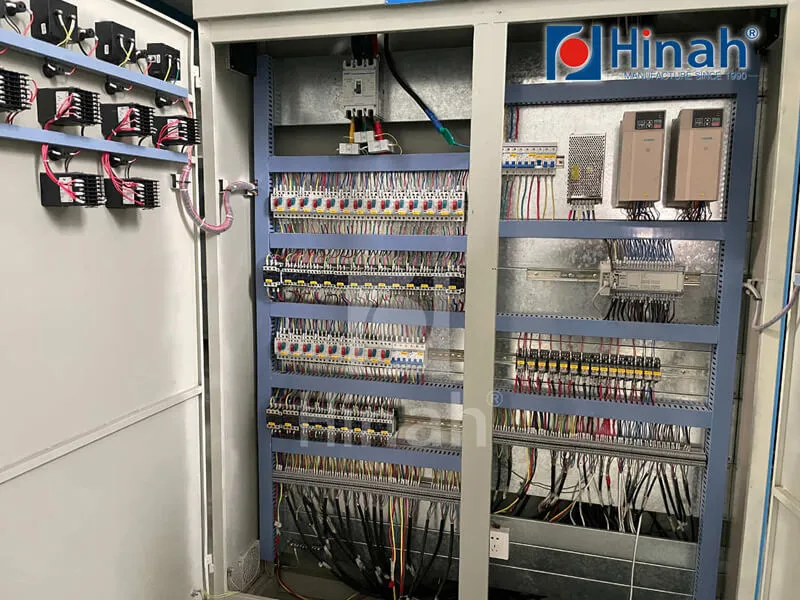
Basic ovens have manual controls. Advanced models feature programmable logic controllers (PLCs) and touchscreen interfaces.
Automation features include:
Precise temperature profiling and monitoring.
Integration with conveyor speed controls.
Data logging for quality assurance.
These systems increase accuracy and reduce labor but add to the overall equipment cost. HANNA provides ovens with scalable control options.
The type of oven you select is a primary driver of the total powder coating oven cost. Here’s a breakdown of common designs.
Batch ovens are ideal for low to medium volume or custom work. Parts are loaded, cured, and unloaded in cycles.
Typical price range: $5,000 to $30,000+.
Cost factors for batch ovens:
Size: Small benchtop units are cheaper than walk-in models.
Heating: Electric is standard; gas may increase price.
Features: Basic vs. advanced airflow and controls.
They represent a lower initial investment but may have higher per-part labor costs.
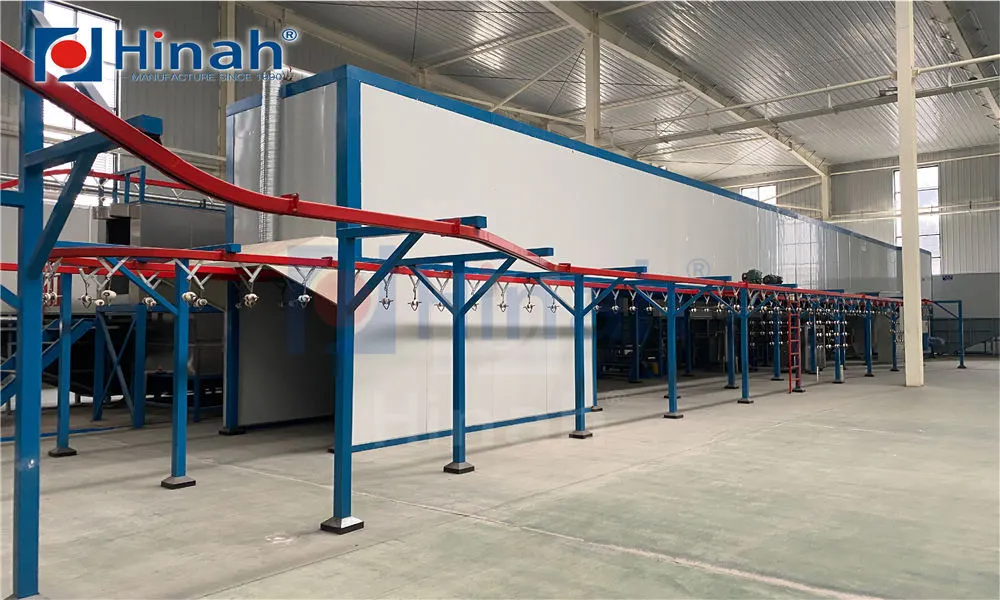
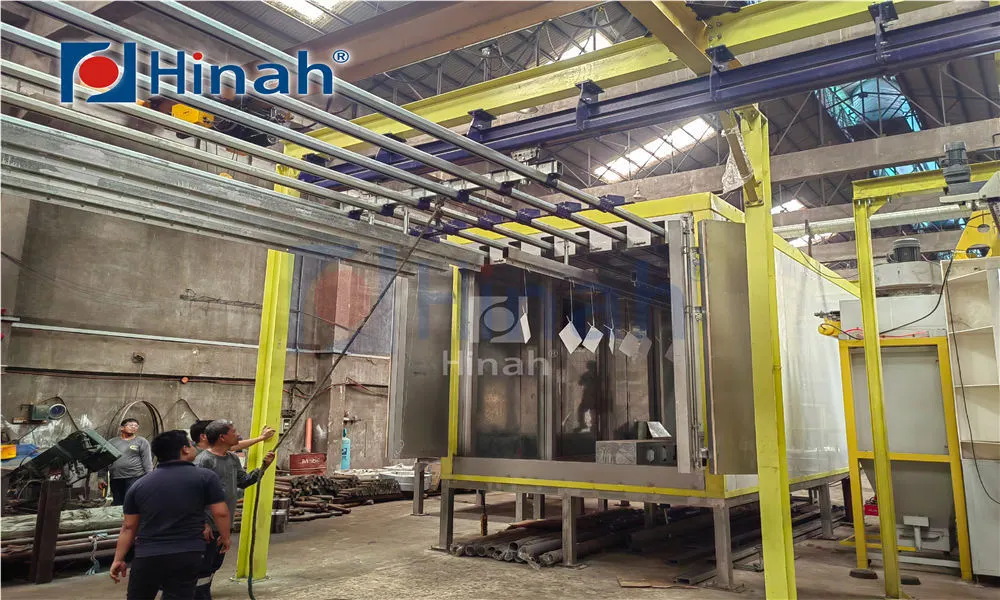
These ovens are part of an automated line. Parts move through on a conveyor for high-volume curing.
Typical price range: $25,000 to $150,000+.
The powder coating oven cost here is higher due to complexity. Factors include conveyor type (e.g., overhead, belt), length, and zoning capabilities.
Benefits include consistent curing and reduced handling. They are a long-term investment for large-scale production.
IR ovens use radiant heat for very fast curing times. They are compact and energy-efficient for certain applications.
Typical price range: $8,000 to $50,000+.
Cost depends on the IR technology (short, medium, or long wave) and the coverage area. They can be a cost-effective solution for curing flat or simple-shaped parts quickly.
When budgeting, consider expenses beyond the oven's sticker price. The total powder coating oven cost includes several ancillary items.
Professional installation ensures safe and optimal operation. This can be a significant cost factor.
Site preparation and foundation work.
Electrical or gas line connections by licensed technicians.
Ventilation and exhaust ducting installation.
Initial calibration and performance testing.
Installation costs can range from 10% to 25% of the oven's purchase price.
Long-term costs include energy consumption, spare parts, and routine servicing. These affect the total cost of ownership.
Key operating costs:
Electricity or natural gas consumption.
Replacement of heating elements, fans, or filters.
Regular inspection and calibration services.
Investing in a well-built oven from HANNA can minimize these ongoing expenses through reliability and efficiency.
Meeting local regulations may require additional features. These can add to the upfront powder coating oven cost.
Examples include:
Explosion relief panels for safety.
Advanced over-temperature protection systems.
Emission control devices to meet environmental codes.
Strategic planning can help manage the powder coating oven cost without compromising quality.
Clearly define your current and future production requirements. Over-specifying leads to unnecessary expense. Under-specifying causes bottlenecks.
Consider:
Maximum part dimensions and weights.
Required cure temperature and time for your powders.
Projected growth in production volume.
Look beyond the purchase price. A slightly more expensive but energy-efficient oven can save money over five years.
Evaluate:
Estimated energy consumption per cycle.
Warranty terms and availability of service support.
Potential for modular expansion later.
Suppliers like HANNA can provide detailed efficiency data for this analysis.

For budget-conscious buyers, reputable used equipment can be a viable option. Ensure it comes from a trusted source and is thoroughly inspected.
Risks include outdated technology and unknown maintenance history. Weigh the lower initial powder coating oven cost against potential reliability issues.
Analyzing the powder coating oven cost requires a comprehensive view of technical specs, operational needs, and long-term value. The most suitable oven balances performance, efficiency, and budget. By understanding the factors outlined—from oven type and size to hidden installation fees—you can plan effectively. Partnering with established manufacturers such as HANNA ensures access to reliable equipment and support, making your investment in a powder coating curing oven a sound one for your business's future.
Q1: What is the average starting price for a basic powder coating oven?
A1: A small, basic batch oven can start around $5,000 to $8,000. The final powder coating oven cost rises quickly with size, features, and automation. For a production-scale conveyor oven, expect entry-level prices from $25,000 upwards.
Q2: Are electric or gas powder coating ovens more expensive to purchase and operate?
A2: Electric ovens often have a lower purchase price but higher operating costs where electricity is expensive. Gas ovens may cost more upfront but typically have lower fuel costs, affecting the total powder coating oven cost over time. The best choice depends on local utility rates.
Q3: How much does installation add to the total powder coating oven cost?
A3: Installation can add 10% to 25% of the oven's purchase price. This covers electrical/gas hookup, venting, and site preparation. Complex installations for large systems will be at the higher end of this range.
Q4: Can I reduce costs by building my own powder coating oven?
A4: While possible for very small-scale applications, it is generally not recommended. DIY ovens often lack consistent temperature control, safety features, and efficiency. For professional results and insurance compliance, a professionally built oven from a supplier like HANNA is a safer long-term investment.
Q5: What are the most common hidden costs associated with a powder coating oven?
A5: Hidden costs often include upgrades to factory electrical service, special foundation requirements, extended exhaust ducting, and ongoing maintenance parts. When calculating the powder coating oven cost, always budget for these potential extras.
Q6: Does a higher-cost oven always mean better quality?
A6: Not always, but there is a strong correlation. Higher-priced ovens from reputable brands usually offer better insulation, more precise controls, durable construction, and energy efficiency. It's important to evaluate specifications and supplier reputation rather than price alone.