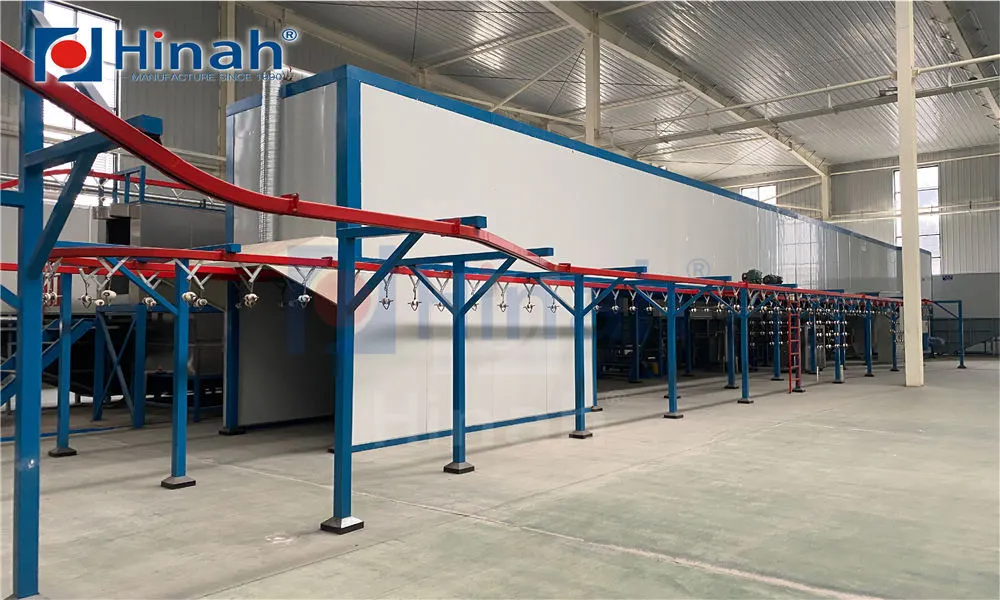
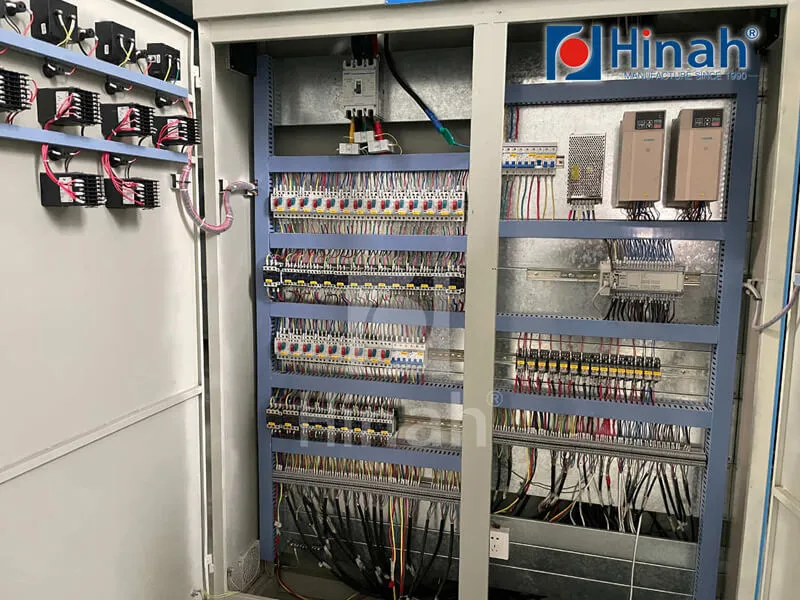

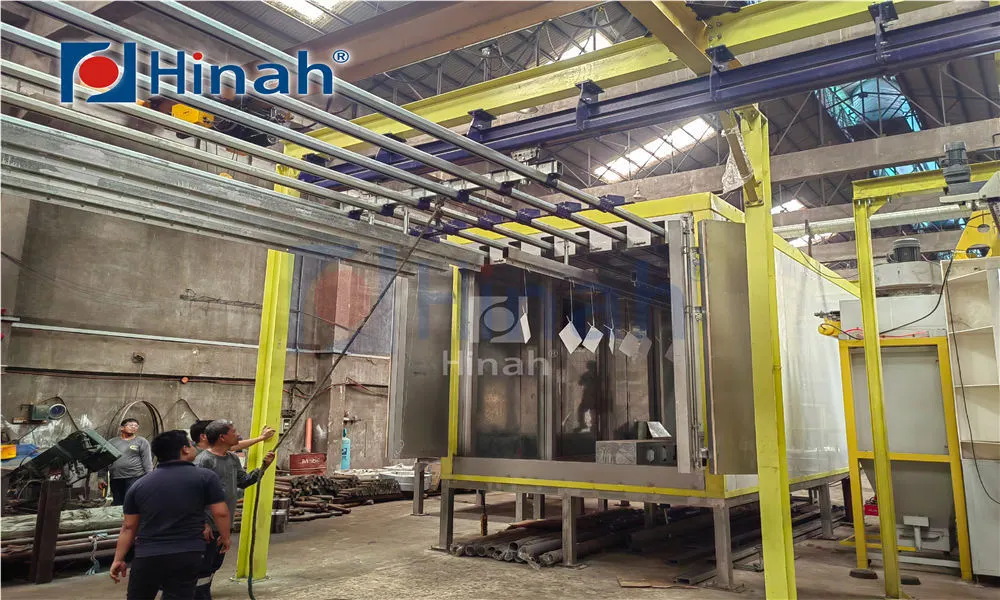
The heart of any efficient powder coating application area is the powder booth. This enclosure is far more than just a spray area; it is a controlled environment designed for safety, efficiency, and finish quality. Selecting the correct one directly impacts your operational cost, product quality, and compliance.
A powder booth serves several simultaneous, critical functions in the coating process. Its primary role is to contain the spray application, but its design affects much more.
The booth creates a physical barrier between the spraying activity and the wider shop environment. This containment is vital for safety and cleanliness.
Prevents inhalation of powder particles by operators.
Contains combustible powder dust, reducing fire risk.
Keeps overspray from contaminating other work areas.
A key economic function is capturing overspray. A well-designed powder booth features an efficient recovery system.
Cartridge filters or cyclone systems capture airborne powder.
Captured powder can often be recycled, boosting material utilization.
Effective recovery maintains a clean application zone for better finish quality.
Not all powder booths are the same. The choice depends largely on your production volume, part mix, and workflow. Understanding the main configurations is the first step.
These are enclosed cabins, ideal for job shops or low-to-medium volume production. They offer great flexibility.
Best for processing a variety of part sizes in separate batches.
Typically feature manual or semi-automatic spray application.
Can be equipped with quick-color-change systems.
These are designed for continuous, high-volume production integrated with a conveyor system.
Parts travel on a conveyor through a long spray tunnel.
Often use automatic spray guns for consistent application.
Suited for coating similar parts in large quantities.
Choosing the right powder booth requires a detailed assessment of your specific needs. Here are the critical factors to evaluate.
Proper airflow is the most critical engineering aspect. It must be uniform and of the correct velocity.
Laminar (smooth) airflow ensures overspray is directed predictably toward filters.
Velocity must be high enough to capture particles but not disturb the powder on the part.
Poor airflow causes powder escape, uneven application, and filter clogging.
The recovery system determines your powder usage efficiency and maintenance frequency.
Cartridge Filters: Common and efficient; require periodic pulse-cleaning and replacement.
Cyclone Recovery: Excellent for quick color changes; separates powder via centrifugal force.
Consider accessibility for filter maintenance and cleaning.
The booth must physically accommodate your largest parts and fit your available space.
Calculate internal dimensions based on part size plus space for operators and gun movement.
Consider door sizes and the path for loading/unloading.
Plan for adequate space around the booth for service access.
Excellent lighting is non-negotiable for achieving a high-quality, consistent finish.
LED lighting is preferred for bright, cool, and energy-efficient illumination.
Lights should be positioned to eliminate shadows on the parts being coated.
Fixtures must be sealed and rated for the powder environment.
A powder booth is a long-term investment. Build quality matters.
Look for robust materials like galvanized or coated steel.
Interior surfaces should be smooth and easy to clean.
Doors and panels must seal tightly to contain powder and maintain airflow.
The booth must be designed with operator safety and regulatory compliance in mind.
Proper electrical classifications for areas where combustible dust may be present.
Explosion relief panels or venting as per safety standards.
Grounding systems to prevent static discharge, a potential ignition source.
A booth that is difficult to clean and maintain will lead to costly downtime.
Design should allow easy access to filters, fan units, and light fixtures.
Interior should have minimal ledges where powder can accumulate.
Removable floor grates or smooth floors facilitate cleaning.
Once installed, proper operation of your powder booth is key to its performance and longevity.
Consistent cleaning prevents issues and ensures efficiency.
Daily: Wipe down walls, clean floor areas, and check for powder buildup.
Weekly: Inspect filters for pressure drop, clean external fan blades.
Always follow the manufacturer's specific maintenance schedule.
Good booth practices contribute directly to material savings.
Ensure proper gun settings and technique to minimize initial overspray.
Maintain the recovery system so it operates at peak efficiency.
Monitor reclaimed powder quality before reusing it in the process.
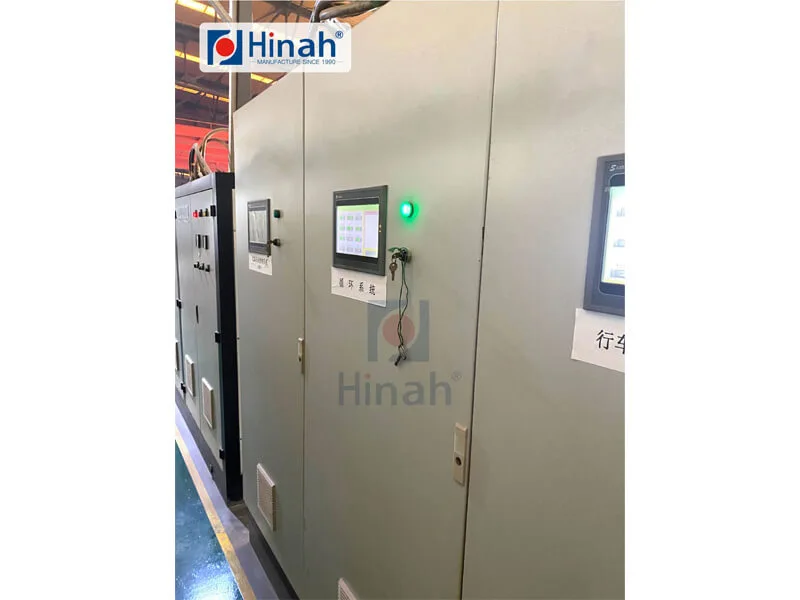
Choosing a supplier with proven expertise is crucial. HANNA engineers powder booths that address all seven critical factors, providing reliable, integrated solutions.
HANNA booths are built based on extensive application knowledge.
Precision-engineered airflow patterns for optimal powder capture and finish quality.
Robust construction using quality materials for a long service life.
Modular designs that can be customized to specific space and process needs.
Investing in a HANNA powder booth includes support beyond the sale.
Expert consultation to specify the right booth for your operation.
Clear installation guidance and operational training.
Access to genuine spare parts and technical service assistance.
Selecting the right powder booth is a strategic decision that affects your bottom line and product quality. By carefully evaluating the seven factors—airflow, recovery, size, lighting, construction, safety, and maintainability—you can make a confident choice. For booths engineered with these principles, explore the solutions from HANNA at https://www.autocoatinglines.com/.
A1: A batch booth is an enclosed cabin for processing individual loads of parts, offering high flexibility. An in-line powder booth is a tunnel through which parts continuously travel on a conveyor, designed for high-volume production of similar items.
A2: Yes, reputable manufacturers like HANNA often provide custom engineering. A powder booth can be built to specific dimensions, door configurations, and internal layouts to accommodate unique part sizes and shapes.
A3: There's no fixed timeline. Filter life depends on powder usage, type, and booth airflow. They should be replaced when the pressure drop across them exceeds the manufacturer's specification, indicating they are loaded and reducing efficiency.
A4: Key methods include using high-efficiency fan motors, ensuring doors and seals are tight to prevent air leakage, regularly cleaning filters to maintain airflow with less fan power, and considering automatic controls that adjust fan speed based on use.
A5: A powder booth should be designed and built to comply with relevant standards for electrical safety (e.g., NEC, ATEX in some zones), fire safety (NFPA 33), and industrial ventilation (NFPA 91). Always request compliance documentation from the manufacturer.