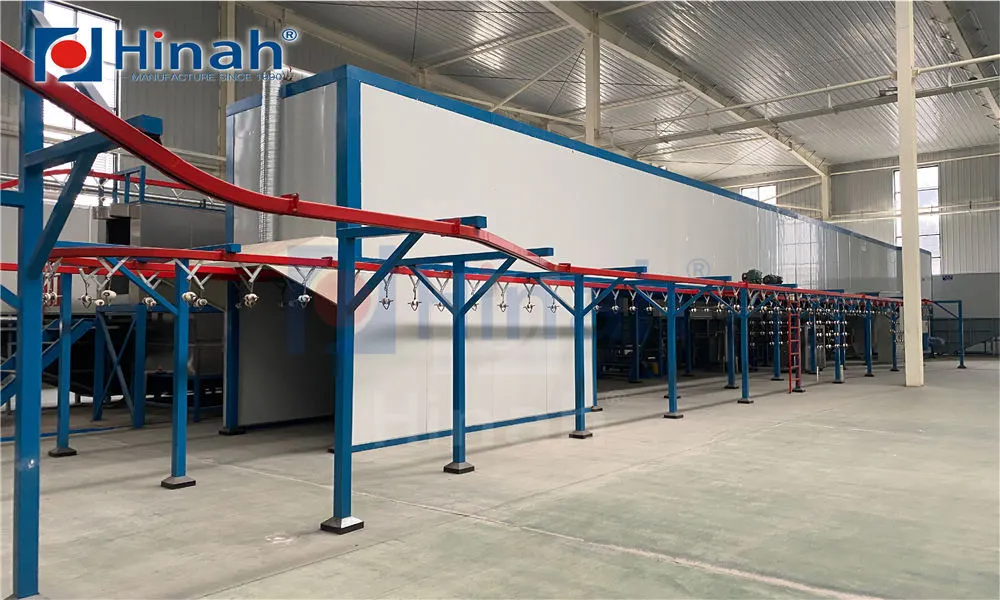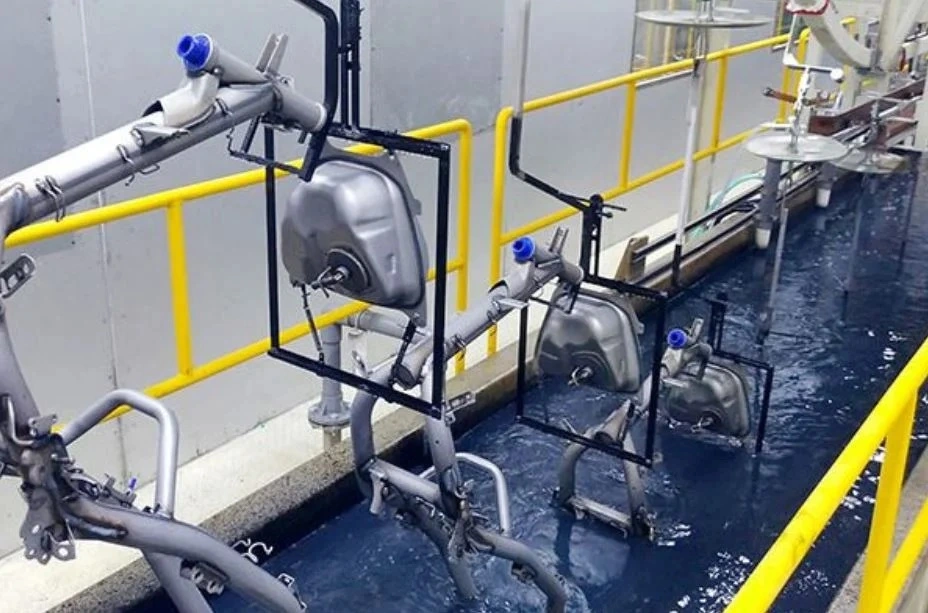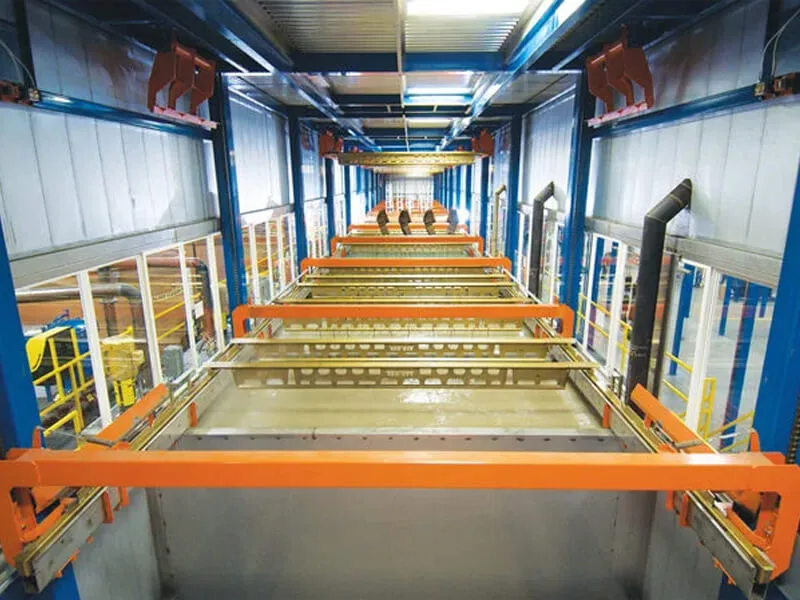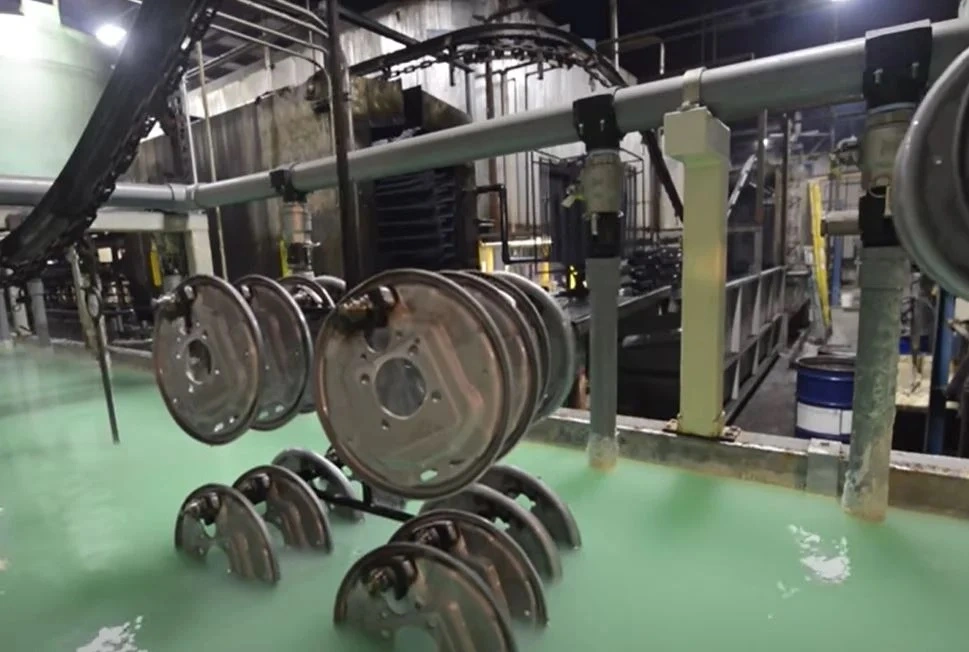
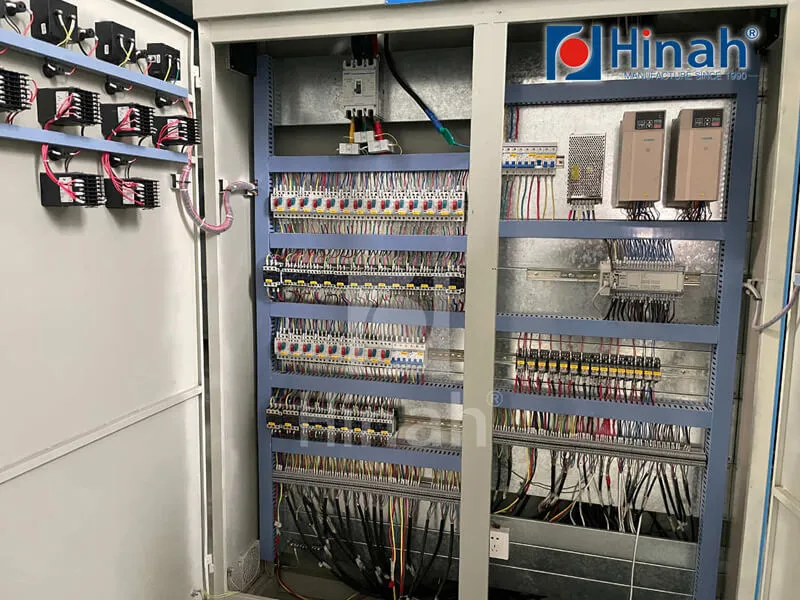

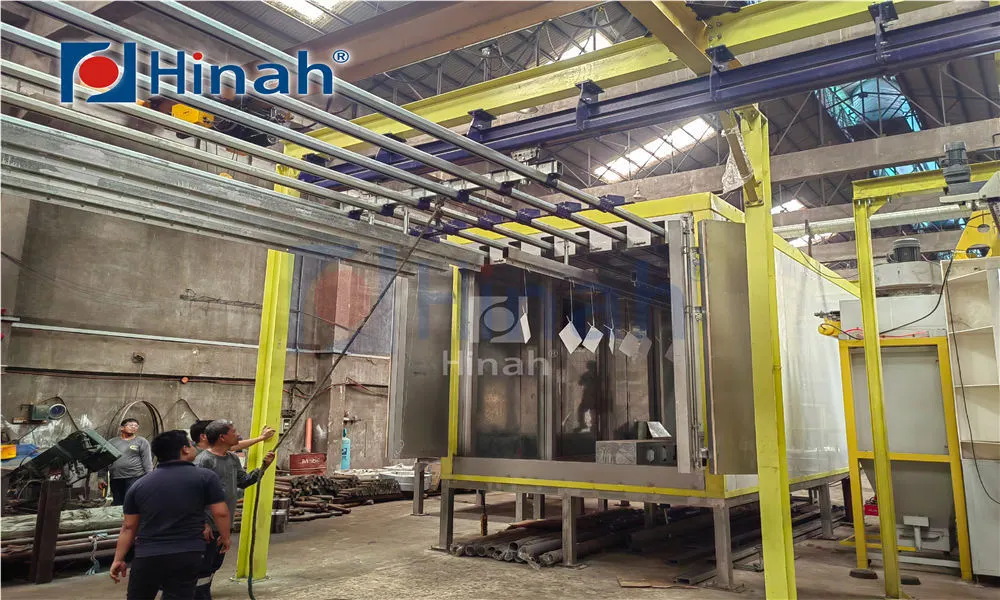
For manufacturers and large-scale finishers, achieving a flawless, durable coating isn't just about the powder or the gun. It's about the environment where the magic happens. Powder coating rooms are the specialized, controlled environments that form the backbone of any serious industrial finishing operation. Unlike open booths or smaller setups, these dedicated rooms are engineered to handle high throughput, complex parts, and the stringent quality demands of industries from automotive to agricultural equipment. A well-designed powder coating room from a trusted provider like HANNA transforms the application process from a variable task into a repeatable, efficient, and safe science. It's the critical infrastructure that ensures every component leaving your line meets exact specifications for adhesion, appearance, and longevity. This article breaks down the what, why, and how of these industrial workhorses.
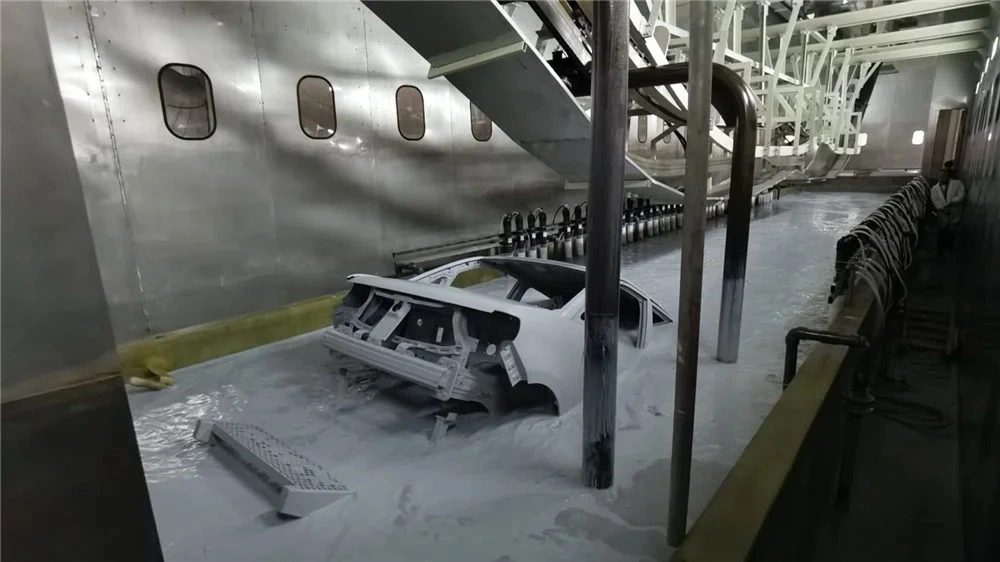
A powder coating room is much more than four walls and a door. It's an integrated system. Its primary function is to contain the entire application process. This containment safeguards product quality and protects worker health.
Think of it as a cleanroom for finishing. The design focuses on three core elements: containment, airflow, and recovery. Walls and ceilings are smooth and non-porous for easy cleaning. Floors often have conductive properties.
Lighting is intense and shadow-free. This allows operators to see their work clearly. Large doors or conveyor openings facilitate the smooth flow of parts in and out. The entire space is optimized for the powder application stage of the production line.
Designing effective powder coating rooms is a precise engineering task. It’s not a one-size-fits-all solution. Several non-negotiable principles guide a successful build.
Airflow and Ventilation are king. Properly directed airflow carries overspray away from the part and toward the recovery system. This is typically achieved through a balanced down-draft or cross-draft design. HANNA engineers calculate air volume meticulously.
Containment is crucial. All surfaces must prevent powder from escaping into other plant areas. Sealed lighting fixtures, tight door seals, and sealed penetrations are standard. This keeps the surrounding environment clean.
Powder Recovery Systems are the heart of efficiency. These systems, often using cartridge filters or cyclones, capture overspray. They allow clean powder to be recycled back into the feed hopper. This dramatically reduces material waste.
Safety Integration is mandatory. Proper electrical grounding prevents static discharge. Fire suppression systems designed for powder hazards are essential. Adequate access and emergency exits are planned from the start.
Walking into a professional powder coating room, you’ll see several integrated components working in unison. Each plays a vital role in the finishing process.
The Envelope is the physical structure. It's made from durable, cleanable panels. HANNA often uses steel or specialized composite materials. Windows allow for observation without entering the application zone.
The Air Handling Unit (AHU) is the lungs of the room. It constantly replaces and filters air. It maintains negative pressure inside the room to contain powder. The AHU ensures a safe breathing environment for operators.
The Recovery System is the circulatory system. It consists of hoppers, filters, and sometimes sieve stations. High-efficiency filters capture fine particles. Modern systems from HANNA feature automatic filter pulse cleaning for uninterrupted operation.
Application Equipment includes the guns, pumps, and control units. In a dedicated room, these are often fixed or on reciprocators for automated lines. Manual touch-up stations are also strategically placed.
Building dedicated powder coating rooms represents a significant investment. For growing businesses, the return on investment (ROI) is clear and compelling.
First, superior finish quality and consistency. Controlled conditions mean no dust, drafts, or contaminants. This results in fewer rejects and reworks. Customer satisfaction and brand reputation improve.
Second, massive material savings. Advanced recovery systems can reclaim over 95% of overspray powder. This reuse slashes raw material costs. For high-volume shops, this pays for the room itself in a surprisingly short time.
Third, increased production capacity and throughput. A room is designed for workflow. It can accommodate larger parts or multiple operators. Conveyors move parts smoothly through the space, maximizing output.
Fourth, enhanced regulatory and safety compliance. A contained room simplifies meeting OSHA and EPA standards for air quality and workplace safety. It demonstrates a commitment to employee welfare and environmental responsibility.
At HANNA, we understand that your powder coating rooms are a long-term strategic asset. Our approach is collaborative and comprehensive. We start with an in-depth analysis of your parts, production goals, and facility layout.
We don't just sell rooms; we engineer finishing ecosystems. Our modular panel system allows for flexible sizing and future expansion. We integrate best-in-class recovery technology to maximize your powder savings.
Our focus is on building a system that is robust, easy to maintain, and operator-friendly. We use high-quality materials that withstand the rigors of daily industrial use. From the initial design to the final commissioning, HANNA provides expert support.
The goal is to deliver a powder coating room that becomes a reliable, profit-generating center of your operation for years to come.
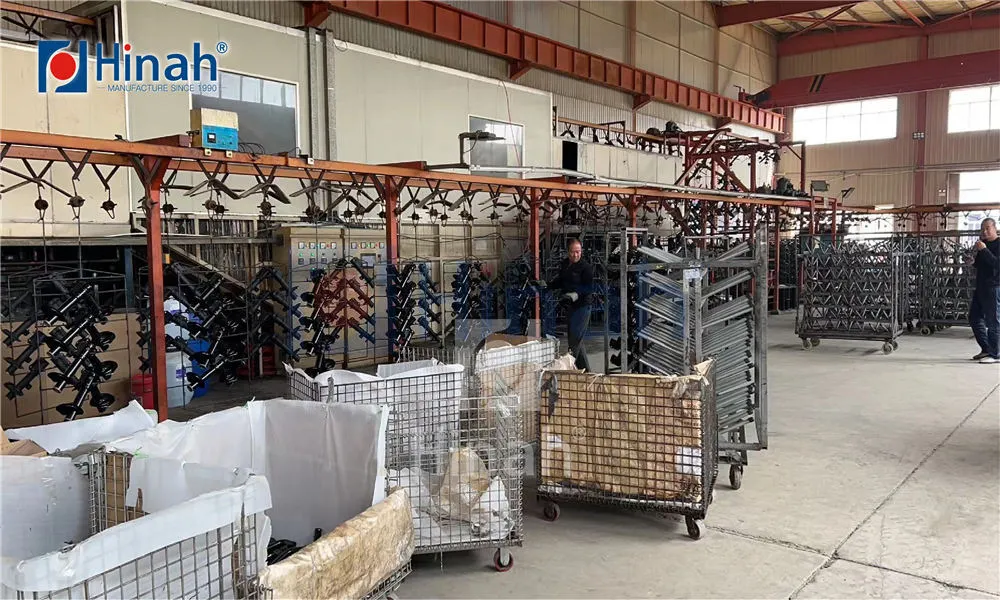
A powder coating room is a piece of production machinery. Like any critical equipment, it requires regular maintenance. A disciplined routine prevents downtime and ensures consistent quality.
Daily tasks include a visual inspection and clean-up. Operators should wipe down surfaces and check for powder buildup. Empty collection hoppers as needed. Ensure all safety systems are unobstructed.
Weekly, inspect the filter system. Check the differential pressure gauge. A rising reading indicates filters need attention. Clean or replace filter cartridges according to the manufacturer's schedule. HANNA systems feature clear maintenance indicators.
Monthly, examine the air handling unit. Check belts, motors, and bearings. Verify that all access doors seal tightly. Test emergency lighting and safety interlocks. A logbook for all maintenance is highly recommended.
Annual professional inspections are wise. Have a HANNA technician assess the overall system health. This proactive step can identify wear items before they cause a line stoppage.
In the world of industrial finishing, precision and scale matter. Powder coating rooms provide the controlled, efficient, and safe environment necessary to meet modern manufacturing demands. They are the difference between a good finish and a great one, between acceptable waste and remarkable savings. For businesses ready to scale their operations and solidify their quality, investing in a professionally engineered powder coating room is a logical and profitable step. Partnering with an experienced provider like HANNA ensures your investment is sound, your system is optimized, and your finishing process becomes a consistent competitive advantage. Evaluate your current setup today and consider how dedicated powder coating rooms could elevate your production tomorrow.
Q1: How much floor space is typically needed for a powder coating room?
A1: Space requirements vary greatly based on part size and production volume. A small, manual room might start at 12' x 15'. Large automated lines can require spaces of 30' x 50' or more. HANNA engineers conduct a detailed space analysis to design for your specific part flow and future growth.
Q2: What is the typical cost range for building a professional powder coating room?
A2: It's a significant capital investment, ranging from tens of thousands to several hundred thousand dollars. The final cost depends on size, automation level, recovery system complexity, and safety features. The high powder reclaim rate and productivity gains usually deliver a strong ROI, often within 1-3 years.
Q3: Can an existing open booth area be converted into a powder coating room?
A3: Yes, often it can. Many of our projects at HANNA involve retrofitting or enclosing existing spray areas. The key is evaluating the current infrastructure (electrical, ceiling height, floor) and designing a room system that integrates with it. This can be a cost-effective path to an upgraded finishing cell.
Q4: What are the most critical safety systems inside a powder coating room?
A4: Beyond proper grounding, the most critical systems are ventilation (to maintain safe air quality and prevent explosive atmosphere) and fire suppression. A dedicated powder fire suppression system, proper Class II electrical equipment, and clear emergency egress are non-negotiable for any professional installation.
Q5: How does a powder coating room improve environmental compliance?
A5: By containing 100% of the overspray within a sealed environment, a powder coating room prevents the release of particulates into the plant or atmosphere. The integrated recovery system captures this powder for reuse. This contained process significantly simplifies compliance with air quality regulations (like EPA or local codes) compared to open spray setups.