
Acquiring a complete powder coating plant is a significant investment for any manufacturing business. Whether you are starting a new operation or expanding capacity, finding the right Powder coating plant for sale requires careful evaluation. The market offers various options, from simple manual lines to fully automated systems. This guide outlines the essential factors to review, helping you make an informed decision that aligns with your production goals and budget, potentially with solutions from established manufacturers like HANNA.
The search for a Powder coating plant for sale must begin with a clear understanding of your own needs. A mismatch between the equipment and your application leads to inefficiency and additional costs.
The plant must be sized correctly for your current and future production volumes. Key parameters must be defined upfront.
Creating a detailed specification sheet is the most critical first step before contacting any supplier.
The market for a Powder coating plant for sale includes different levels of automation and configuration. Your choice depends on labor costs, desired consistency, and investment level.
Each type offers a different balance of capital cost and operational efficiency.
Analyzing your total cost of ownership will guide you toward the most suitable type of plant.
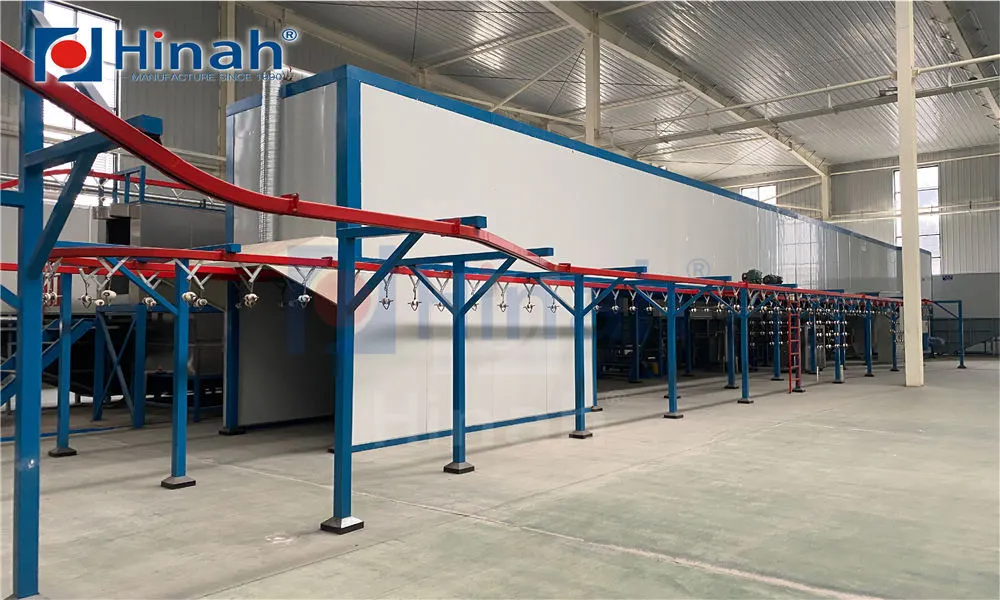
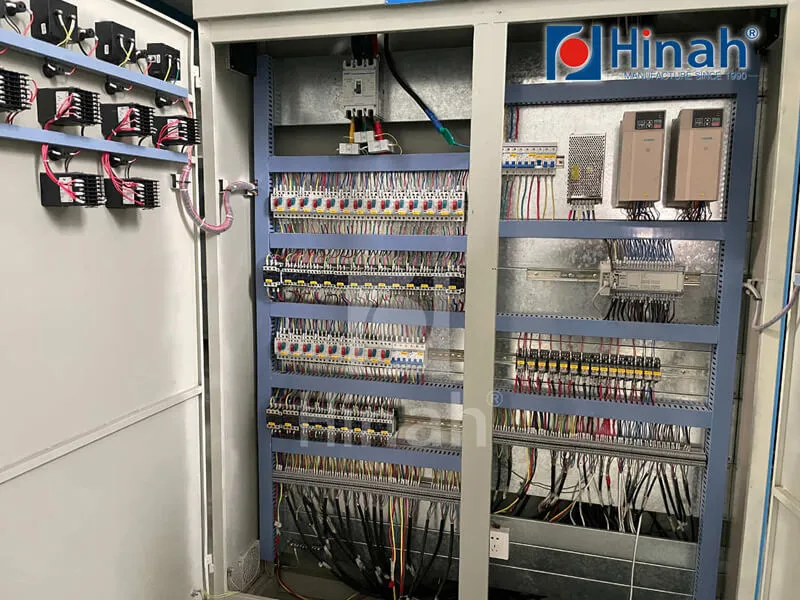
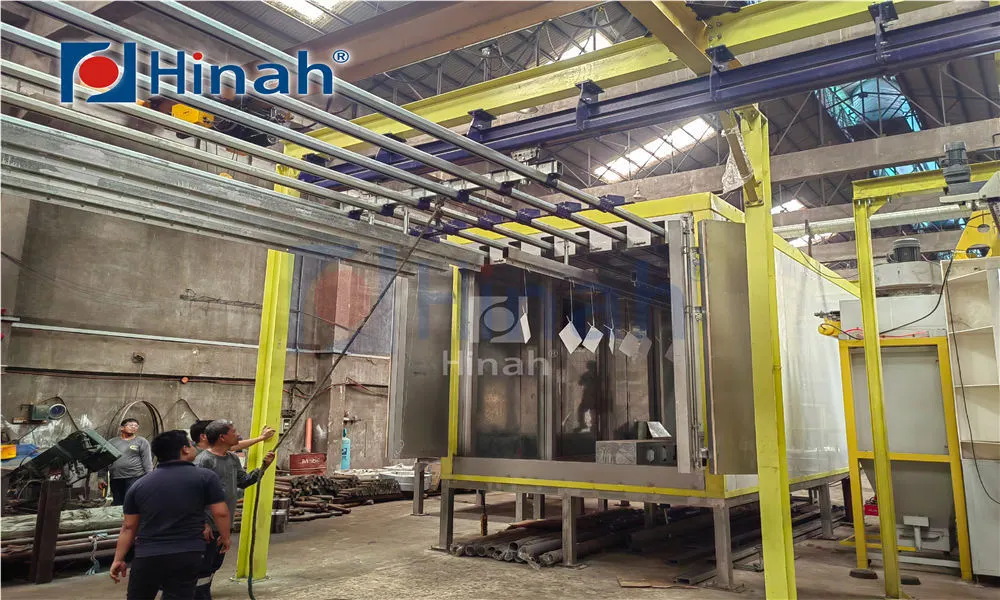
A complete Powder coating plant for sale is an integrated system. Understanding the role of each major component ensures you evaluate proposals accurately.
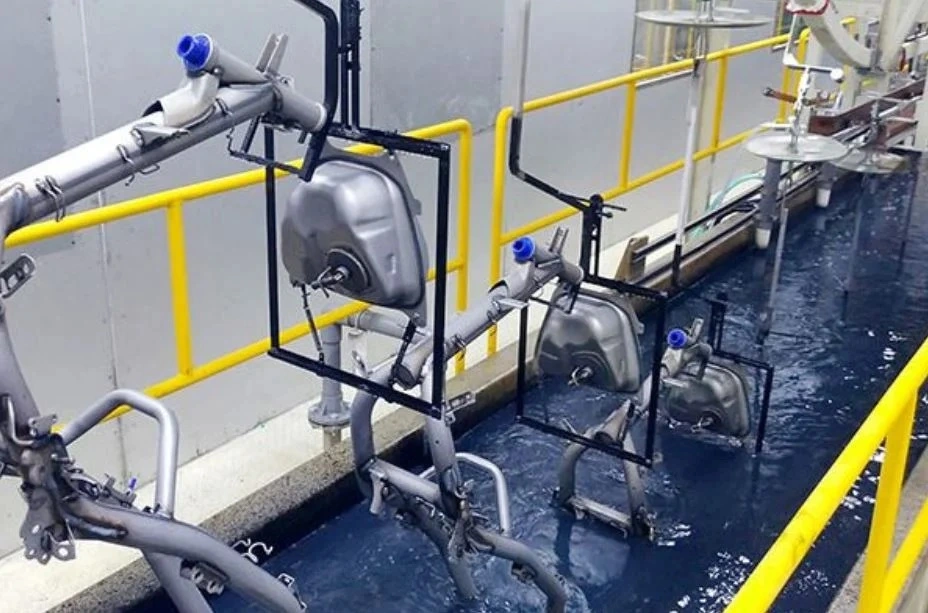
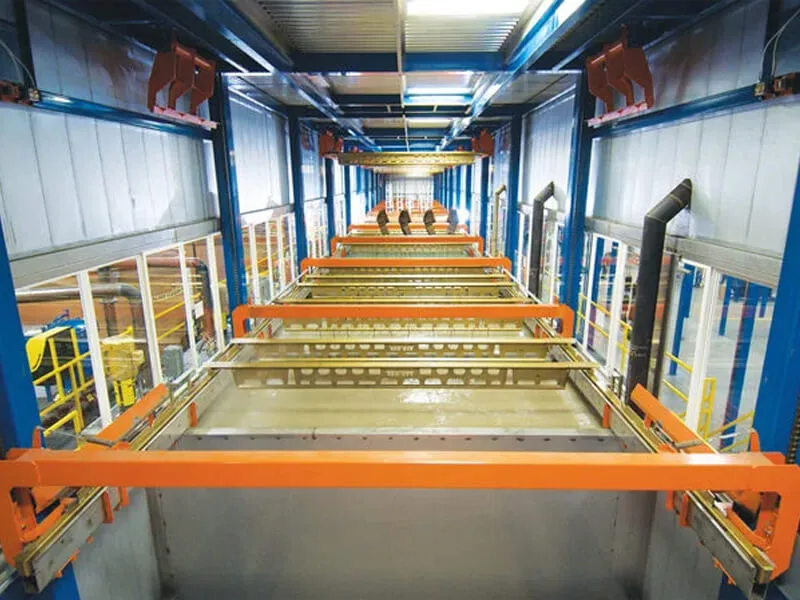
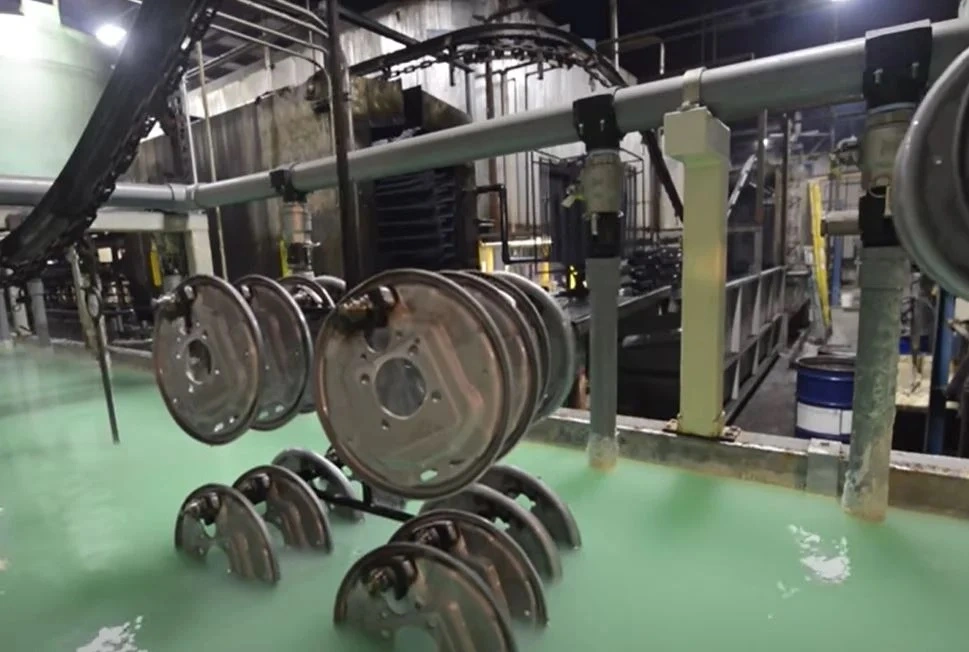
A typical plant consists of a sequential series of modules. Missing a key stage compromises the entire process.
When evaluating a Powder coating plant for sale, verify the capability and quality of each of these components.
The company behind the Powder coating plant for sale is as important as the equipment itself. A reliable partner ensures proper design, installation, and long-term support.
Due diligence on the supplier protects your investment. Ask specific questions to gauge their expertise and reliability.
Established manufacturers with a strong track record, such as HANNA, typically provide more comprehensive solutions and support.
The price for a Powder coating plant for sale can vary widely. A clear understanding of cost drivers and what is included in a quote is essential for budgeting and comparison.
The purchase price of the equipment is only one part of the total investment. A complete budget must account for all associated expenses.
Requesting a detailed, itemized quote from suppliers allows for a true apples-to-apples comparison.
The market includes both new and used options for a Powder coating plant for sale. Each path has distinct advantages and risks that must be carefully considered.
Your decision will balance budget constraints against needs for reliability, warranty, and modern technology.
A thorough inspection by a qualified engineer is mandatory if considering a used Powder coating plant for sale.
Finding the right Powder coating plant for sale is a multi-faceted process that extends beyond comparing price tags. It involves a deep analysis of your technical requirements, a careful evaluation of supplier capabilities, and a clear understanding of the total project cost. By methodically working through these considerations, you can select a system that delivers the quality, reliability, and return on investment your business requires. Partnering with a reputable and experienced manufacturer provides assurance and long-term value for this critical industrial asset.
Q1: What is the typical lead time from order to operation for a new powder coating plant?
A1: For a custom-designed system, the total lead time typically ranges from 5 to 8 months. This includes detailed engineering (4-6 weeks), manufacturing of components (12-16 weeks), shipping (2-4 weeks), and on-site installation and commissioning (3-5 weeks). The timeline varies with complexity.
Q2: Can a supplier help us design the plant layout for our existing factory space?
A2: Yes, a competent supplier should always start with a site survey. They will assess your available space, ceiling height, utility points (water, gas, electricity), and workflow to create a optimized layout that fits your facility and ensures efficient material flow for the Powder coating plant for sale.
Q3: What kind of after-sales training is usually provided?
A3: Comprehensive training should be included. This covers daily operation of all equipment (pretreatment, booth, oven, controls), routine maintenance tasks, basic troubleshooting for common issues, safety procedures, and powder spray gun techniques (for manual stations). Training should be hands-on at your site after installation.
Q4: How do we estimate the potential return on investment (ROI) for this purchase?
A4: Calculate ROI by estimating savings and new revenue. Factor in increased throughput (more parts sold), reduced labor costs per part, lower powder consumption from higher transfer efficiency, decreased rework rates, and potential to win new business requiring higher quality. A good supplier can help model these figures based on your specific data.
Q5: What are the most important certifications to look for in a powder coating plant?
A5: Key certifications include CE marking (for Europe) or other local machinery safety directives, ensuring the equipment meets essential health and safety requirements. For the supplier, an ISO 9001 quality management certification indicates reliable manufacturing processes. Also, check if oven designs comply with standards like NFPA 86.