
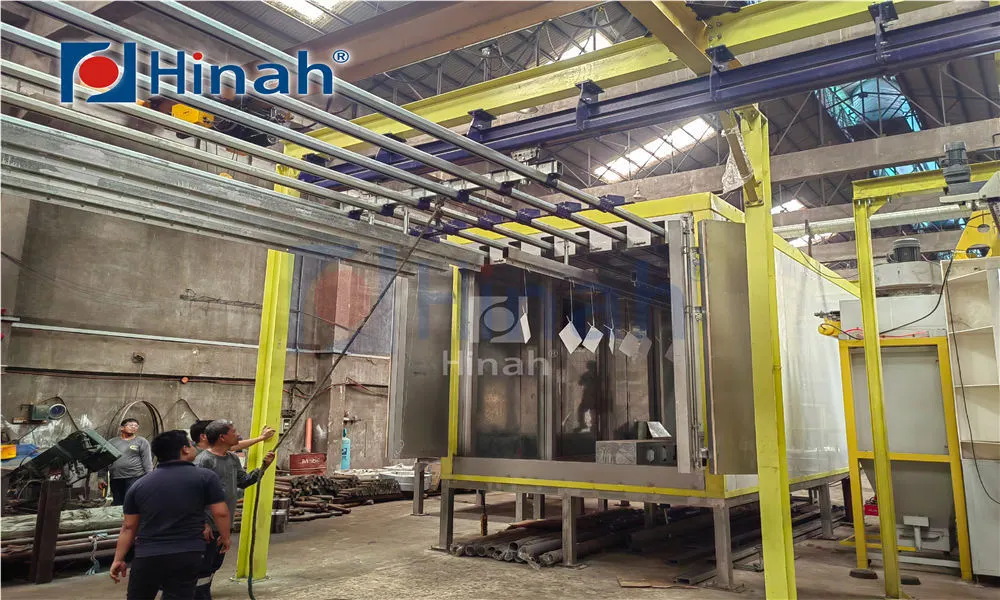
For workshops and manufacturers with variable production schedules, a powder coating batch oven offers essential flexibility. Unlike continuous conveyor ovens, batch ovens cure coated parts in self-contained loads. This makes them ideal for job shops, prototyping, and low to medium-volume production. Understanding their features is key to efficient operation.
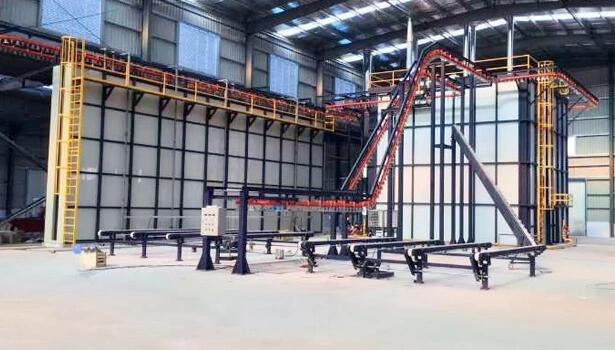
A powder coating batch oven is a stand-alone thermal chamber used to cure applied powder coatings. Parts are loaded, the oven is closed, and a controlled heat cycle melts and cures the powder into a durable finish. This process is fundamental for achieving the coating's protective and aesthetic properties.
The curing process involves precise thermal management. A typical cycle in a powder coating batch oven follows specific stages.
Heat-up/Ramp: The oven interior and parts are raised to the target curing temperature.
Soak/Dwell: The temperature is held steady for a set time, allowing full cross-linking of the powder resin.
Cool-down: Heating stops, and parts cool inside or outside the oven before handling.
Different designs cater to various needs. The main types include:
Walk-in / Room Ovens: Large chambers where racks or carts are rolled inside. Offer high capacity for large or numerous parts.
Bench-top Ovens: Small units for very small parts, prototypes, or testing samples.
Cabinet Ovens: Mid-sized units with front-loading doors, a common choice for general shop work.
Electric vs. Gas: Electric ovens are common for clean operation; gas ovens may offer lower operating costs for high-use scenarios.
Choosing a powder coating batch oven provides several operational benefits, particularly for certain business models.
This flexibility is a primary reason for their widespread use.
Variable Load Sizes: Cure different quantities daily without inefficiency.
Lower Initial Investment: Typically more affordable than installing a continuous curing line.
Simple Integration: Can be added to an existing space without major conveyor system installation.
Energy Control: Energy is only used when a batch is running, unlike always-on conveyor ovens.
A well-managed powder coating batch oven delivers consistent, high-quality results.
Precise Temperature Uniformity: Good ovens maintain even heat distribution (±5°C or better) across the load.
Repeatable Cycles: Digital controllers allow saving and repeating exact recipes for specific powders.
Cure Verification: Easier to monitor a single batch's time and temperature for quality assurance records.
Investing in the correct powder coating batch oven requires careful evaluation of your specific needs.
Size is the first practical consideration. Ask these questions:
What are the maximum dimensions (L x W x H) of your largest part or rack?
What is the typical weight of a loaded cart or rack?
How much floor space is available in your shop layout?
Do you need room for a cart to roll in, or will you use stationary shelves?
The oven's heating technology defines its capability and running cost.
Temperature Range: Must exceed the maximum cure temperature of your powders (often 200°C - 220°C).
Heat Uniformity: Inquire about the manufacturer's stated temperature variation across the workspace.
Recovery Time: How quickly the oven returns to setpoint after loading cold parts.
Insulation Quality: Good insulation (e.g., mineral wool) improves efficiency and safety.
Modern controls are essential for reliable curing. Safety is non-negotiable.
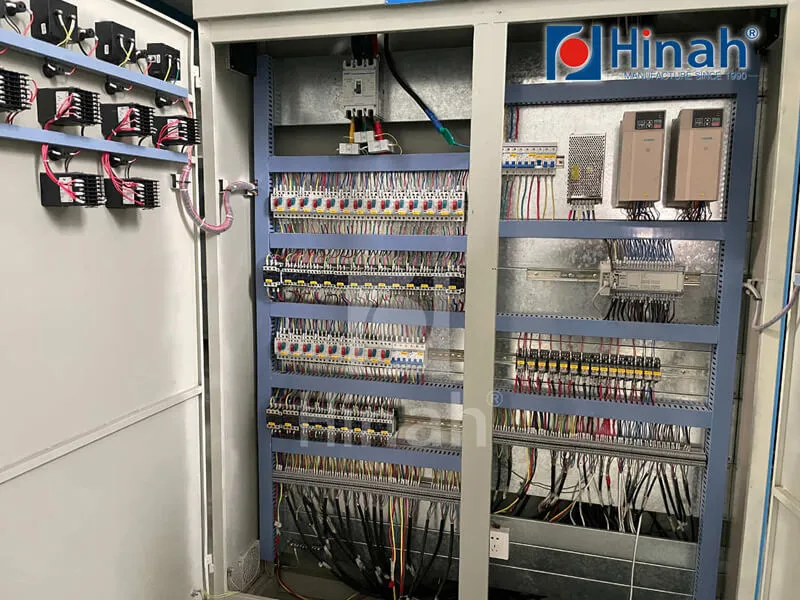
Digital Controller: PID controllers with programmable recipes ensure precision.
Airflow Management: Properly sized blowers ensure even heat circulation and VOC removal.
Safety: Features should include over-temperature protection, door safety switches, and properly rated electrical components.
Maximizing the lifespan and performance of your powder coating batch oven depends on proper use and care.
How you load the oven impacts cure quality and efficiency.
Allow adequate space between parts for proper hot air circulation.
Do not overload the oven; this creates cold spots and leads to under-cure.
Always follow the powder manufacturer's recommended time and temperature specifications.
Use a rack thermometer to verify the actual part temperature, not just the oven air temperature.
Preventive maintenance ensures safety and consistent performance.
Daily/Weekly: Clean the interior of loose powder and debris to prevent contamination and fire risk.
Monthly: Inspect heating elements for damage. Check door seals for integrity to prevent heat loss.
Quarterly: Verify calibration of the temperature controller and sensors.
Annually: Have a qualified technician inspect electrical connections, contactors, and safety interlocks.
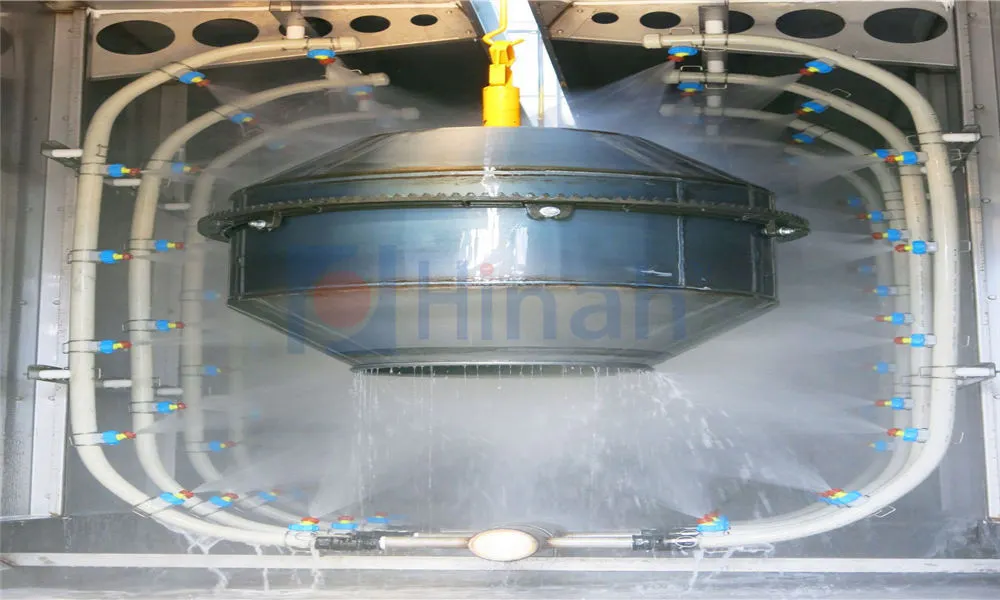
HANNA provides robust and reliable solutions for finishing operations. Their expertise in designing powder coating batch oven systems is backed by an understanding of real-world shop requirements.
HANNA ovens are built for durability and performance.
Heavy-duty steel construction with high-efficiency insulation.
Precision-calibrated airflow systems for superior temperature uniformity.
Options for custom sizes, door configurations, and control packages.
Integration of exhaust stacks and filtration for safe fume management.
Choosing HANNA means partnering with a dedicated supplier.
Technical assistance for sizing and selecting the right oven model.
Clear installation guidelines and operator training resources.
Availability of genuine spare parts and responsive service support.
In summary, a powder coating batch oven is a versatile and vital component for many coating businesses. By carefully considering your capacity, thermal, and control needs, you can select an oven that delivers quality, efficiency, and value. For durable, well-engineered solutions, consider the range of batch ovens from HANNA. Explore their offerings at https://www.autocoatinglines.com/.
A1: A powder coating batch oven cures static loads in cycles, ideal for varied production. A conveyor oven cures parts continuously as they move on a conveyor, suited for high-volume, consistent product lines.
A2: Calculate the internal dimensions needed to accommodate your largest parts or racks, adding space for air circulation. Also, consider your average daily volume to ensure the oven size meets production demands without being excessively large.
A3: Yes, but careful planning is needed. You must ensure the oven temperature can reach the cure specs for all powders used. Avoid curing items with widely different cure schedules in the same batch to prevent under- or over-curing.
A4: Key precautions include: ensuring proper ventilation to remove fumes, keeping the interior clean of powder dust, never heating flammable materials, using thermal-rated gloves for handling, and ensuring all safety interlocks on the door are functional.
A5: Yes. HANNA specializes in providing tailored solutions. They can engineer and build a powder coating batch oven to meet specific size, temperature, and control requirements for unique applications.