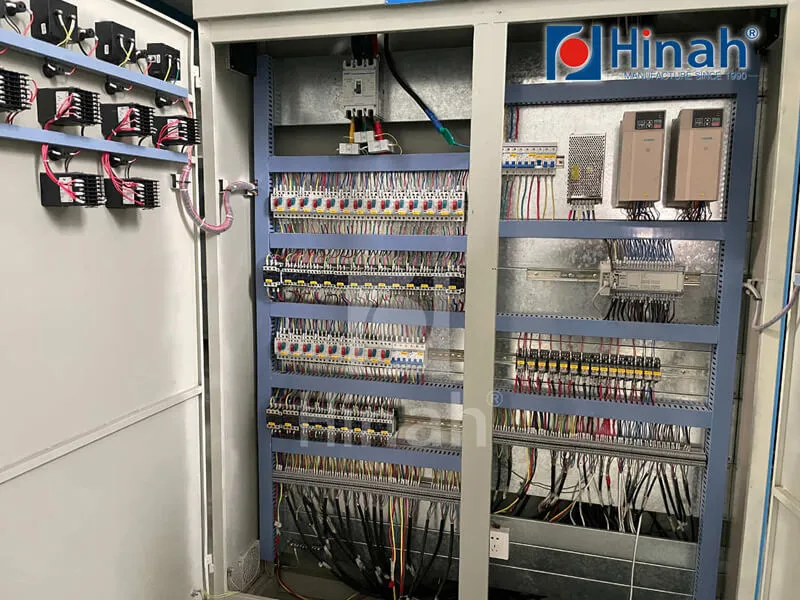
In the world of industrial finishing, the powder coating room is the heart of the operation. It’s more than just a space; it’s a controlled environment where quality, efficiency, and safety converge. Whether you're setting up a new line or upgrading an existing one, understanding the critical components of a powder coating booth is essential for achieving flawless, durable finishes.
This guide breaks down the five key elements, explores custom powder coating rooms, and provides a practical selection framework, featuring insights from industry leader HANNA.

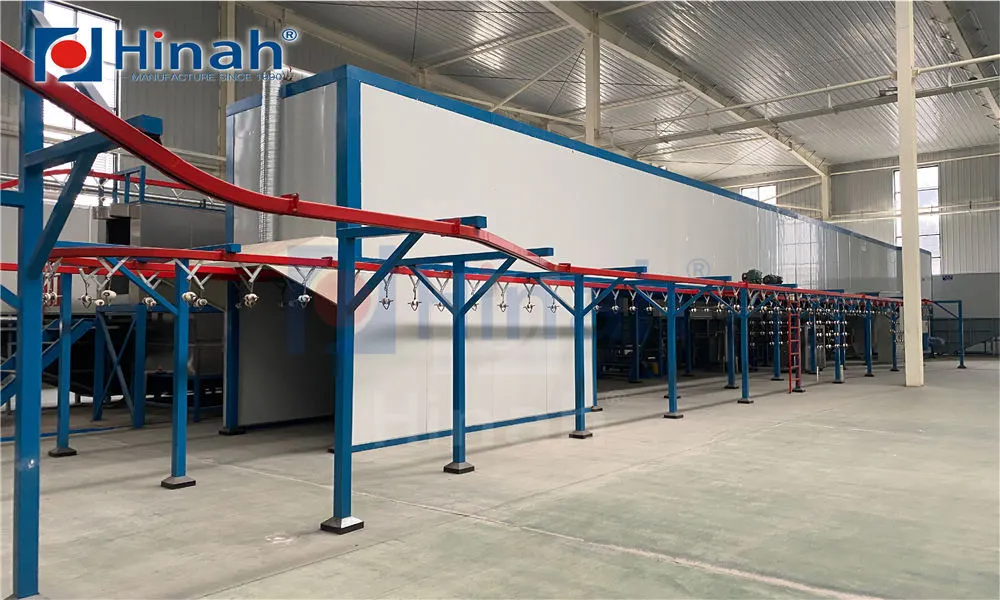
A powder coating room, often called a powder coating booth or enclosure, is a specially designed space where the electrostatic application of powder to metal substrates occurs. It contains overspray, ensures operator safety, and maintains air quality through advanced filtration.
The design directly impacts transfer efficiency, finish quality, and operational cost. Investing in a well-engineered powder coating room is non-negotiable for professional results.
1. Airflow and Ventilation Design
Proper airflow is the most crucial factor. A downdraft or crossdraft system pulls overspray away from the operator and the part, directing it to collection filters.
This ensures a clean working environment, minimizes contamination, and maximizes powder recovery rates. Poor airflow leads to uneven application and health hazards.
2. Filtration and Powder Recovery System
An efficient filtration system captures overspray. Cyclone and cartridge filter systems separate reusable powder from the air stream.
This reclaimable powder can often be recycled, significantly reducing material costs. The choice depends on production volume and color change frequency. HANNA systems are renowned for high recovery efficiency.
3. Lighting and Visibility
Adequate, shadow-free lighting is vital for visual inspection during application. LED lighting strips are now standard, providing bright, cool illumination.
This allows operators to see coverage, uniformity, and potential defects in real-time, ensuring first-pass quality and reducing rework.
4. Construction Materials and Safety
Walls, ceilings, and floors must be non-porous, conductive, and easy to clean. Common materials include powder-coated steel panels, PVC curtains, or specialized composites.
The entire powder coating room must be properly grounded to prevent static discharge. Fire suppression and explosion-venting are critical safety considerations.
5. Ergonomic Design and Access
The booth should be designed around the parts being coated. This includes optimal door sizes, part conveyor integration, and strategic placement of application openings.
Custom powder coating rooms excel here, tailoring the layout to your specific workflow, improving productivity and operator comfort.
Standard booths are cost-effective for simple, repetitive work. They come in fixed sizes and configurations.
Custom powder coating rooms, offered by specialists like HANNA, are designed from the ground up for your unique needs. They are ideal for:
Oversized or unusually shaped parts.
Complex conveyorized production lines.
Facilities with strict environmental or safety regulations.
High-volume operations requiring maximum efficiency.
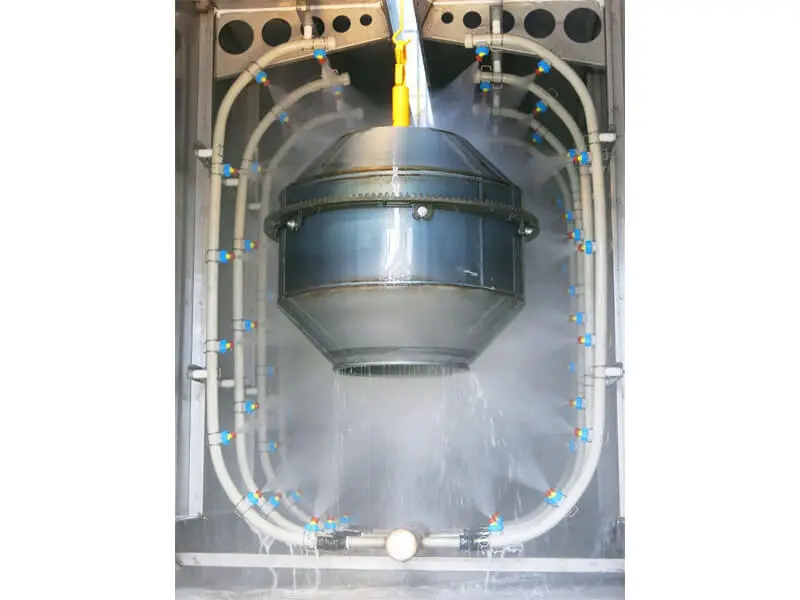
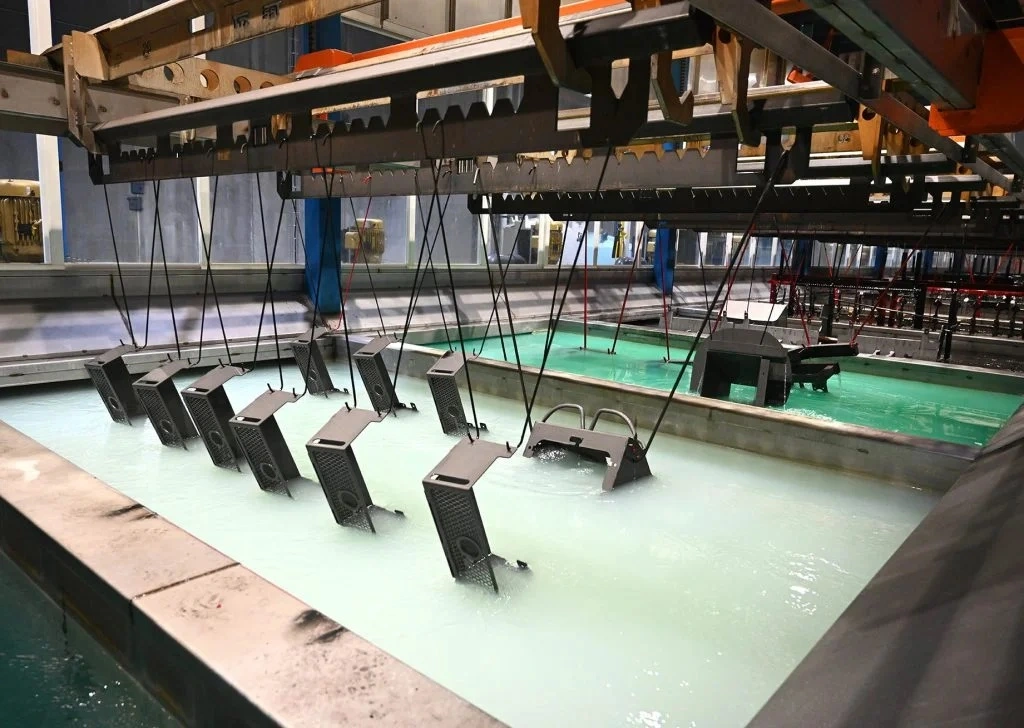
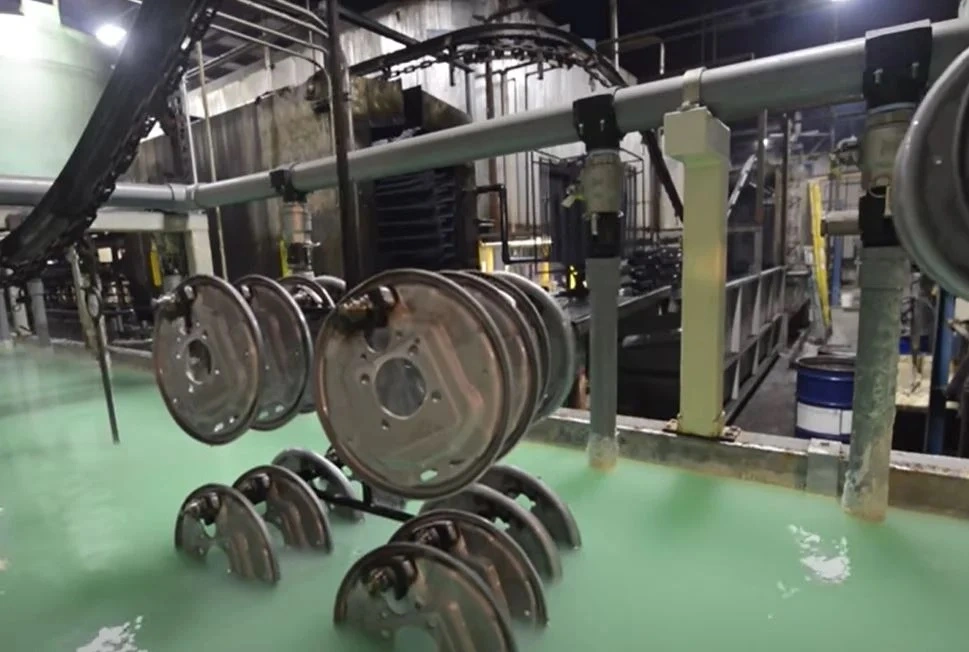
A custom powder coating booth design solves spatial challenges and integrates seamlessly with pretreatment ovens and cure ovens.
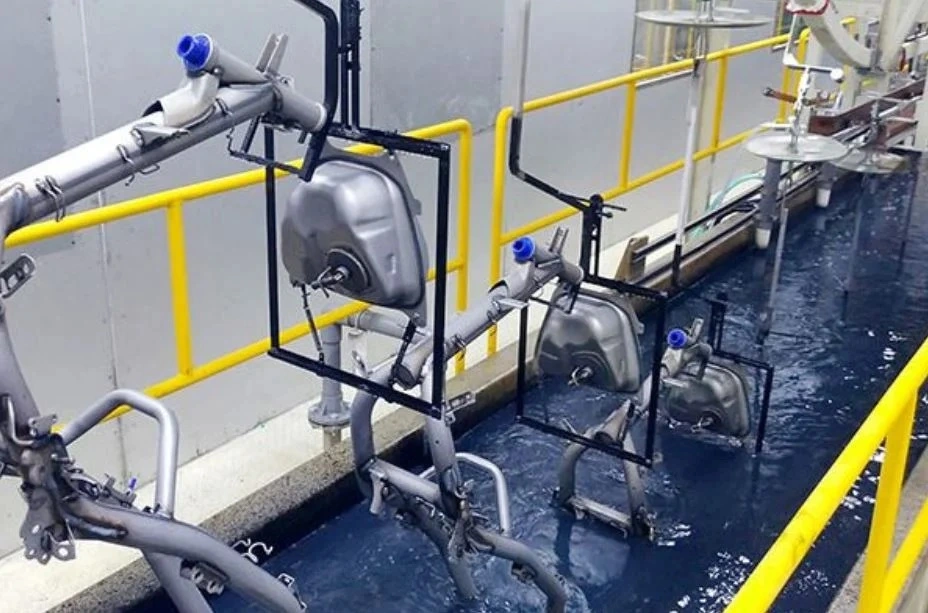
With decades of experience, HANNA engineers powder coating environments for peak performance. Our approach focuses on total system integration.
We don’t just sell booths; we provide solutions. From initial concept to final installation, a HANNA powder coating room is built for durability, efficiency, and a superior return on investment.
Our custom powder coating rooms feature robust construction, intelligent airflow patterns, and energy-efficient recovery systems. This commitment to excellence ensures your finishing process is a competitive advantage.
The price of a powder coating room varies widely. Factors include:
Size and Scale: Larger, walk-in rooms cost more than small open-face booths.
Customization Level: A fully custom powder coating room requires more engineering.
Recovery System Type: Automated cartridge systems have a higher upfront cost than basic cyclones.
Safety Features: Explosion protection and advanced fire systems add to the cost.
View this as a long-term capital investment. A higher-quality powder coating booth from a trusted brand like HANNA reduces waste, improves quality, and lowers lifetime operating costs.
Assess Your Needs: List part sizes, production volumes, and desired finish quality.
Space Audit: Evaluate your facility’s footprint, ceiling height, and utility access.
Set a Budget: Consider total cost of ownership, not just the initial purchase.
Consult Experts: Engage with a supplier like HANNA early in the planning process.
Focus on Integration: Ensure your new powder coating room works with existing pretreatment and curing stages.
Regular maintenance keeps your powder coating booth running at peak efficiency. Daily cleaning of walls and floors prevents cross-contamination.
Filter inspection and replacement are mandatory. A clogged filter destroys airflow and recovery performance. Schedule professional inspections of electrical and safety systems annually.
A well-maintained HANNA-designed room will deliver consistent performance for many years, protecting your investment.
Your powder coating room is the core of your finishing quality. By prioritizing airflow, filtration, lighting, safety, and ergonomic design, you build a foundation for excellence.
Choosing between standard and custom powder coating rooms depends on your specific operational demands. Partnering with an experienced provider like HANNA ensures you get a system that boosts productivity, enhances quality, and delivers a strong return on investment.
Invest wisely in this critical piece of infrastructure to secure the future of your coating operations.
Q1: What is the typical lifespan of a well-maintained powder coating room?
A1: A high-quality powder coating room, like those built by HANNA, can last 15 to 25 years or more with proper routine maintenance, timely filter changes, and care of structural components.
Q2: How often should I change the filters in my powder coating booth?
A2: It depends on usage. Cartridge filters in high-volume shops may need weekly changes, while lower-volume operations can go for a month. Monitor airflow pressure drops; a significant increase is the key indicator that filters need replacing.
Q3: Can I retrofit an older powder coating room with new, more efficient recovery technology?
A3: Yes, retrofitting is often possible. Many providers, including HANNA, offer upgrade services to modernize older booths with new cartridge filter systems or improved airflow designs, enhancing performance without a full rebuild.
Q4: What are the most important safety features for a powder coating room?
A4: Essential safety features include proper grounding of all components, explosion-relief venting, integrated fire suppression systems, adequate ventilation to prevent fume buildup, and clear safety signage and protocols for operators.
Q5: Why should I consider a custom powder coating room instead of a standard model?
A5: A custom powder coating room is designed for your specific parts, production rate, and facility layout. It optimizes workflow, improves transfer efficiency, reduces waste, and solves unique spatial challenges, leading to higher long-term productivity and cost savings than an off-the-shelf model.