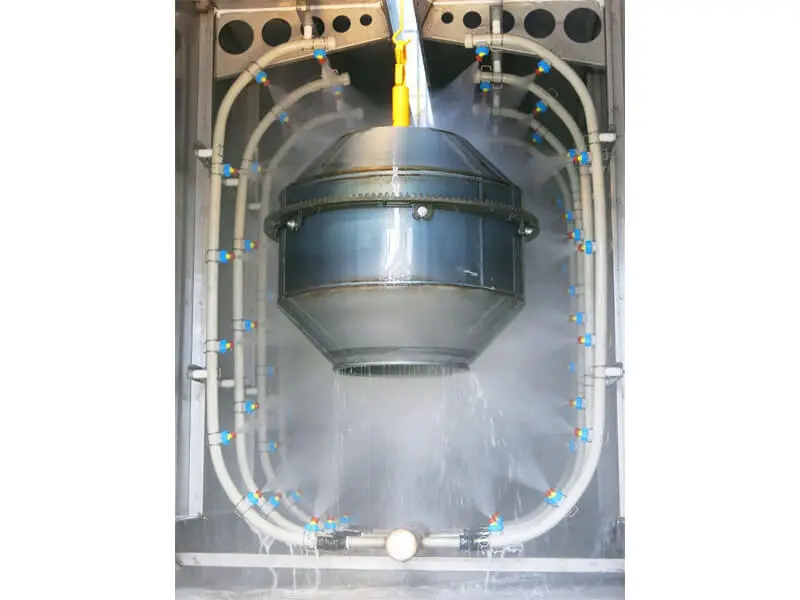
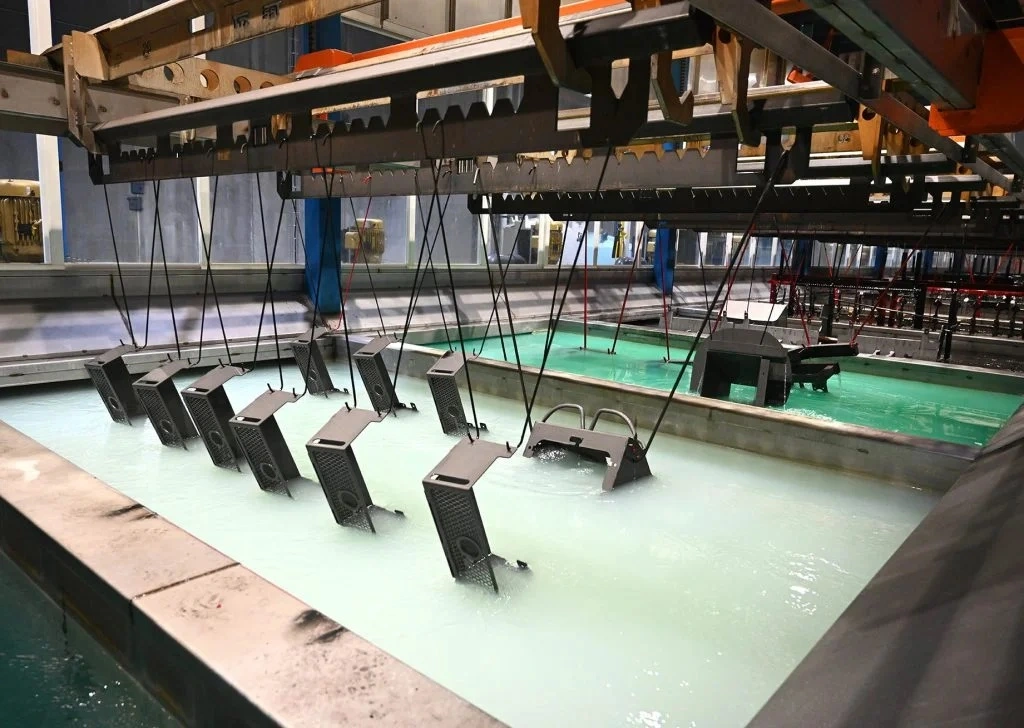
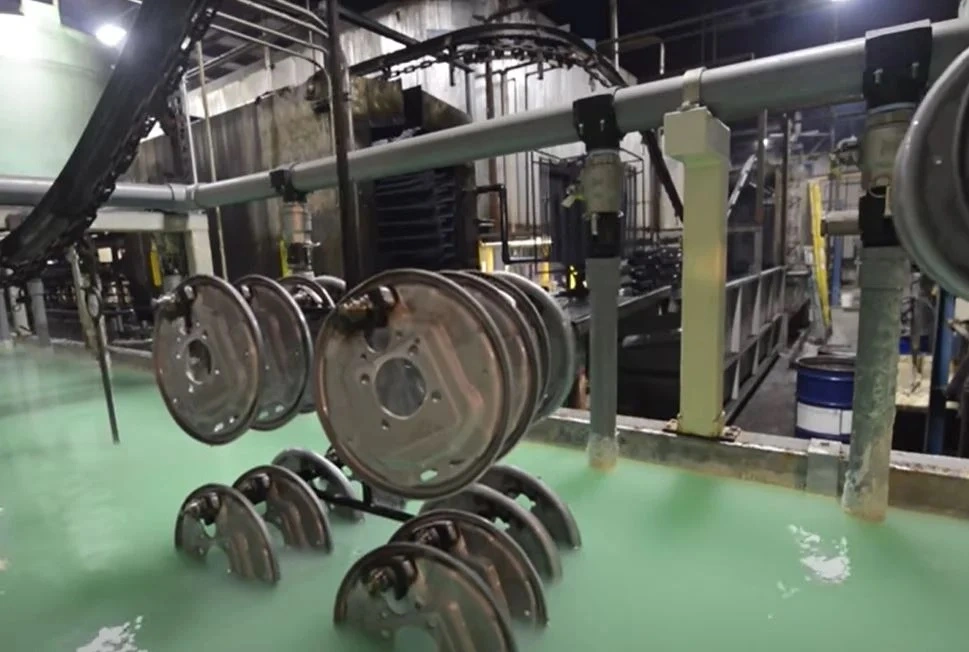
If you work in manufacturing, metal fabrication, or any industry requiring durable finishes, you understand that a curing oven is the indispensable heart of the powder coating process. It's not just a hot box; it's the critical stage where a layered powder transforms into a tough, seamless, and beautiful coating. Choosing the right industrial curing oven impacts everything from product quality and throughput to your bottom line and energy consumption. This guide will walk you through the essentials of curing oven technology, key selection criteria, and best practices, with insights into how HANNA’s engineered solutions set a benchmark for performance and reliability in the global market.
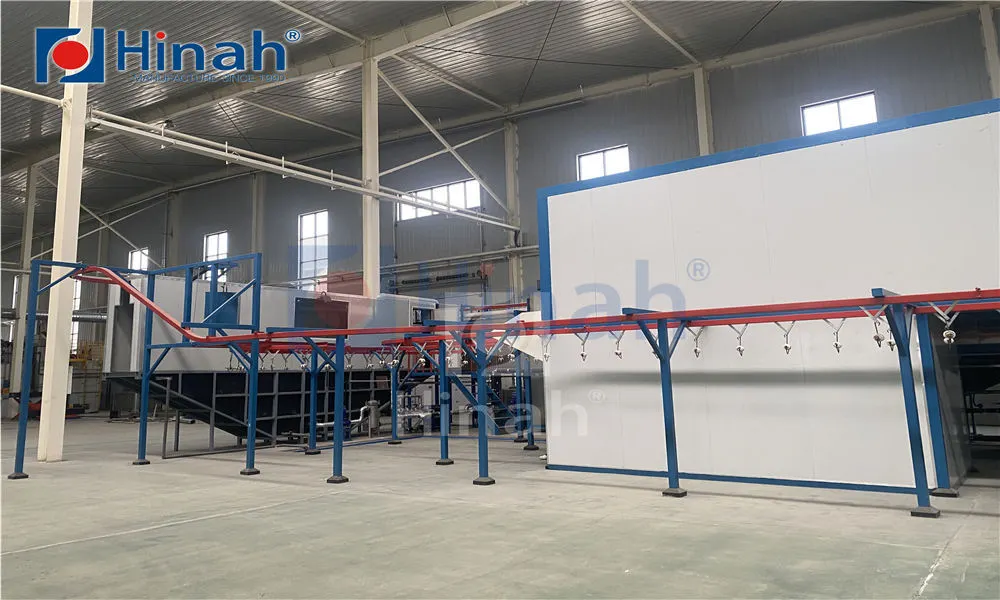
The application booth is where the magic seems to happen, but the curing oven is where that magic becomes permanent. Here, the applied powder coating melts, flows, and chemically cross-links to form its final film properties.
An improperly sized or controlled curing oven can lead to a cascade of problems. Undercuring results in a soft, gummy finish that chips easily and lacks chemical resistance. Overcuring can cause discoloration, brittleness, and loss of mechanical properties.
Therefore, investing in a precisely engineered curing oven isn't an option—it's a necessity for achieving consistent, high-quality finishes that meet specifications and keep customers happy. The efficiency of your entire powder coating line hinges on the performance of this single component.
Understanding the basic science helps in making informed decisions. A modern curing oven doesn't just heat parts; it manages a precise thermal cycle.
The process involves three key phases: heat-up, hold (soak), and cool-down. The oven must raise the part's substrate temperature to the powder manufacturer's specified cure temperature. This is the metal temperature, not just the air temperature inside the oven.
Once the target temperature is reached, the part must "soak" at that temperature for a specified time. This duration allows for complete melt, flow, and cross-linking. The entire thermal profile must be uniform across all parts in a batch or on a conveyor to ensure every item is cured identically.
Selecting the right type of curing oven depends on your production volume, part geometry, and energy considerations. The two primary categories dominate the market:
Convection Curing Ovens: This is the most common and versatile type. Heated air is circulated around the parts using fans and baffles. Convection ovens provide excellent temperature uniformity and are ideal for complex parts with nooks and crannies, as the hot air can reach sheltered areas. HANNA's convection curing ovens are renowned for their advanced airflow design, ensuring even heat distribution for consistent results.
Infrared (IR) Curing Ovens: IR ovens use electromagnetic radiation to transfer heat directly to the part and the powder coating, much like the sun warms your skin. They offer incredibly fast heat-up times, which is perfect for high-speed lines or heat-sensitive substrates. However, uniformity can be a challenge with complex shapes, as shadows can create cold spots.
Many modern systems, including those from HANNA, utilize hybrid designs. These combine IR for rapid initial heat-up with convection for a thorough, uniform soak, leveraging the strengths of both technologies.
Not all curing ovens are created equal. When evaluating options for your facility, prioritize these critical features:
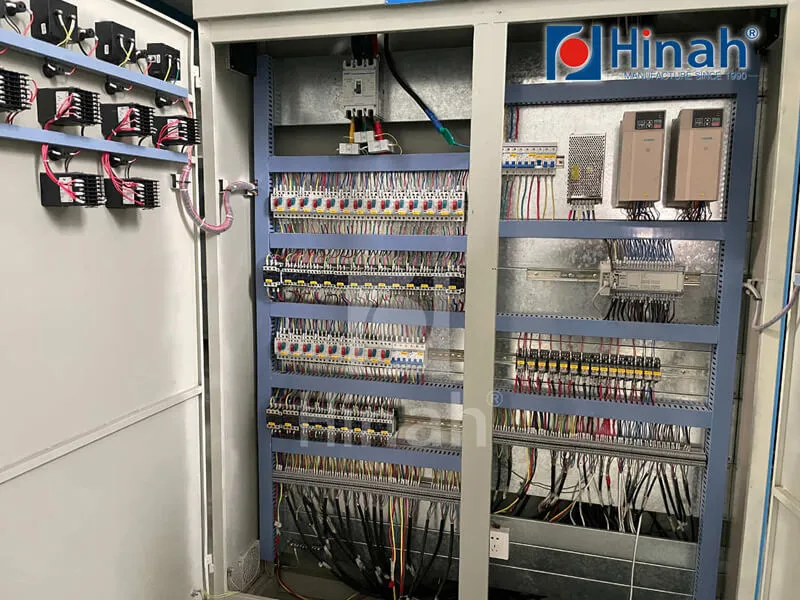
Precise Temperature Control: Look for digital controllers with multiple zones. A high-quality curing oven should maintain temperature within ±5°F (±3°C) of the setpoint. HANNA integrates sophisticated PID controllers and robust sensor networks for unparalleled accuracy.
Efficient Insulation: Superior insulation (like high-density mineral wool) minimizes heat loss, reduces energy costs, and improves workplace safety by keeping exterior surfaces cooler. This is a non-negotiable for both batch and conveyorized systems.
Robust Airflow Design: For convection ovens, airflow is everything. Properly sized fans and strategically placed baffles eliminate hot and cold spots. A well-designed curing oven will have a calculated air change rate to manage volatiles without wasting energy.
Energy Source & Burner Technology: Whether electric, natural gas, or propane, the heating system must be efficient and reliable. High-efficiency burners with modulating valves, like those used in HANNA ovens, adjust fuel input to match demand precisely, slashing gas consumption.
Your specific needs dictate the best curing oven configuration. Ask yourself these questions:
What is your production volume and part mix? High-volume, consistent parts suit a conveyorized curing oven. Diverse, low-volume batches are better served by a batch oven or a combination cure booth.
What are the dimensions and thermal mass of your largest part? The oven interior must accommodate your parts with adequate space for airflow. Heavier parts require more energy to bring up to temperature.
What powders are you using? Know the exact cure schedule (time and temperature) for your powders. Your curing oven must reliably achieve and maintain these parameters.
What are your utility constraints? Assess available electrical capacity, gas line size, and ventilation requirements. HANNA’s engineering team specializes in designing curing ovens that optimize performance within a facility's existing infrastructure.
An efficient curing oven is a major competitive advantage. Here’s how to ensure yours isn’t a energy drain:
Implement Proper Exhaust Management: Only exhaust the minimum air volume necessary to remove volatiles. Excessive exhaust wastes huge amounts of heated air. HANNA curing ovens feature adjustable exhaust dampers linked to control systems for optimal balance.
Utilize Heat Recovery: Advanced systems can capture waste heat from the oven exhaust and use it to preheat incoming combustion air or makeup air, significantly improving overall thermal efficiency.
Maintain Regular Door Seals and Insulation: Worn door seals are a primary source of heat loss. A regular preventive maintenance schedule for your curing oven is essential for peak efficiency.
Optimize Load Density: Avoid running a large curing oven with tiny batches. Schedule production to maximize the oven's capacity each cycle, improving energy use per part.
Professional installation is crucial. This ensures proper integration with your powder coating line, correct utility connections, and safe operation. HANNA provides full turnkey support, from site planning to final commissioning.
Safety cannot be overstated. A curing oven must include critical safeguards: high-limit temperature controllers, proper ventilation for fume removal, and a certified fire suppression system, especially for powder lines.
A simple weekly and monthly maintenance routine extends the life of your curing oven. This includes cleaning interior surfaces of powder buildup, checking and calibrating thermocouples, inspecting fan motors and belts, and verifying door seal integrity. Following HANNA’s recommended maintenance protocol prevents costly downtime.
Innovation continues to drive the industry forward. The next generation of curing ovens focuses on hyper-efficiency and smart connectivity.
Look for increased adoption of AI-driven control systems that learn your production patterns and automatically adjust heating zones for optimal energy use. Low-Temperature Cure powders are also pushing oven design, requiring precise control at lower setpoints to save energy.
Furthermore, IoT (Internet of Things) capabilities allow for remote monitoring and predictive maintenance. Imagine receiving an alert that a fan bearing is showing signs of wear before it fails. HANNA is at the forefront of integrating these smart technologies into their curing ovens, providing customers with data-driven insights for unparalleled control.
In summary, the curing oven is far more than a simple heating chamber. It is a precision instrument that defines the quality, durability, and efficiency of your finishing operation. By understanding the technology, prioritizing key features, and partnering with an experienced manufacturer like HANNA, you invest in a solution that delivers consistent results, reduces operational costs, and stands the test of time. When evaluating a new curing oven, look beyond the price tag to the total cost of ownership and the value of guaranteed performance.
Q1: What is the main difference between a curing oven and a drying oven?
A1: A drying oven simply removes moisture or solvents through evaporation, often at lower temperatures. A curing oven facilitates a chemical reaction (cross-linking) in thermosetting powders or paints, creating a permanent, hardened film. The precise control in a curing oven is critical for this chemical transformation.
Q2: How do I determine the correct size and BTU rating for my curing oven?
A2: This requires a detailed thermal calculation. Factors include the part's material, mass, surface area, desired cure temperature, line speed (for conveyors), and required heat-up time. It's strongly recommended to consult with application engineers, like those at HANNA, who use specialized software to accurately size a curing oven for your specific needs.
Q3: Can I retrofit my old curing oven with new energy-saving controls?
A3: In many cases, yes. Upgrading to modern digital PID controllers, high-efficiency burners, or adding a heat recovery system can significantly improve the performance of an existing curing oven. A professional assessment can determine the feasibility and ROI of such a retrofit.
Q4: How important is oven exhaust, and how much do I need?
A4: Exhaust is vital for removing volatile organic compounds (VOCs) and any decomposition byproducts released during curing, ensuring a safe work environment and a quality finish. The required rate depends on oven size and production volume. A properly designed curing oven, like those from HANNA, balances effective fume removal with minimal energy waste.
Q5: What safety features are absolutely essential in an industrial curing oven?
A5: Critical safety features include: independent high-limit temperature controllers to shut down heat if primary controls fail, properly sized and interlocked exhaust systems, a UL-listed fire suppression system (often with automatic damper closure), and audible/visual alarms for temperature deviations or system faults. Never operate a curing oven without these basic safeguards in place.