
In the world of industrial finishing, the curing oven stands as a pivotal component. It transforms applied powder coatings into durable, resilient surfaces. For professionals in international powder coating, understanding the curing oven is not optional—it’s essential. This article breaks down critical aspects, from technology to maintenance, ensuring you grasp what makes a curing oven effective. We’ll explore real-world applications and how HANNA’s innovations align with industry demands.
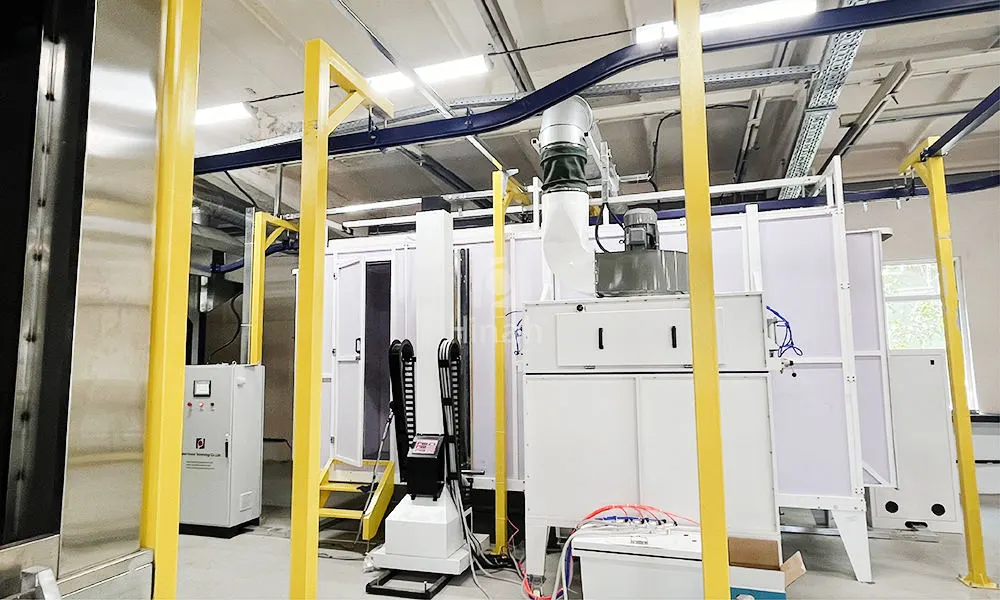
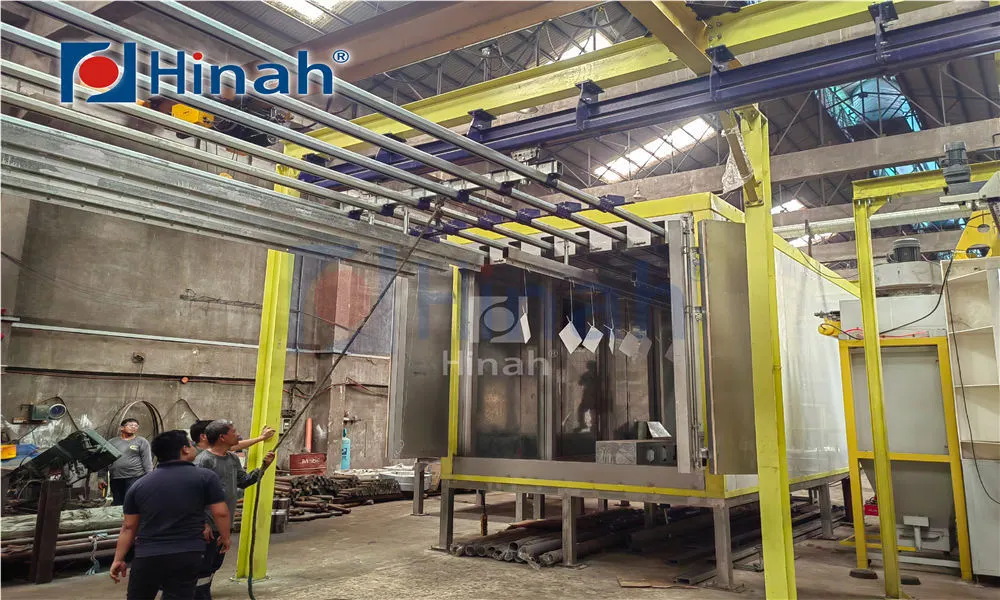
A curing oven uses controlled heat to cure powder coatings. After electrostatic application, parts enter the curing oven. The oven heats the powder, melting it into a smooth film. Then, cross-linking occurs, creating a hard finish. This process hinges on precise temperature and time. Even minor deviations can affect quality. Thus, a reliable curing oven ensures consistency. In powder coating, the curing oven drives adhesion and durability.
Modern curing ovens integrate sensors for accuracy. They monitor air flow and heat distribution. For HANNA, this precision is a priority. Their curing oven models offer real-time adjustments. This reduces waste and boosts output. In short, the curing oven is where chemistry meets engineering.
Different industries require varied curing oven designs. Convection ovens are common. They use heated air to cure coatings evenly. These ovens suit complex parts with intricate shapes. Another type is the infrared curing oven. It uses radiation for faster curing. This curing oven is ideal for flat surfaces or high-speed lines.
Hybrid ovens combine both methods. They offer flexibility for diverse products. In powder coating, choosing the right curing oven impacts efficiency. HANNA provides all three types. Their curing oven solutions cater to automotive, aerospace, and furniture sectors. Each curing oven is built for specific thermal profiles. This ensures optimal powder coating results.
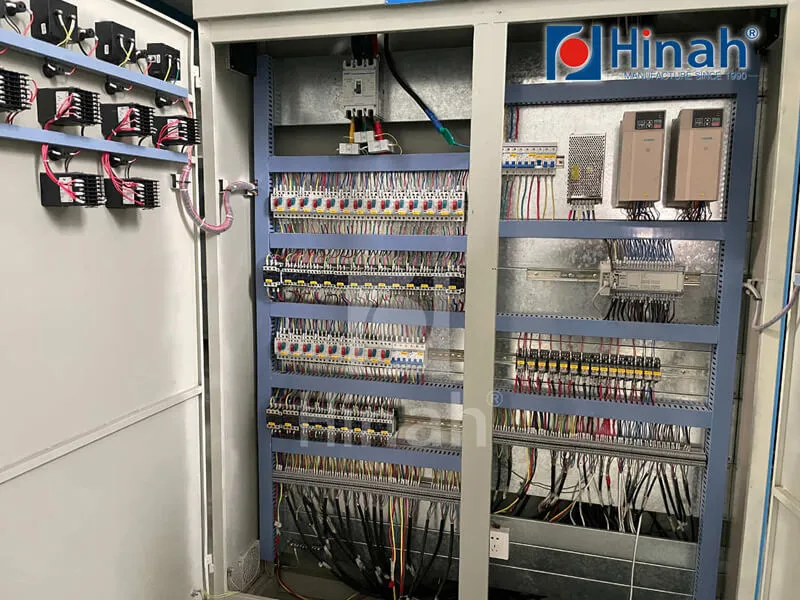
Today’s curing oven includes advanced features. Energy efficiency is crucial. Many ovens use recuperative systems to reuse heat. This cuts costs and supports sustainability. Another feature is programmable logic controllers (PLCs). They automate curing cycles in the curing oven. This minimizes human error.
Safety systems are also vital. A curing oven must have overheating protection. HANNA’s curing ovens incorporate alarms and shutdown mechanisms. Additionally, insulation quality affects performance. Good insulation keeps heat stable inside the curing oven. This leads to uniform curing in powder coating. Look for features like sealed doors and efficient burners. These define a high-end curing oven.
Temperature and time are core parameters in any curing oven. For powder coating, typical curing ranges from 150°C to 200°C. Time varies from 10 to 30 minutes. Exact settings depend on powder chemistry. A curing oven must maintain these precisely. Fluctuations can cause under-curing or over-curing.
Under-curing leads to soft, poor-adhesion coatings. Over-curing may discolor or brittle finishes. HANNA’s curing ovens feature digital controllers. They allow setpoints with tight tolerances. This ensures every part meets standards. In powder coating, the curing oven’s consistency is key. Regular calibration of the curing oven is advised. It upholds accuracy across batches.
Investing in a modern curing oven brings multiple benefits. First, it enhances productivity. Faster curing cycles mean more parts per hour. Second, it improves quality. A precise curing oven reduces defects like orange peel or pinholes. Third, it saves energy. Efficient ovens lower utility bills.
For powder coating shops, this boosts competitiveness. HANNA’s curing ovens, for instance, offer quick heat-up times. They also have modular designs for easy expansion. Another benefit is compliance. Newer curing ovens meet environmental regulations. They emit fewer volatile compounds. Thus, a state-of-the-art curing oven is a strategic asset.
Regular maintenance keeps a curing oven running smoothly. Start with daily checks. Inspect door seals on the curing oven. Leaks can cause heat loss. Clean air filters weekly. Clogged filters reduce airflow in the curing oven. This affects curing uniformity.
Monthly, examine heating elements. Replace any that are worn. Also, calibrate temperature sensors annually. For powder coating operations, this prevents downtime. HANNA recommends following their maintenance guides. Their curing ovens come with service reminders. Proper care ensures the curing oven lasts years. It also maintains powder coating quality.
HANNA has carved a niche in curing oven technology. Their ovens blend reliability with innovation. For example, HANNA’s curing oven series features smart diagnostics. These predict issues before they escalate. This proactive approach minimizes disruptions in powder coating lines.
Moreover, HANNA customizes curing ovens to client needs. Whether for large metal parts or small components, their curing oven designs adapt. They use high-grade materials for durability. In international powder coating, HANNA’s curing ovens are trusted. They comply with global safety norms. Choosing a HANNA curing oven means investing in precision and support.
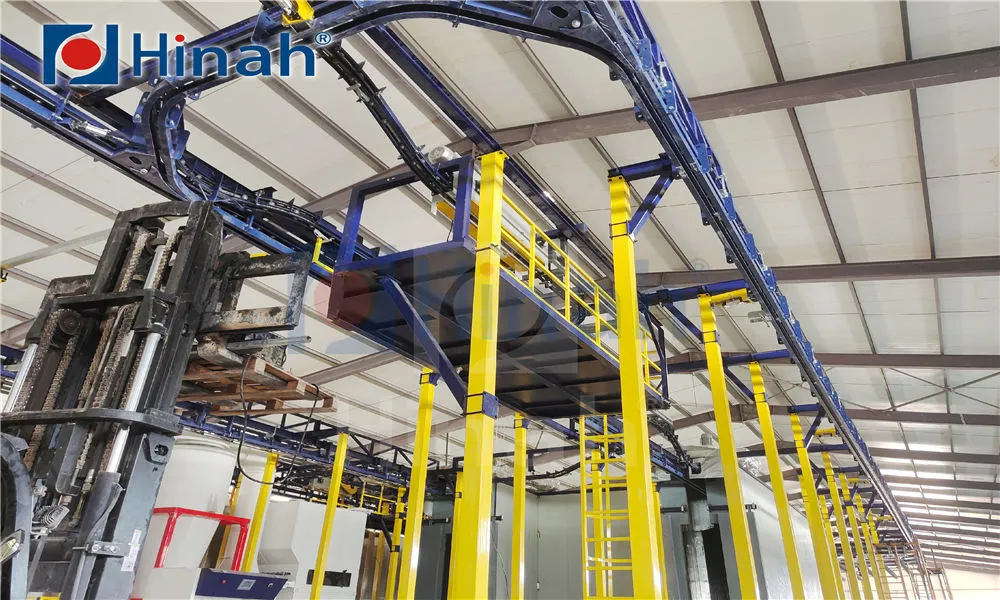
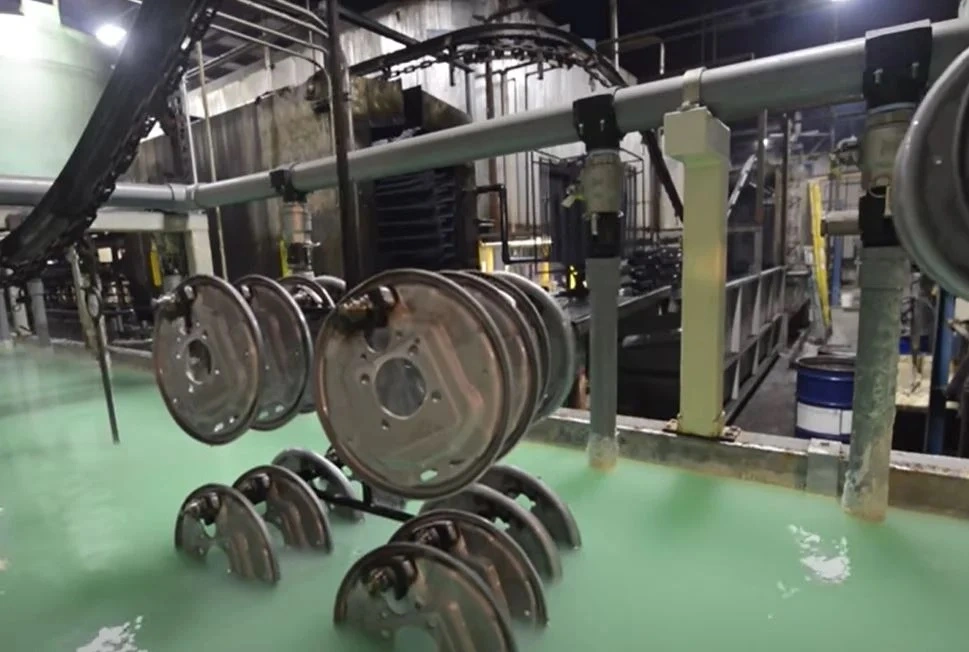
Curing ovens serve beyond powder coating. In automotive, a curing oven cures coatings on wheels and frames. In architecture, it finishes aluminum extrusions. Electronics use curing ovens for insulating components. Each sector relies on the curing oven for durability.
In powder coating, applications are vast. From household appliances to agricultural equipment, the curing oven ensures longevity. HANNA’s curing ovens handle these diverse needs. Their versatile designs suit low-volume or high-volume runs. Thus, the curing oven is a cross-industry workhorse.
The curing oven is evolving. Trends include IoT integration. Future curing ovens may connect to cloud systems for data analytics. This allows remote monitoring of the curing oven. Another trend is greener energy. Solar-assisted curing ovens are emerging. They reduce carbon footprints in powder coating.
HANNA is researching these areas. Their next-gen curing oven prototypes focus on sustainability. Also, faster curing methods are developing. These could shorten cycles further. For powder coating professionals, staying updated on curing oven advances is wise. It prepares them for tomorrow’s demands.
In summary, the curing oven remains central to powder coating excellence. From basic operations to high-tech features, it drives quality and efficiency. Brands like HANNA push boundaries with innovative curing oven solutions. By prioritizing the right curing oven, businesses can achieve superior finishes and growth.
Q1: What is the primary function of a curing oven in powder coating?
A1: The curing oven heats powder-coated parts to melt and cure the powder, forming a hard, durable finish through cross-linking.
Q2: How often should I maintain my curing oven?
A2: Perform daily visual checks, weekly cleaning of filters, and monthly inspections of heating elements, with annual calibration for optimal curing oven performance.
Q3: Can a curing oven handle different powder coating materials?
A3: Yes, most modern curing ovens, like those from HANNA, allow adjustable temperature and time settings to accommodate various powder chemistries.
Q4: What are the energy-saving features in a curing oven?
A4: Energy-efficient curing ovens may include heat recovery systems, improved insulation, and programmable cycles to reduce power consumption.
Q5: How does HANNA ensure the durability of their curing ovens?
A5: HANNA uses robust materials, rigorous testing, and offers maintenance support to extend the lifespan of their curing ovens in industrial powder coating environments.